




The Village at Black Creek


The Heritage Attraction at a Glance & the Story Behind the Site

The Village at Black Creek is a premier outdoor living history museum in northwest Toronto that brings rural Ontario life from the mid-19th century to life through immersive interpretation and historic structures. Established in 1960 and operated by the Toronto and Region Conservation Authority, the site recreates what rural communities in Southern Ontario looked like during the 1800s, featuring more than 40 heritage buildings furnished and staffed with costumed interpreters and craftspeople.
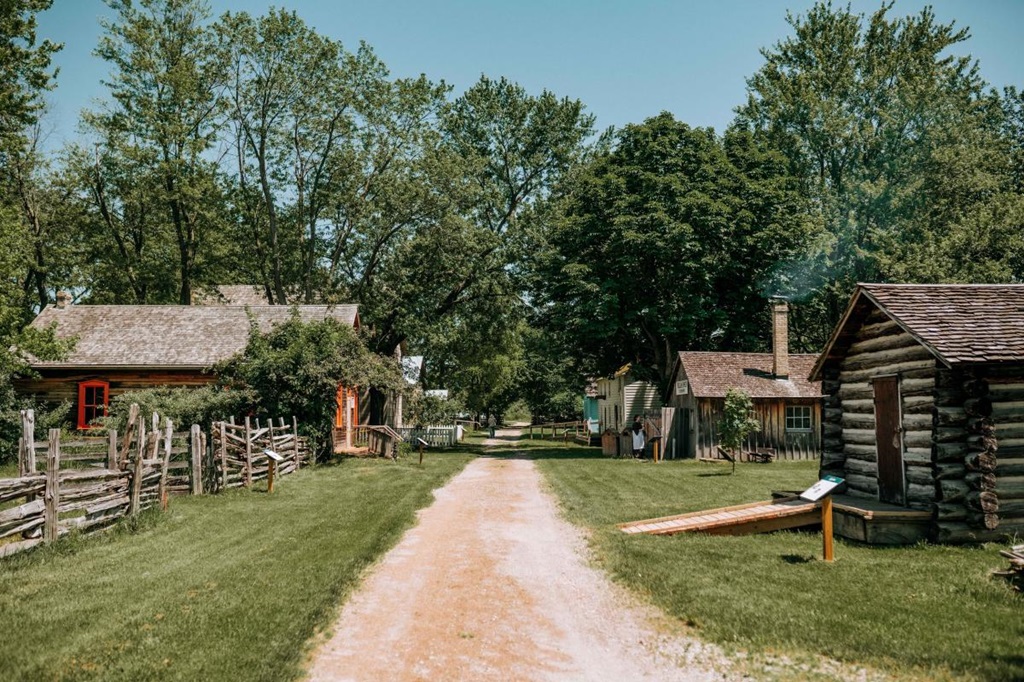
Village Path - The Village at Black Creek

Located near the intersection of Steeles Avenue and Jane Street at 1000 Murray Ross Parkway in North York, the Village sits along Black Creek, a tributary of the Humber River, on lands that were once part of early settlement and farming landscapes. It offers visitors a vivid, tangible way to explore history through buildings such as a water-powered grist mill, general store, blacksmith’s shop, period homes, a one-room schoolhouse, and more.
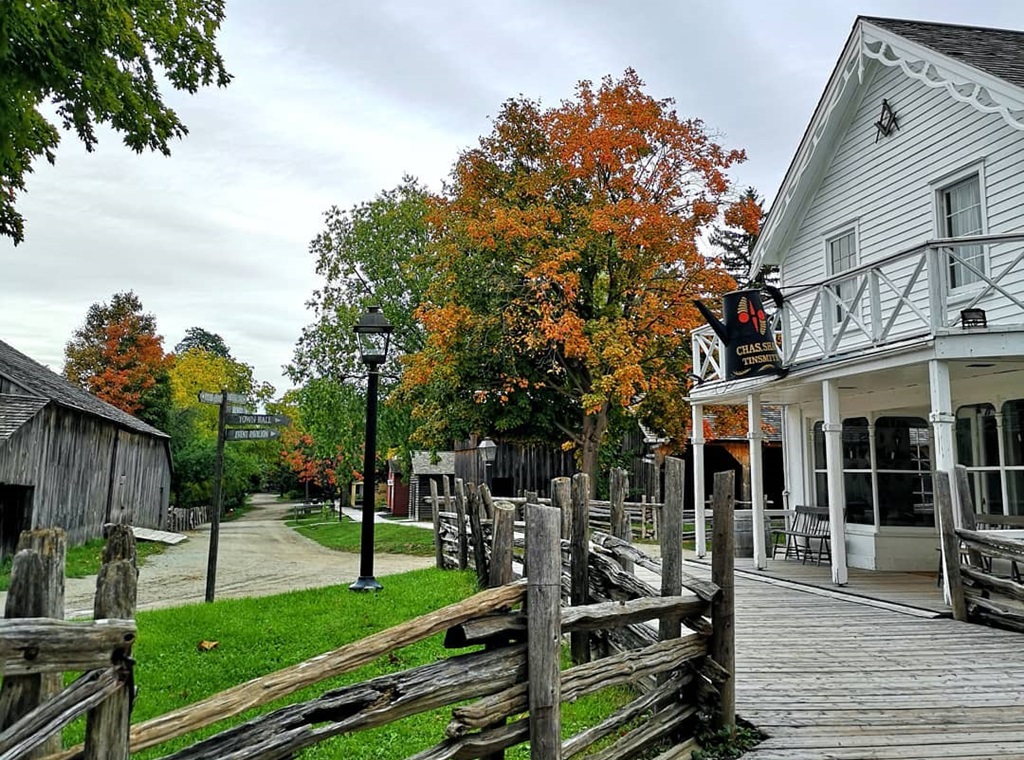
Store

In recent years, the Village has expanded its storytelling to reflect a broader and more inclusive narrative of the region’s past. This includes collaborations with Indigenous scholars, artists, and community members through initiatives such as the “Changing the Narrative” project, which seeks to acknowledge Indigenous histories and perspectives alongside settler experiences.
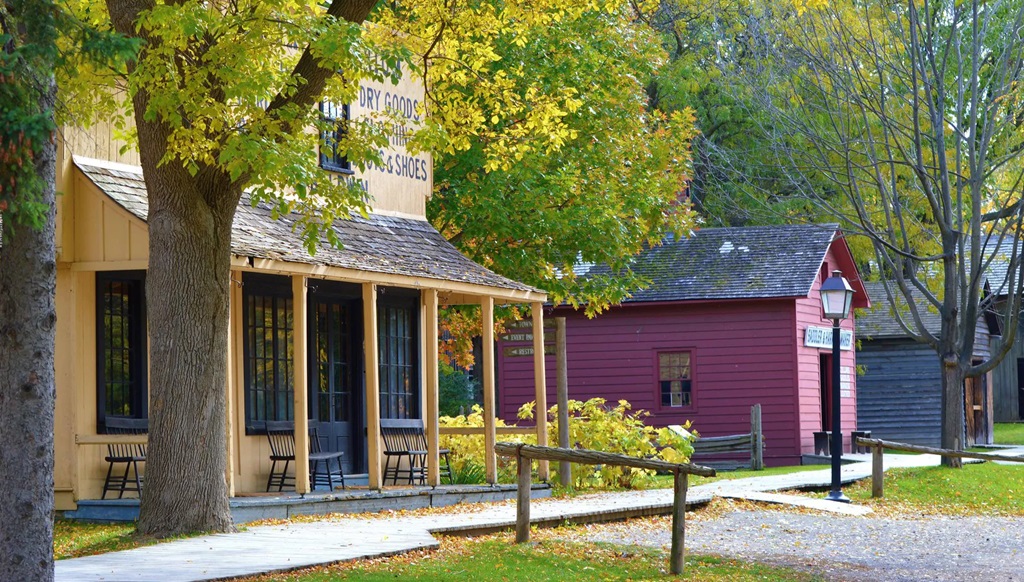
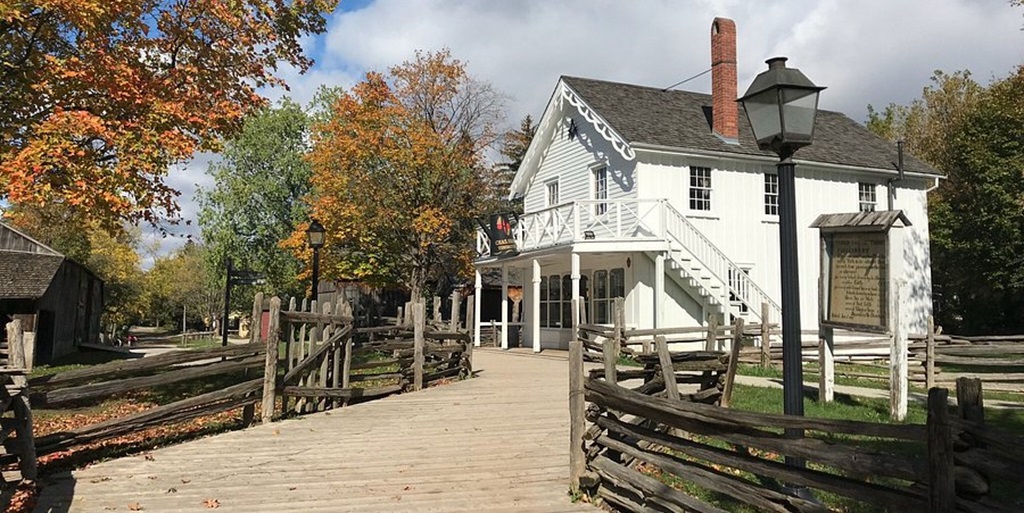
Dry Goods Store - The Village at Black Creek

Agriculture at the Heart of the Story

Agriculture is a central theme at The Village at Black Creek, reflecting the realities of rural life in Ontario during the 1800s. Many of the heritage buildings originally functioned as farm structures or trades related to agricultural communities, including barns, workshops, and mills that supported daily rural operations. Interpreters demonstrate how grain was milled, animals were tended, and farm tasks were carried out, offering visitors insight into the rhythms of seasonal work that shaped family and community life.

Wooden Walkway

Heritage breed animals and period gardens, often cultivated with heirloom plants and heirloom crops, further illustrate how agriculture provided food, materials, and livelihoods for rural families. Through demonstrations of historical farm practices and agricultural crafts, the Village connects visitors with the agricultural foundations of Ontario’s development.

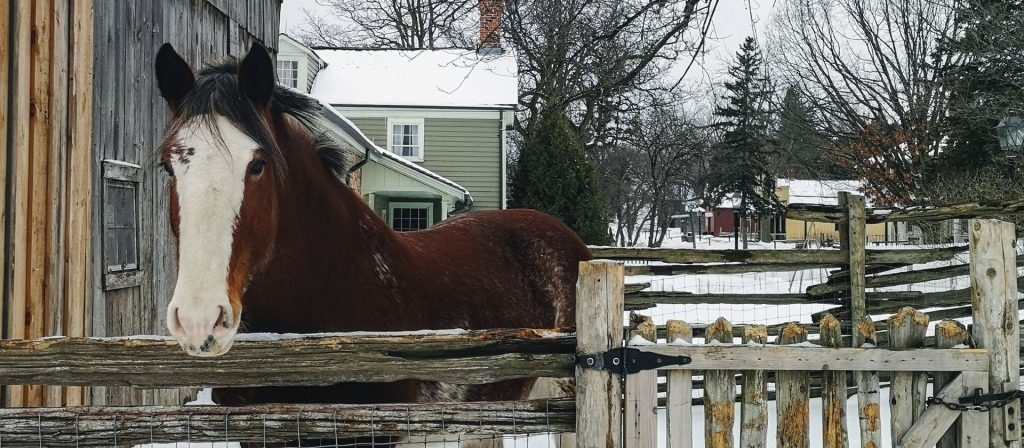
Horse at Fence - The Village at Black Creek

By placing agriculture at the centre of its interpretation, The Village helps guests understand how crops, livestock, and rural industries formed the backbone of everyday life in early Ontario, and how those traditions have influenced the province’s rural landscape over time.

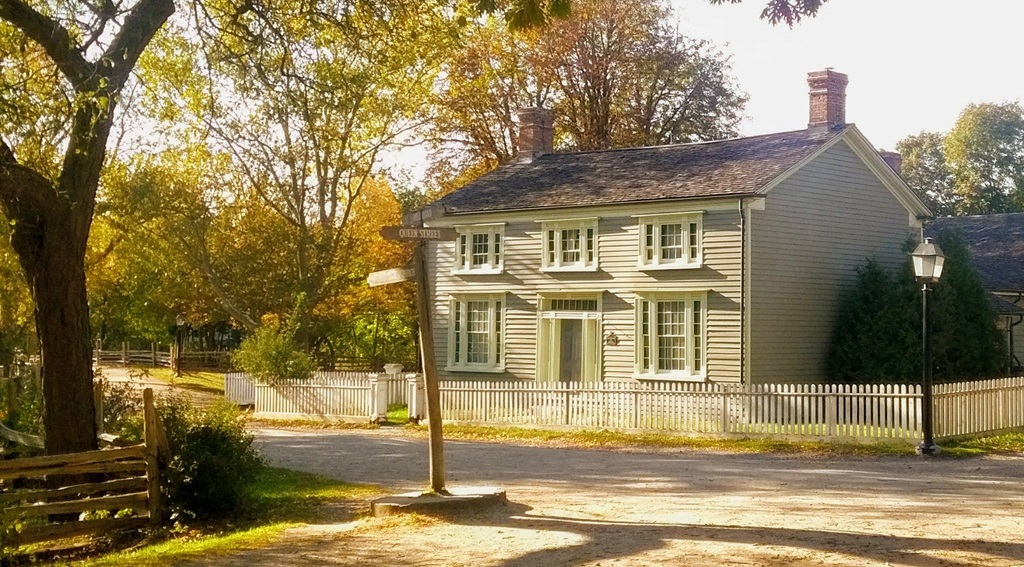
House

Rooted in the Local Community

The Village at Black Creek is an integral part of Toronto’s cultural and educational landscape. It hosts seasonal programming, hands-on activities, and special events that engage school groups, families, and heritage enthusiasts. The site’s proximity to the Pioneer Village TTC subway station makes it easily accessible for visitors from across the Greater Toronto Area.

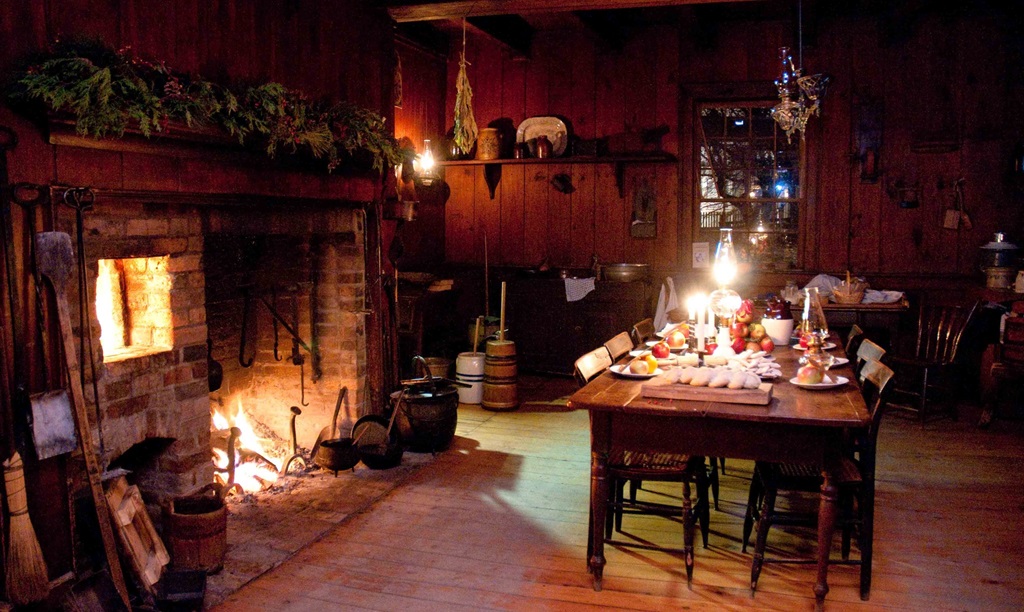
Inside Home - The Village at Black Creek

Community engagement extends beyond standard tours. Initiatives such as Indigenous-focused programming during National Indigenous History Month bring local voices and creative perspectives to the forefront, fostering inclusive storytelling and cultural dialogue.

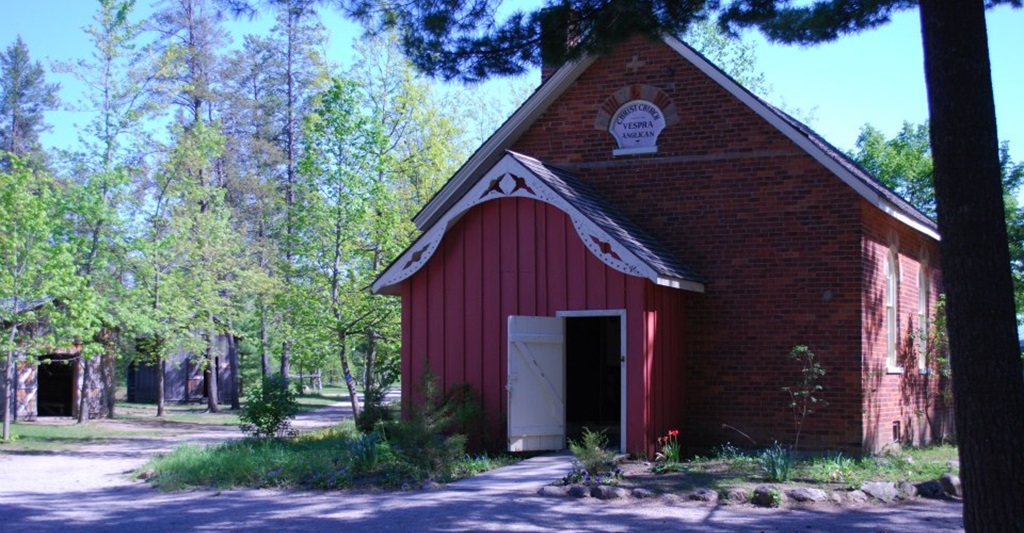
Church

Through its blend of historic preservation, agricultural interpretation, and community programming, The Village at Black Creek continues to serve as a gathering place for learning, reflection, and connection with Ontario’s rural heritage. It illustrates how everyday life, work, and culture were shaped by the land and the people who lived on it, making it a meaningful part of Ontario’s agritourism heritage.

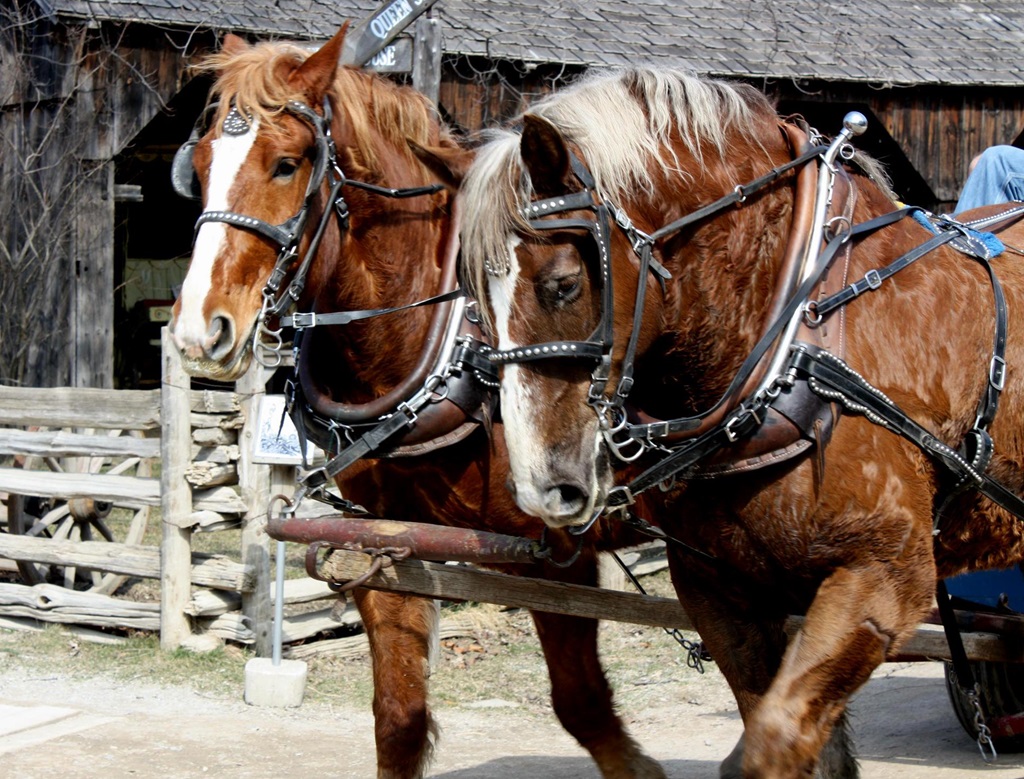
Heavy Horse Team