

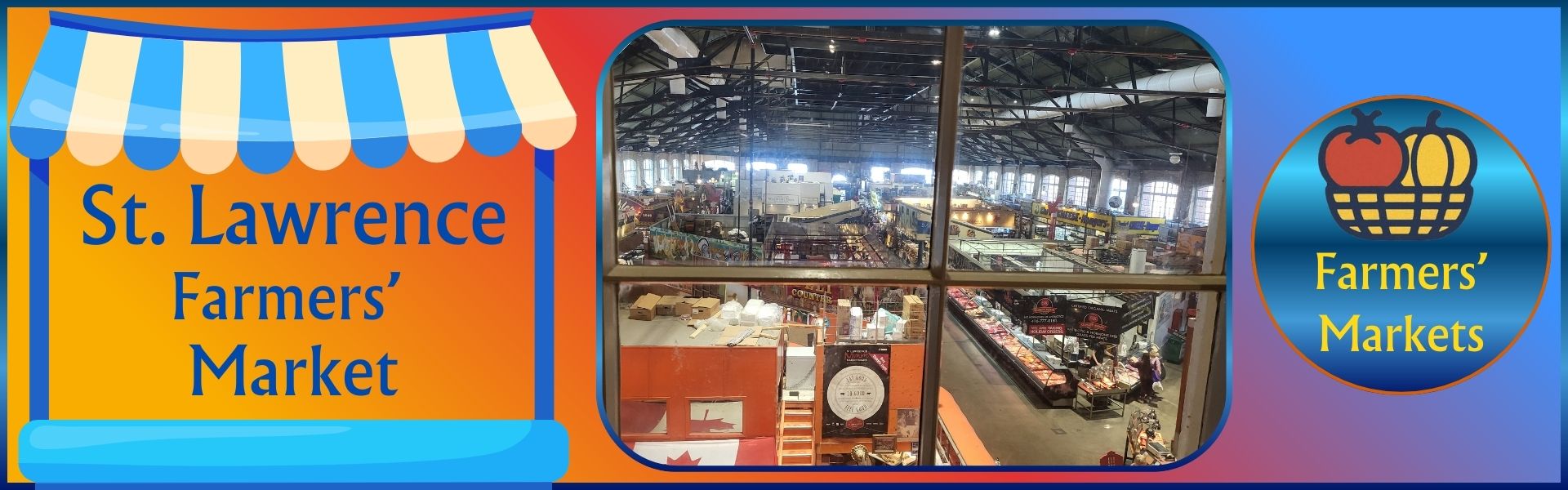



The St. Lawrence Farmers’ Market is one of Canada’s oldest and most iconic farmers’ markets, and a cornerstone of downtown Toronto’s food culture. With roots dating back to 1803, the market has served generations of residents, chefs, farmers, and visitors—connecting urban life with Ontario’s agricultural regions for more than two centuries.
Located within the historic St. Lawrence Market complex, the farmers’ market continues a long tradition of bringing fresh, locally produced food directly to the people.
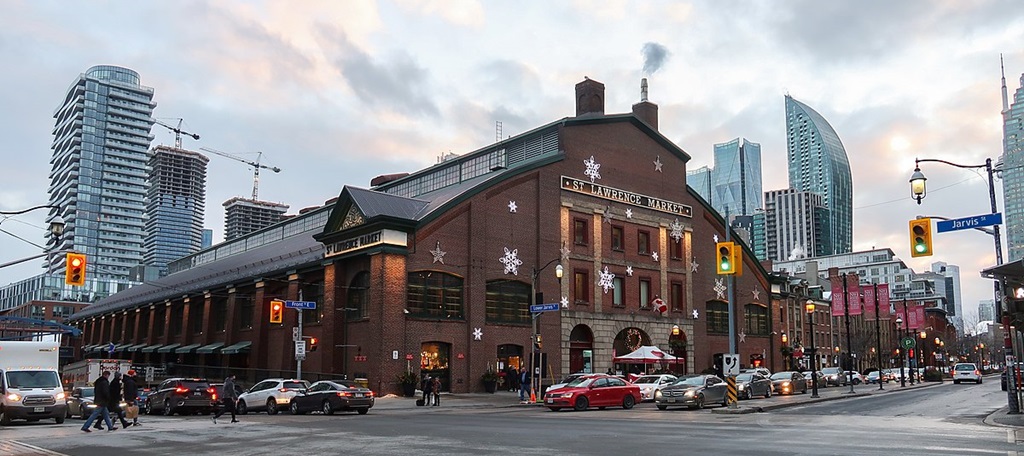
The origins of the St. Lawrence Farmers’ Market are inseparable from the early history of York (now Toronto). In the early 19th century, the town established a designated public market where farmers from surrounding townships could sell produce, meat, dairy, and baked goods. This market system helped ensure food access, supported rural economies, and created a civic gathering place at the heart of the growing settlement.
Over time, as Toronto expanded, the market evolved—but its mission remained the same: supporting farmers and feeding the city.
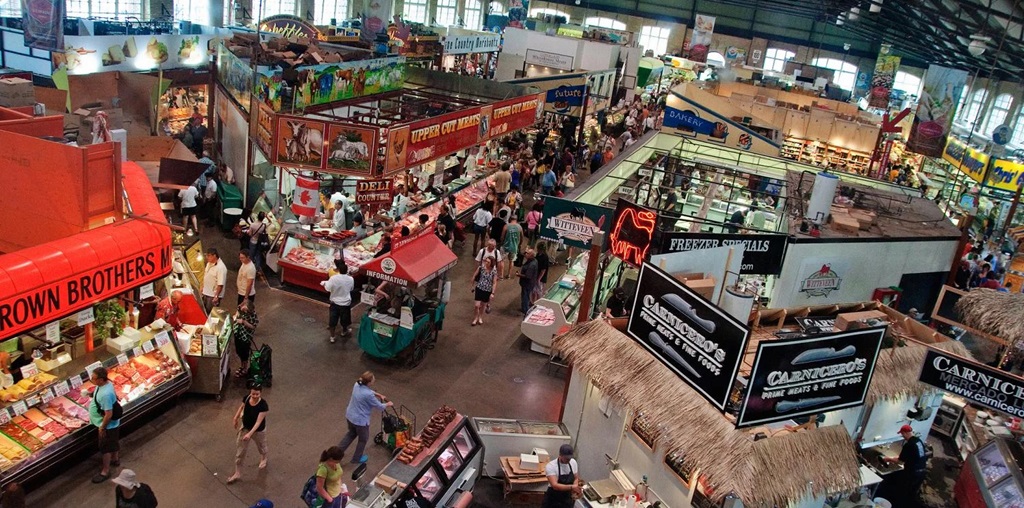
Today, the St. Lawrence Farmers’ Market operates primarily on Saturdays, when Ontario farmers and rural producers sell their goods directly to customers. This distinct farmers’ market operates alongside—but separately from—the daily indoor market vendors, preserving the traditional farmer-to-consumer experience.
The focus remains on Ontario-grown and Ontario-made products, reflecting the market’s long-standing commitment to authenticity, quality, and regional agriculture.
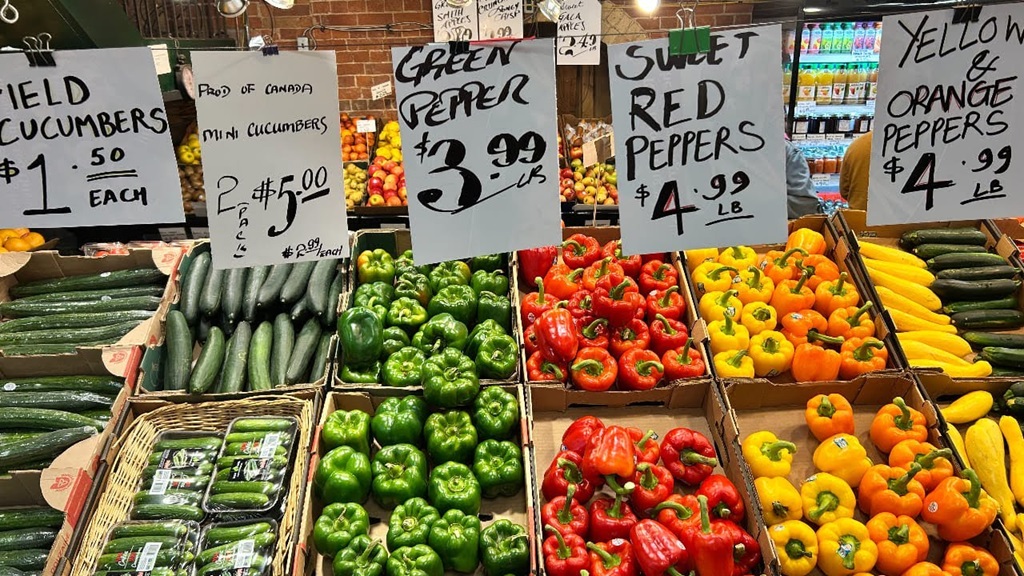
The farmers’ market highlights the diversity and strength of Ontario’s agricultural sector. Shoppers can expect to find:
This direct connection between producers and consumers builds trust, transparency, and appreciation for where food comes from.
Beyond commerce, the St. Lawrence Farmers’ Market is a cultural institution. It has long served as a meeting place where stories are exchanged, traditions are shared, and Toronto’s diverse population connects over food. Farmers return week after week, building relationships with customers who value knowing the people behind their food.
The market’s influence reaches far beyond its stalls, shaping Toronto’s reputation as a city that values food, history, and community connection.
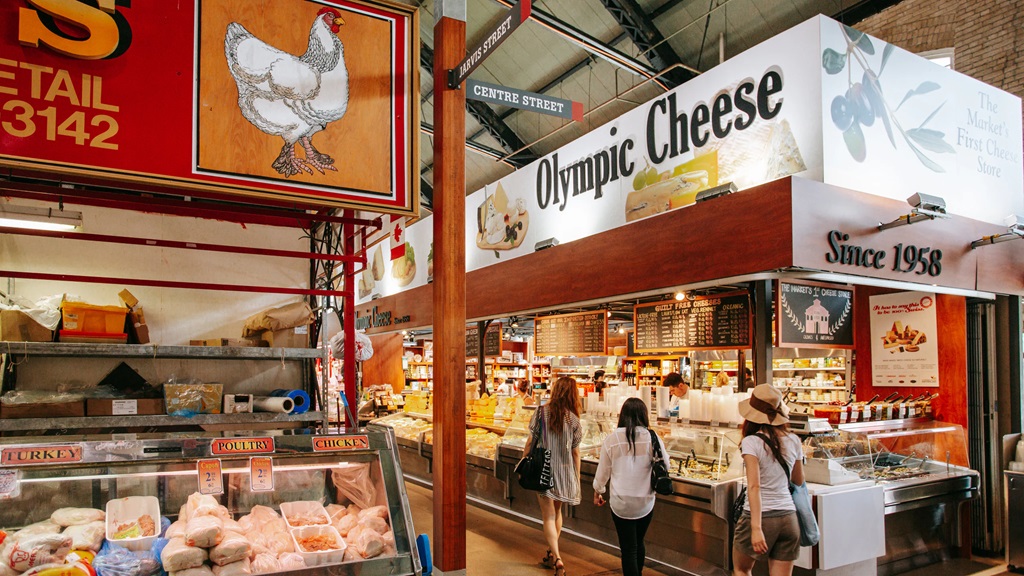
More than 220 years after its beginnings, the St. Lawrence Farmers’ Market remains a vital link between urban Toronto and rural Ontario. It continues to support local agriculture, preserve historic market traditions, and offer an authentic farmers’ market experience in the heart of Canada’s largest city.



As Canada’s largest city, Toronto is known worldwide for its skyline, diversity, and cultural influence. Yet beneath its modern towers and bustling streets lies a city deeply shaped by neighbourhoods, waterways, markets, and community gathering places that have anchored Toronto life for centuries.
From its earliest days as a small colonial settlement to its role as a global metropolis, Toronto has always been a city built around connection.
Toronto’s story begins along the shores of Lake Ontario, where Indigenous peoples lived, traded, and travelled long before European settlement. The city later grew as a key port, transportation hub, and commercial centre—its development shaped by waterways, railways, and immigration.
Markets, including the St. Lawrence area, played a crucial role in this growth, ensuring food access and creating social spaces where communities could gather.
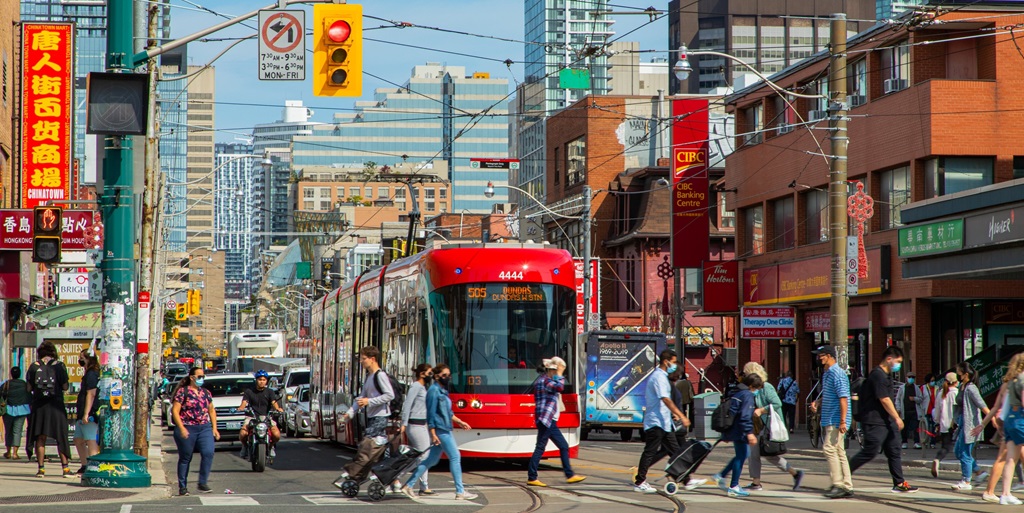
Toronto is a city of neighbourhoods, each with its own character and rhythm. From historic districts to vibrant cultural enclaves, these neighbourhoods form the backbone of daily life—where people shop locally, meet neighbours, and participate in community traditions.
Public markets, local main streets, and gathering spaces remain central to how Torontonians experience their city.
Food has always been a defining element of Toronto’s identity. Generations of farmers, fishers, bakers, and merchants have supplied the city through public markets, independent shops, and neighbourhood businesses.
The St. Lawrence Farmers’ Market stands as one of the strongest examples of this tradition—linking modern Toronto with its agricultural and culinary roots.
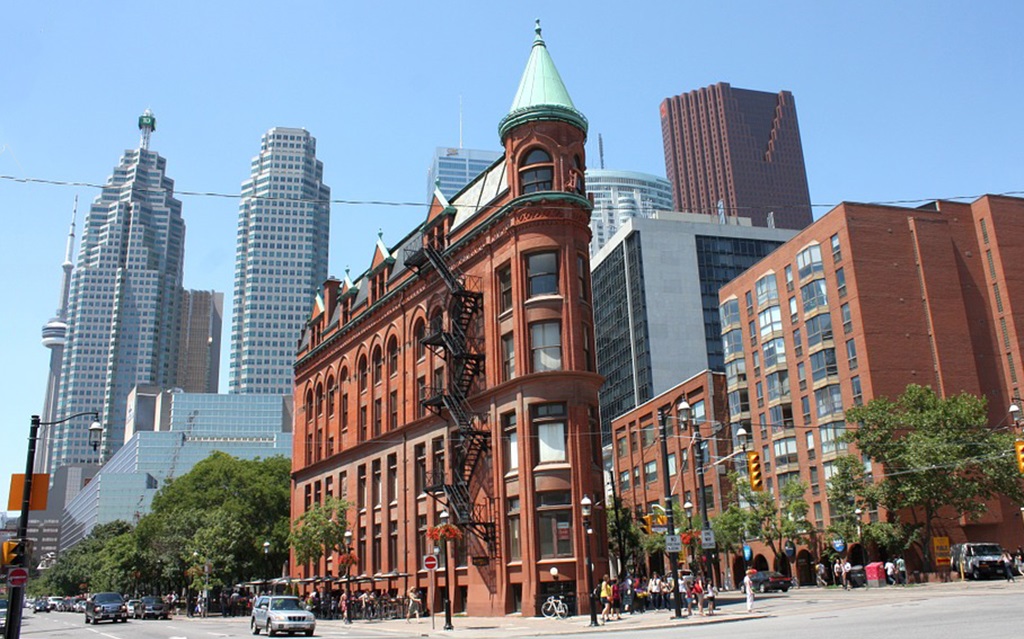
Toronto’s cultural richness comes from its people. With residents representing communities from around the world, the city thrives on diversity, creativity, and shared experiences. Festivals, neighbourhood events, markets, and public spaces bring people together across cultures and generations.
Despite its size, Toronto continues to value local connections—where small moments of community matter.
As Toronto continues to grow, it also works to preserve the places that tell its story. Historic buildings, heritage districts, waterfront spaces, and long-standing institutions help maintain continuity between past and present.
Markets like St. Lawrence remain living reminders of how the city began—and why community gathering places still matter.

Together, Toronto and the St. Lawrence Farmers’ Market reflect shared values:
Whether navigating busy downtown streets, exploring historic districts, or spending a Saturday morning at the St. Lawrence Farmers’ Market, Toronto offers an experience rooted not just in scale—but in connection. It is a city where global influence and local traditions continue to thrive side by side.