

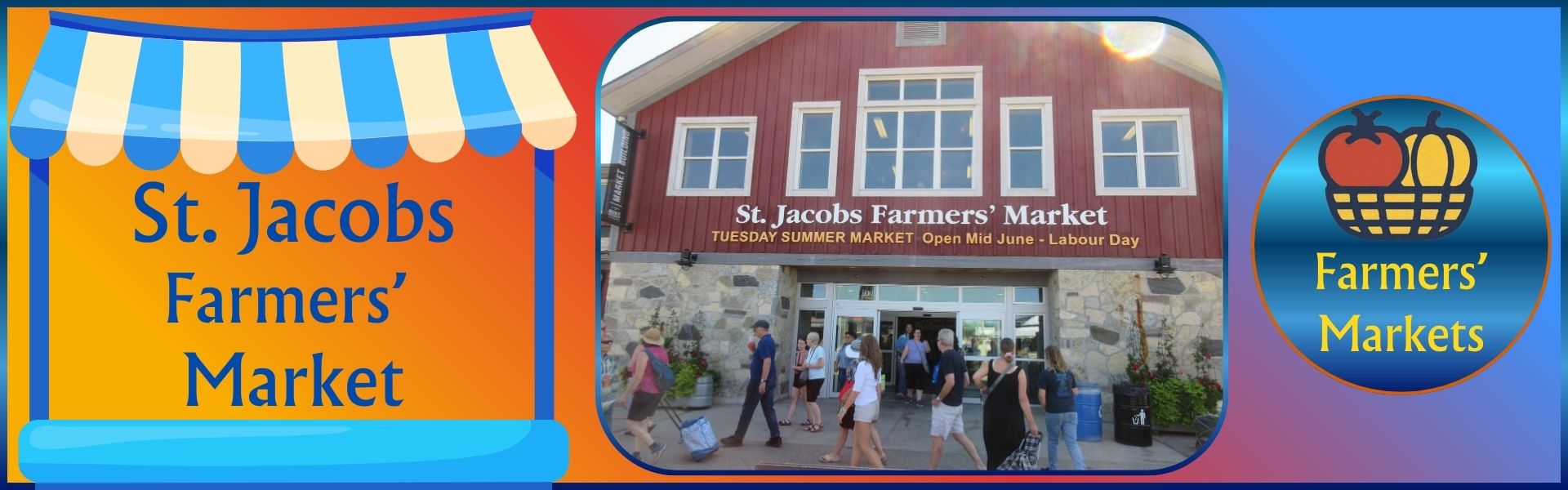



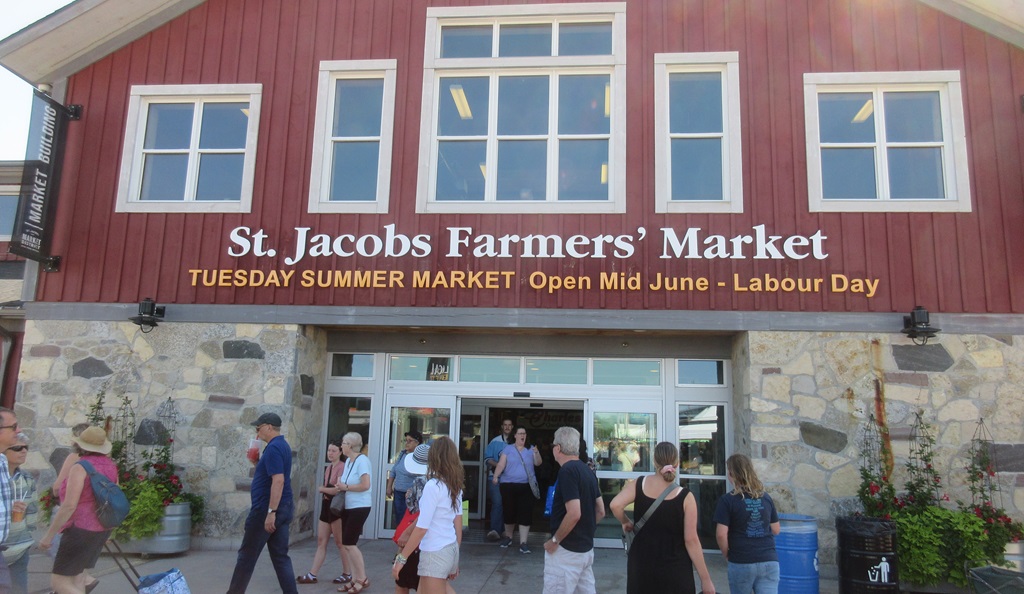
The St. Jacobs Farmers’ Market, located just outside the village of St. Jacobs in Waterloo Region, is one of Ontario’s most iconic and best-known farmers’ markets. Established in 1975, the market has grown into Canada’s largest year-round farmers’ market, drawing visitors from across Ontario and beyond to experience local food, rural traditions, and a vibrant market atmosphere.
From its beginnings as a small rural market serving local Mennonite and area farm families, the St. Jacobs Farmers’ Market has become a major agri-tourism destination—while still remaining firmly rooted in local agriculture.
The market was created to give local farmers and producers a direct place to sell their goods to the public. That principle remains at the heart of the market today. Vendors include:
The emphasis on producer-direct sales has helped build lasting trust between vendors and customers.
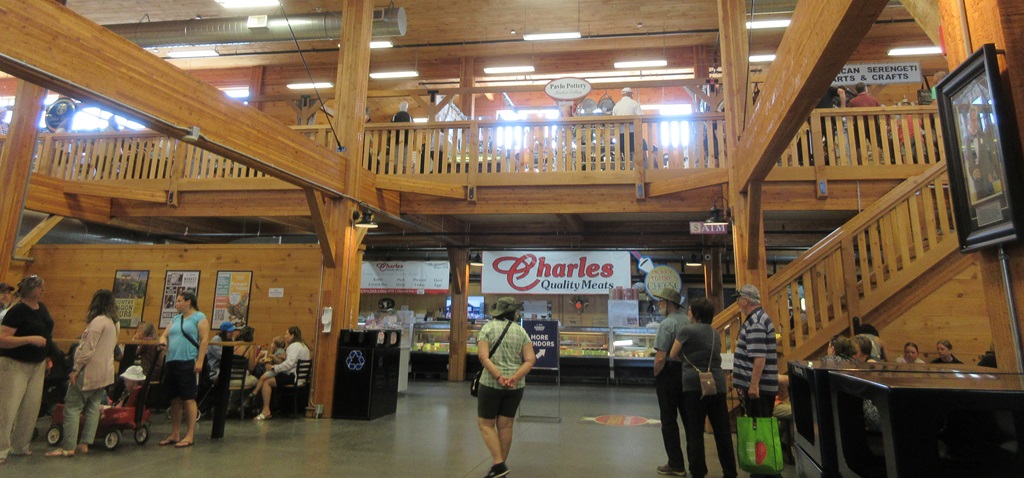
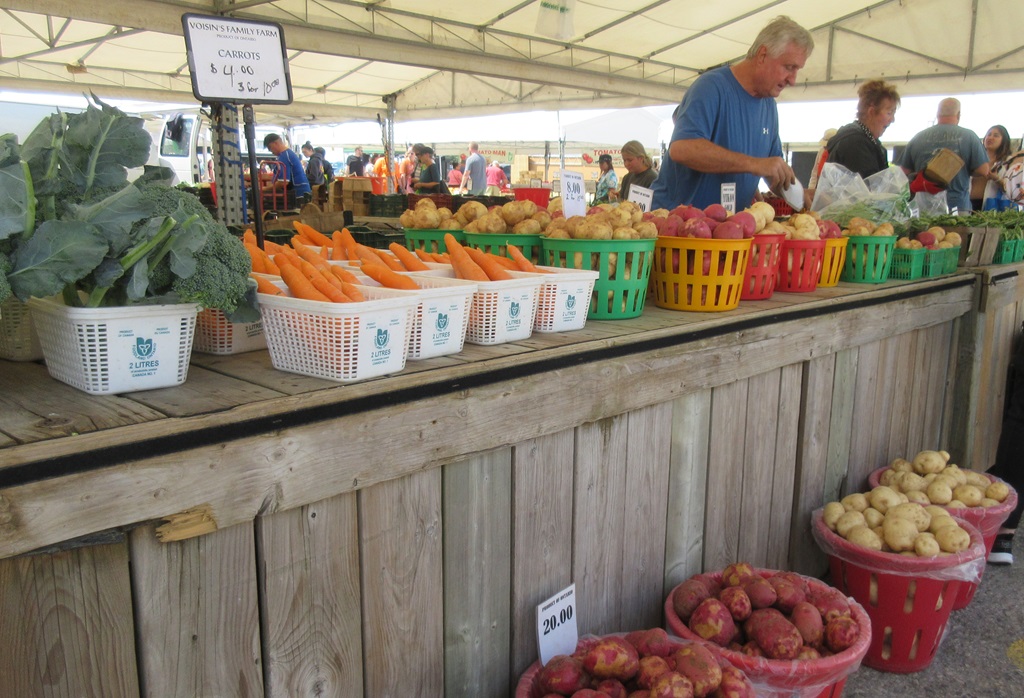
The St. Jacobs Farmers’ Market operates year-round, with peak seasons in spring, summer, and fall when outdoor vendor areas are in full swing. Seasonal rhythms shape the experience—fresh asparagus and strawberries in spring, abundant produce in summer, pumpkins and harvest goods in fall, and specialty foods and baked goods through the winter months.
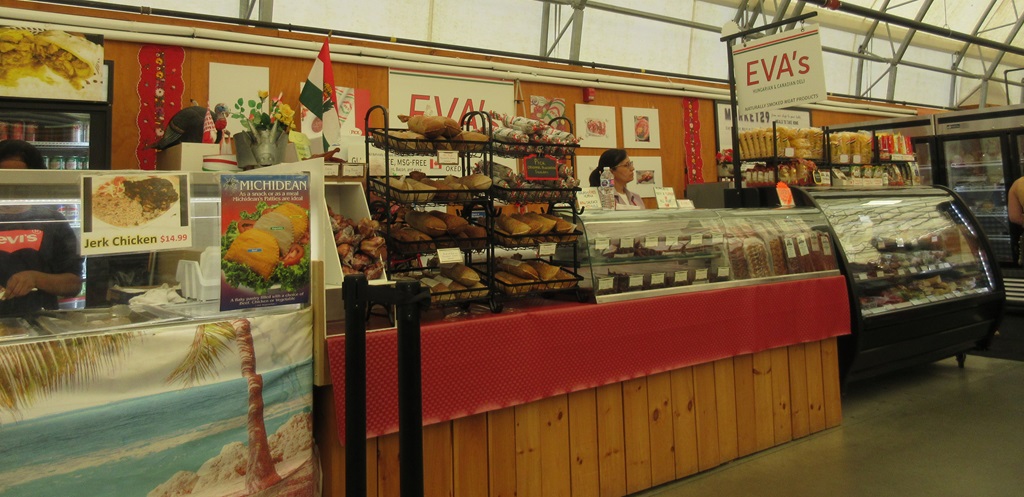
The market’s layout includes permanent indoor buildings as well as extensive outdoor vendor areas, creating a lively, ever-changing environment.
For many visitors, the St. Jacobs Farmers’ Market is as much about atmosphere as it is about shopping. The sights and sounds of the market—horse-drawn buggies, conversations between growers and customers, aromas from food stalls—offer an authentic connection to rural Ontario.
It has become a place where food, farming, tourism, and cultural heritage naturally intersect.
As one of Ontario’s most visited markets, the St. Jacobs Farmers’ Market plays a major role in:
It remains a flagship example of how farmers’ markets contribute to both community life and provincial tourism.



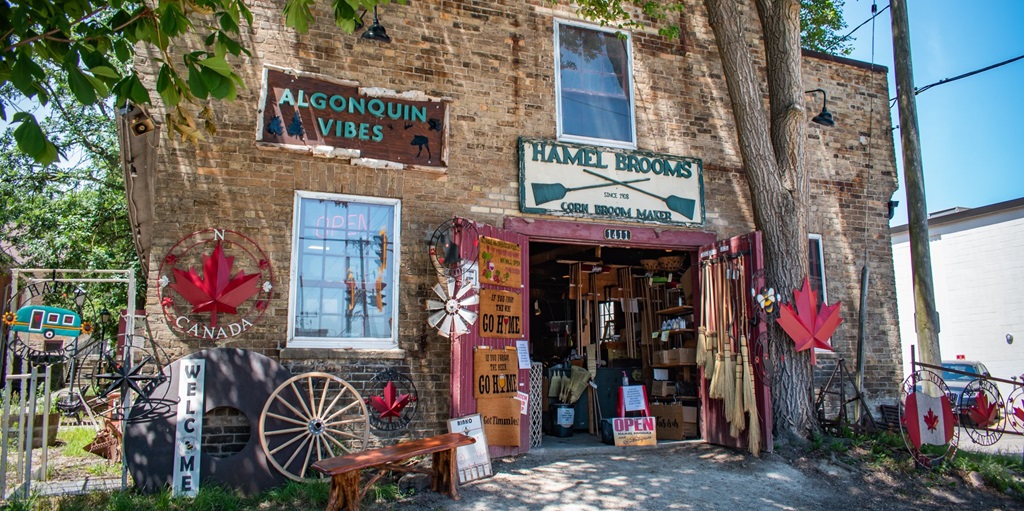
The village of St. Jacobs, located in Waterloo Region, is one of Ontario’s most distinctive rural communities. Known for its deep agricultural roots, Mennonite heritage, and welcoming village atmosphere, St. Jacobs offers a living example of how tradition and modern life can coexist.
While the village itself is small, it sits within a dynamic region that balances farmland, innovation, culture, and tourism.
St. Jacobs was settled in the early 19th century by Mennonite families drawn to fertile land and a way of life centred on farming, faith, and community. Agriculture shaped not only the economy but also the landscape, architecture, and social structure of the area.
That heritage remains visible today in:

The village itself is known for its charming main street, heritage buildings, independent shops, and walkable layout. Visitors are drawn to:
St. Jacobs has become a destination where visitors slow down and reconnect with place.
Beyond the village, Waterloo Region is known internationally for innovation, education, and technology—yet agriculture remains a vital part of its identity. The region supports:
This balance between rural tradition and modern growth makes the region unique in Ontario.
The St. Jacobs Farmers’ Market reflects everything the community stands for:
Together, the market and the community showcase how rural heritage continues to thrive in a modern world.
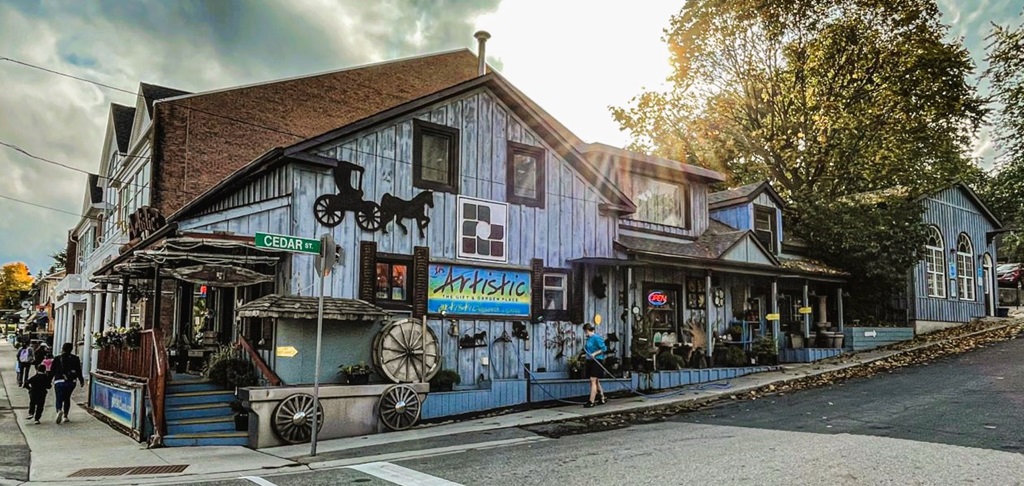
Whether visiting the market, exploring village streets, or driving the surrounding country roads, St. Jacobs and Waterloo Region offer a genuine Ontario experience—one where farming, food, culture, and community remain deeply connected.