
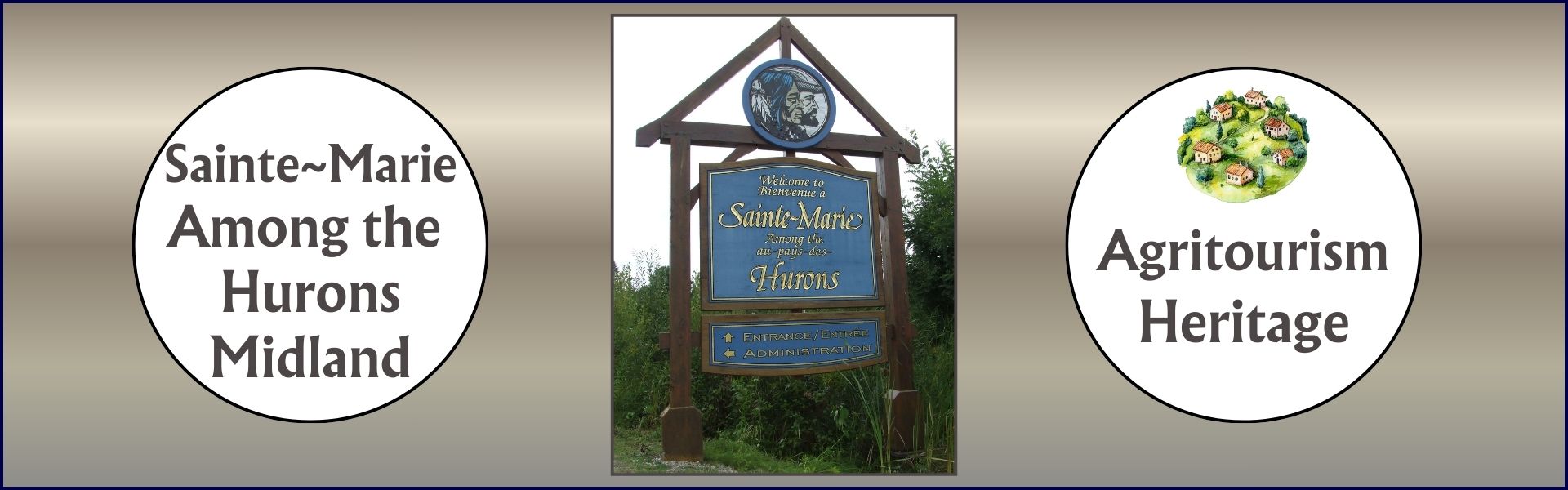




Sainte-Marie among the Hurons


The Heritage Attraction at a Glance & the Story Behind the Site

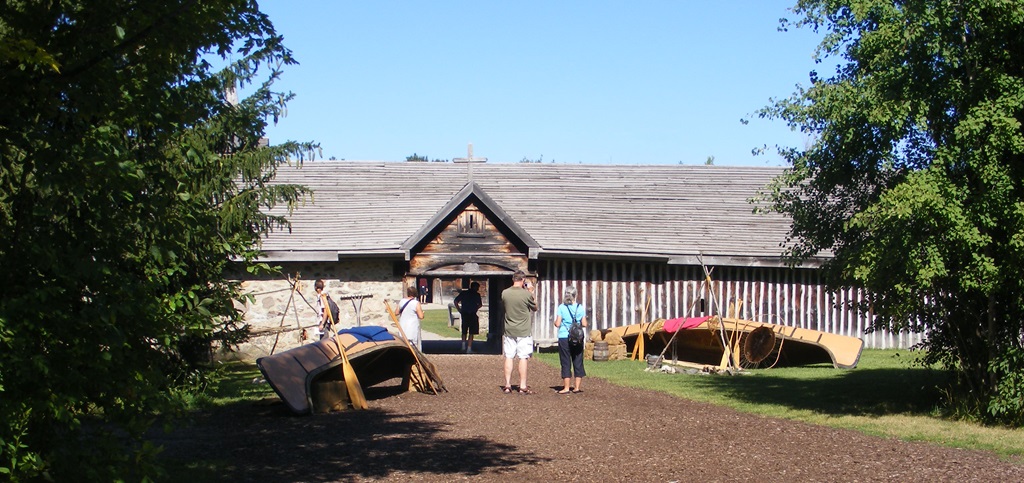
Sainte-Marie among the Hurons is one of Canada’s most significant early historic sites, preserving and interpreting the remains and reconstruction of a 17th-century French Jesuit mission established between 1639 and 1649. Located in Midland on the shores of Georgian Bay, the site offers a rare and immersive look at the earliest sustained interactions between European missionaries and Indigenous peoples in what is now Ontario.
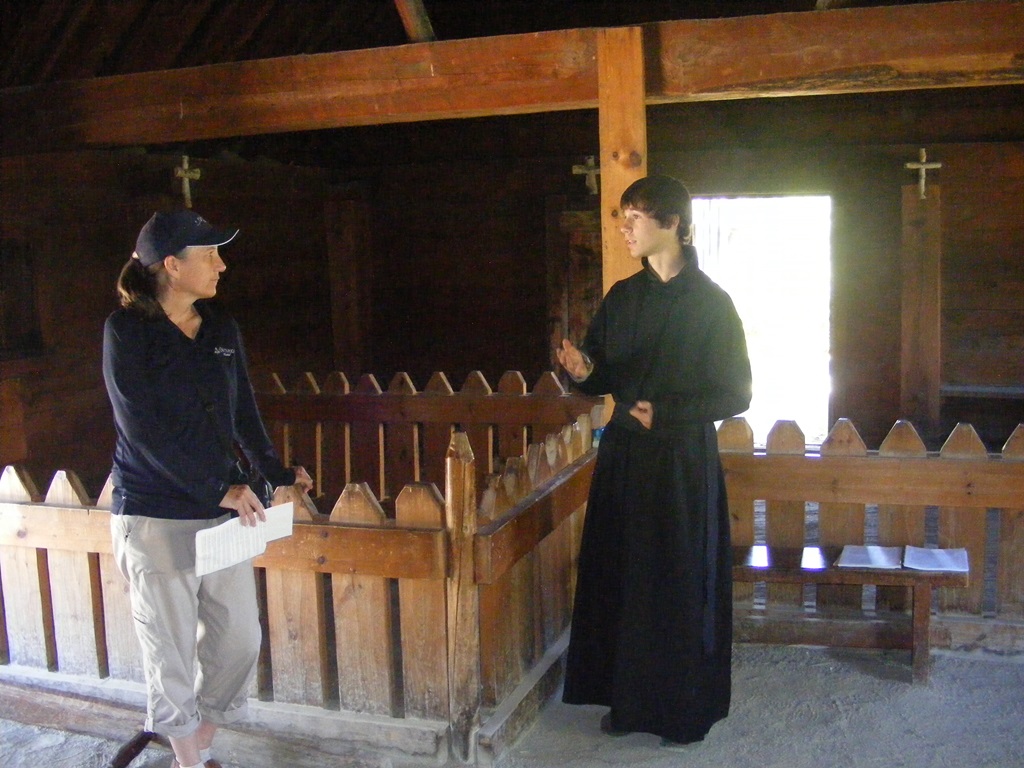
Photo 1

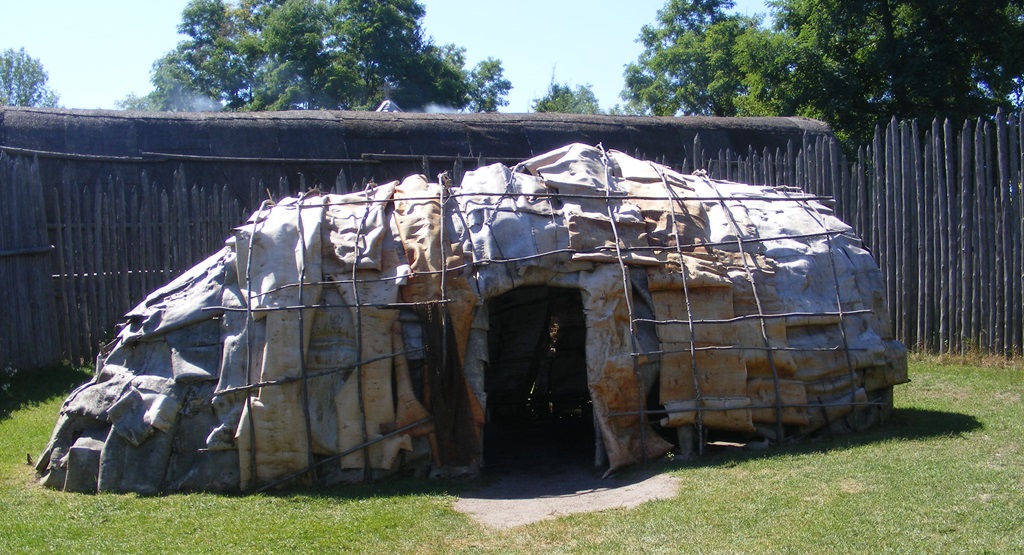
Founded as a mission, community centre, and supply base, Sainte-Marie served as the headquarters for Jesuit efforts among the Huron-Wendat Nation. Today’s site includes reconstructed buildings, archaeological remains, and interpretive exhibits that present daily life, spiritual practices, and the complex cultural exchanges that took place during this period.
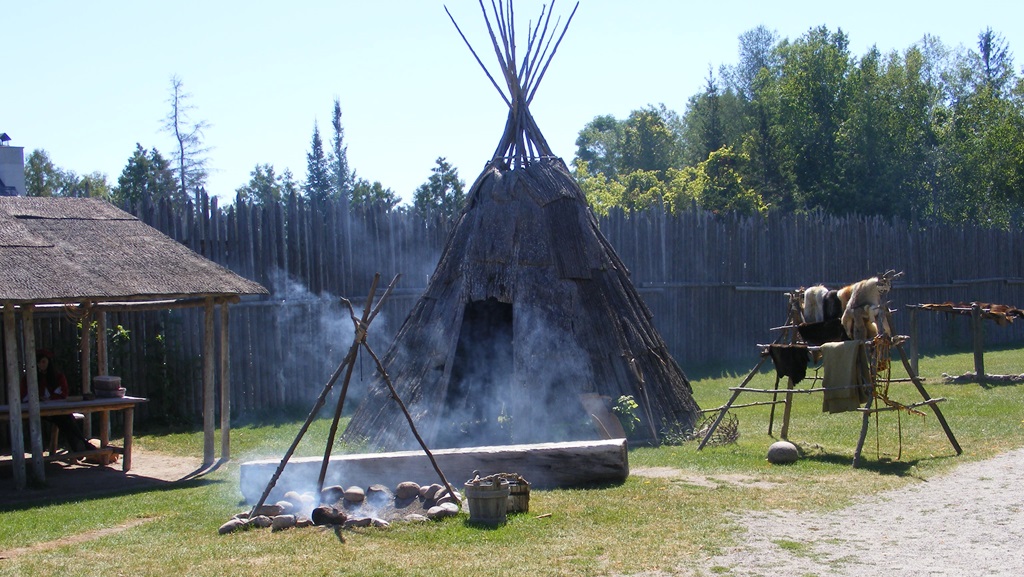
Photo 2

Interpretation at Sainte-Marie places strong emphasis on historical accuracy and balance, acknowledging both Indigenous and European perspectives. The site recognizes that it stands on traditional Huron-Wendat territory and works to present this shared and often difficult history with care, respect, and ongoing dialogue.
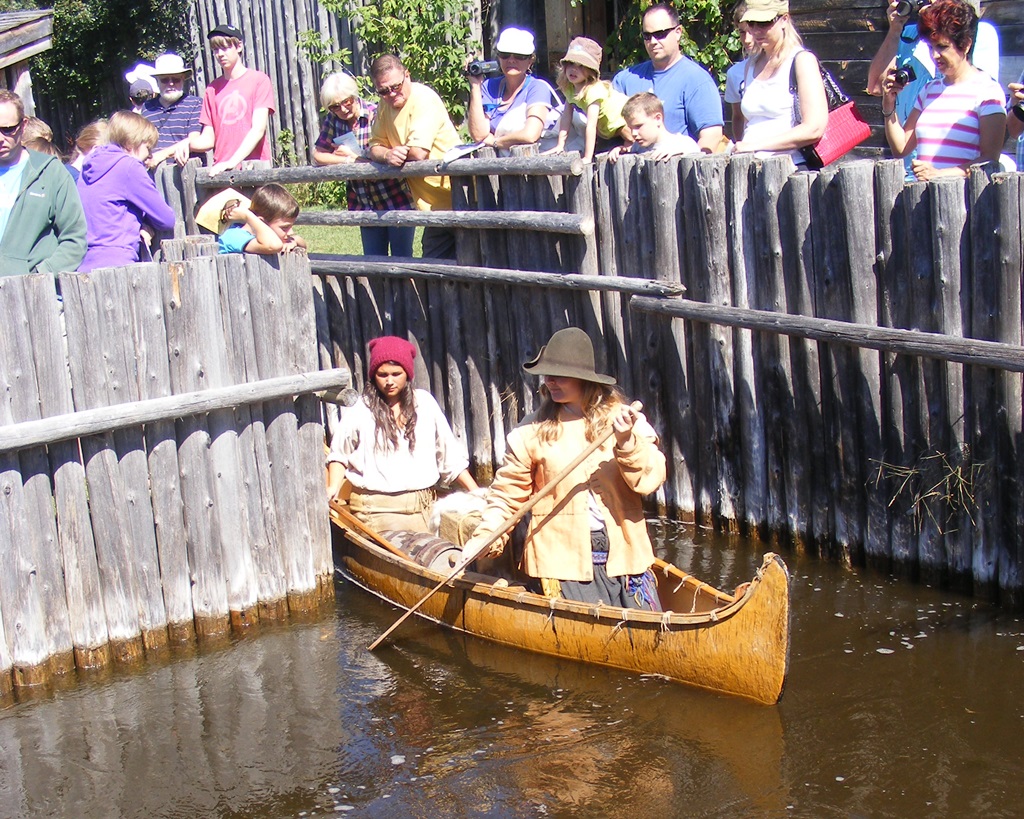
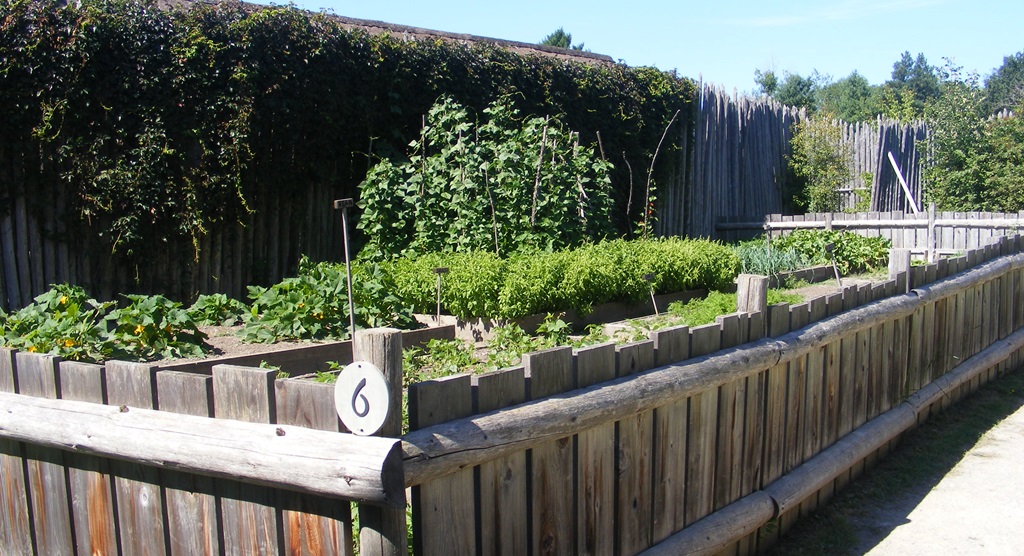
Photo 3

Agriculture at the Heart of the Story

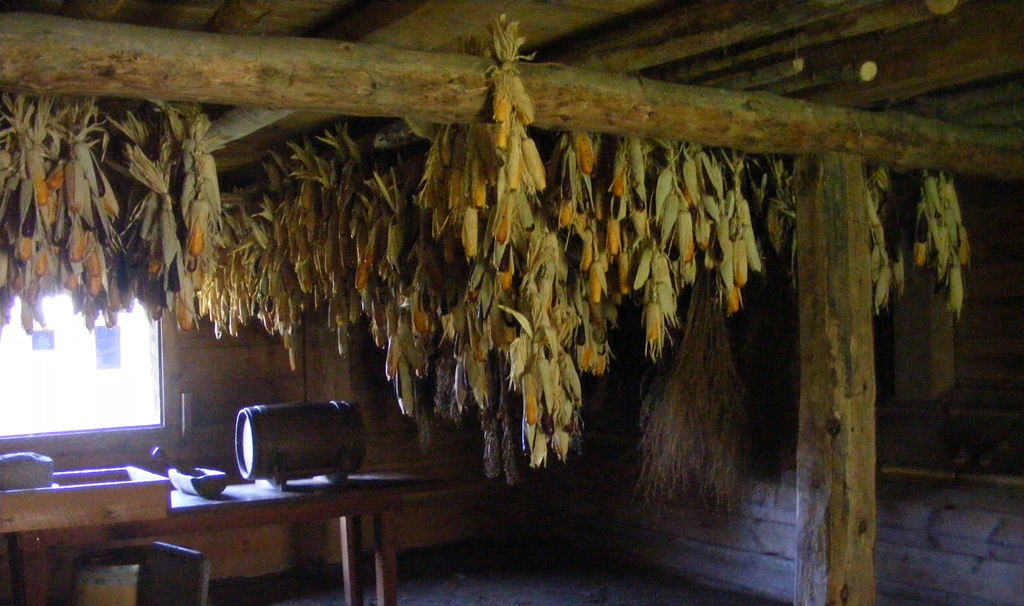
Agriculture played a critical role in sustaining life at Sainte-Marie among the Hurons. The mission relied heavily on food grown locally, particularly crops cultivated using Indigenous agricultural knowledge and practices. Corn (maize), beans, and squash, often referred to as the “Three Sisters”, formed the foundation of the Huron-Wendat food system and were essential to survival in the region.

Photo 4

These crops supported not only Indigenous communities but also the European missionaries, who depended on local agricultural expertise to adapt to the land and climate. Farming, food storage, hunting, fishing, and trade were all interconnected, shaping seasonal rhythms and daily life at the mission.

Photo 5

By interpreting agriculture through both Indigenous and European lenses, Sainte-Marie highlights how deeply food production, land stewardship, and cooperation were tied to cultural exchange and survival in early Ontario.

Photo 6


Rooted in the Local Community

Sainte-Marie among the Hurons is closely connected to the Midland area and the broader Huronia region, serving as a place of education, reflection, and remembrance. The site works collaboratively with Indigenous partners, historians, educators, and cultural organizations to ensure that interpretation reflects multiple perspectives and respects living cultures.

Photo 7

Partnerships and consultation with the Huron-Wendat Nation help guide programming, exhibits, and storytelling, reinforcing the importance of Indigenous voices in sharing this history. Through school programs, special events, and community engagement, Sainte-Marie continues to foster understanding of Ontario’s early history and its lasting impact.

Photo 8

Set within a landscape shaped by centuries of Indigenous land stewardship and early settlement, Sainte-Marie among the Hurons plays a vital role in Ontario agritourism heritage, connecting visitors to the land, the food systems, and the relationships that shaped the province’s earliest chapters.

Photo 9