



Arthur Ontario


A Historic Rural Community Shaped by Agriculture and Connection

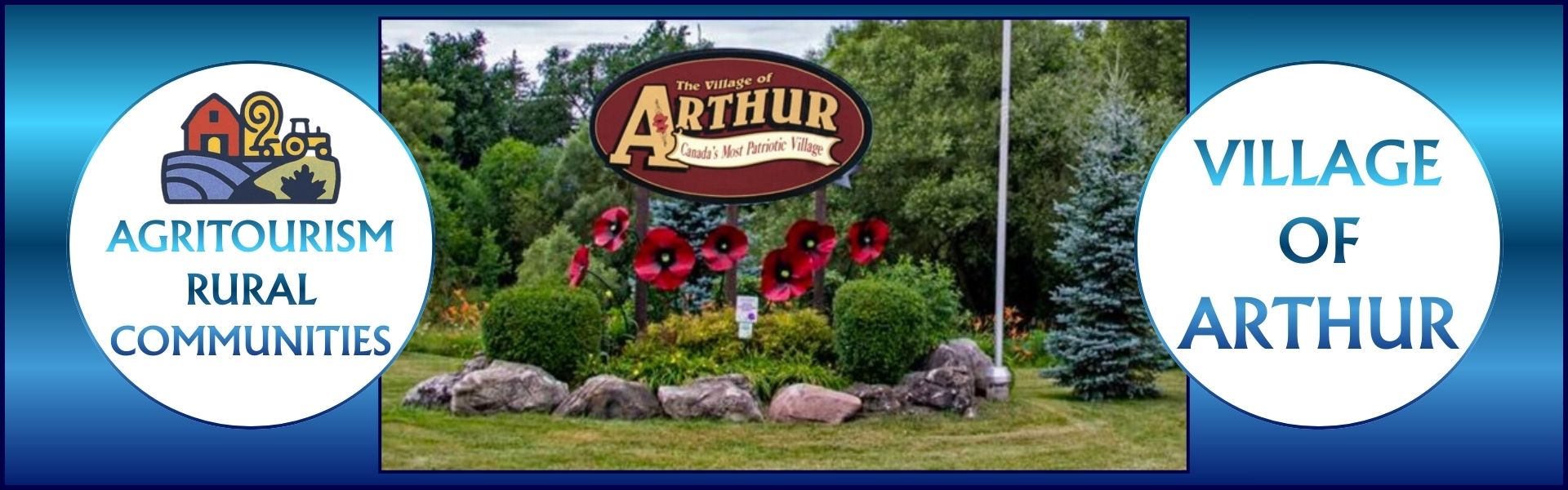
Arthur is a welcoming rural community in Wellington County, located in the Township of Wellington North at the crossroads of Highway 6 and Wellington Road 109, just across the Conestogo River. It has the feel of a classic Ontario “main-street village,” surrounded by open countryside and connected to nearby towns and farm communities that make this part of the province such an easy place to explore.
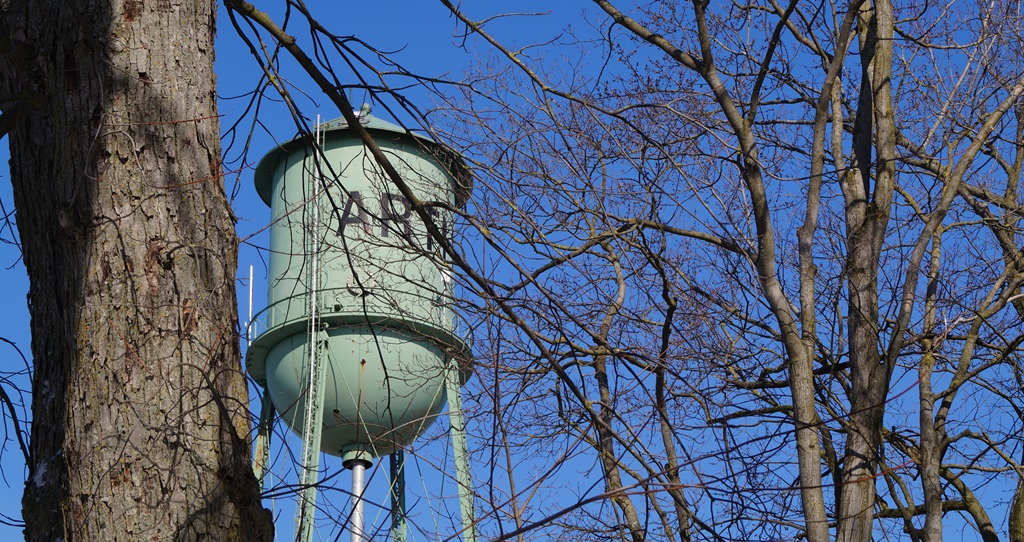
Photo 1

Arthur’s story is closely tied to early settlement and the roads and rivers that shaped rural Ontario. The community is named for Arthur Wellesley, the Duke of Wellington, and grew quickly once settlers arrived in the early 1840s. Arthur was also the southern terminus of the Garafraxa colonization road to Owen Sound, which helped make it a natural stopping point, and a natural market town for the surrounding agricultural area.

Photo 2

The Conestogo River mattered, too. Early saw and grist mills helped fuel Arthur’s growth, followed by key community “firsts” such as a post office in 1851, and the organization of the first church and school. Over time, Arthur developed into an established service centre for local families, farms, and businesses, small enough to feel friendly and personal, but busy enough to keep its community spirit strong. Today, Arthur remains a vibrant population centre, with a 2021 population of 2,628.

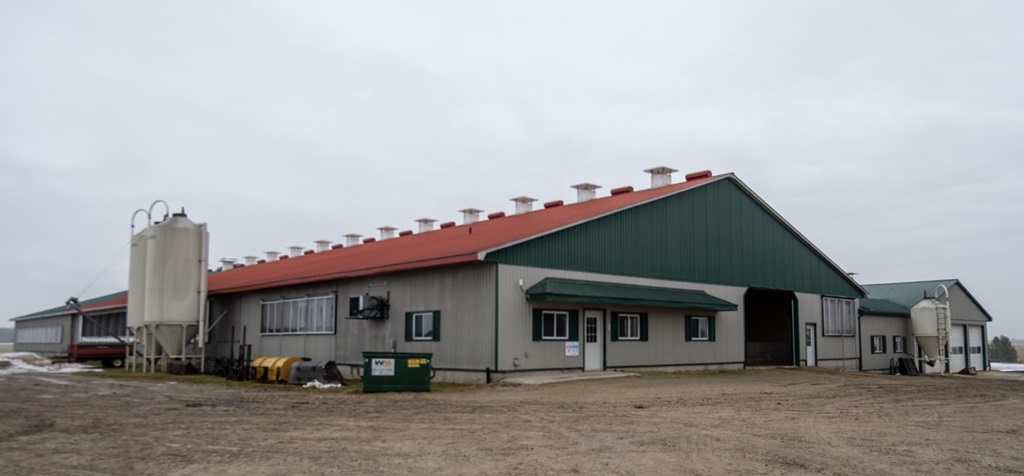
Photo 3

The Local Agricultural Landscape

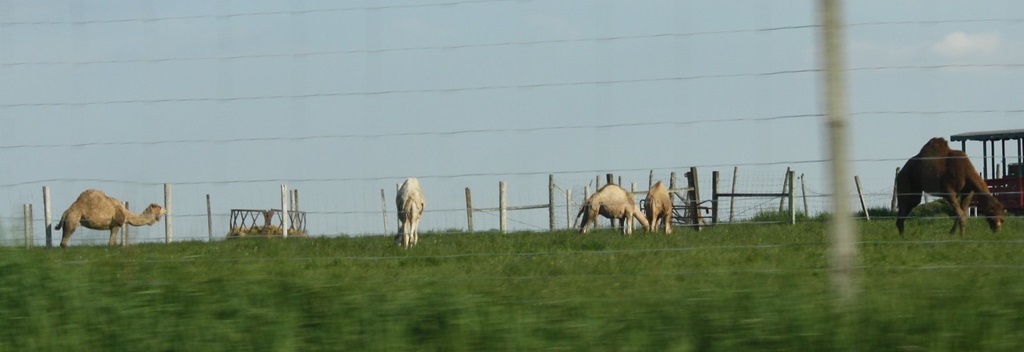
Arthur sits in one of Ontario’s most productive rural regions, where agriculture isn’t just “nearby”, it’s part of everyday life. Wellington North highlights the quality of local farmland, noting that Wellington’s agricultural land includes a high proportion of top-class soil, and that Wellington North has “some of the best soil in Ontario.” That shows up on the landscape in the form of well-tended fields, working barns, and a steady rhythm of seasonal farm activity.

Photo 4

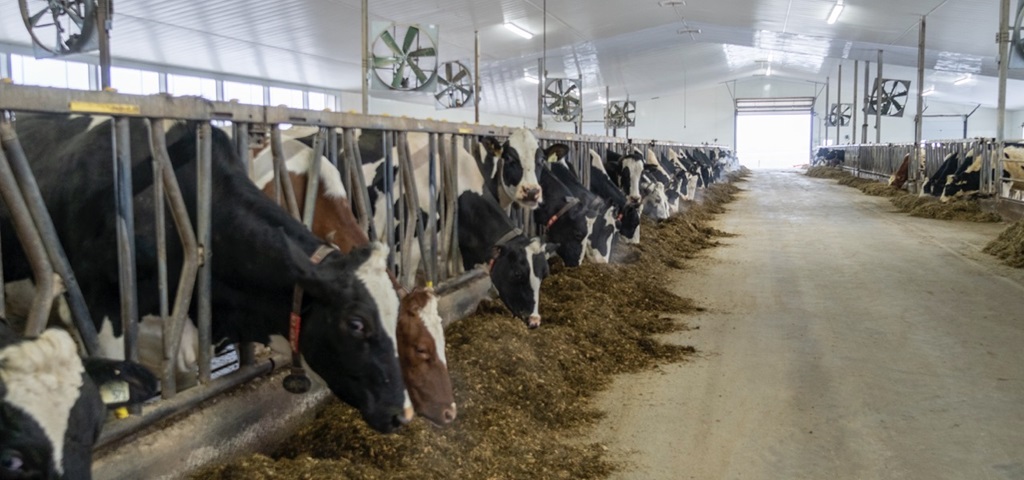
In practical terms, the farms around Arthur reflect what this region does best: a mix of livestock and field-crop agriculture supported by strong rural infrastructure and generations of know-how. Wellington County is widely recognized for its strength in both crop and livestock production, especially in dairy, poultry/eggs, and grains/oilseeds, which helps explain why communities like Arthur continue to thrive as year-round agricultural hubs.

Photo 5

For visitors exploring agritourism, that means the “farm story” around Arthur is easy to see and easy to appreciate. You’re in a place where local food is not a trend, it’s tradition. Depending on the season, you’ll often find roadside stands, farmgate sales, and small rural businesses that turn local products into everyday treats (think baking, preserves, maple products, and fresh seasonal harvests). And when community events roll around, agriculture moves from the background to centre stage, celebrated proudly through rural gatherings that keep local skills, crafts, and farm culture visible and valued.

Photo 6

And Here’s the Rest of the Story…

Every community has a few stories that don’t always make guidebooks, this is one of them.

Before Arthur became a settled village, it earned its place on the map as a key stopping point along the Garafraxa colonization road, one of Ontario’s most ambitious early road-building projects. What many don’t realize is that Arthur wasn’t just a pass-through—it was deliberately positioned as the southern anchor of the route to Owen Sound. Travellers, settlers, and supplies converged here, giving Arthur an outsized importance for a village of its size. In many ways, Arthur grew because people had to stop here, whether they planned to or not.

Photo 7