









Ontario Agricultural Fairs at a Crossroads
“Why Community Support Matters More Than Ever”
Across Ontario, agricultural fairs have long been woven into the fabric of rural life. For more than a century, many fairs have celebrated farming, food, youth achievement, craftsmanship, and community spirit.
Yet today, some fairs are facing growing challenges.
In certain communities, municipal financial support has been reduced or withdrawn. Long-standing service arrangements are being re-evaluated. New regulations and increased fees are placing additional strain on volunteer-run organizations. In rare but concerning situations, fairgrounds are being repurposed for other municipal uses.
At the same time, community identity is evolving. As rural populations change and urban growth expands, some communities are feeling less directly connected to their agricultural roots. Fairs — once viewed as essential — are sometimes perceived as optional.
These trends raise an important question:
What happens to a community when its fair disappears?
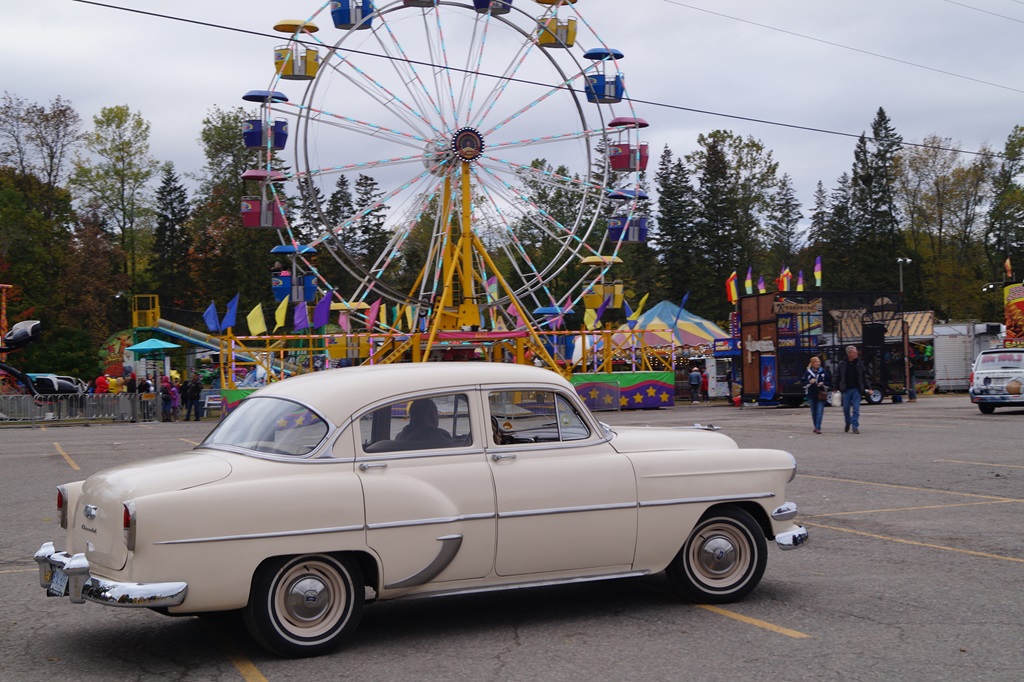
Elmvale Fall Fair
More Than an Event
Agricultural fairs are not simply annual celebrations.
They are:
- Showcases of local farming and food production
- Educational platforms for youth
- Gathering places for generations
- Economic drivers for small businesses
- Tourism anchors in rural Ontario
- Training grounds for future leaders
Organizations such as the Ontario Association of Agricultural Societies represent hundreds of fairs across the province, many of which have histories stretching back 100 to 175 years.
These events are living institutions.
When financial strain increases and operational barriers grow, it is not merely a scheduling inconvenience — it threatens continuity.
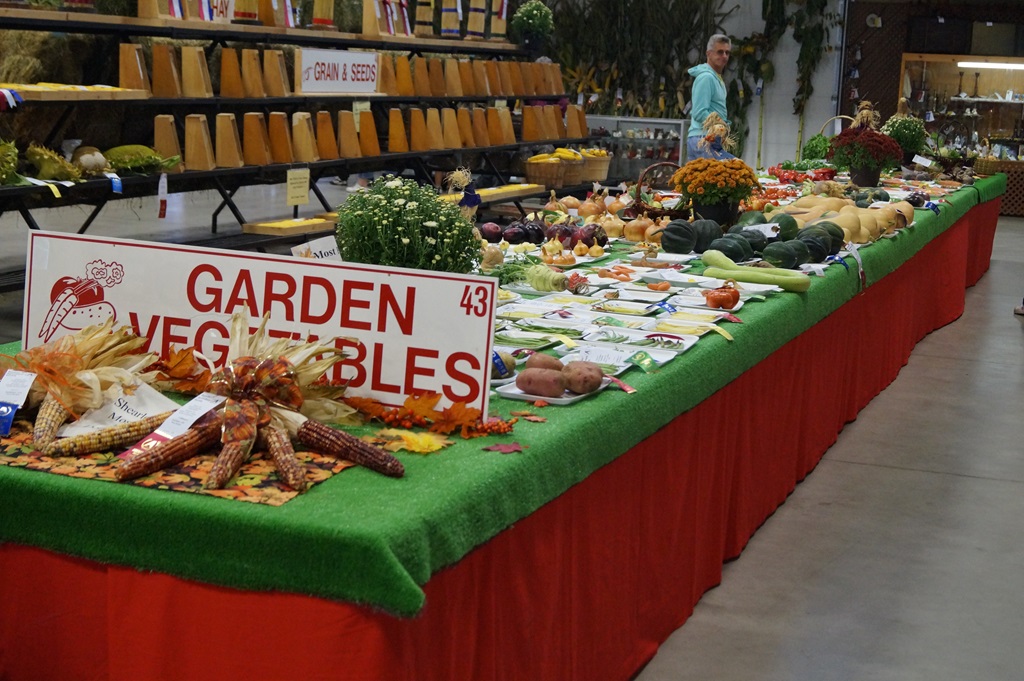
Ancaster Fair
The Financial Reality
Most agricultural fairs operate as not-for-profit organizations, led largely by volunteers. Revenue typically comes from:
- Gate admissions
- Vendor fees
- Sponsorships
- Grants
- Municipal support
When municipal funding is reduced or eliminated, the impact is immediate. When service costs increase — policing, sanitation, infrastructure, insurance, utilities — the pressure intensifies.
Unlike commercial festivals backed by corporate investors, agricultural fairs are community driven. Their margins are often narrow.
Increased regulatory requirements, while often well-intentioned, can add layers of administrative and financial burden that volunteer boards struggle to manage.
Financial strain can also discourage new volunteers from stepping forward, particularly younger community members who may already feel disconnected from agricultural traditions.
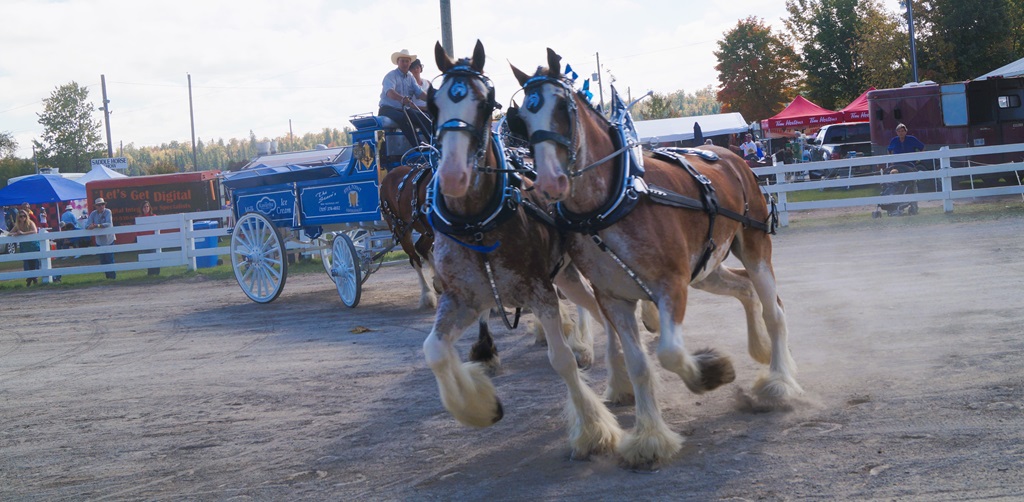
Bobcaygeon Fall Fair
The Erosion of Community Identity
Perhaps more concerning than financial pressure is the gradual weakening of community identification with agricultural heritage.
Ontario’s rural communities were built on farming. Fairs historically celebrated harvests, livestock excellence, homecraft skills, and youth agricultural programs such as 4-H.
As communities diversify and urbanize, agricultural literacy can decline. New residents may not fully understand the role of fairs in local history. Without intentional engagement, fairs risk being viewed as outdated rather than foundational.
When a fair loses community identification, it loses more than attendance.
It loses advocacy.
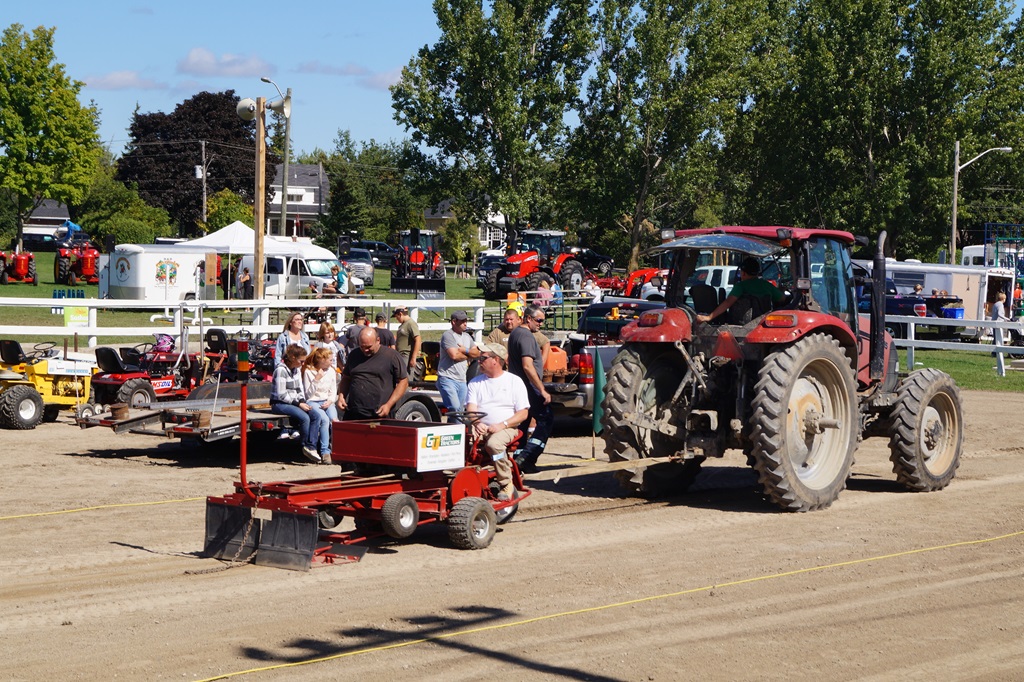
Beaverton Fall Fair
Why Fairs Matter to Ontario
Ontario’s agricultural sector contributes billions of dollars annually to the provincial economy. Beyond production, agriculture shapes:
- Rural employment
- Local food systems
- Tourism experiences
- Cultural traditions
- Youth education
Fairs connect urban and rural populations. They introduce children to livestock, farming practices, and food origins. They provide platforms for small-scale producers and local artisans.
They are often one of the few remaining spaces where generations gather in person — grandparents, parents, and children sharing the same experience.
Without fairs, that connection weakens.
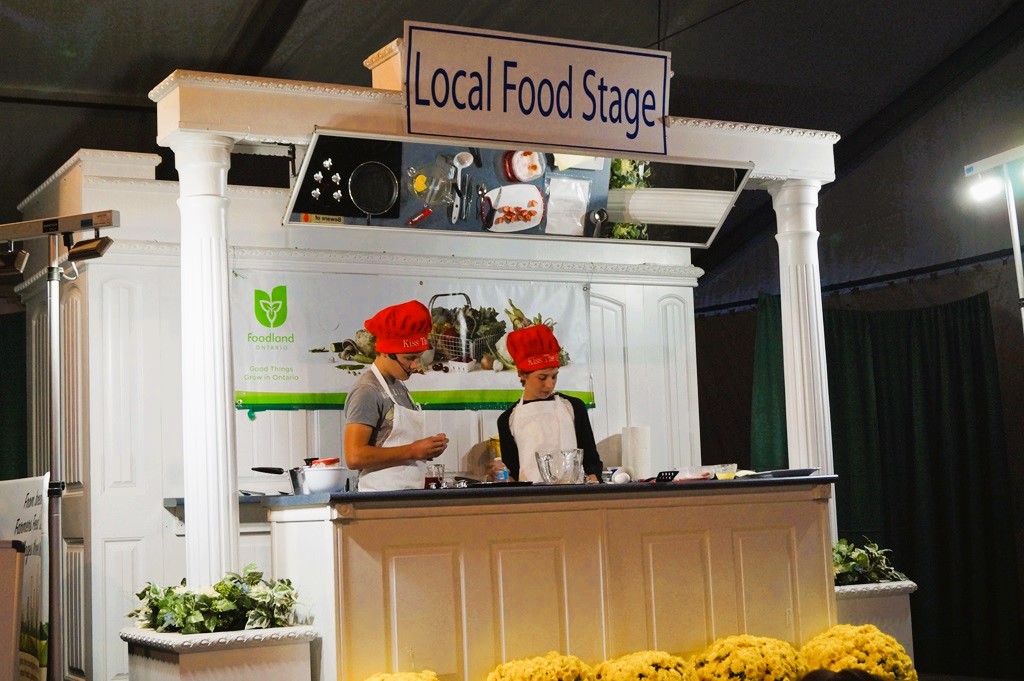
Markham Fair
Why Fairs Matter to Canada
Agriculture remains a cornerstone of Canada’s national economy and identity.
Community agricultural fairs contribute by:
- Encouraging youth participation in farming and agri-business
- Showcasing innovation in food production
- Promoting local supply chains
- Preserving regional heritage
They foster pride in Canadian agriculture at the grassroots level.
Losing fairs diminishes that foundation.
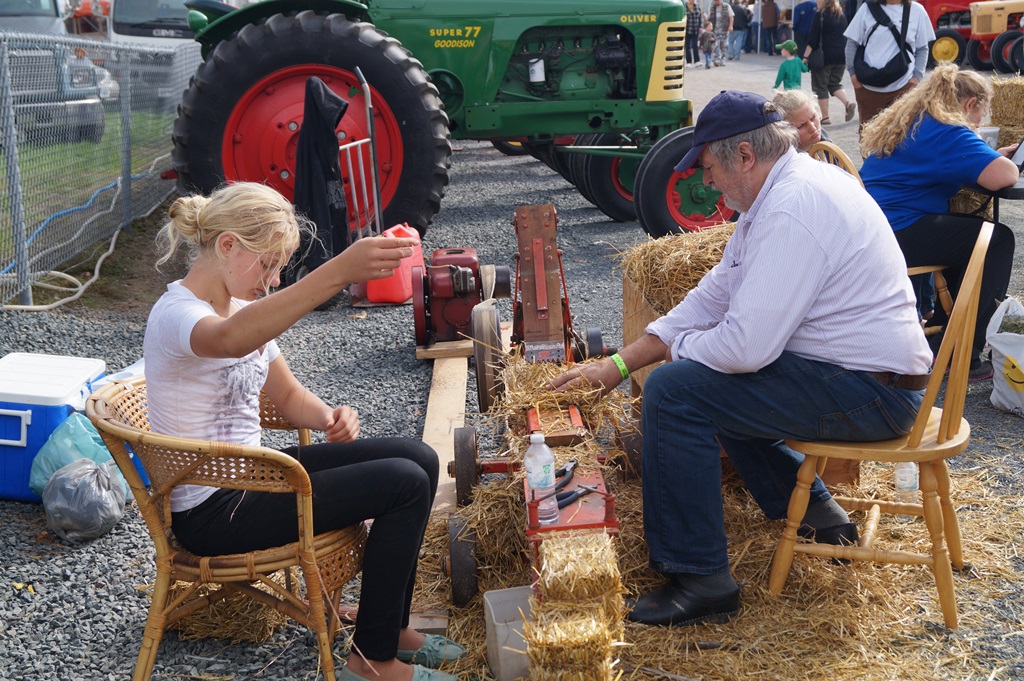
Norwood Fall Fair
The Volunteer Pipeline at Risk
Volunteerism thrives when community pride is strong.
When municipal relationships strain, when funding becomes uncertain, and when regulations feel overwhelming, morale can decline.
Young people are less likely to volunteer for organizations perceived as unstable or undervalued.
If fairs struggle financially and socially, the pipeline of future leaders — including youth volunteers — narrows.
This creates a cycle:
Less support → Greater strain → Fewer volunteers → Reduced programming → Declining relevance → Further reduced support.
Breaking that cycle requires collaboration.
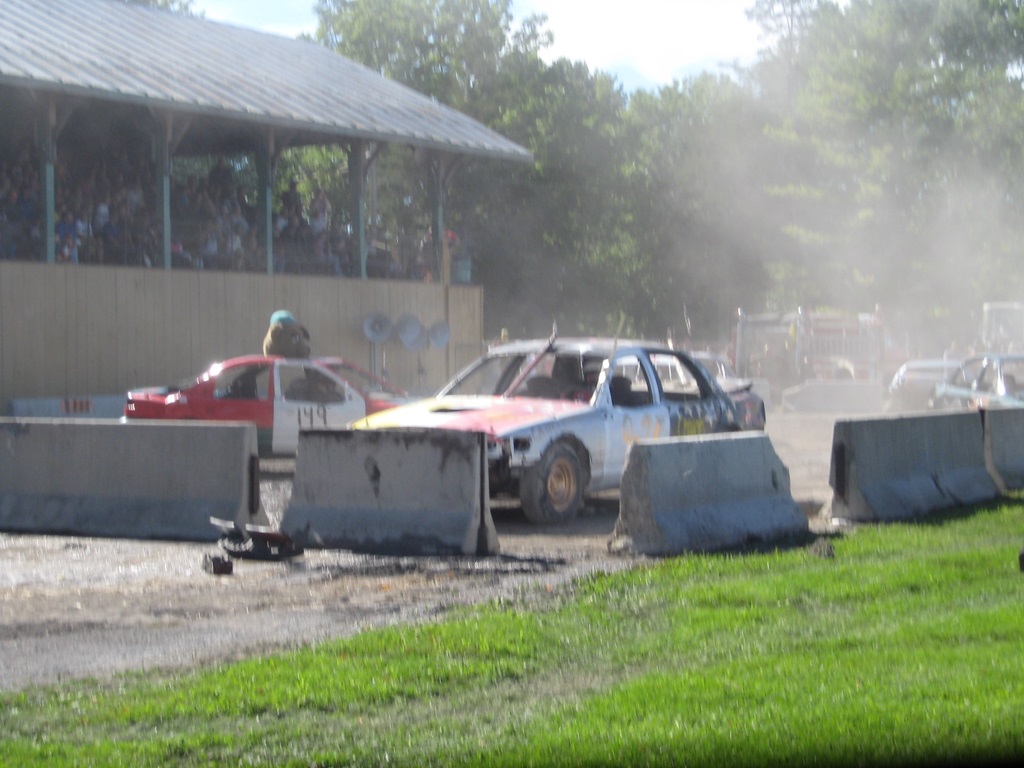
Picton Fair
Reframing the Conversation
The relationship between fairs and municipalities should not be adversarial.
Both serve the same residents.
Municipal councils, community leaders, agricultural societies, and tourism organizations all share responsibility for preserving local vitality.
Constructive dialogue can focus on:
- Recognizing fairs as economic drivers
- Valuing fairgrounds as community assets
- Streamlining regulatory processes where possible
- Exploring creative funding partnerships
- Strengthening youth engagement initiatives
- Promoting agricultural literacy
Rather than viewing fairs as line items in a budget, they can be viewed as long-term community investments.
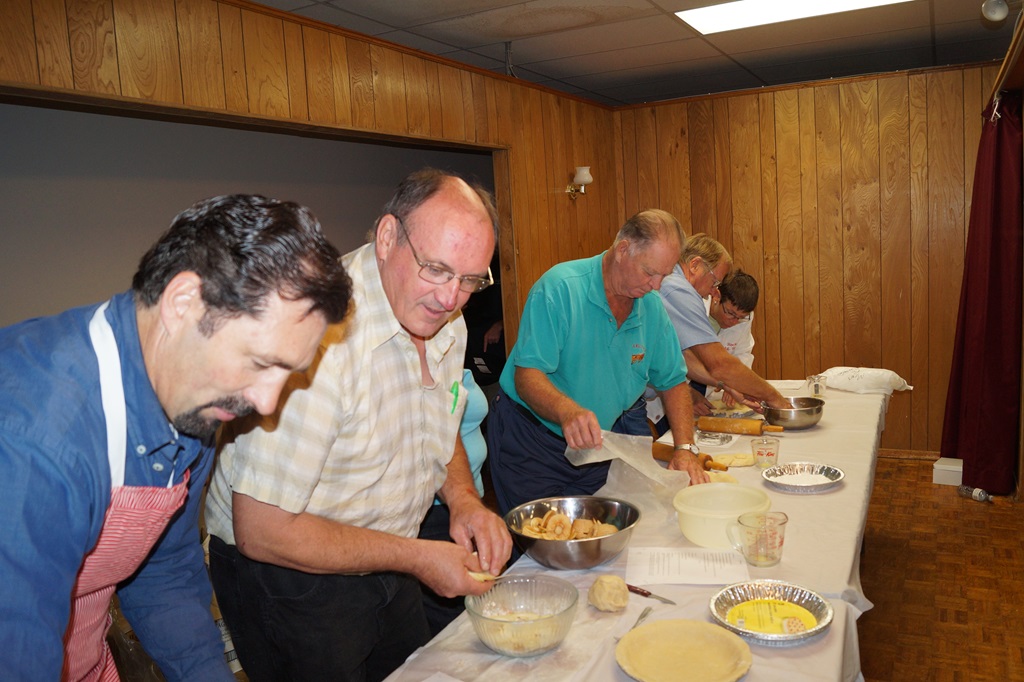
Rocklyn Fall Fair
A Call to Renew Community Connection
Agricultural fairs remind communities of where they came from — and where their food comes from.
They connect residents to land, livestock, craftsmanship, and shared experience.
They build leaders, foster volunteerism, and stimulate local economies.
They create memories that last generations.
If communities allow fairs to diminish through neglect or misunderstanding, they risk losing more than an annual event.
They risk losing a piece of their identity.

The Royal Agricultural Winter Fair
Looking Forward
Ontario’s agricultural fairs have survived wars, depressions, economic downturns, and social change.
They are resilient.
But resilience should not be mistaken for invulnerability.
Strong partnerships between municipalities, agricultural societies, businesses, volunteers, and youth are essential for sustainability.
Supporting fairs is not about nostalgia.
It is about preserving economic vitality, agricultural education, volunteer leadership, and community cohesion.
Ontario’s fairs are not relics of the past.
They are investments in the future.
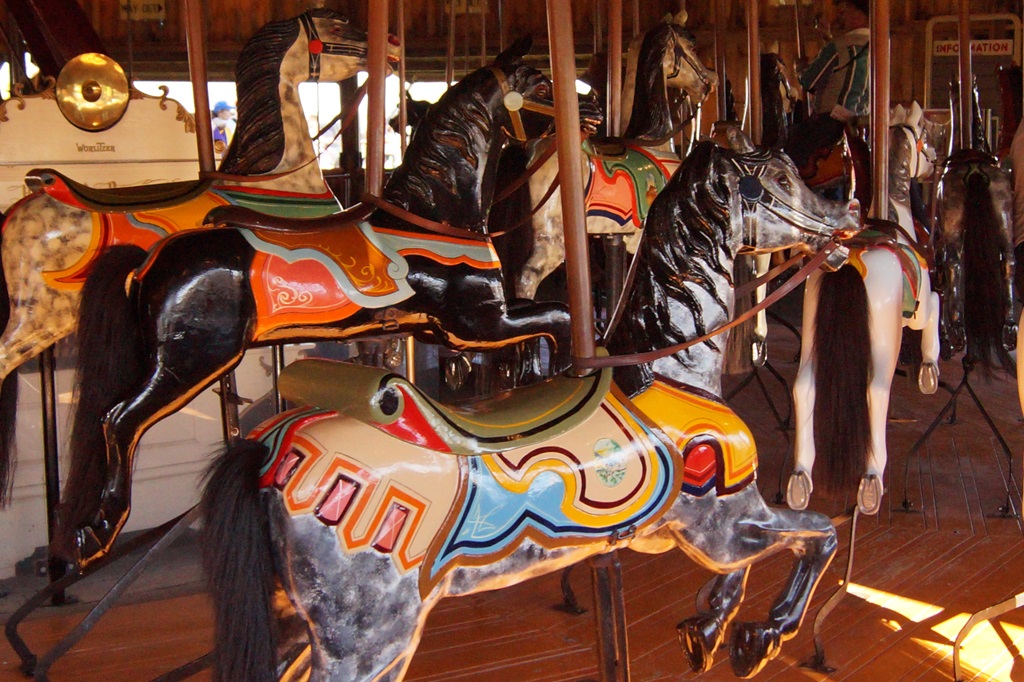
Roseneath Fair