
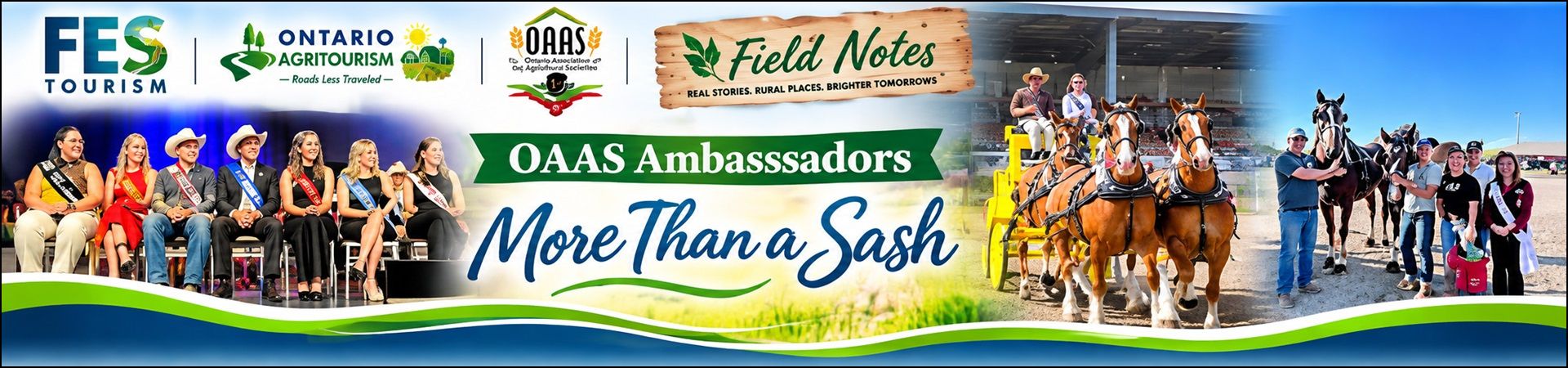










More Than a Sash
Ontario’s Agricultural Fair Ambassadors — Growing the Next Generation of Rural Leaders
ONTARIO AGRITOURISM | FIELD NOTES | ROADS LESS TRAVELED
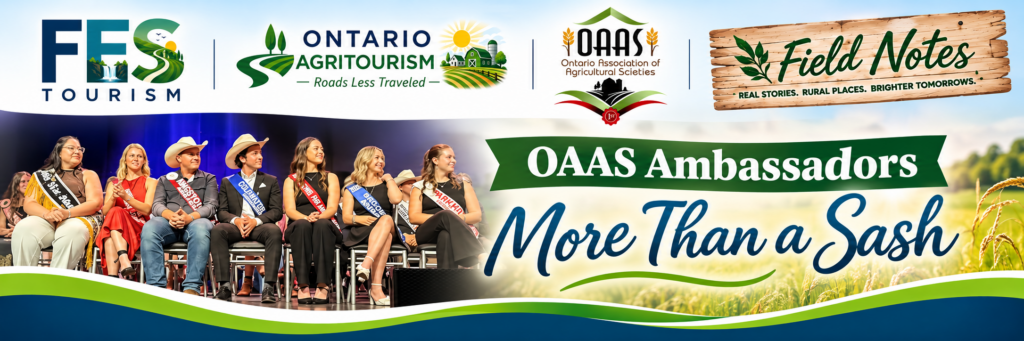
There is a familiar sight at agricultural fairs across Ontario.
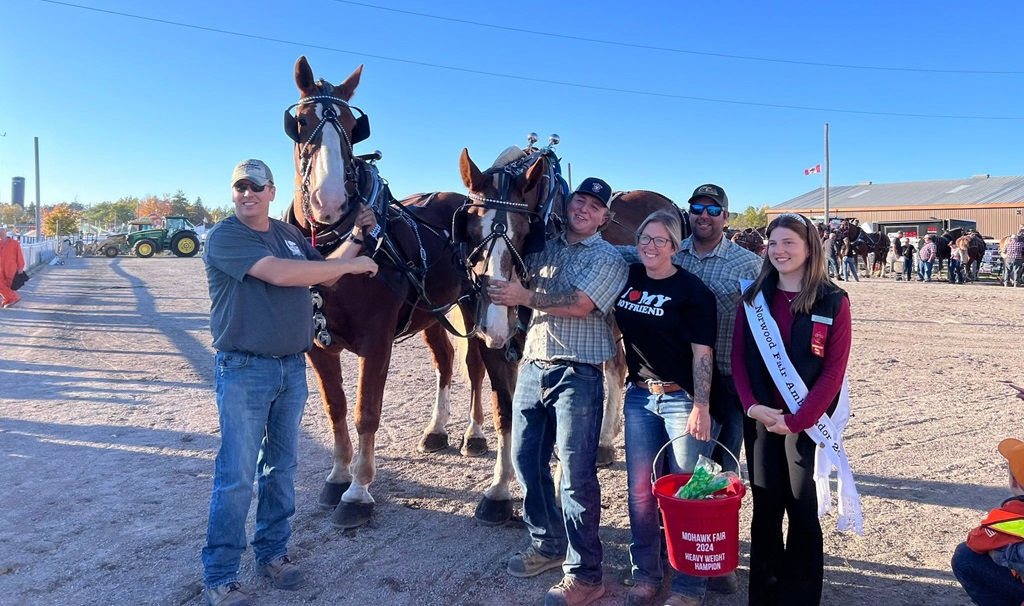
Among the livestock shows, midway rides, homecraft exhibits, tractor pulls and rows of prize-winning vegetables, you’ll often find a young person wearing a sash bearing the name of the local fair.
They may be presenting a ribbon.
Welcoming visitors.
Riding in a parade.
Talking with exhibitors.
Posing for photographs.
Or answering the inevitable question:
“So, what exactly does a Fair Ambassador do?”
The short answer?
Quite a lot.
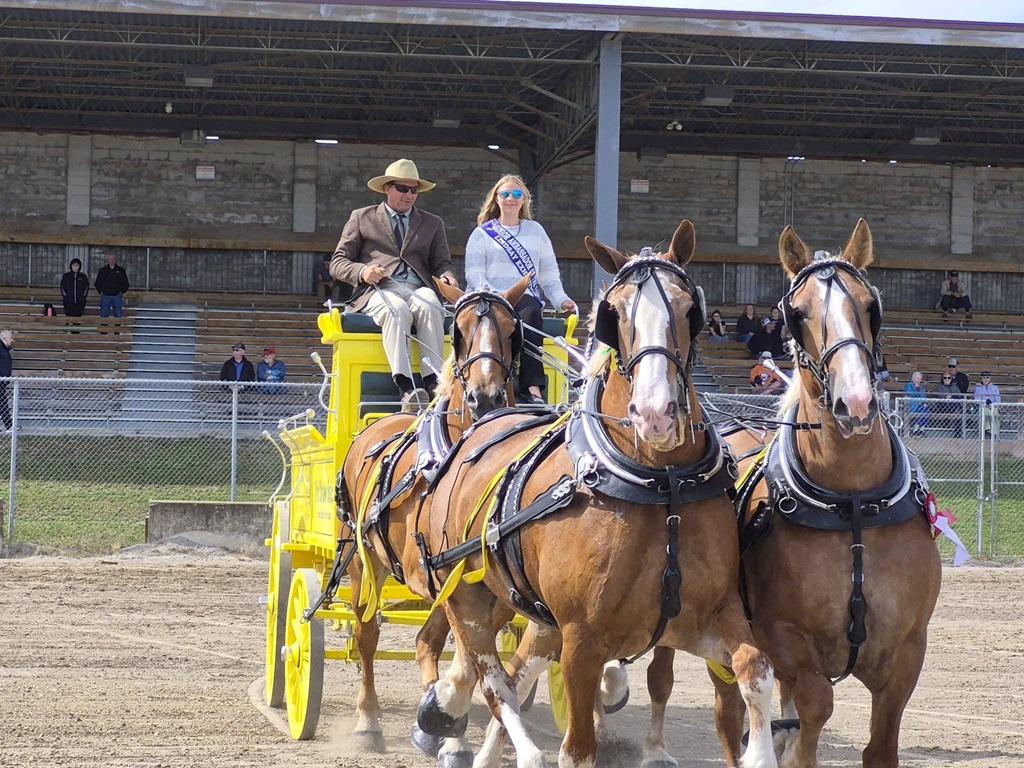
The better answer is that being a Fair Ambassador can be the beginning of something much bigger.
Ontario’s agricultural fair Ambassador programs give young people an opportunity to learn about agriculture, develop confidence, improve their public-speaking skills, represent their communities and discover how volunteer organizations work.
But perhaps we’ve only begun to explore what these young people could contribute.
What if the Fair Ambassador wasn’t simply the person representing the fair at the fair?
What if they became one of the people telling the fair’s story throughout the entire year?
And what if that experience helped create Ontario’s next generation of agricultural society presidents, directors, community volunteers—and rural leaders?
That’s when the sash becomes much more than a sash.
Executive Summary
Agricultural Fair Ambassadors have become an important tradition at Ontario fairs.
The province-wide CNE Ambassador of the Fairs program began in 1971. Since then, more than 3,000 participants from over 100 Ontario communities have taken part.
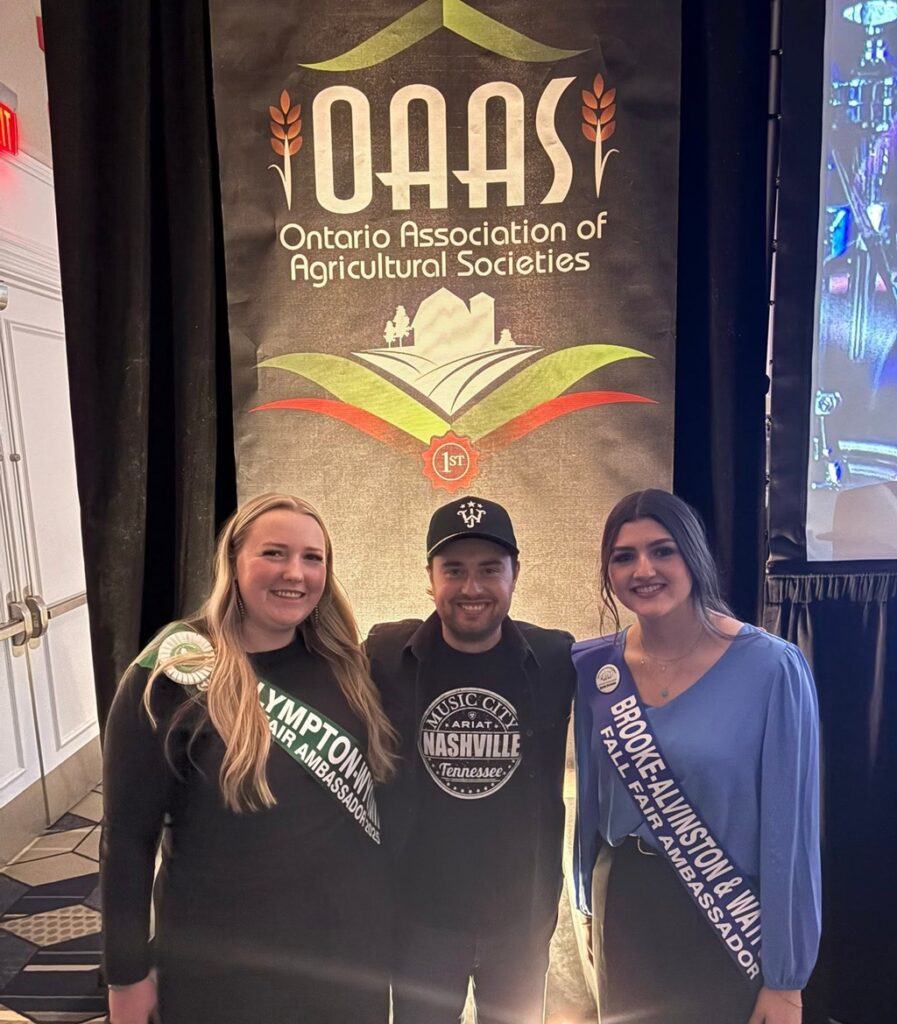
Local Ambassador programs vary considerably. Some fairs have senior Ambassadors, while others include junior and younger Ambassador programs. Duties can include participating in the fair, attending community events and parades, presenting awards, visiting schools, attending Ontario Association of Agricultural Societies activities and, when eligible, representing their agricultural society in the CNE Ambassador of the Fairs program.
But the potential of the Ambassador role extends much further.
Today’s Ambassador can also become a storyteller, photographer, interviewer, social-media contributor, community reporter and agricultural advocate.
Through Ontario Agritourism’s OAT Fair Showcase, participating Fair Ambassadors could help document their fairs and communities by submitting photographs, short stories, interviews and reports about local activities—with their contributions acknowledged when published by OAT.
That provides something valuable for everyone involved.
The fair gains fresh stories and photographs.
Ontario Agritourism gains a young person’s view of rural Ontario.
The community receives additional exposure.
And the Ambassador develops communication, leadership and promotional skills that can last long after the sash is put away.
Perhaps the most important question isn’t:
“Who will be our next Fair Ambassador?”
Perhaps it is:
“What opportunities can we give them once they’re selected?”
Where Did the Ambassador Tradition Come From?
Agricultural fairs have always needed people to tell their story.
For generations, fair boards, agricultural societies, exhibitors, volunteers and farm families have acted as informal ambassadors for agriculture.
But the formal Ontario tradition that connects local fair representatives with a province-wide program took an important step in 1971, when the CNE Ambassador of the Fairs program was established.
The program has changed significantly since those early years.
More than 3,000 young people representing over 100 Ontario communities have participated.
Today’s program welcomes eligible representatives connected to Ontario agricultural societies, and its emphasis includes agriculture, communication, leadership, community pride and representing Ontario’s agricultural fairs.
That’s quite an evolution.
And perhaps it tells us something important.
Traditions don’t have to remain frozen in time to remain traditions.
They can grow.
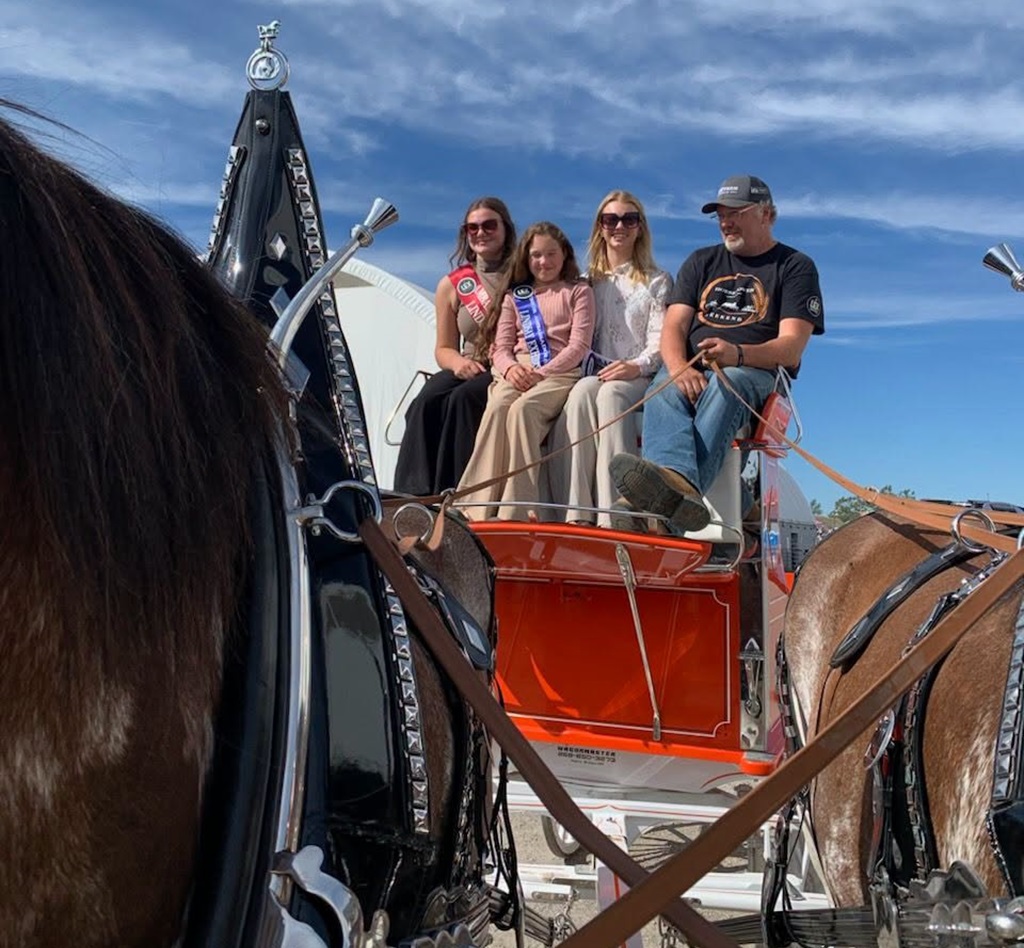
First Comes the Home Fair
Before there is a provincial Ambassador, there are local Ambassadors.
Across Ontario, agricultural societies organize their programs in different ways.
And that’s part of their charm.
Some fairs hold Ambassador competitions involving interviews and speeches.
Some have Junior and Senior Ambassadors.
Others have programs for several age groups, giving children and teenagers an opportunity to become involved long before they are old enough to participate at the provincial level.
The individual requirements and duties are determined locally.
At the Brooke-Alvinston & Watford Fall Fair, for example, Ambassador duties can include attending the entire fair, participating in local events such as Christmas parades and Canada Day celebrations, attending the OAAS convention and eventually representing the fair at the CNE.
At Wainfleet, the Ambassador represents the agricultural society at community events, participates actively in the fair and presents ribbons.
At Hanover, the agricultural society describes its Ambassador as a youth leader for the Agricultural Society and community.
That last description may be the most important.
Youth leader.
Not decoration.
Not simply a title.
A leader.
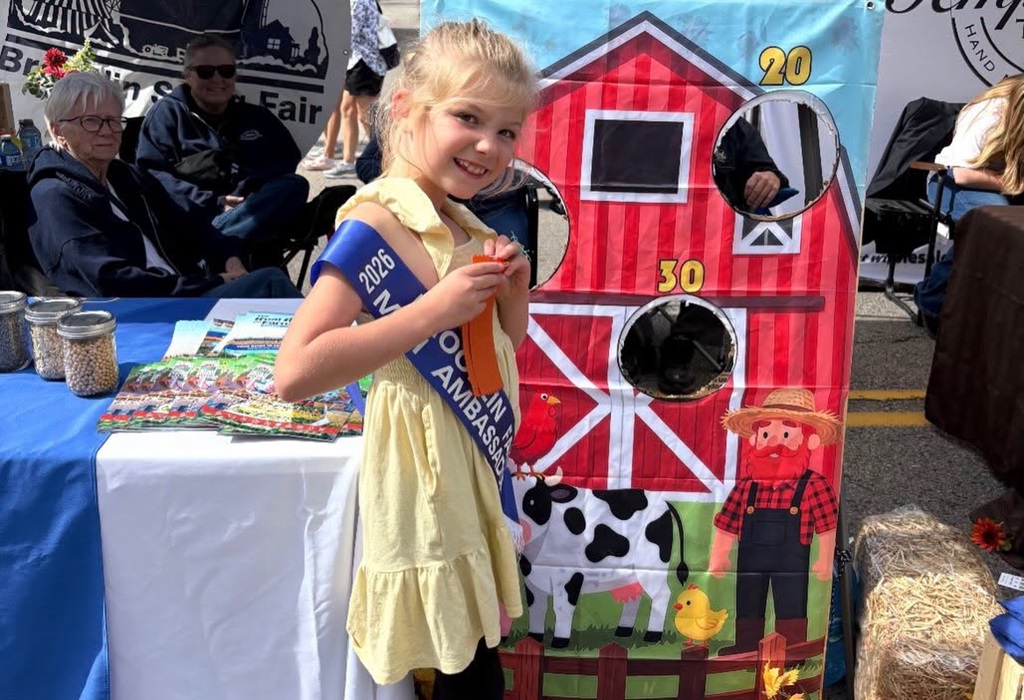
Yes, There’s a Sash — But There’s Also a Job
Let’s imagine it’s opening day at the local fair.
Our newly selected Ambassador is looking very impressive.
The sash is straight.
The shoes are clean.
Everyone wants a photograph.
Then someone says:
“Great. The sheep show starts in ten minutes. Could you present the ribbons?”
Welcome to the job.
Over the next few days, the Ambassador might find themselves doing things they never expected.
Presenting trophies.
Meeting municipal officials.
Welcoming visitors.
Talking with children.
Thanking sponsors.
Appearing in photographs.
Visiting exhibitors.
Participating in ceremonies.
Riding in a parade.
Helping with an agricultural display.
And answering questions about the fair.
Lots and lots of questions about the fair.
By Sunday night, that sash may have travelled farther around the fairgrounds than some of the midway rides.
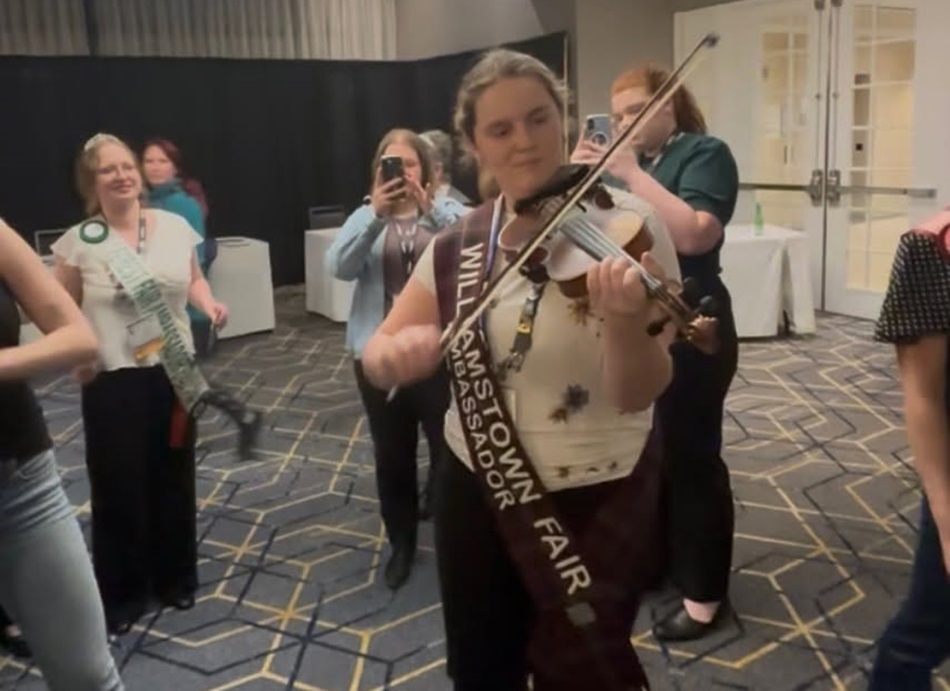
The Ambassador Who Doesn’t Come From a Farm
There’s an important misconception worth addressing.
You don’t necessarily have to grow up on a farm to become a valuable agricultural Ambassador.
Some local programs specifically note that participants need not come from farming backgrounds.
That makes sense.
Agriculture isn’t only about the people who operate farms.
It involves veterinarians, equipment dealers, food processors, agricultural businesses, researchers, truck drivers, markets, fairs, educators, tourism operators, restaurants, consumers and communities.
A young person who begins an Ambassador program knowing relatively little about agriculture may actually discover an entirely new world.
Perhaps they’ll ask questions that someone raised on a farm would never think to ask.
That’s valuable too.
An Ambassador doesn’t need to know everything.
A good Ambassador needs to be willing to learn.
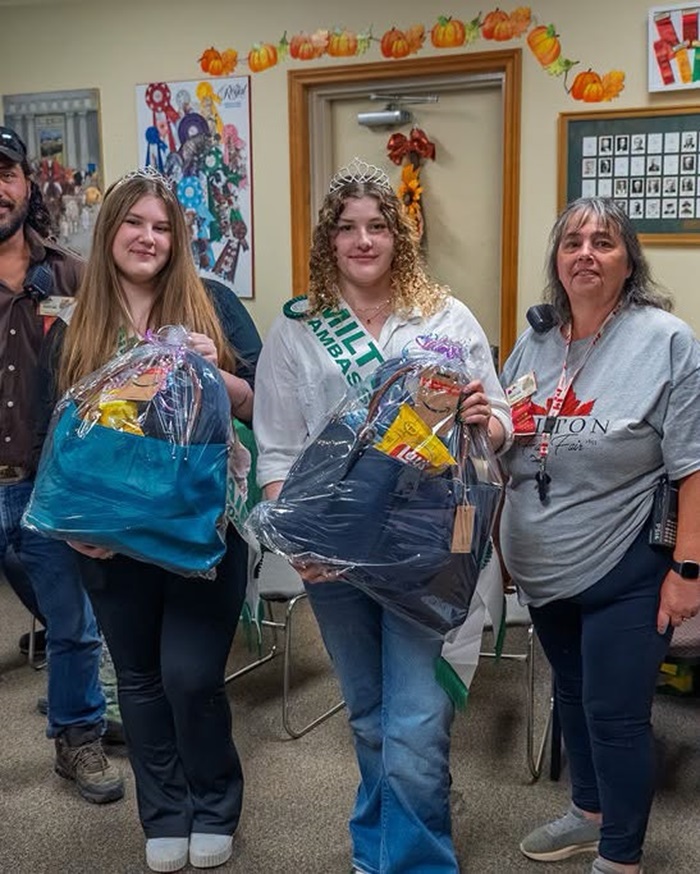
The Fair Becomes a Classroom
Think about what a young person can learn during a year as an Ambassador.
Public speaking.
Interview skills.
Writing.
Agriculture.
Event organization.
Volunteer management.
Community relations.
Working with sponsors.
Meeting elected officials.
Media relations.
Social media.
Photography.
Tourism.
Teamwork.
And perhaps the most important skill of all:
Walking into a room where you don’t know anyone and starting a conversation.
Try putting all of that into a classroom assignment.
The Ambassador program can provide something formal education sometimes struggles to reproduce—real responsibility in the real world.
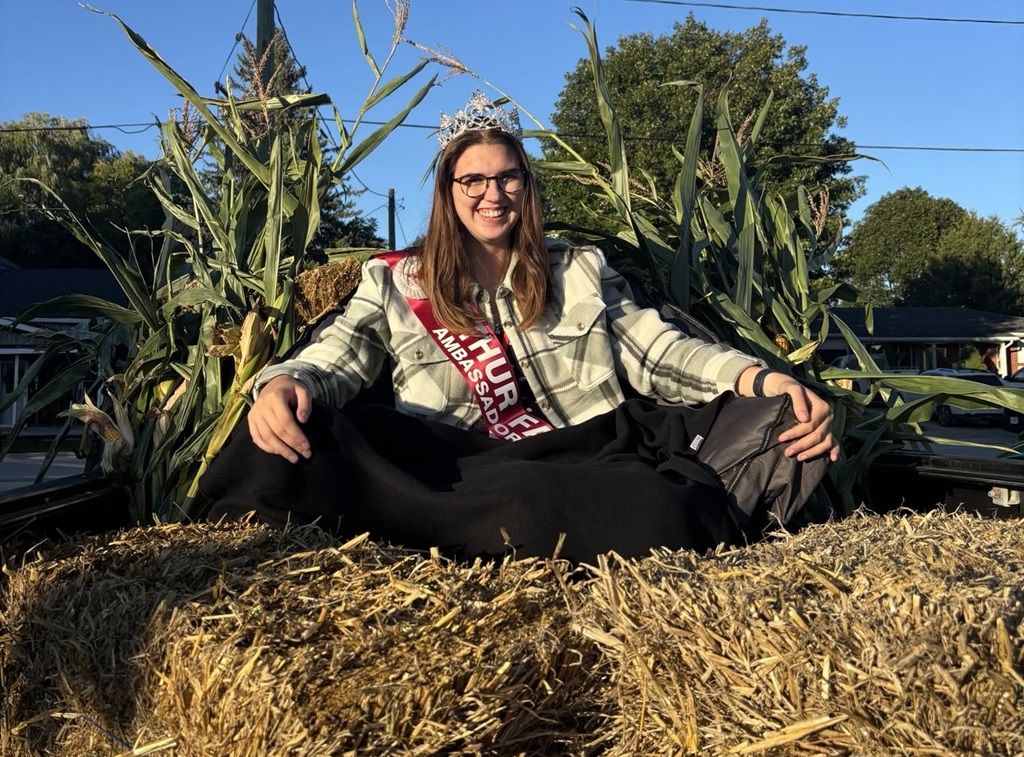
From Ambassador to Storyteller
This is where Ontario Agritourism believes there is another opportunity.
Ontario’s agricultural fairs have wonderful stories.
The problem is that during the fair, everyone is busy.
Very busy.
The secretary is answering questions.
Directors are solving problems.
Volunteers are working their events.
Someone is looking for an extension cord.
Someone else is trying to find the person who borrowed the extension cord.
And somewhere on the grounds something wonderful is happening that nobody has remembered to photograph.
Enter the Fair Ambassador.
What if part of the Ambassador’s year involved helping document the story of the fair?
Not as a professional journalist.
Not as another enormous responsibility.
Simply as a curious young person with a phone, a camera, a notebook and permission to ask questions.
Suddenly the possibilities become enormous.
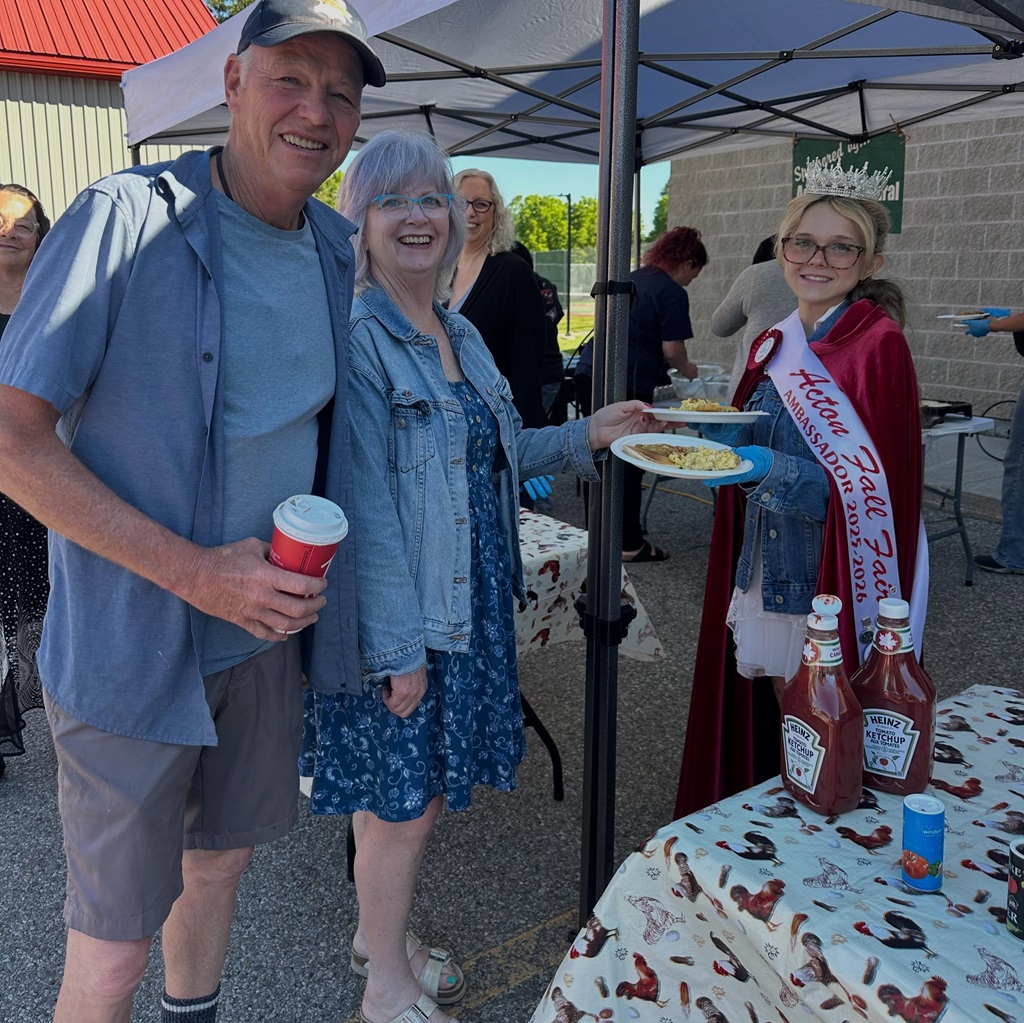
The Ambassador’s Camera
Consider a simple assignment:
“Show us our fair through your eyes.”
During the fair, the Ambassador could photograph:
The farmer preparing an animal before entering the show ring.
The volunteer arranging pies in the homecraft building.
The midway coming alive in the early evening.
Children meeting a calf for the first time.
The tractor pull crew preparing the track.
The senior volunteer who has worked at the fair for 40 years.
The sunrise over an empty fairground before the gates open.
The cleanup crew on Monday morning.
Those aren’t simply photographs.
They’re pieces of the fair’s history.
Twenty years from now, some may be priceless.
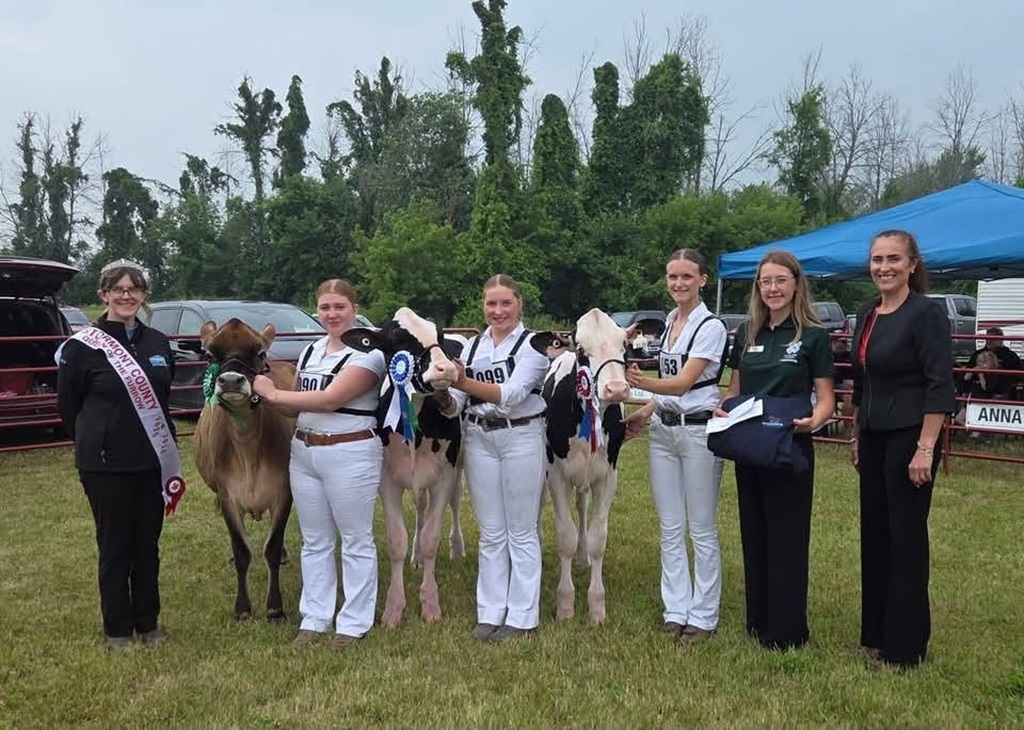
Meet OAT’s Young Fair Correspondent
Here’s where the idea could become particularly interesting.
Agricultural societies participating in the Ontario Agritourism Fair Showcase could encourage their Ambassador to become an occasional OAT Fair Correspondent during their term.
They could submit photographs and short stories to Ontario Agritourism for possible publication within their fair’s Showcase or related OAT content.
Their contribution would be acknowledged.
Imagine seeing:
Photos by: Emma Smith, 2027 Ambassador, Somewhere Agricultural Society
Or:
From Our Fair Ambassador: The Morning Before the Gates Open
That young person has suddenly become a published contributor telling the story of their community.
And Ontario visitors are seeing the fair through the eyes of someone who actually belongs to it.
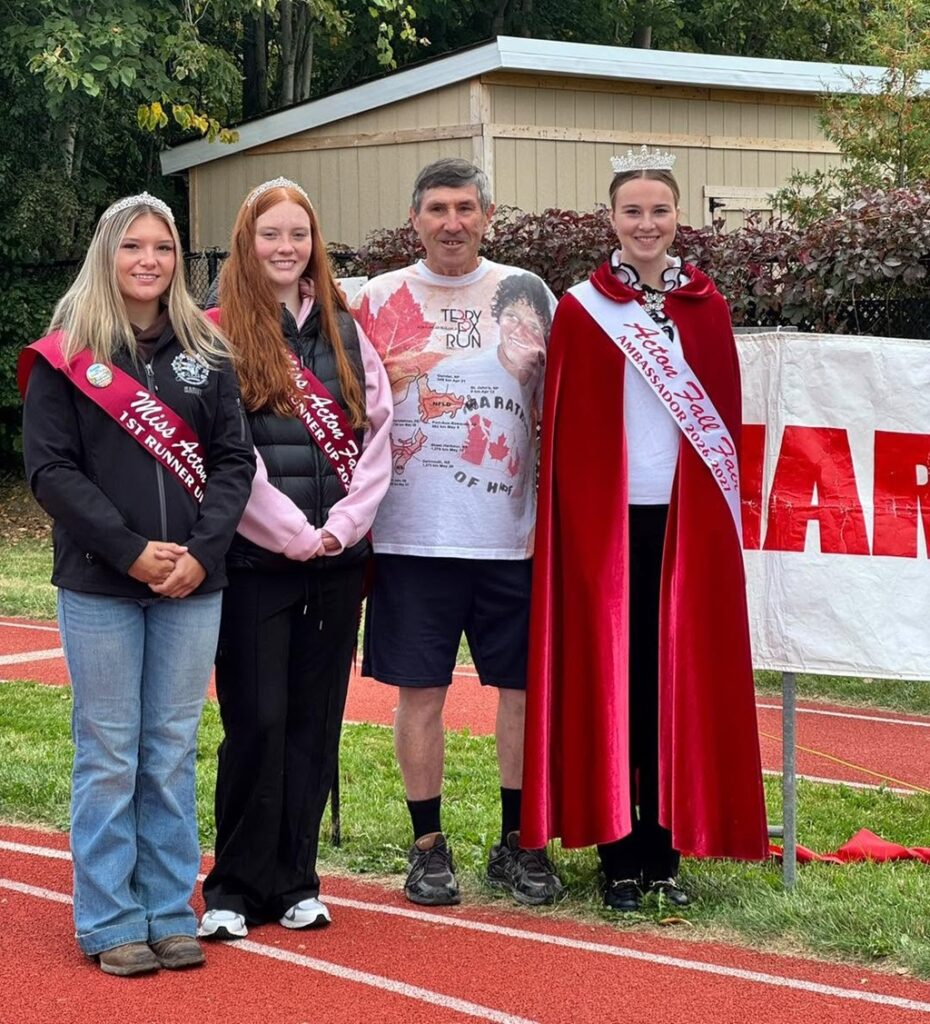
What Could an Ambassador Send to OAT?
It doesn’t need to be complicated.
A Photo Story
Five or six photographs showing something interesting happening at the fair, with a sentence explaining each photograph.
Meet a Volunteer
Interview someone who has volunteered with the agricultural society for decades.
Ask:
How did you become involved?
What’s changed?
What’s your favourite fair memory?
Why do you keep coming back?
There’s your story.
Meet a Farmer
Spend ten minutes with a livestock exhibitor, crop farmer or agricultural producer.
What do they produce?
How has farming changed?
What would they like visitors to understand about agriculture?
Behind the Scenes
What happens before the gates open?
Who puts up the signs?
Who organizes the exhibits?
Who prepares the show ring?
Who makes sure the washrooms are ready?
Visitors see the finished fair.
The Ambassador can show them the people who make it happen.
Around Our Community
The Ambassador’s story doesn’t have to stop at the fairgrounds.
Take photographs around town.
Visit the local museum.
Talk to a farmer.
Photograph the main street.
Visit an interesting attraction.
Tell us about a community tradition.
Show visitors why they should explore the community while they’re attending the fair.
Now the Ambassador isn’t only promoting the fair.
They’re promoting their community.
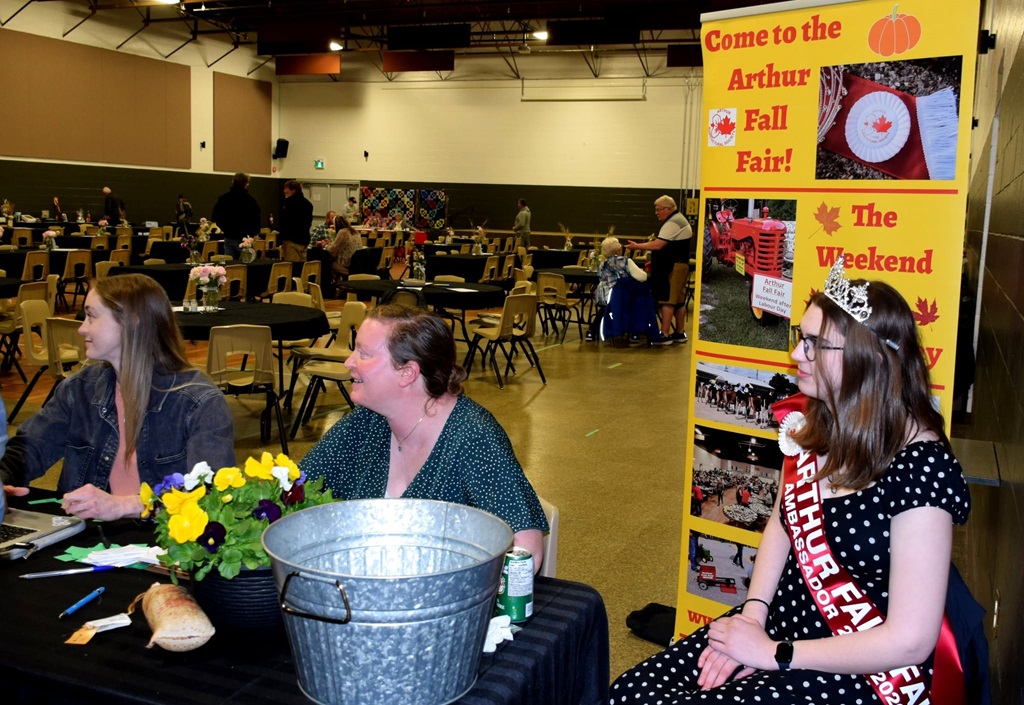
“You Mean Someone Might Actually Read This?”
Yes.
And that’s important.
Young people are frequently asked to write school assignments that will be read by one person—their teacher.
Imagine instead writing a 500-word story about a fourth-generation farming family and seeing it published online with your name attached.
Or taking a photograph at your fair and seeing it used to help promote next year’s event.
Suddenly writing has a purpose.
Photography has a purpose.
Research has a purpose.
The Ambassador isn’t practising communication.
They’re communicating.
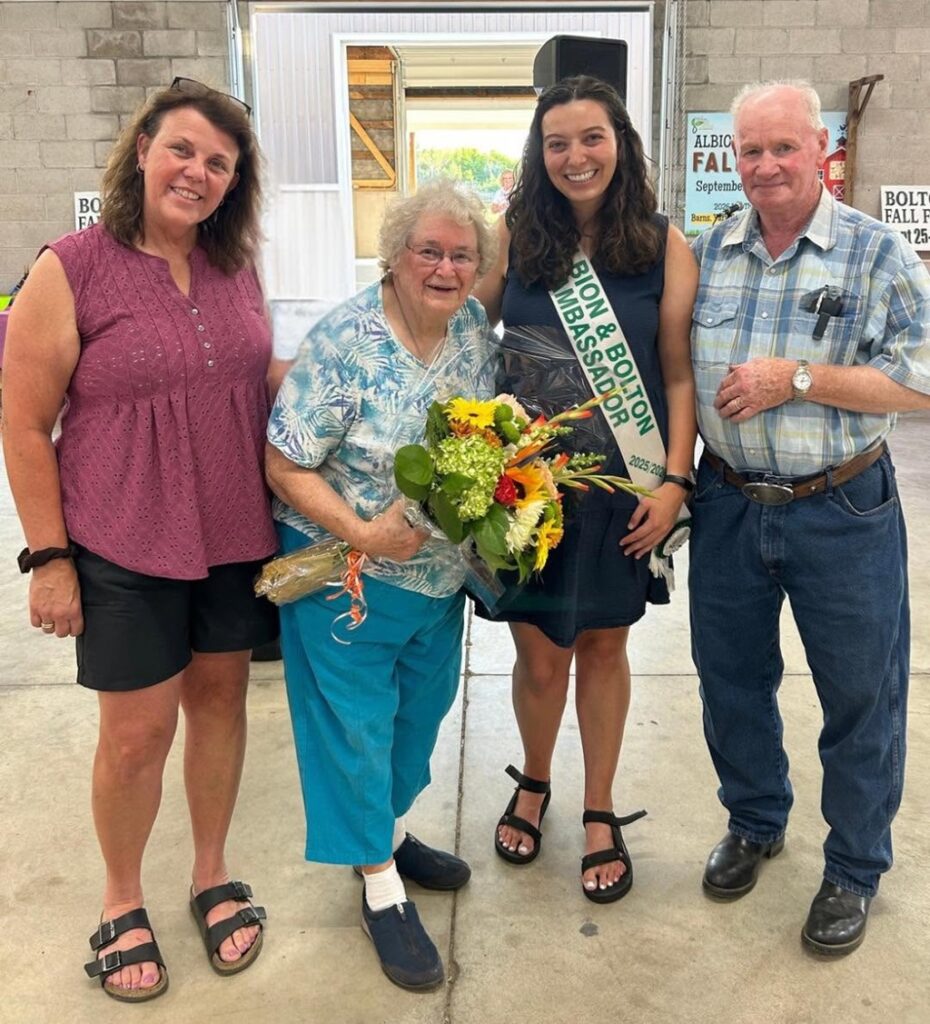
The Ambassador as an Interviewer
There’s another benefit.
Young Ambassadors have an extraordinary opportunity to talk with people whose stories might otherwise disappear.
Every agricultural society has them.
The 82-year-old volunteer who remembers when admission was twenty-five cents.
The farmer whose family has shown cattle at the fair for four generations.
The woman who has entered preserves every year since 1968.
The former Ambassador who is now president of the agricultural society.
The midway worker who has visited the same fair for thirty years.
The person who knows why the old grandstand disappeared.
Ask them questions.
Record their stories—with permission.
Take their photograph.
Write down their memories.
This isn’t simply fair promotion.
It’s rural history preservation.
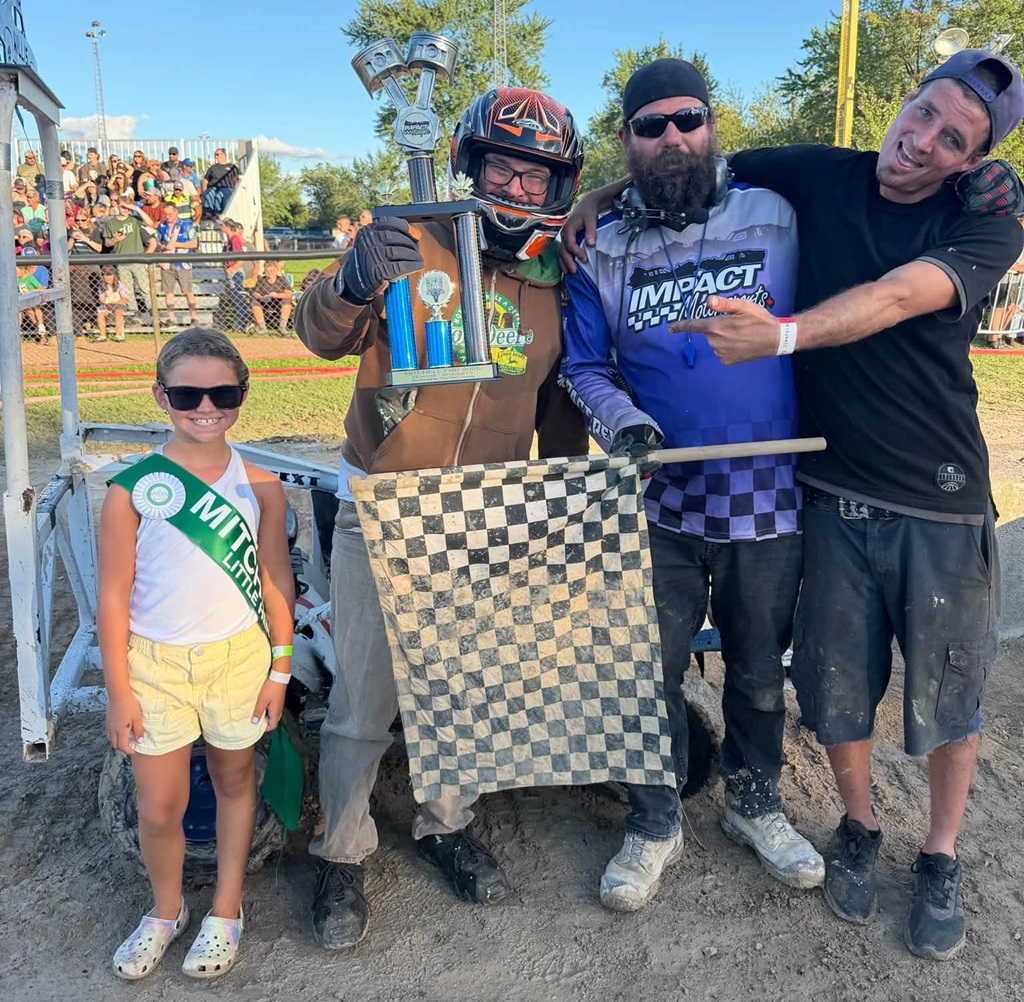
From Fair Ambassador to Community Ambassador
An agricultural fair doesn’t exist in isolation.
It belongs to a community.
That means the Ambassador can represent more than an annual event.
Throughout the year they might participate in:
Christmas parades.
Canada Day celebrations.
Farmers’ markets.
Community festivals.
Agricultural meetings.
School visits.
Food drives.
Volunteer events.
Remembrance ceremonies.
Local tourism activities.
Agricultural education programs.
Every appearance builds another connection between the agricultural society and the people it serves.
The fair becomes something that exists 365 days a year, rather than simply three or four days each summer or fall.
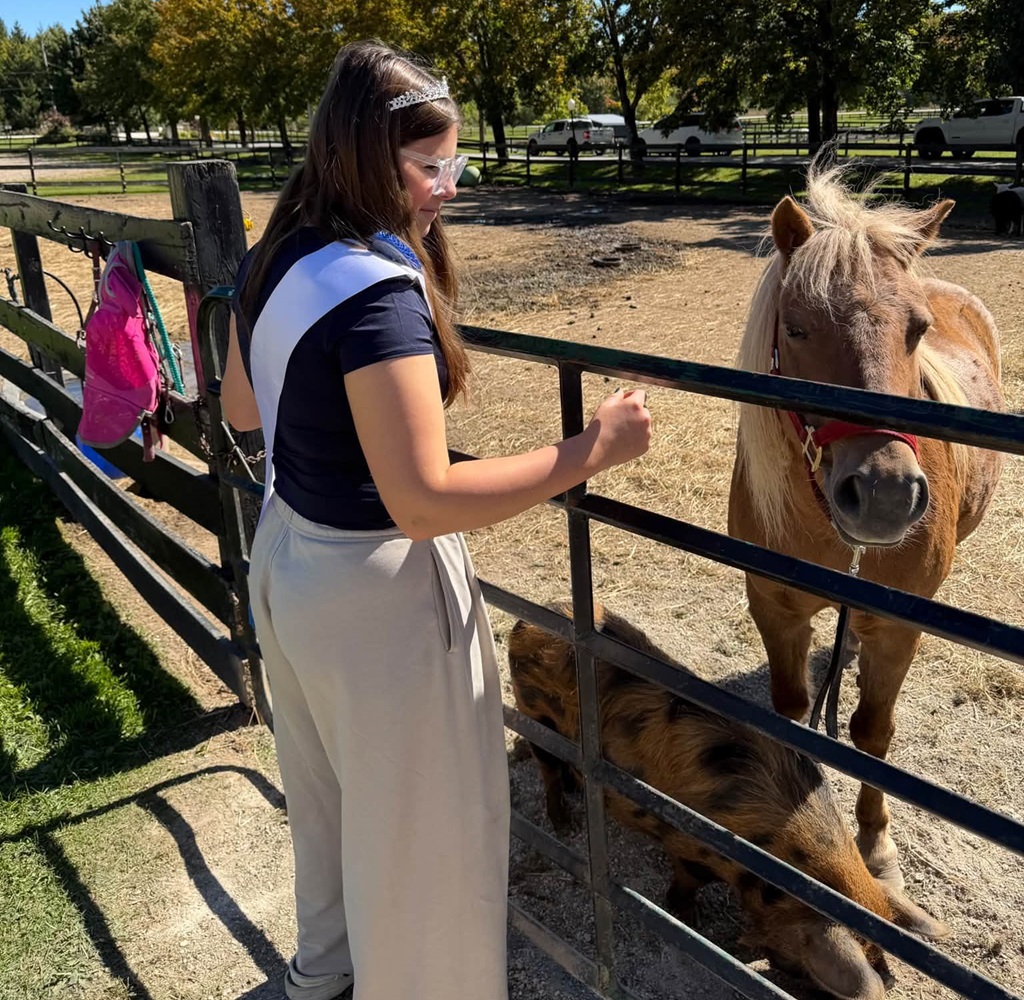
What Does the Fair Get Back?
Quite a lot.
A strong Ambassador program can give an agricultural society a recognizable young spokesperson.
It can generate photographs and stories for websites, newsletters and social media.
It can strengthen relationships with schools and youth organizations.
It can help connect older directors with younger volunteers.
It can bring new ideas into the organization.
And, perhaps most importantly, it can create the next generation of agricultural society volunteers.
Because eventually the sash comes off.
But hopefully the Ambassador doesn’t disappear.
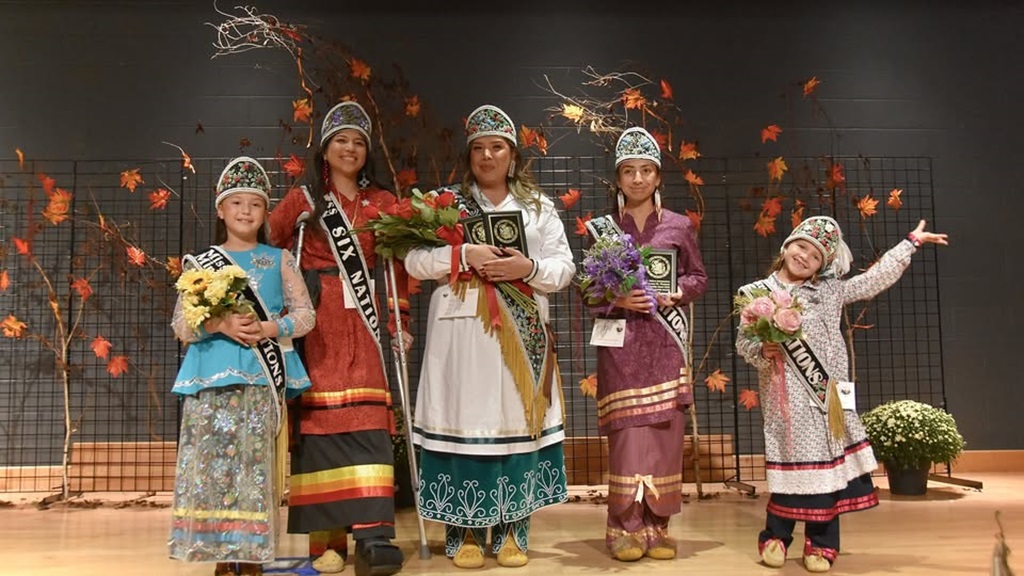
Don’t Let the Sash Be the Finish Line
This may be the biggest opportunity of all.
Imagine an Ambassador finishes their year.
Everyone says congratulations.
There’s a photograph with the incoming Ambassador.
The sash is passed along.
And then what?
Too often, youth programs concentrate on recruitment but pay less attention to what happens afterward.
Perhaps the former Ambassador should be invited to stay.
Join a committee.
Help with social media.
Work with next year’s Ambassador.
Photograph the fair.
Become a youth representative.
Help plan an event.
Eventually join the board.
The OAAS itself encourages youth involvement in agricultural societies and provides resources aimed at developing youth leadership.
That’s significant.
Because today’s Ambassador could become tomorrow’s:
Committee chair.
Director.
Treasurer.
Secretary.
Fair manager.
Agricultural society president.
Community leader.
And perhaps, someday, the person encouraging another nervous young Ambassador to give it a try.
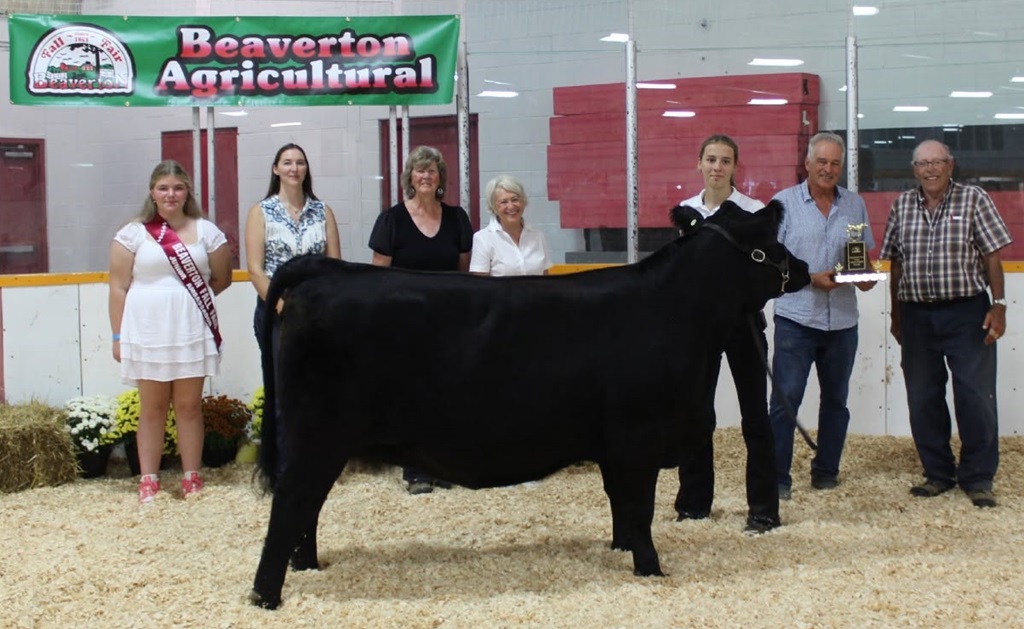
The CNE — Where Ontario’s Ambassadors Meet
For eligible local representatives, one of the most exciting opportunities can be the CNE Ambassador of the Fairs program.
Ambassadors representing OAAS-member fairs come together in Toronto.
The experience isn’t simply about selecting a winner.
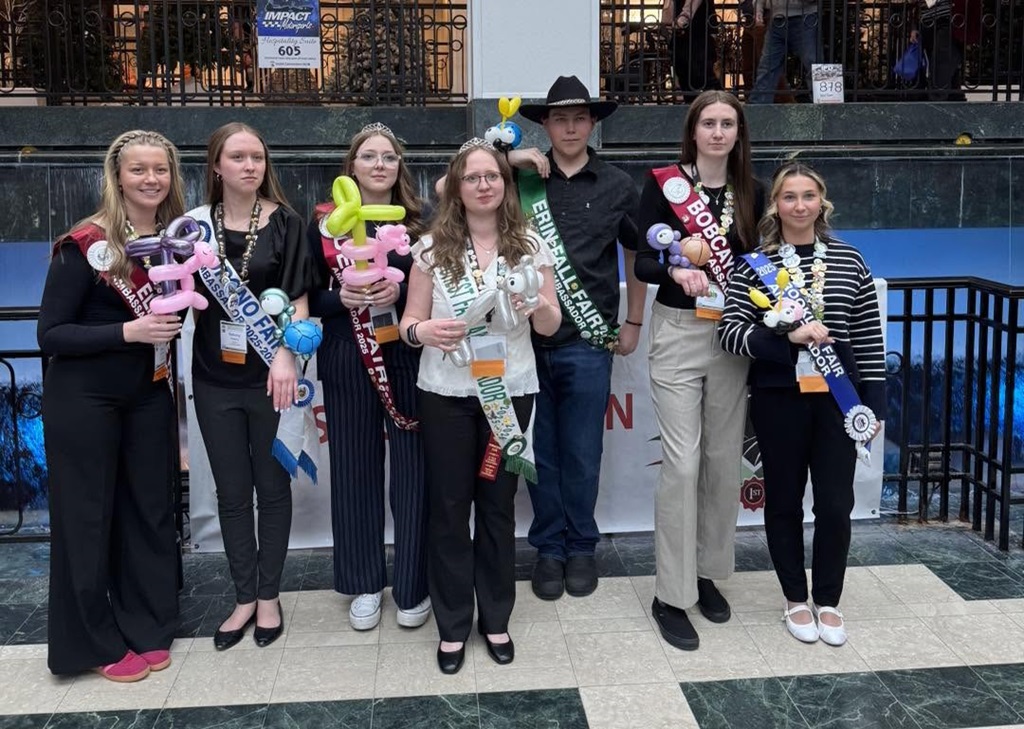
Participants attend activities and seminars, meet Ambassadors from other Ontario communities and demonstrate skills including agricultural knowledge, public speaking, self-confidence and communication.
Today’s competition reflects how the Ambassador role has evolved.
Participants prepare speeches on subjects that can include agriculture, agricultural societies, their home fair and pride of place. The program also includes communication exercises and impromptu questions.
And then comes something perhaps even more valuable.
They meet each other.
Imagine young representatives from agricultural societies across Ontario suddenly discovering that dozens of other people their age are doing exactly what they’re doing back home.
Friendships form.
Ideas are exchanged.
Networks begin.
That’s how communities become connected.
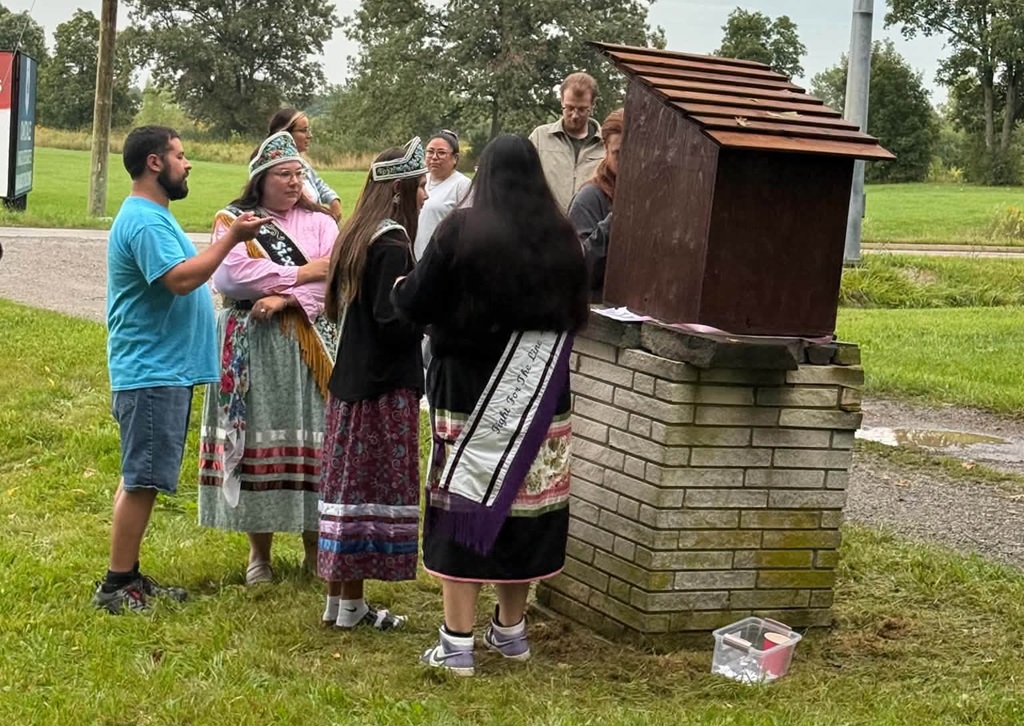
More Than 3,000 Stories
Since the CNE program began in 1971, more than 3,000 young people from over 100 Ontario communities have participated.
Think about that number for a moment.
Three thousand.
Where are they now?
Some became farmers.
Some became teachers.
Business owners.
Politicians.
Parents.
Agricultural society directors.
Community volunteers.
Professionals.
Some probably moved away.
Others stayed in the communities they represented.
Each carried something away from the experience.
Perhaps confidence.
Perhaps friendships.
Perhaps an appreciation for agriculture.
Perhaps simply the realization that they could stand in front of a room full of strangers, speak for sixty seconds—and survive.
Sometimes that’s where leadership begins.
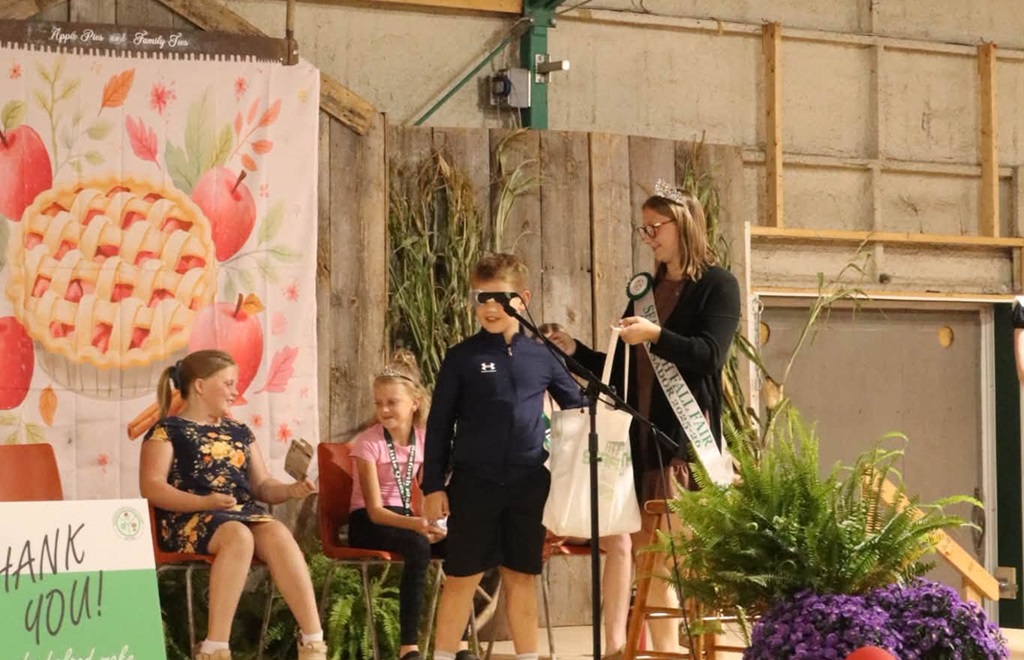
A Challenge for Ontario’s Agricultural Societies
Perhaps it’s time to expand the question we ask when selecting an Ambassador.
Instead of only:
“Who would represent our fair well?“
Ask:
“How can we help this young person grow during the next year?“
Give them meaningful assignments.
Ask for their ideas.
Invite them to meetings.
Introduce them to community leaders.
Let them interview senior volunteers.
Let them photograph the fair.
Ask them what young visitors would like to see.
Give them opportunities to speak.
Allow them to make mistakes.
Listen to them.
And when their year ends, invite them back.
A leadership program becomes successful not when a young person receives a sash.
It becomes successful when that young person eventually realizes:
“I have something to contribute here.”
Did You Know?
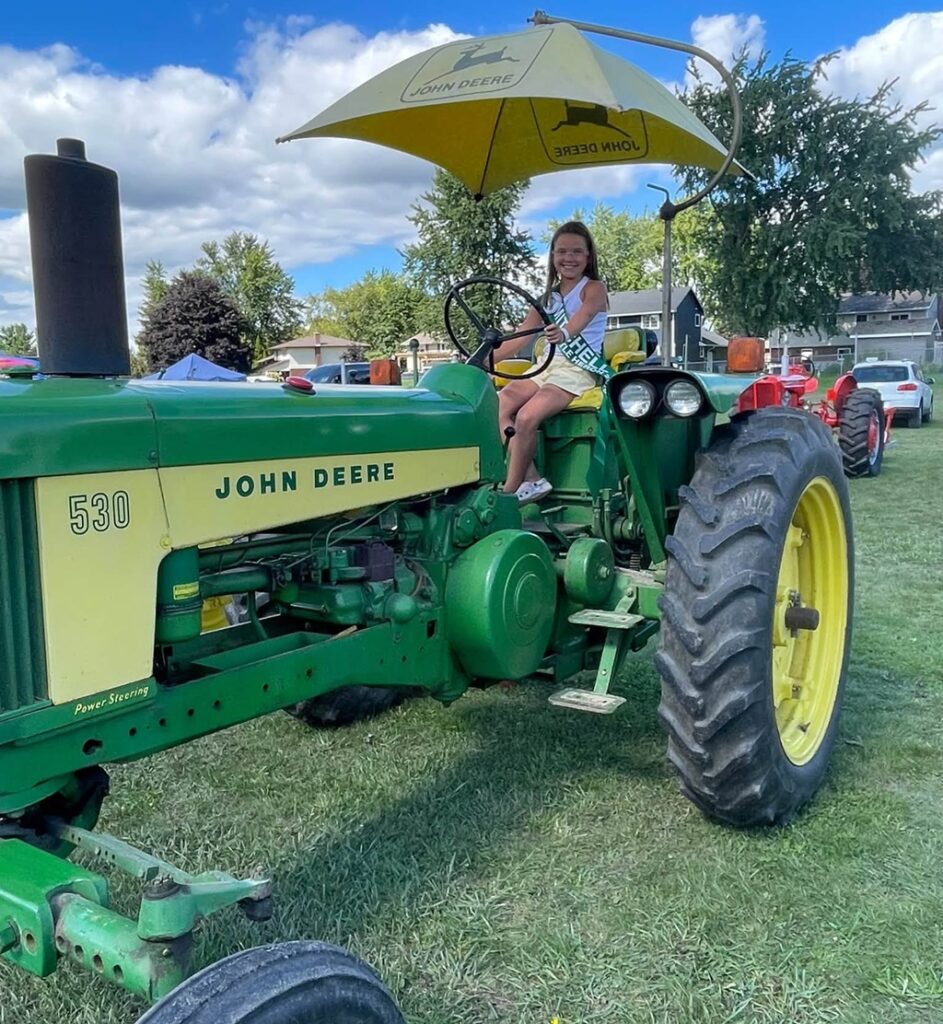
The CNE Ambassador of the Fairs program began in 1971.
More than 3,000 young people from over 100 Ontario communities have participated since the program began.
Today’s CNE Ambassador program is open to eligible representatives regardless of gender.
The CNE program has no maximum age under its current 2026 rules, although participants must meet its minimum-age requirement and other eligibility criteria. Individual local fairs establish their own Ambassador rules and age ranges.
Some Ontario agricultural societies have several levels of Ambassadors, introducing children and teenagers to the program before they reach senior Ambassador age.
Ambassadors don’t necessarily have to come from farms. Some local programs specifically welcome participants who aren’t from farming backgrounds but have—or are willing to develop—agricultural knowledge.
And perhaps the most important fact:
You don’t need a sash to remain an Ambassador for agriculture.
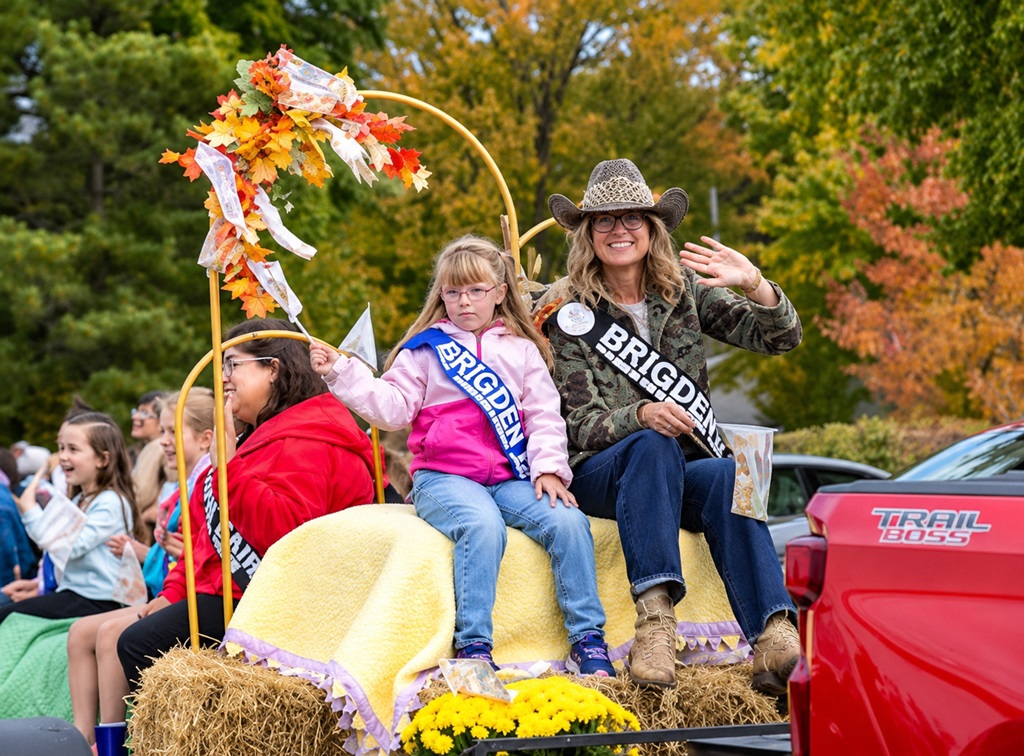
The Photograph Taken 40 Years From Now
Let’s finish with a photograph that hasn’t been taken yet.
It’s fair day.
The agricultural society president is standing beside the newly selected Ambassador.
They shake hands.
Someone takes their picture.
Nothing unusual about that.
Except the president looks at the camera and smiles.
Because forty years earlier, there’s another photograph in the fair archives.
Same fairgrounds.
Same agricultural society.
Different Ambassador.
And in that old photograph, the person wearing the sash is the president standing here today.
That’s the real potential of an Ambassador program.
The sash lasts a year.
Leadership can last a lifetime.
Ontario Agritourism Field Notes
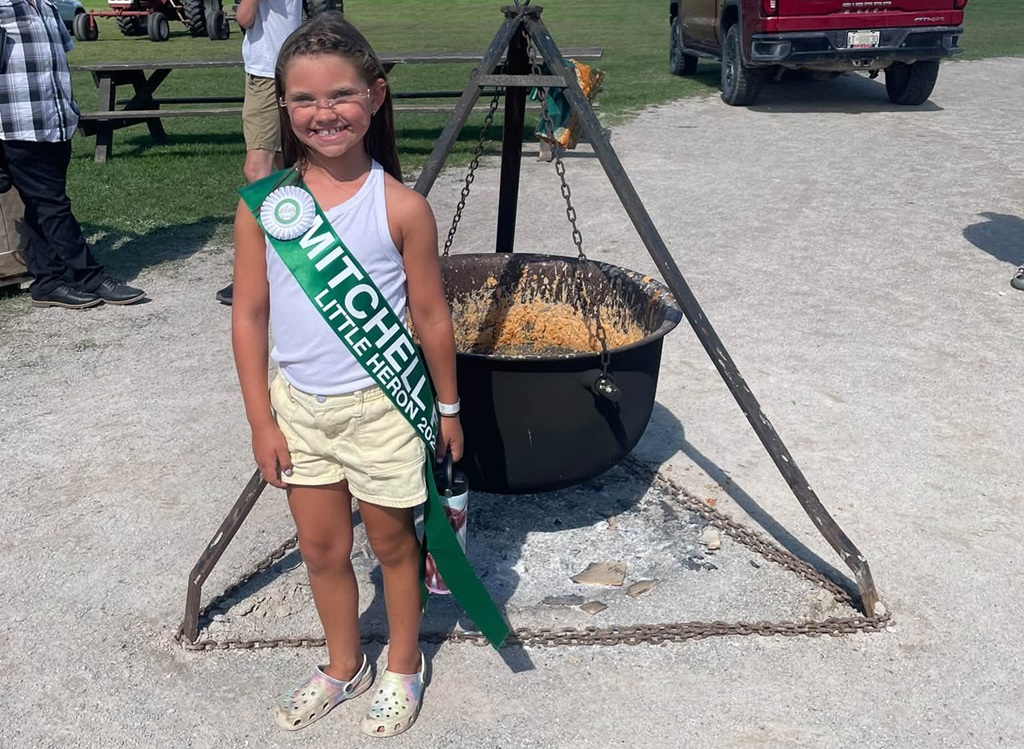
Ontario’s agricultural fairs are filled with stories—and many of the people best positioned to discover those stories are already walking around the fairgrounds.
They’re wearing Ambassador sashes.
Give them a camera.
Give them a notebook.
Give them a chance.
And most importantly:
Give them a voice.
Ontario Agritourism would like to help them use it.