



Keene • Township of Otonabee–South Monaghan • Peterborough County • Kawarthas Northumberland Tourism
Lang Pioneer Village Museum in Keene preserves the rural and agricultural heritage of Peterborough County through historic buildings, farming exhibits, and living-history programs that illustrate how early settlers built farms and communities across the region.
Visitor Information
📍 Location: Lang Pioneer Village Museum, Keene, Ontario
🎟 Experience: Living History Village / Agricultural Heritage Museum
👨👩👧👦 Best For: Families, history enthusiasts, and educational visits
🌾 Season: Open seasonally with heritage demonstrations and special events
Plan Your Visit
🕒 Time Needed: Plan to spend several hours exploring the historic buildings and village grounds.
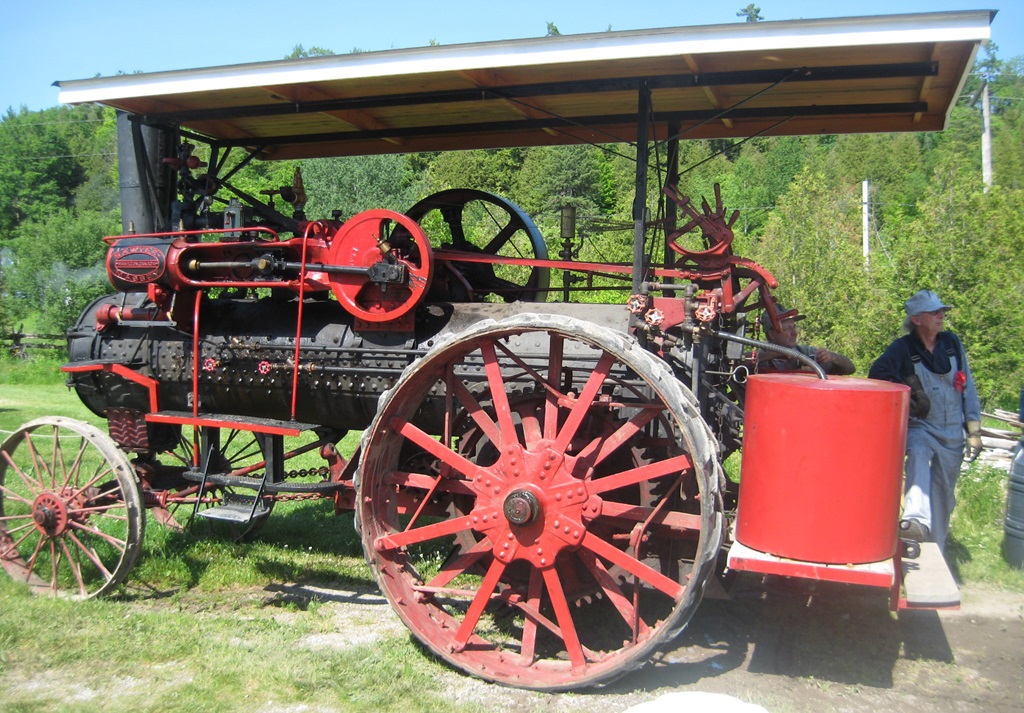
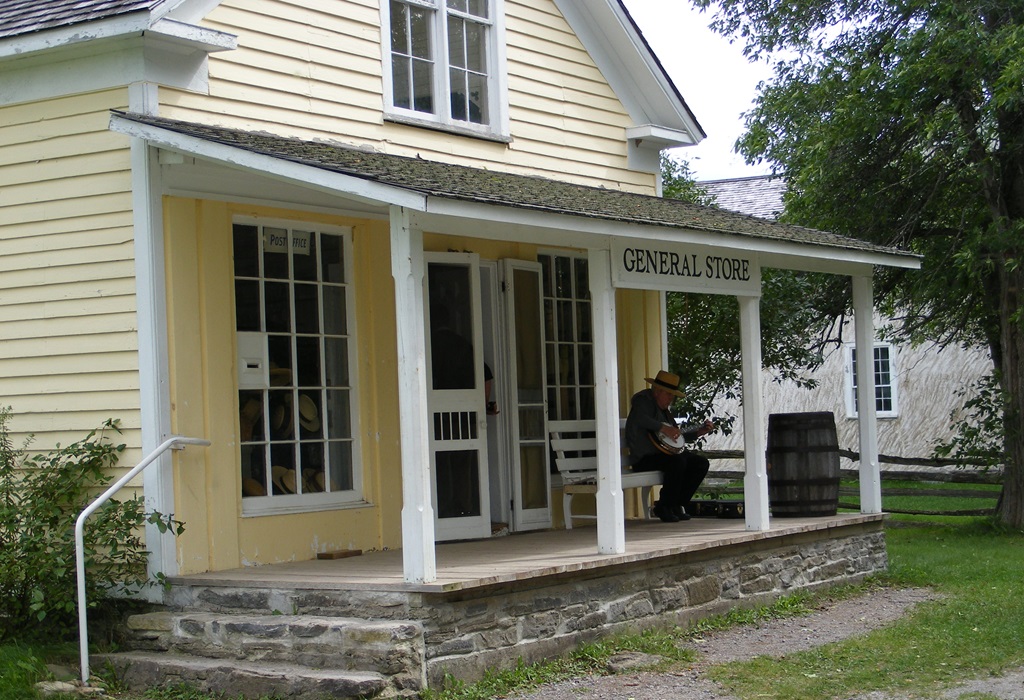
👟 What to Expect: Historic homes, barns, workshops, and agricultural demonstrations illustrating early rural life.
🏛 Village Experience: Visitors can walk through a recreated rural settlement representing life in the 19th century.
📅 Special Events: Seasonal programs and heritage festivals highlight traditional farming, crafts, and rural community life.
🚗 Parking: On-site parking available
🌐 Official Website: Lang Pioneer Village Museum
Lang Pioneer Village Museum: Preserving Peterborough County’s Farming Heritage
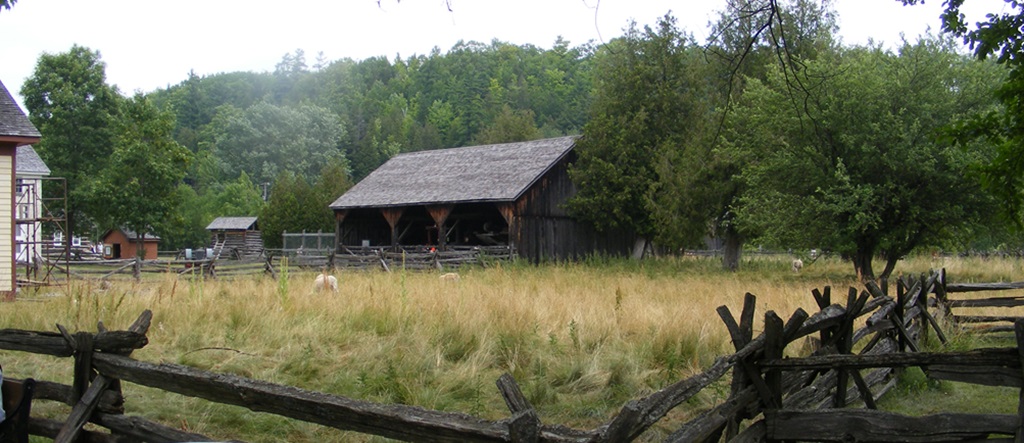
Lang Pioneer Village Museum serves as an important centre for preserving the agricultural and rural history of Peterborough County. The open-air museum features a collection of historic buildings that reflect the development of farming communities throughout the region during the 19th century.
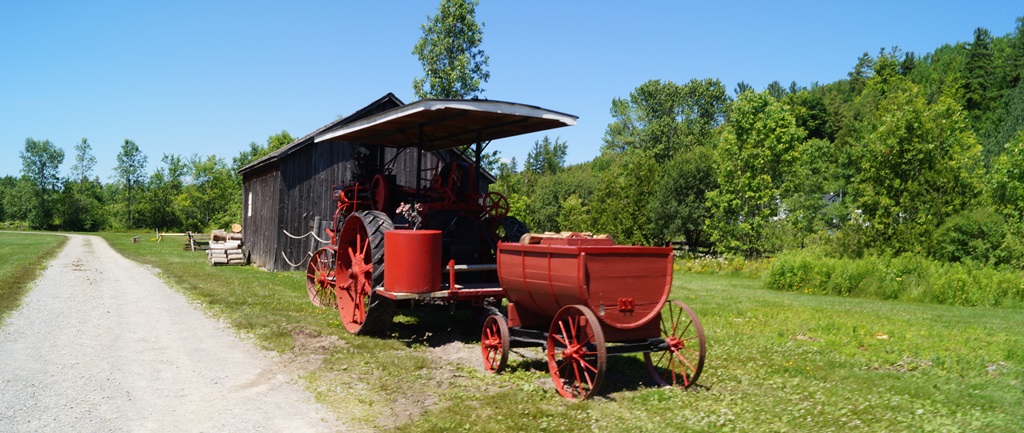
Through preserved farm structures, artifacts, and heritage demonstrations, visitors can learn how early settlers cleared land, built farms, and established rural communities. The village helps preserve the stories and traditions of the farming families who helped shape the Kawarthas region.
Did You Know?
Lang Pioneer Village Museum is named after the Lang family, early settlers who played an important role in the development of the region.
Many of the buildings in the village were relocated and restored to preserve examples of early rural architecture and agricultural life in Peterborough County.
The Heritage Attraction at a Glance & the Story Behind the Site
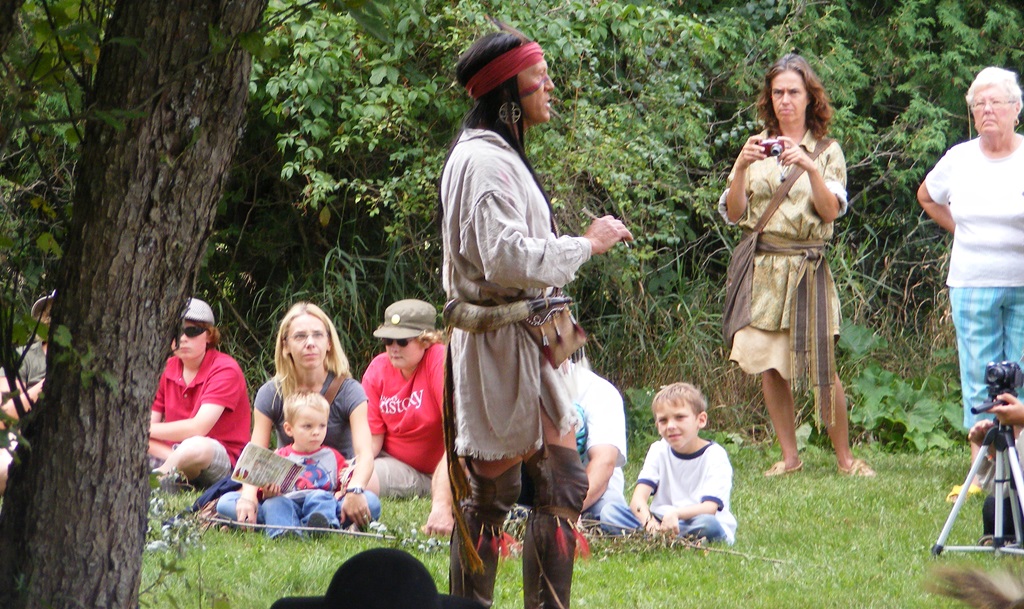
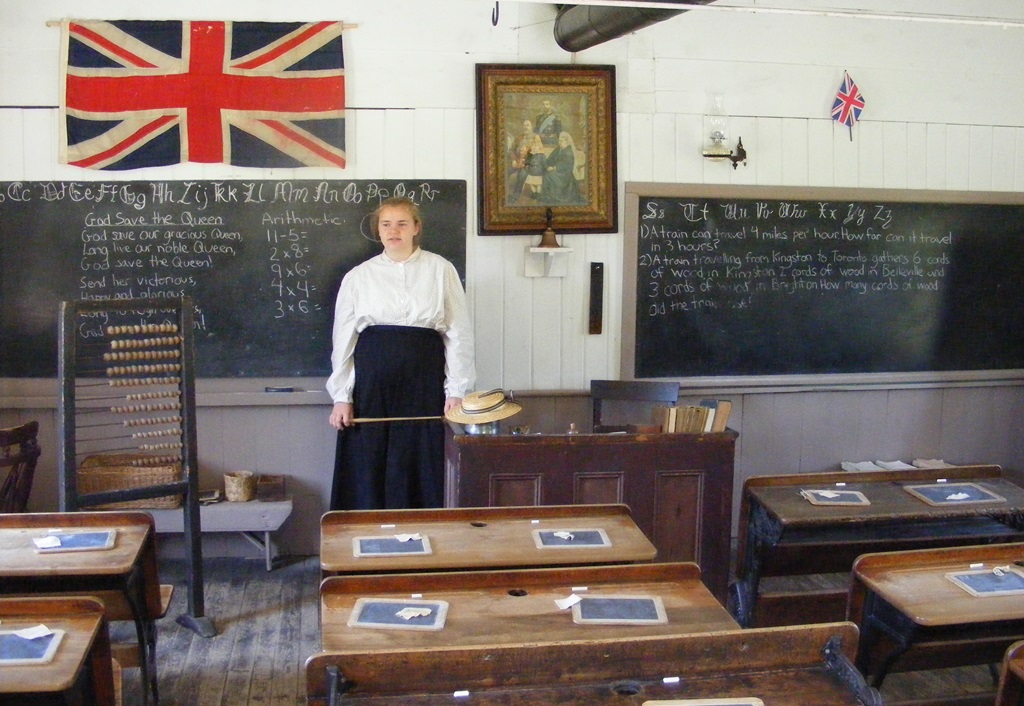
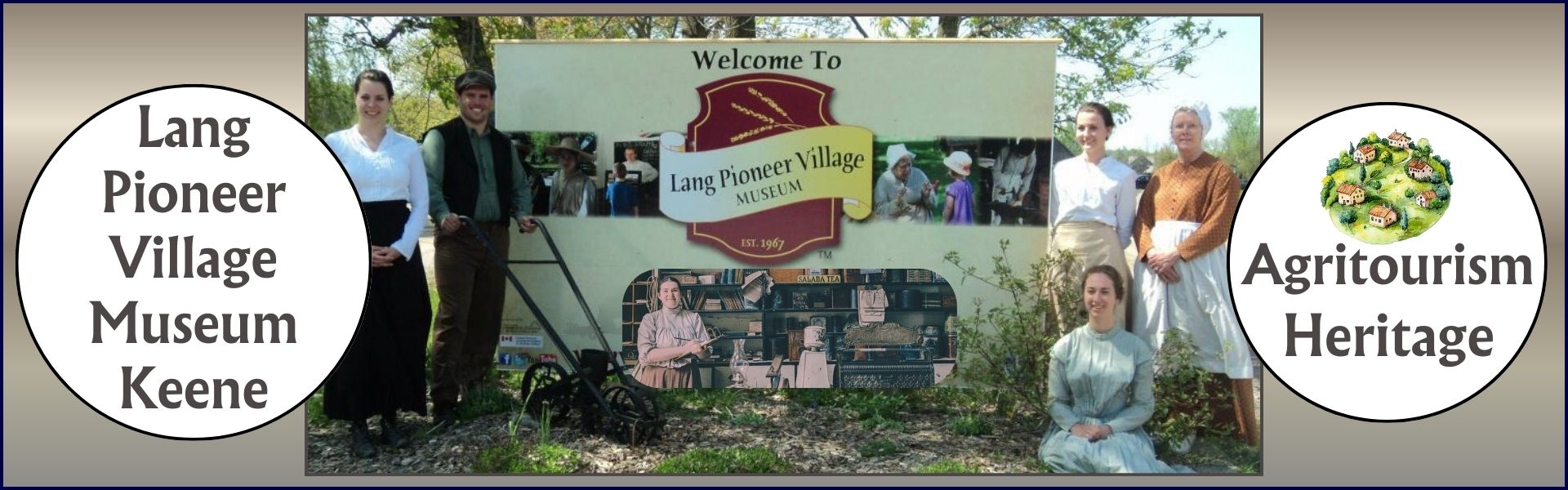
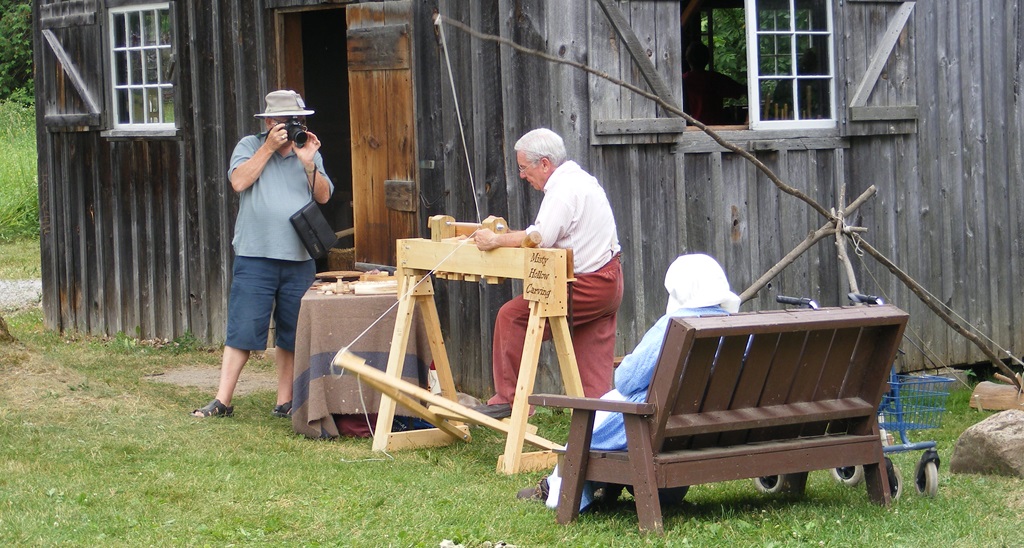
Lang Pioneer Village Museum offers an immersive living-history experience of 19th-century rural life, with more than 30 restored and reproduced buildings interpreted by costumed villagers demonstrating daily chores, trades, and traditions that shaped early Ontario settlement. The museum was established in 1967 by the County of Peterborough to preserve and interpret the region’s rich historical fabric.
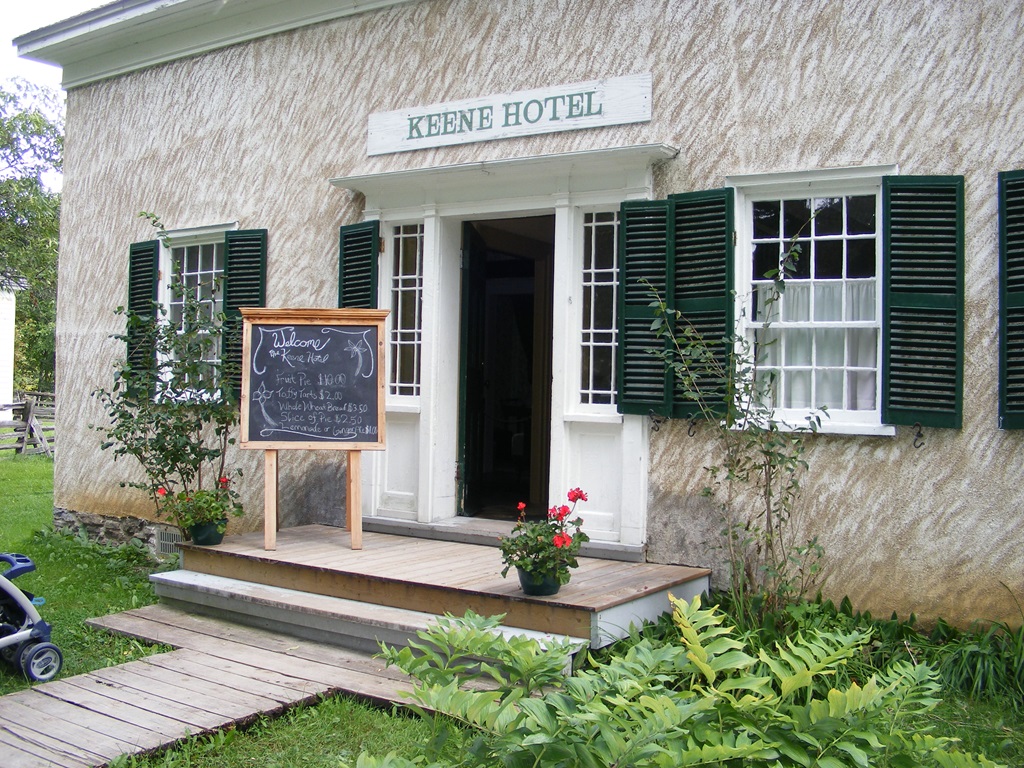
The site also acknowledges the deep Indigenous history of the land, the village sits within Treaty 20 Michi Saagiig territory and the traditional territory of the Michi Saagiig and Chippewa Nations, collectively known as the Williams Treaties First Nations. Lang Pioneer Village respectfully recognizes these First Nations as stewards of the lands and waters on which the museum operates.
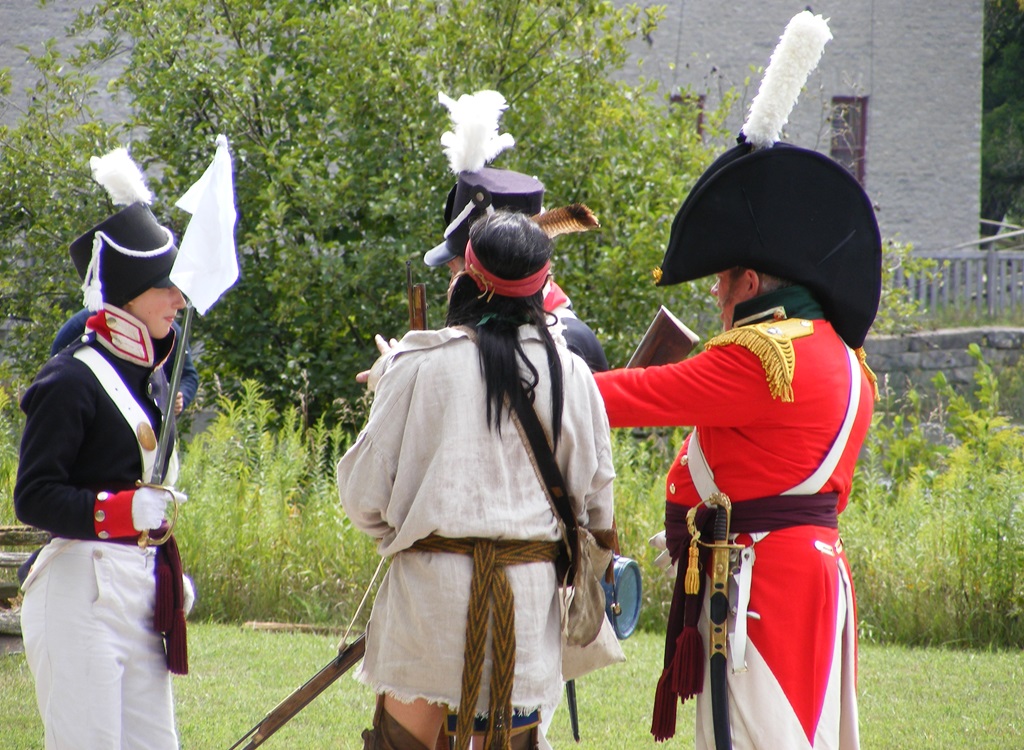
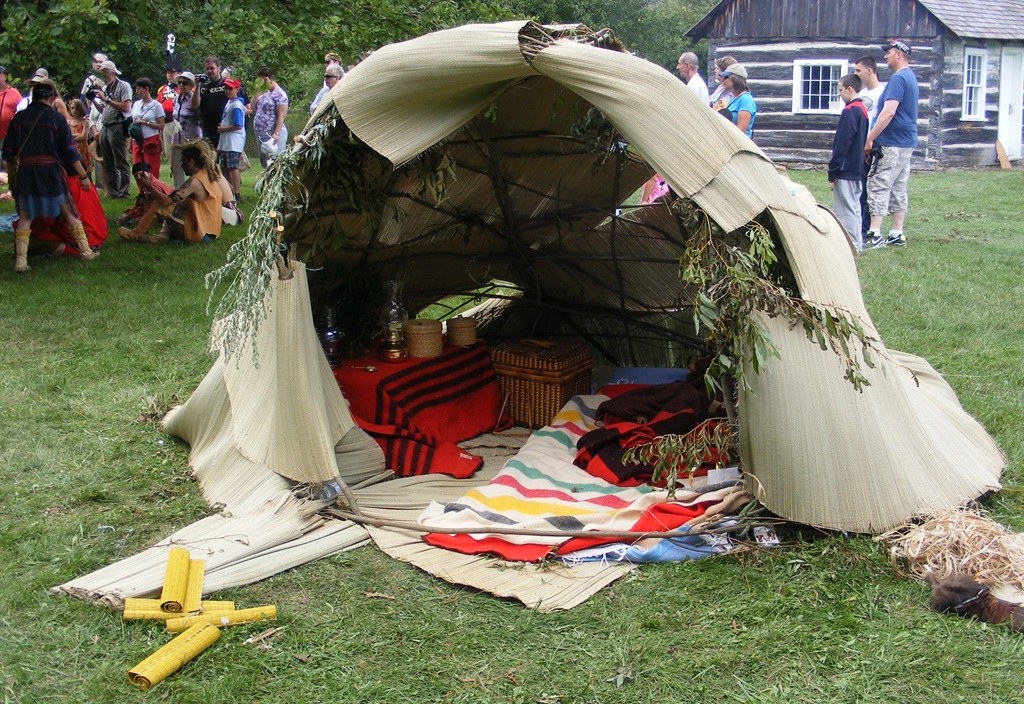
A key example of this collaboration is the Aabnaabin Camp and the “Aabnaabin: Looking Back to Where We Come From” exhibit, presented in partnership with Curve Lake and Hiawatha First Nations. These elements interpret the history and culture of local Indigenous peoples and share the impacts of settlement from Indigenous perspectives, creating a more inclusive and complete historical narrative.