



Guide to Agritourism
Urban & Curious: A Friendly Guide to Agritourism
If you live in a city and find yourself drawn to the idea of fresh air, honest food, and hands-on experiences, agritourism is your bridge from concrete to countryside. It’s the umbrella term for farm-based activities that welcome visitors: pick-your-own orchards, roadside stands, corn mazes, pumpkin patches, maple syrup festivals, farm B&Bs, guided tours, and harvest celebrations. At its best, agritourism is not only a day out, it’s a window into how food is grown, how rural communities thrive, and how your choices as a consumer can make a difference.
This guide is for the “urban and curious” traveler: people who want more than a photo-op. You want to learn, taste, and support local producers while having a genuinely good time. Here’s how to get the most out of it.
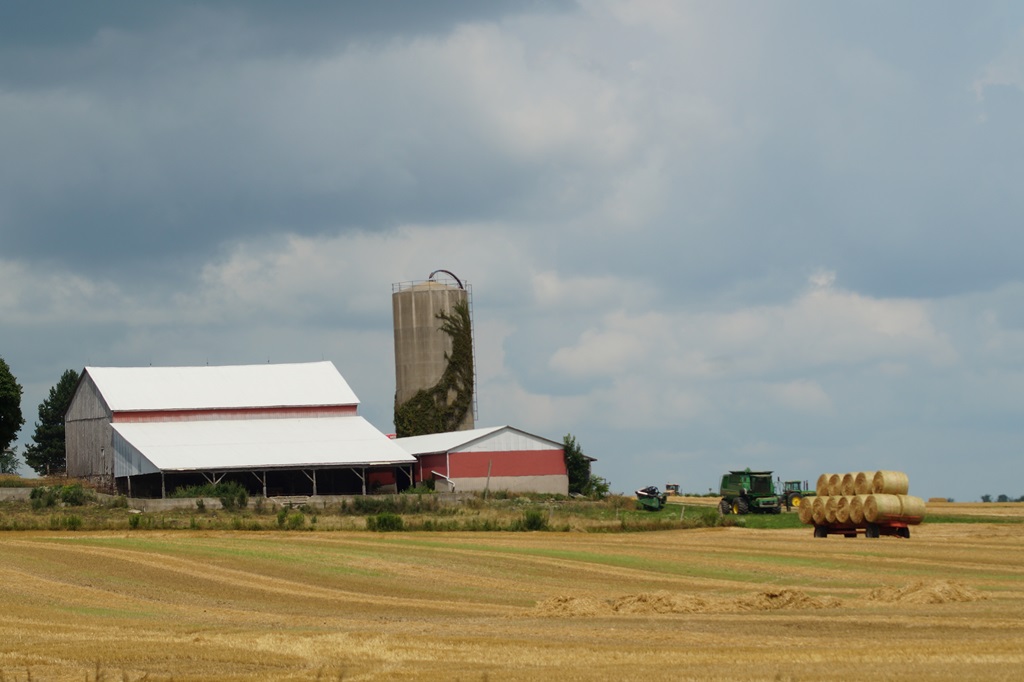
Road Less Traveled – Country Farm Scene
Why agritourism matters (to you and to farmers)
Agritourism offers a rare mix of education and enjoyment. For visitors, it’s a chance to see where food comes from, ask questions you can’t ask in a supermarket, and enjoy fresh produce at peak season. For farmers, your visit diversifies income, adds resilience in years when crops or prices are challenging, and builds long-term relationships with the people who eat their food. Your ticket or fruit basket helps keep small family farms viable, preserves open land, and strengthens rural economies. That’s a big impact from a simple day trip.
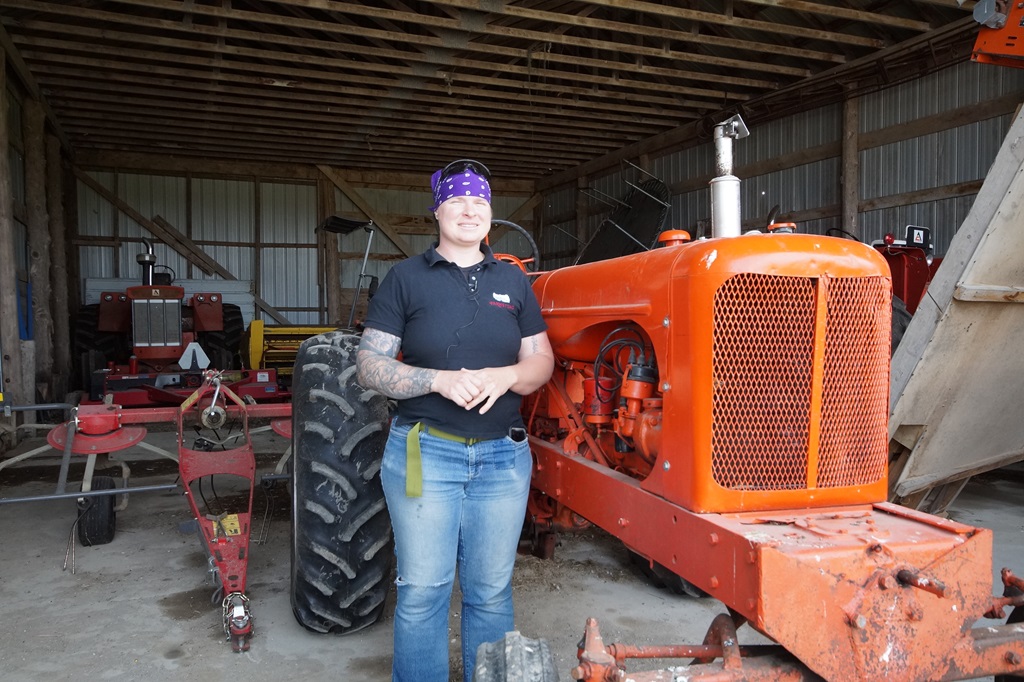
Amanda (Farmstead BnB) at Franken Tractor
Three gateways into agritourism
Most first-timers begin with one (or more) of these: pick-your-own farms, roadside stands, and on-farm experiences. Each one offers a slightly different vibe, and together they add up to a delicious, hands-on education.
1) Pick-your-own (U-pick) farms
What to expect: U-pick farms invite you into the orchard or field to harvest your own fruit or vegetables. Strawberries, raspberries, blueberries, apples, pumpkins, sweet corn, and cut-your-own flowers are common. You typically pay by weight or container. Staff will explain what’s ripe, where to pick, and any rules (e.g., stay within marked rows, don’t climb trees, keep pets in the car).
When to go: Seasons vary by crop and climate, but a rough guide is strawberries in late spring/early summer, berries mid-summer, apples late summer into fall, pumpkins in autumn. Peak weekends can get busy; weekday mornings are quieter and cooler.
What to bring: Closed-toe shoes, sun protection, water, and a reusable bag or cooler for the trip home. Some farms provide containers; others require you to purchase theirs, check ahead.
U-pick etiquette: Pick only the fruit you intend to pay for; taste-testing should be minimal and usually discouraged. Handle plants gently. Follow signs and keep to paths, biosecurity and crop health depend on it. Pay attention to weather, fields close when it’s muddy or after heavy rain to prevent damage.
Why you’ll love it: You’ll learn how to spot ripeness (color, aroma, “give”), you’ll appreciate the work behind every pint, and you’ll go home with produce that tastes incredible because you harvested it at peak flavor.
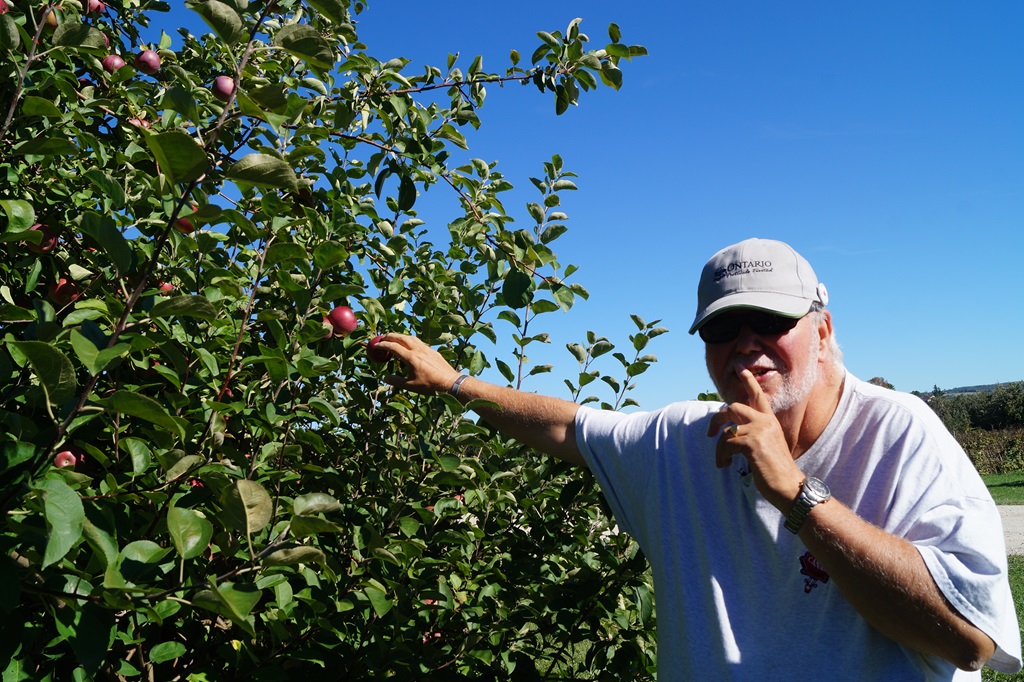
Apple Picking
2) Roadside stands and farm stores
What to expect: Roadside stands range from small, honor-system tables to full farm markets with baked goods, dairy, preserves, and ready-to-eat snacks. It’s the quickest way to tap into a farm’s seasonal offerings.
How to shop well: Bring cash as some smaller stands may not take cards (many do, but “tap” isn’t universal). Ask what’s grown on the farm versus brought in from partners, both can be great, but it’s good to know. Look for seconds or “imperfect” boxes for canning and baking. Respect posted hours and parking areas; these are working properties, not rest stops.
Storage tips: Produce is often picked that morning, handle it like it’s precious. Keep berries cool, don’t wash until you’re ready to eat, and transport tender items in a cooler if you’re making more stops.
Why you’ll love it: It’s a taste-it-now way to eat the season, sweet corn tonight, peaches tomorrow, pumpkin bread when the air turns crisp. You’ll also meet the people who grew it, which changes how you taste everything.
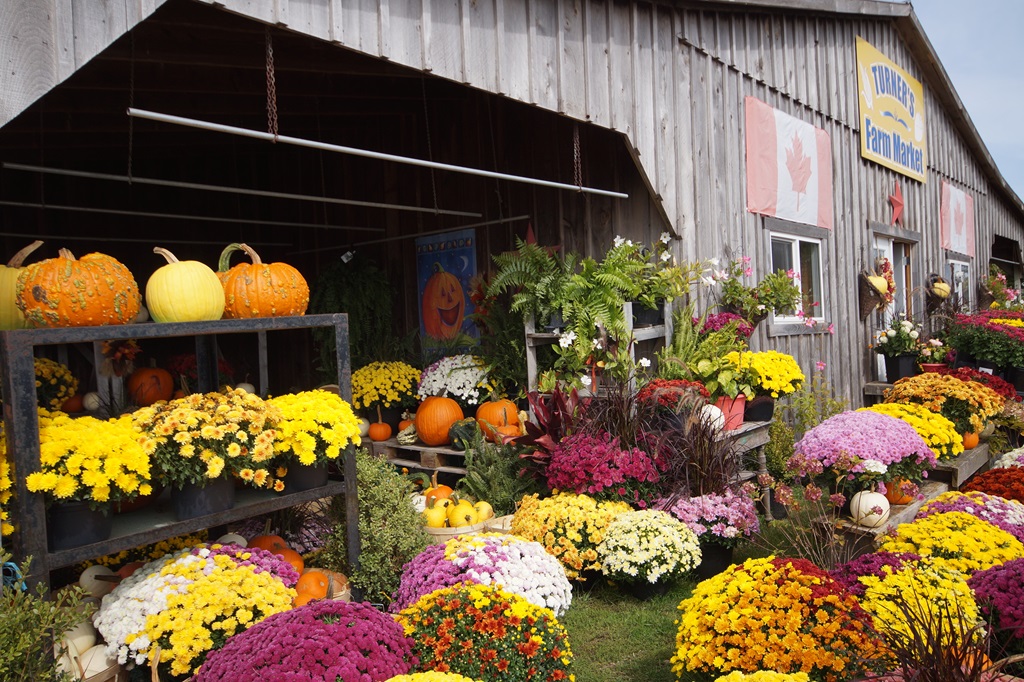
Farm Store
3) On-farm experiences
This is where agritourism becomes a full experience, combining education, recreation, and local culture.
Corn mazes
Usually available late summer into fall, mazes vary from family-friendly to legitimately challenging. Expect wayfinding games, trivia posts, and sometimes night mazes. Wear sturdy shoes, bring water, and check the farm’s policy on strollers (maize paths can be bumpy).
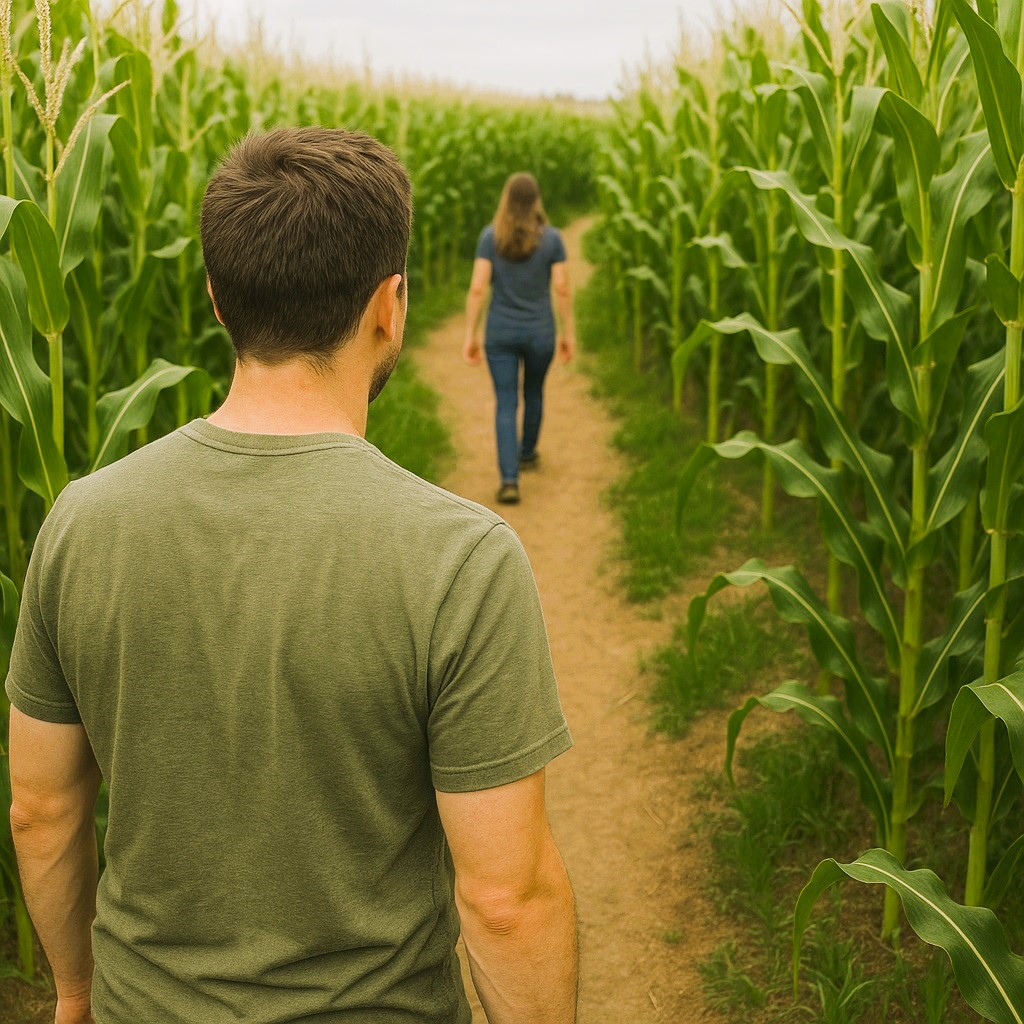
Corn Maze
Pumpkin patches
Beyond choosing a pumpkin, many farms offer wagon rides, petting areas, cider, and carving kits. Some patches price by size; others by weight. If you’re carving later, choose a firm, unblemished pumpkin and store it somewhere cool.
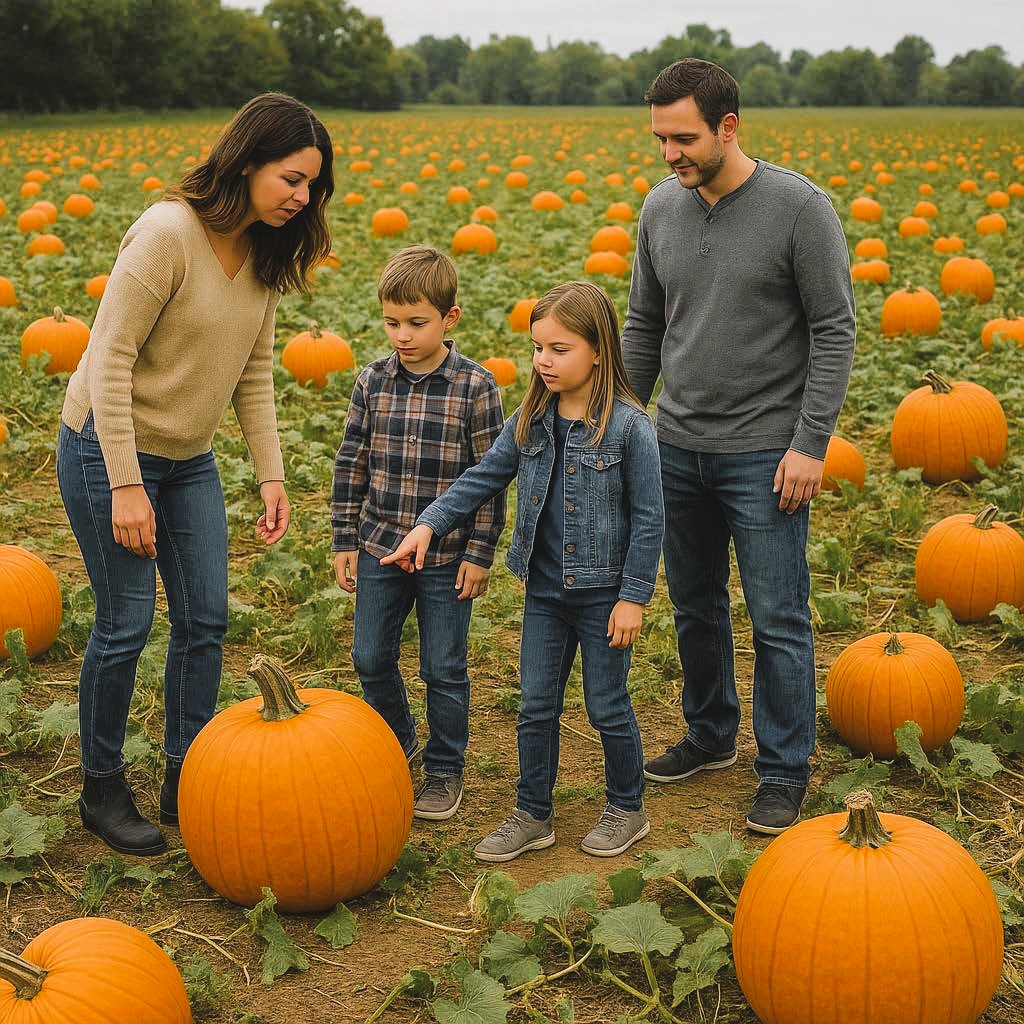
Pumpkin Patch
Farm B&Bs and stays
A night or weekend on a working farm is a different kind of reset: quiet mornings, starry skies, and a front-row seat to chores and rhythms. Ask about what’s included, breakfast from the farm, opportunities to help with feeding, or guided walks. Bring layers and expect early farm sounds (roosters don’t sleep in).
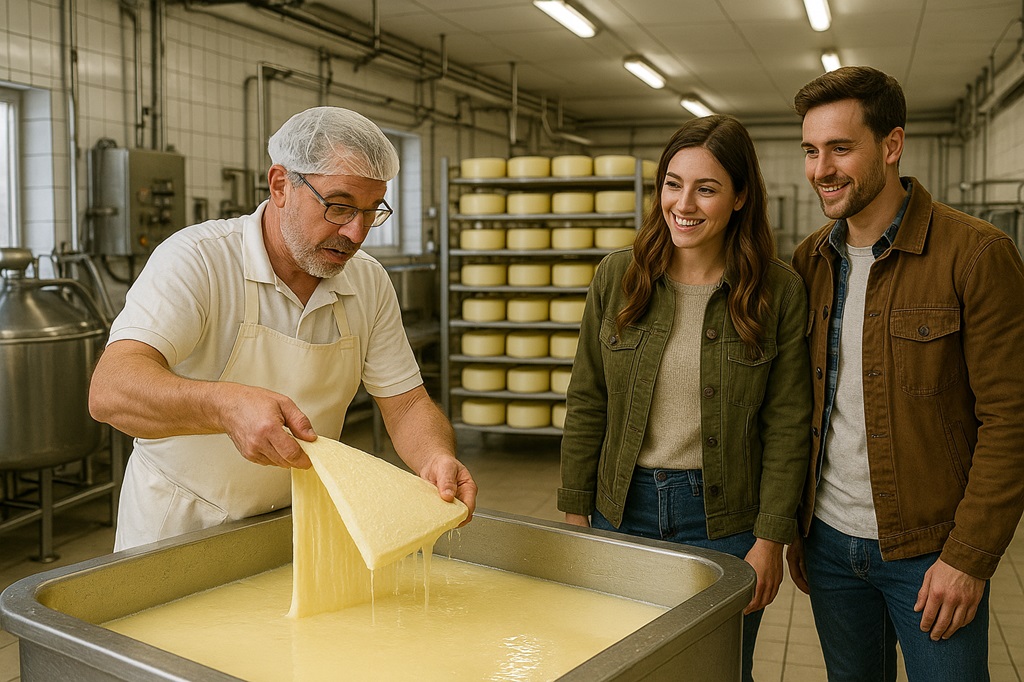
Farm Experience
Farm tours
Short, guided tours give you a behind-the-scenes view: how orchards are pruned, how livestock are cared for, or how cheese, cider, or honey is made. Tours tend to run on set schedules; pre-booking is common. Come ready with questions, farmers are natural educators. Many times, we’ve stopped to watch farmers at work. Often they will wave to us, and sometimes they will even stop and explain what they are doing.
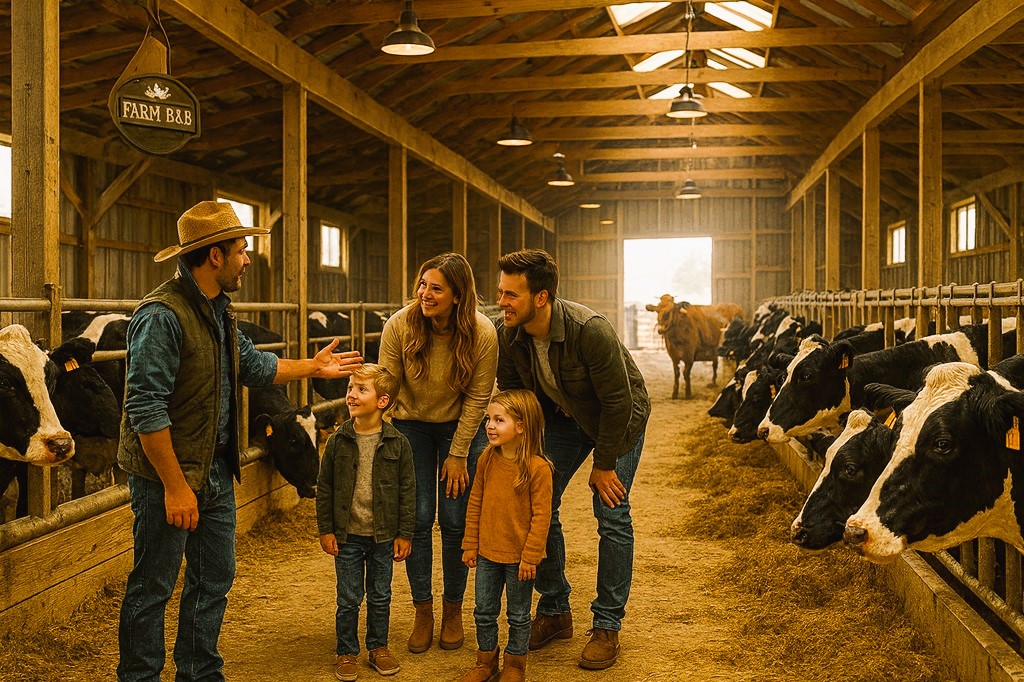
Farm Tours
Maple syrup festivals
In late winter to early spring, sap flows when days warm and nights freeze. Festivals often include sugar shack tours, evaporator demos, tasting flights (yes, there are grades and flavor notes), and maple treats. Wear boots, it’s charmingly muddy season.
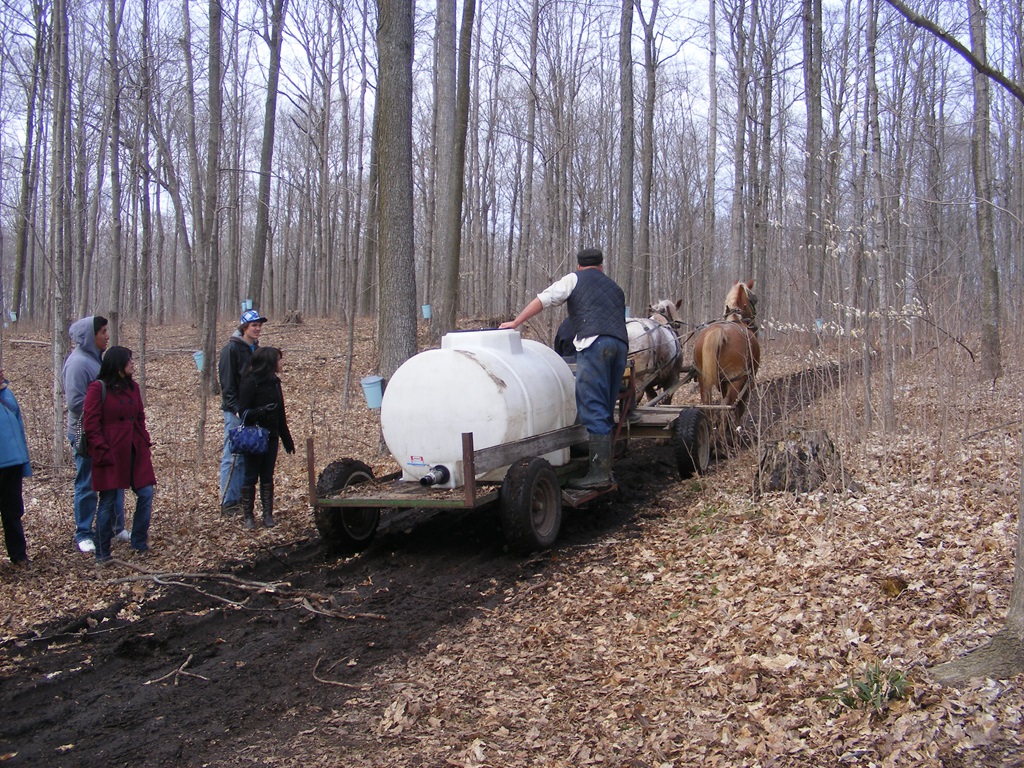
Elmira Maple Syrup Festival
Educational tours and school visits
Many farms design programs for families and schools: soil and pollinator lessons, seed starting, and “meet the animals” sessions. These are hands-on, aligned to age levels, and fantastic for kids who learn by doing.
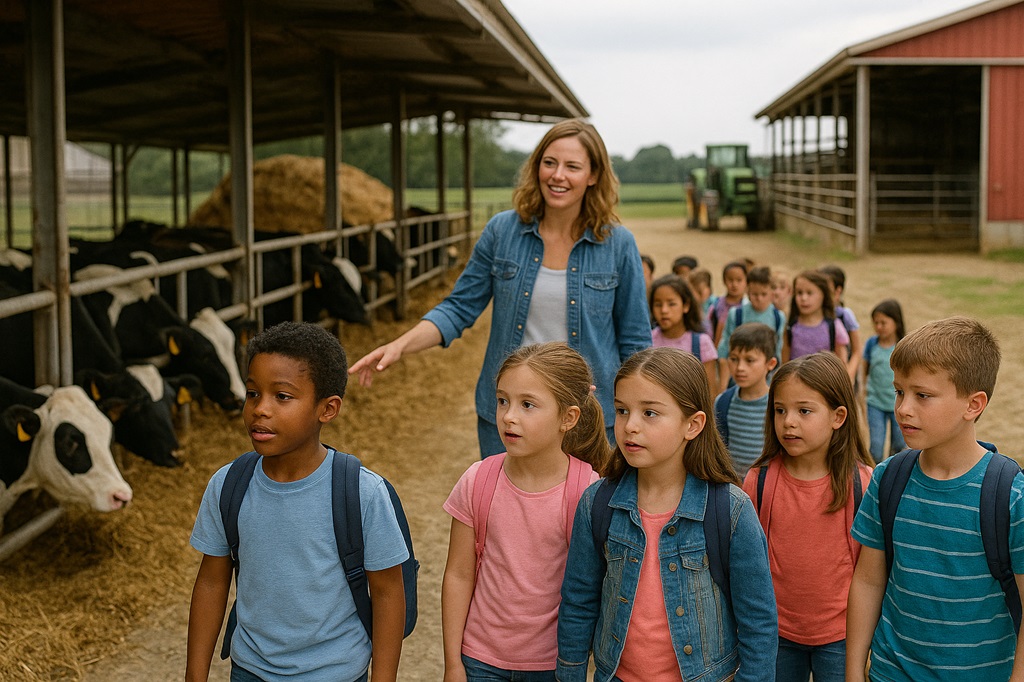
School Trip
Harvest festivals
Fall is celebration time. Expect live music, vendor markets, farm suppers, and community traditions that reflect local crops, apple pies, squash soups, corn roasts. These events can be the heart of rural culture, plan for crowds and book tickets early.
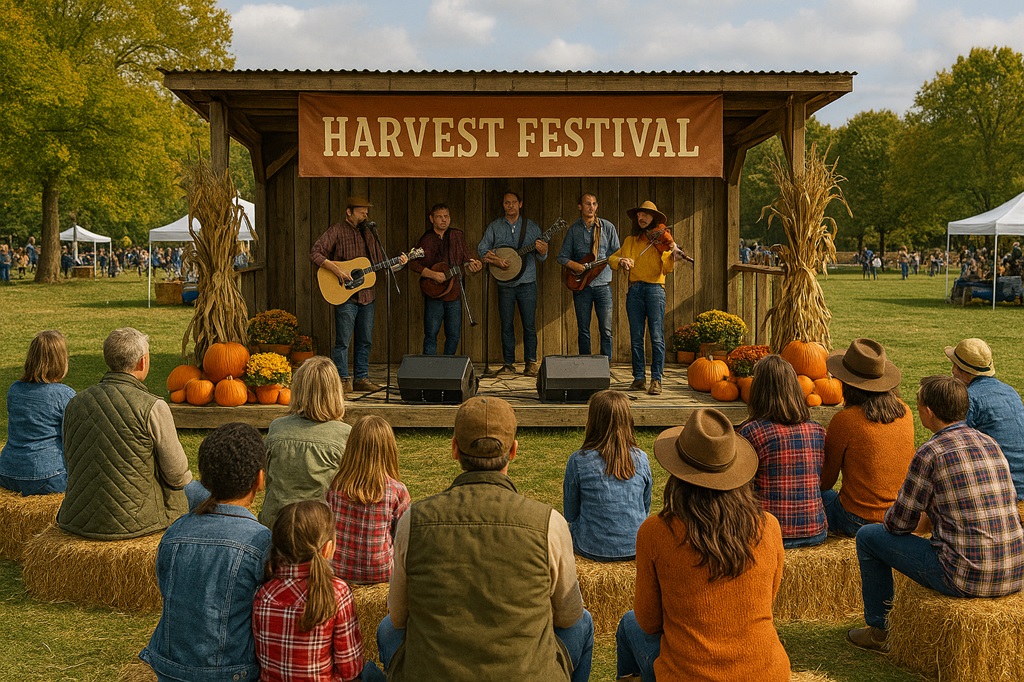
Harvest Festival
Planning your visit: practical tips
Check the farm’s channels before you go. Hours change with weather and harvest. A surprise frost or rain can close fields, and special events might require timed tickets.
Mind the season. Farm life is cyclical. Lean into what the land is offering now rather than hunting for out-of-season items.
Dress for a farm, not a café. Closed-toe shoes, layers, a hat, and washable clothes. Fields are uneven; barns can be dusty; sun reflects off everything.
Pack smart. Reusable bags, a cooler, hand wipes, water bottles, and small bills. If you’re traveling with kids, add a change of clothes and a towel (hayrides and puddles happen).
Ask about accessibility. Many farms are improving paths, ramps, and washrooms; others have gravel or grass surfaces that can be challenging. A quick call or message helps set expectations.
Pets. Most farms do not allow outside animals for safety and biosecurity. Assume your dog is not invited unless the farm explicitly says otherwise.
Payment and fees. Admission often covers mazes, play areas, and wagon rides; activities like gem mining or extra games can be add-ons. U-pick pricing is usually separate from admission. Clarify before you enter so you can budget.
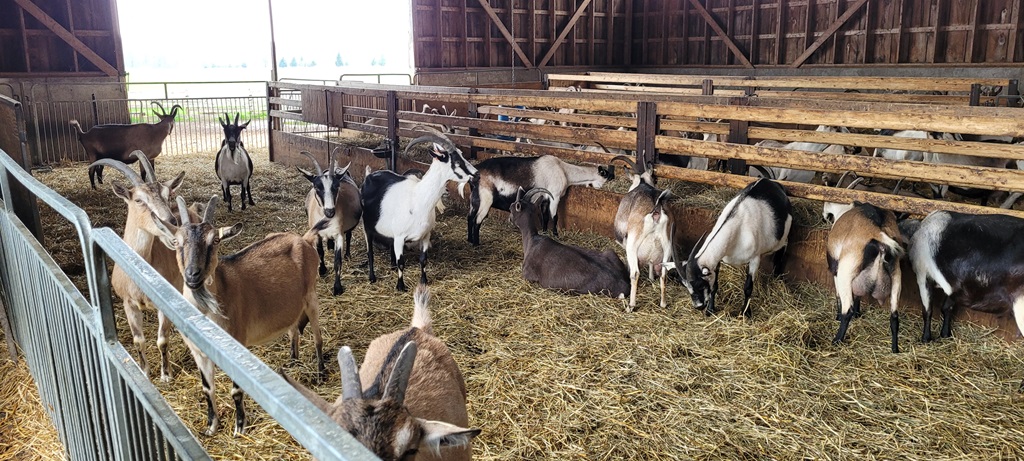
Goat Farm Experience
Safety and biosecurity: being a good guest
Farms are workplaces with living animals and heavy equipment. Your safety (and the farm’s health) depends on a few simple habits:
- Follow signs and stay in visitor areas.
- Don’t climb fences or gates; never enter animal pens without a guide.
- Wash or sanitize hands after touching animals and before eating.
- Don’t bring outside food near animals; it can be unsafe for them.
- Respect biosecurity requests like footbaths or restricted zones; they protect livestock from disease.
- Supervise children closely around tractors and machinery.
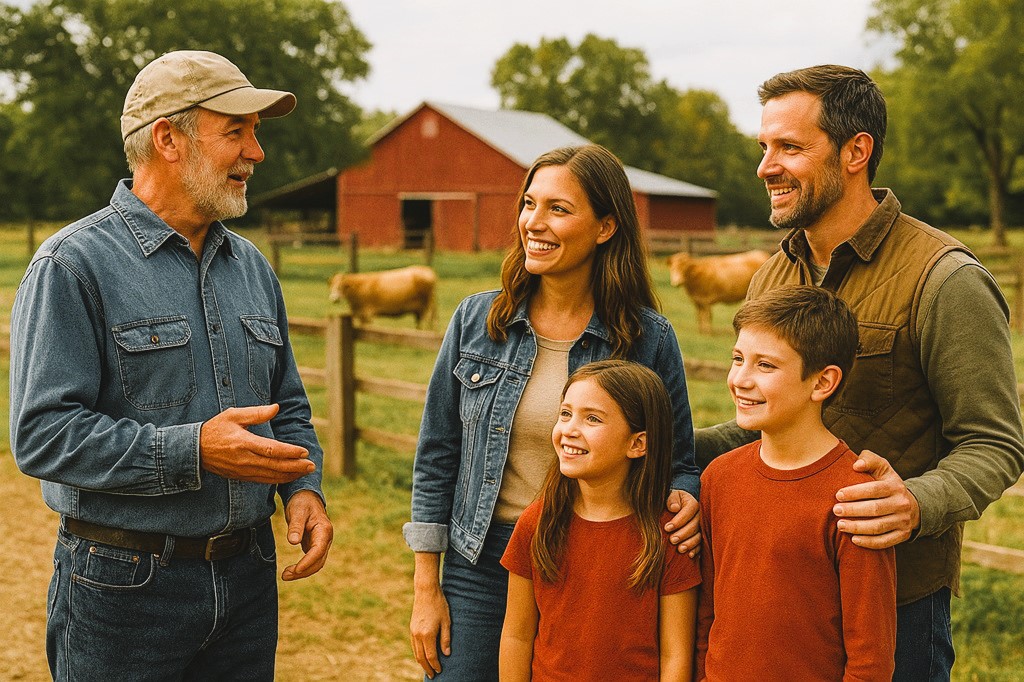
Learning from an Expert
How to get more out of your visit
Talk to farmers and staff. Ask how weather affected the crop this year, how they manage pests sustainably, or what they’re planting next season. You’ll leave with stories, not just snacks.
Taste the unfamiliar. Farm stores are full of varieties you don’t see in big supermarkets: heritage tomatoes, rare apples, new squash shapes. Ask how to cook them, farmers and bakers have favorite recipes.
Extend your impact. Consider a farm membership, CSA share, or return trip for a different crop later in the season. Follow the farm on social to catch last-minute openings or “glut” deals (bumper crops offered at great prices).
Think beyond produce. Many farms host artisan markets, rural heritage demonstrations, or workshops (cheese-making, wreath-making, cider blending). These deepen your connection and build skills you bring home.
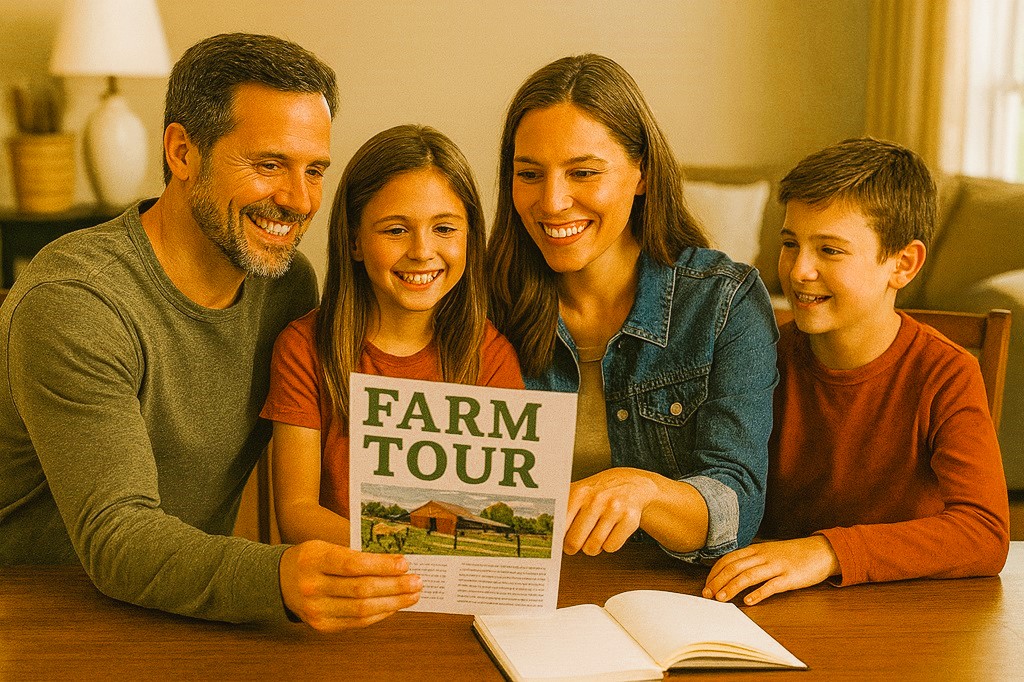
Plan Before You Trip
Sample day trip for the urban & curious
Morning: Arrive at a U-pick orchard right when they open. Chat with staff about what’s ripe, pick a modest amount, and enjoy the quiet of the rows before crowds arrive.
Midday: Drive 10–20 minutes to a farm store or roadside stand. Pick up bread, cheese, and a jar of something you’ve never tried (pickled garlic scapes? apple butter?). Picnic at a signed area or head to a nearby conservation area.
Afternoon: Book a guided farm tour or corn maze session. Ask questions, try samples, and learn how the farm handles soil health, irrigation, or pollinators. Before heading home, grab a “seconds” box for sauce or jam and a fresh-pressed juice for the road.
Evening at home: Involve everyone in prepping what you picked, wash, freeze, or cook right away. Label and date everything; future you will be thrilled.
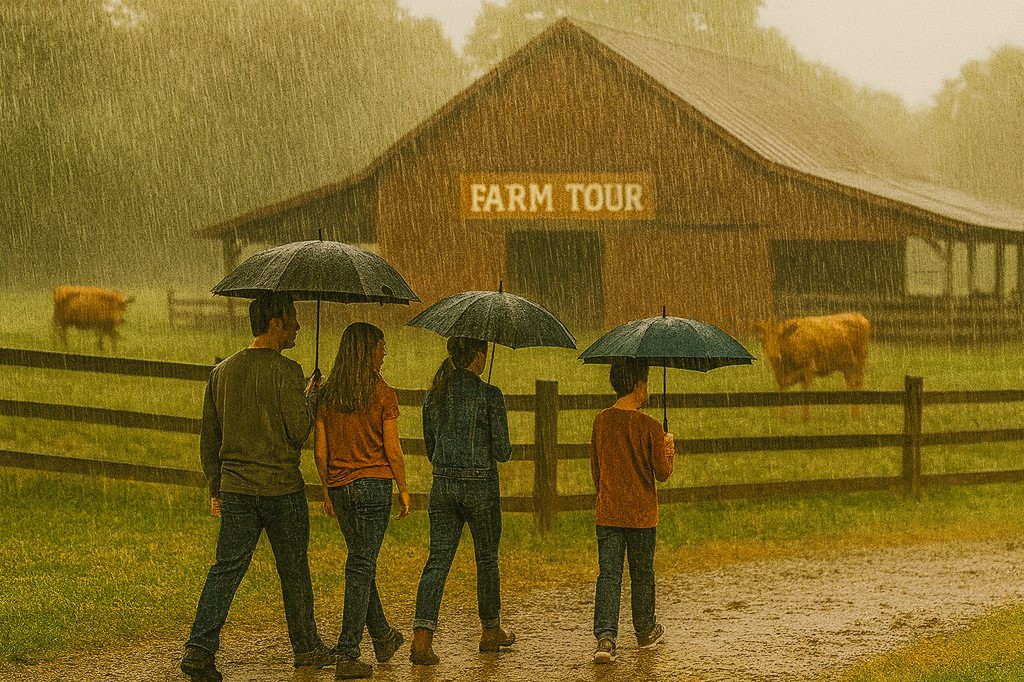
Being Prepared
Common questions
Will it be crowded? Peak harvest weekends and sunny fall days draw big crowds. Go early, choose weekdays, or visit shoulder seasons (early summer or late afternoon) for a calmer experience.
Is agritourism good for kids? Absolutely. Just plan for breaks, bring snacks, and choose age-appropriate activities. Hands-on learning sticks.
What if I don’t drive? Look for farms accessible by regional transit plus a short rideshare, or join organized day trips. Some farms run seasonal shuttles during festivals.
What if it rains? Light rain is fine (and less crowded); heavy rain can close fields. Always check the farm’s updates the morning of your trip.
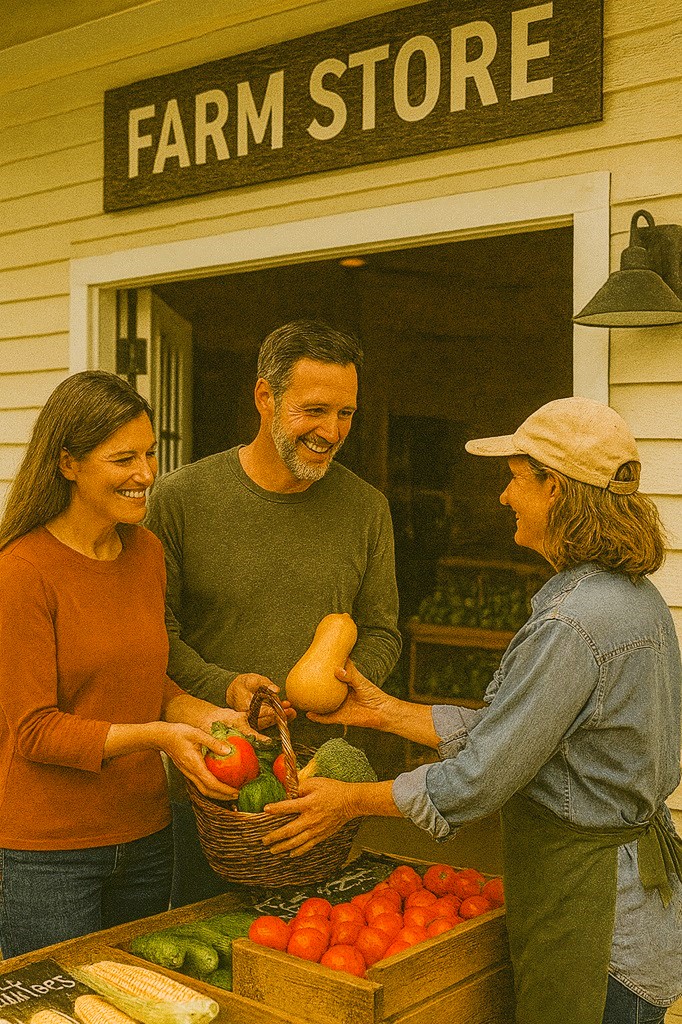
Learn from the Best
Visiting with care: the sustainability angle
Your visit can be part of the farm’s sustainability story. Bring reusable containers and bottles. Minimize food waste by picking what you’ll actually use. Buy from the farm’s “seconds” to reduce waste and save money. Ask about regenerative practices, cover crops, composting, perennial plantings, and celebrate farms taking those extra steps.
And remember: your polite patience matters. Farming is weather-dependent and often unpredictable. When frost hits or a thunderstorm rolls in, plans change fast. A little grace goes a long way.
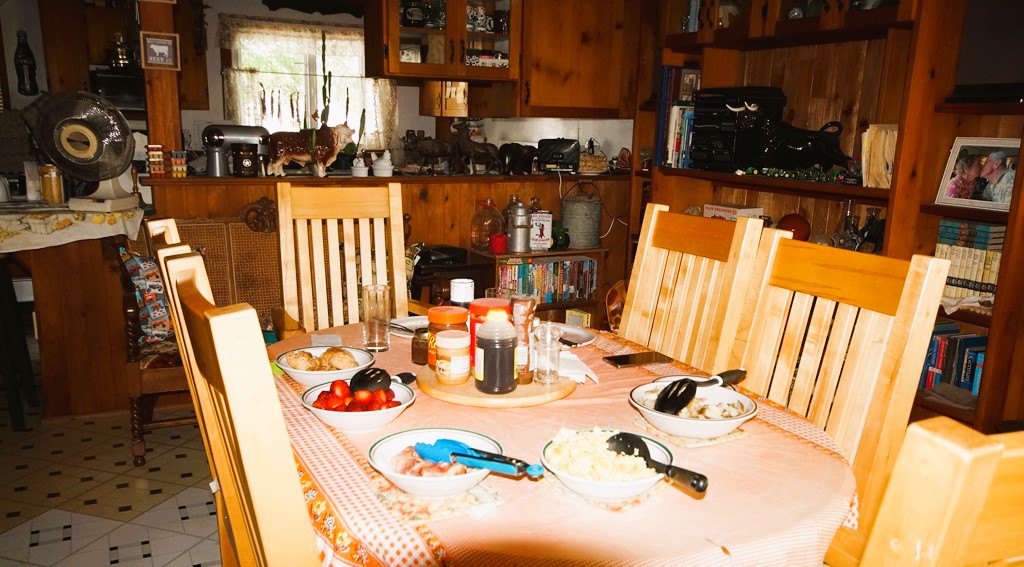
Enjoying a Farm BnB Breakfast
Agritourism is an invitation: come see, learn, taste, and participate. Whether you’re filling a basket at a U-pick, wandering a corn maze, waking up at a farm B&B to the smell of fresh coffee, or cheering at a harvest festival, you’re connecting to a food system that’s usually hidden behind packaging and distance. For urban and curious visitors, that connection is the real souvenir, a deeper understanding of how the seasons, the land, and the people who steward it all come together to feed us. Pack your curiosity (and a cooler) and make a day of it.
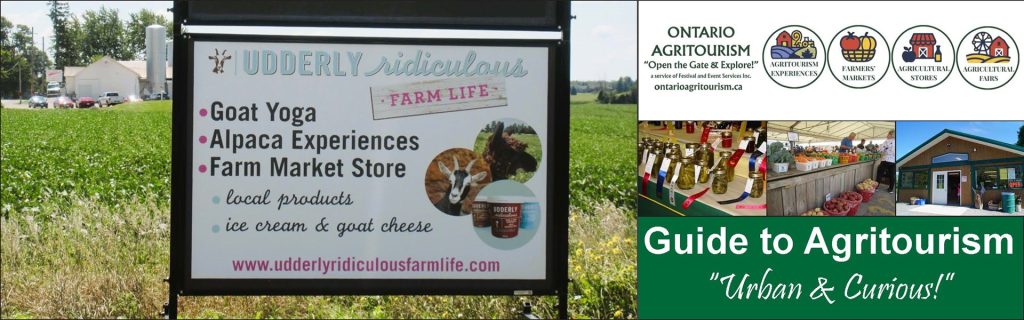
Use Our Guide to Enjoy Your Agritourism Experience!