



Glengarry Pioneer Museum


The Heritage Attraction at a Glance & the Story Behind the Site

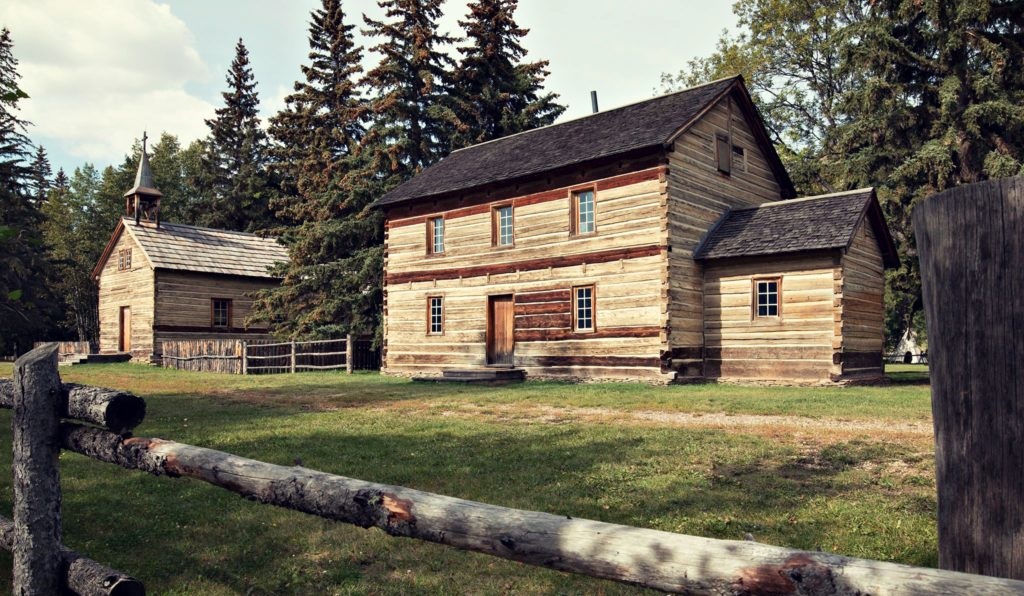
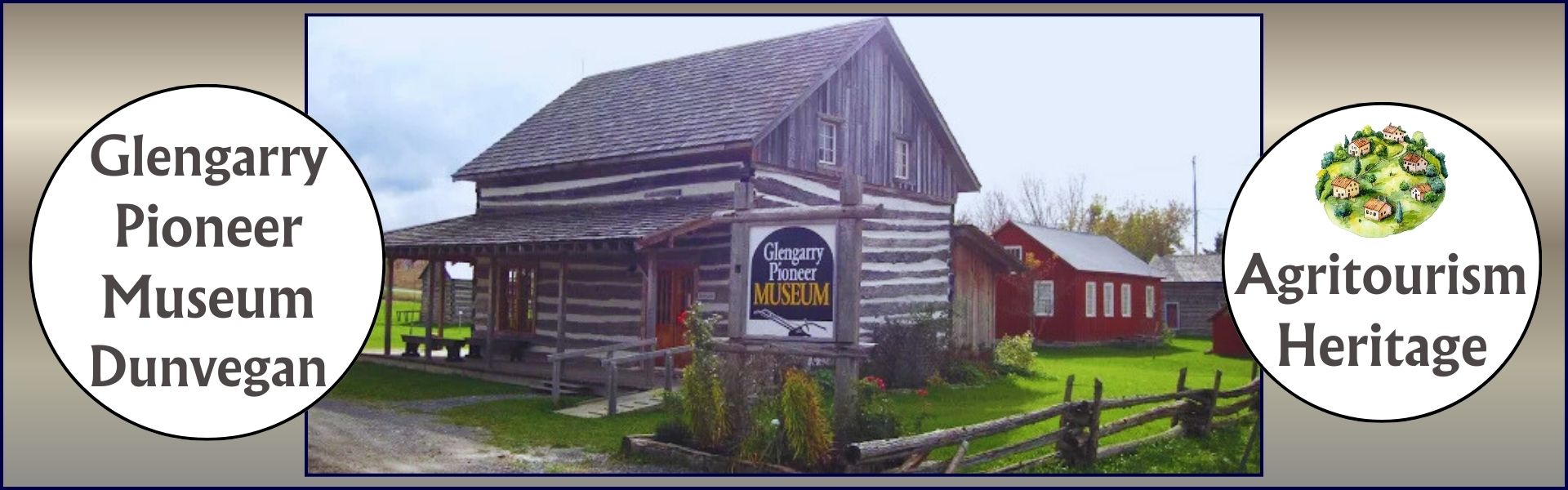
The Glengarry Pioneer Museum preserves and interprets the early rural history of eastern Ontario, focusing on the settlement and agricultural development of Glengarry County during the 19th century. Located in the village of Dunvegan, the museum brings together historic buildings, artifacts, and exhibits that reflect everyday life in one of Ontario’s most culturally distinct regions, long known for its strong Scottish heritage.
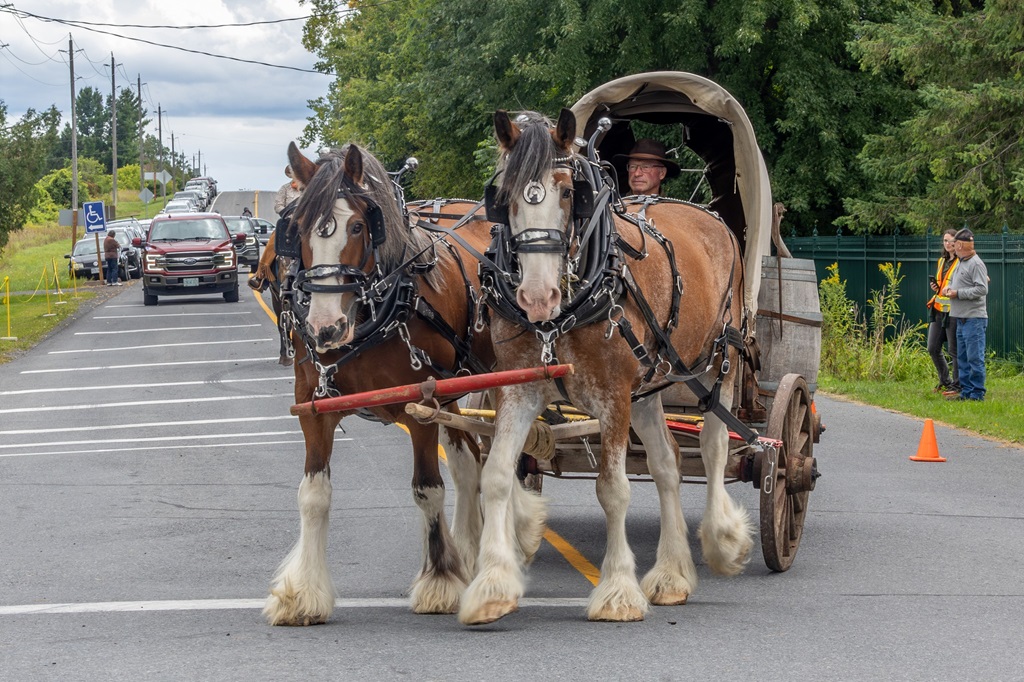
Photo 1

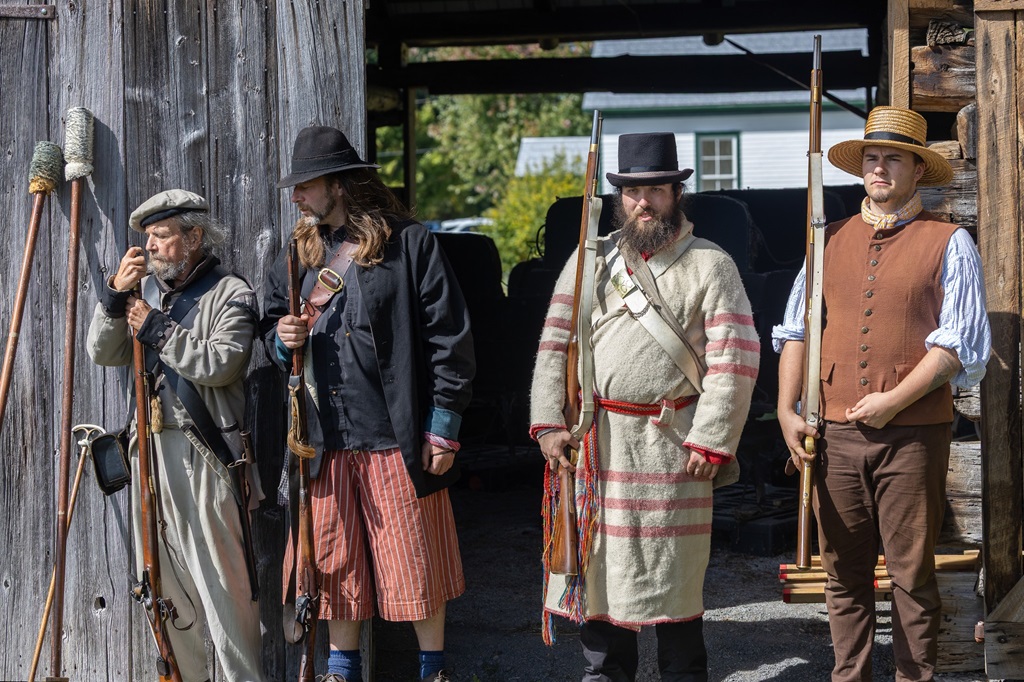
The museum was established to ensure that local buildings, tools, and traditions were not lost as rural life modernized. Over time, structures and collections were carefully preserved to form a heritage site that tells the story of how families lived, worked, worshipped, and built community. Interpretation at the museum places settlement history within a broader context, acknowledging that the area’s history extends far beyond European arrival.
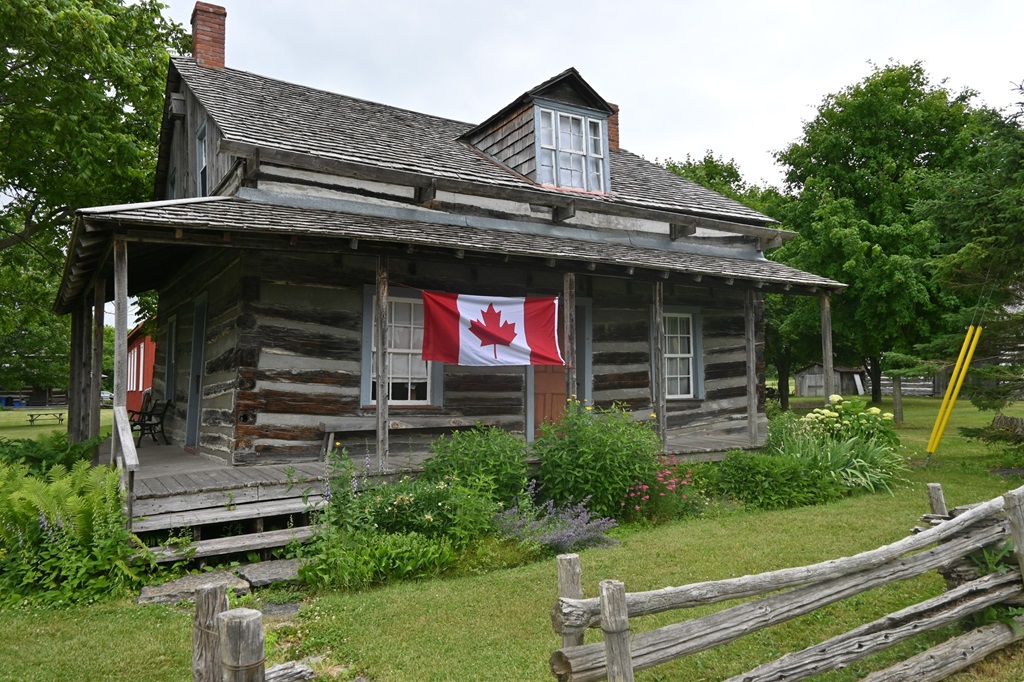
Photo 2

The land on which the museum stands is part of the traditional territory of the Kanien’kehá꞉ka (Mohawk) and other Haudenosaunee peoples, including those connected to the nearby Akwesasne community. The museum recognizes the long-standing Indigenous presence in the region and the importance of understanding Glengarry’s history as a layered story that includes Indigenous stewardship of the land prior to and alongside settlement.
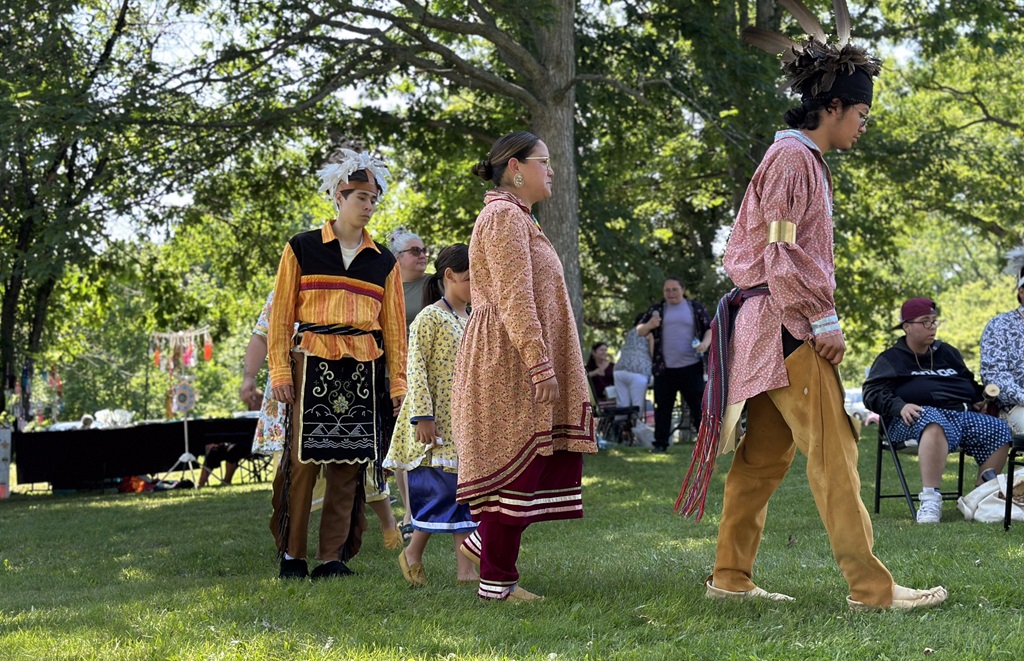
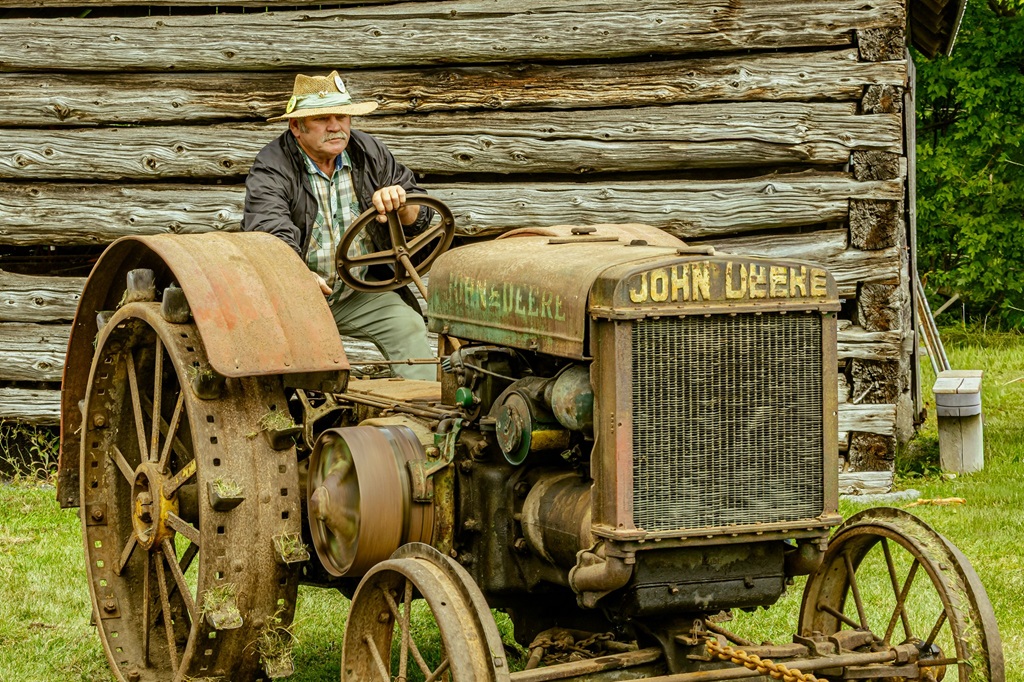
Photo3


Agriculture at the Heart of the Story

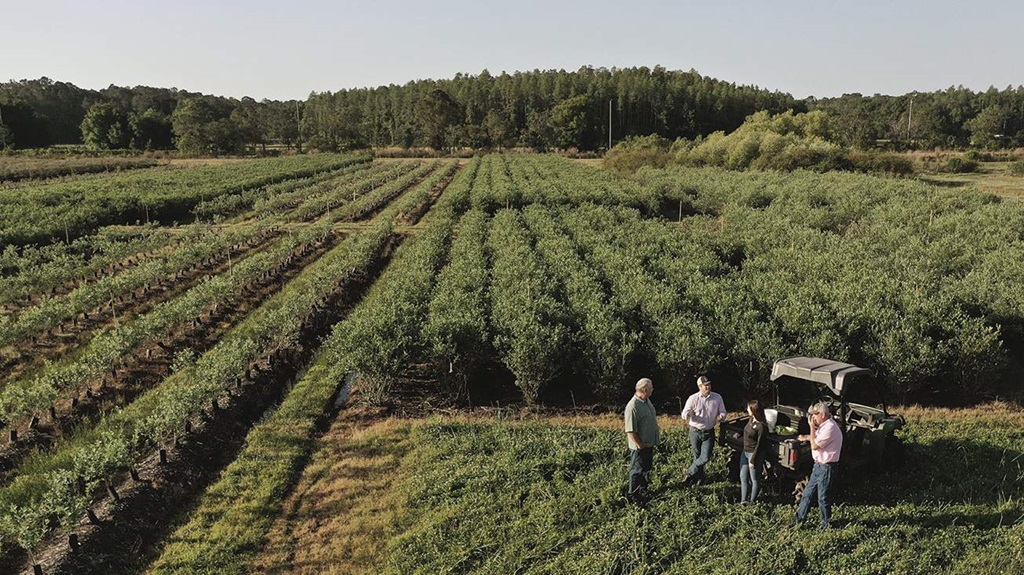
Agriculture was central to the survival and success of early Glengarry settlers and remains a defining theme throughout the museum. Farming shaped daily routines, seasonal work, and community cooperation, with families relying on mixed agriculture, livestock raising, and crop production to sustain themselves.

Photo 4

The museum’s agricultural artifacts and tools illustrate how pioneers cleared land, planted and harvested crops, and cared for animals using hand-powered equipment and shared labour. These displays also provide an opportunity to recognize that Indigenous peoples had long-established relationships with the land, guided by deep ecological knowledge and sustainable land-use practices that predate settler farming.

Photo 5

By interpreting agriculture as both a settler necessity and a continuation of human interaction with the land, the museum helps visitors understand how farming traditions evolved and how agriculture became the foundation of Glengarry’s rural economy and culture.

Photo 6


Rooted in the Local Community

The Glengarry Pioneer Museum is closely connected to the Dunvegan community and the surrounding rural landscape. Supported by local volunteers, historians, and community organizations, the museum reflects a shared commitment to preserving regional heritage and passing it on to future generations.

Photo 7

The museum also recognizes the importance of respectful relationships with Indigenous communities whose histories are inseparable from the land. Through inclusive interpretation and acknowledgment, the site encourages visitors to consider multiple perspectives and to appreciate the shared responsibility of preserving cultural heritage.

Photo 8

Serving as both an educational resource and a community gathering place, the museum continues to strengthen connections between past and present. Rooted in agriculture, community, and collaboration, the Glengarry Pioneer Museum plays an important role in Ontario’s agritourism heritage by celebrating the people, land, and stories that shaped, and continue to shape, this distinctive region.

Photo 9