
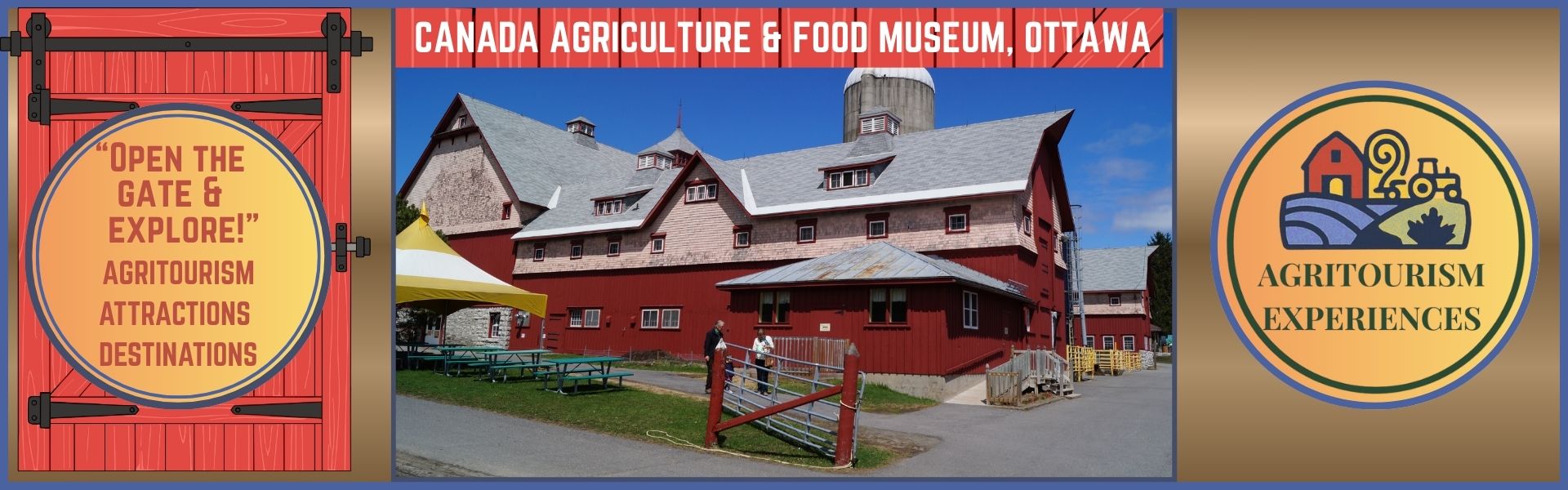



The Canada Agriculture and Food Museum is one of Canada’s most distinctive agritourism attractions—an active, working farm set in the heart of the nation’s capital. Operated by Ingenium, the museum offers a hands-on, immersive experience that connects visitors to the people, animals, technologies, and traditions that have shaped Canadian agriculture and food systems.
Unlike traditional museums, this is a place where agriculture is not simply displayed—it is lived, practiced, and experienced every day.
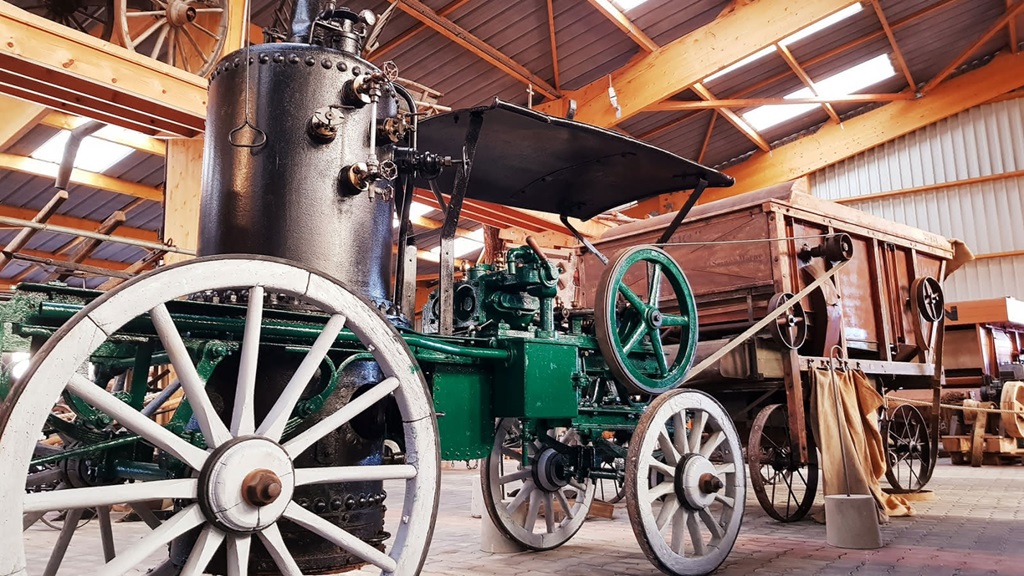
The museum traces Canada’s agricultural history from early Indigenous food systems and settler farming practices through to modern agricultural science and sustainability. Exhibits explore how farming has evolved across regions, climates, and generations, highlighting the essential role agriculture has played in Canada’s economic, cultural, and social development.
Historic artifacts, machinery, tools, and interactive displays help tell the story of how Canadians have grown, raised, preserved, and shared food for centuries.
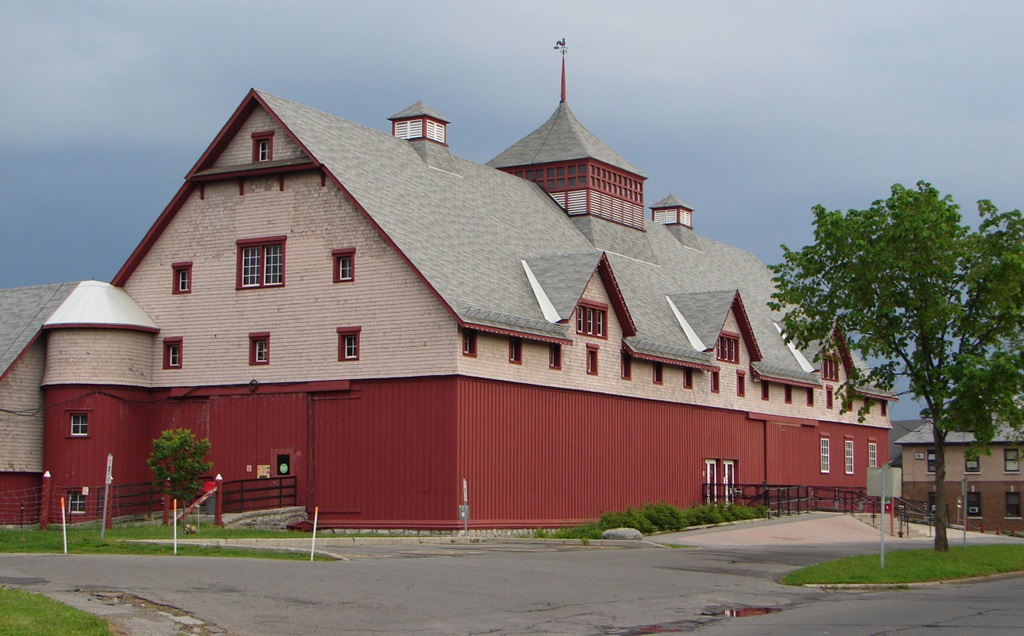
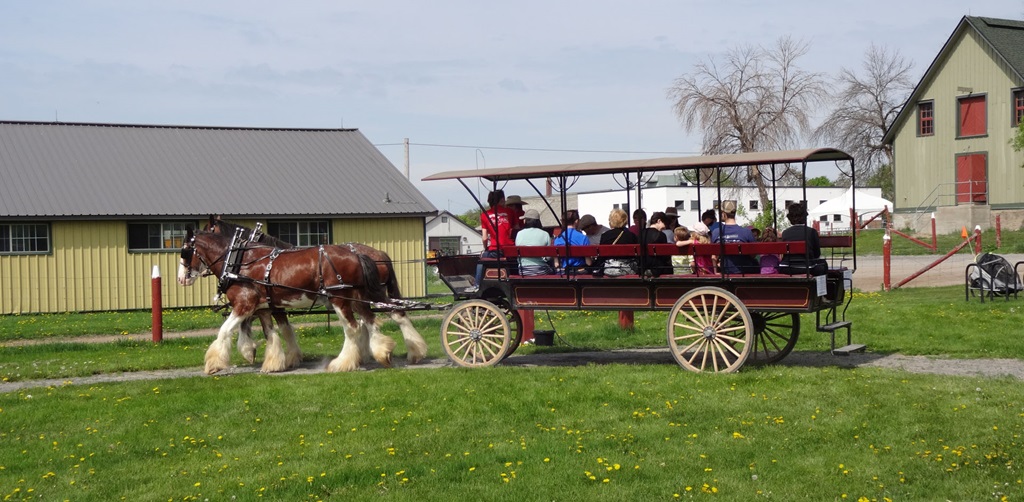
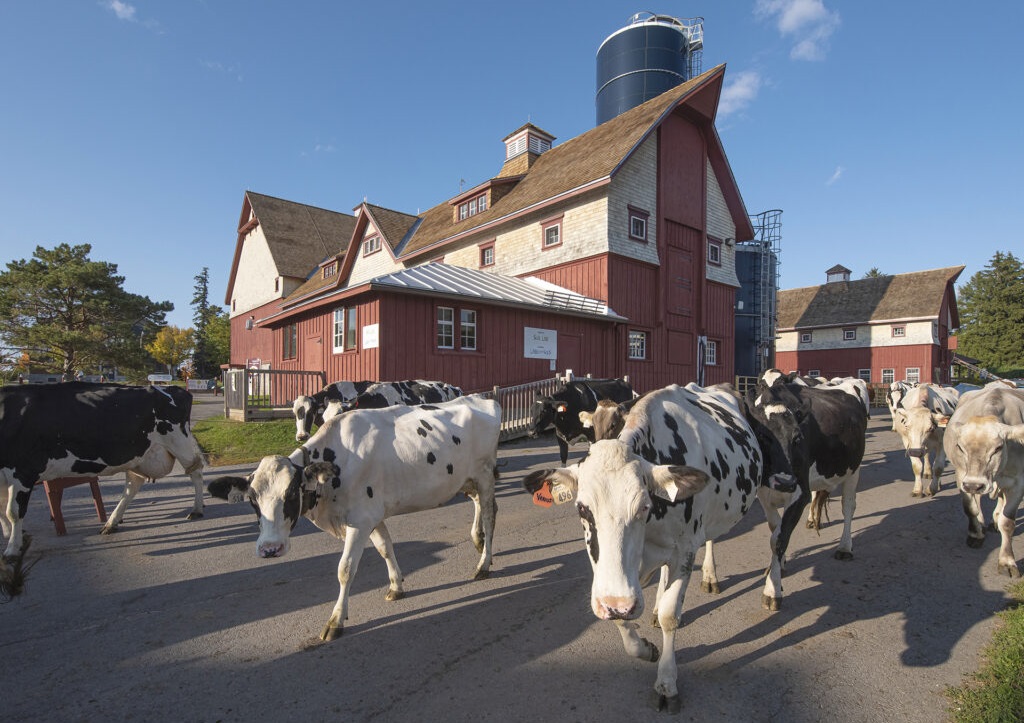
What makes the museum truly unique is its functioning farm. Visitors encounter:
This living environment provides an authentic connection between past and present farming practices.
The museum plays a vital educational role, helping visitors of all ages understand:
Programs for students, families, and lifelong learners make the museum a cornerstone of agricultural education in Canada.
Located within Ottawa’s historic Central Experimental Farm, the museum offers a rare example of urban agritourism, bridging rural agricultural traditions with city life. It demonstrates that agriculture is not distant or abstract—it is part of everyday Canadian life, even in urban settings.
The Canada Agriculture and Food Museum preserves, interprets, and celebrates Canada’s agricultural heritage while encouraging thoughtful conversations about food security, sustainability, and the future of farming. It stands as a national anchor for agritourism, education, and cultural understanding.


Best known as Canada’s capital, Ottawa is also a community deeply connected to agriculture, green space, and food production. Beyond Parliament Hill and national museums, Ottawa is surrounded by working farms, rural villages, and one of the country’s most important agricultural research landscapes.
Ottawa grew at the junction of the Ottawa, Rideau, and Gatineau rivers—routes that supported trade, settlement, and agricultural exchange long before Confederation. Farming communities flourished around the city, supplying food to residents, institutions, and markets as the capital developed.
Many of those agricultural connections remain visible today.
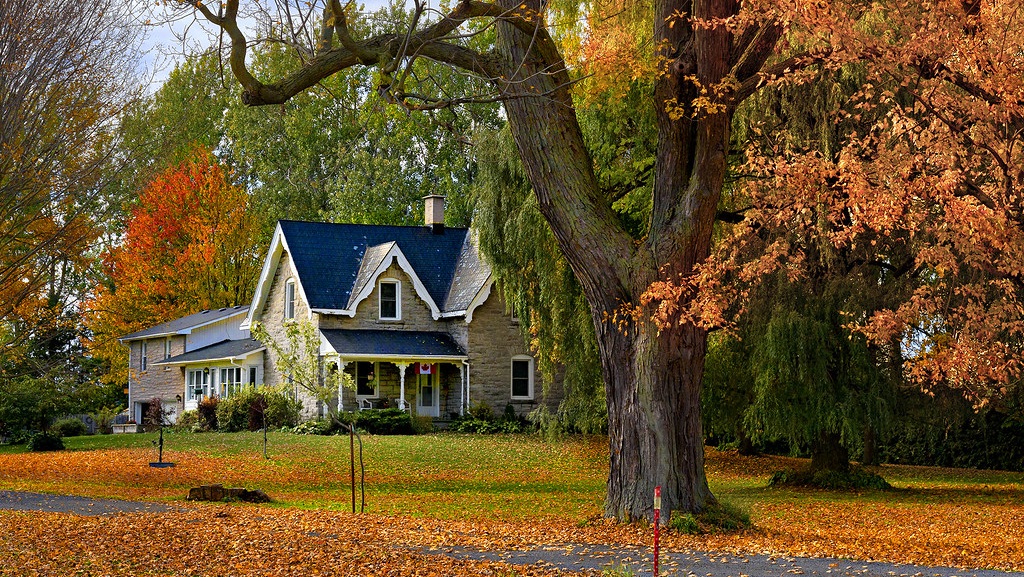
Few capital cities in the world can claim a working farm within city limits. Ottawa’s landscape includes:
This balance gives Ottawa a unique relationship with agriculture that shapes its identity.
Ottawa has long played a role in agricultural science and policy. Research institutions, experimental farms, and national organizations have helped advance:
These efforts connect local farming with national and global food systems.
Across the city, food and agriculture are celebrated through:
This culture reinforces Ottawa’s connection to both rural and urban food systems.
Together, Ottawa and the Canada Agriculture and Food Museum highlight:
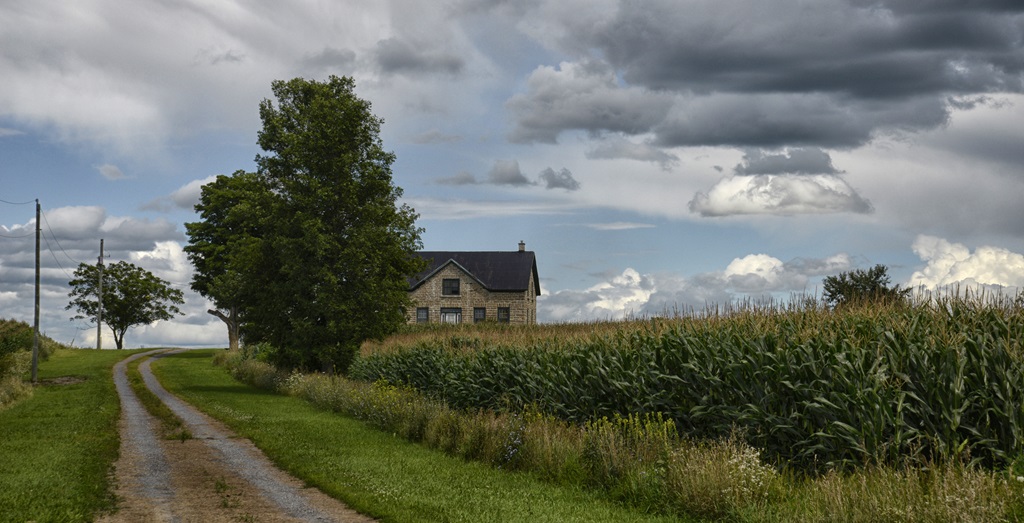
Ottawa offers a rare opportunity to experience agriculture not as a distant rural activity, but as a living, visible, and essential part of community life. Whether visiting farms, exploring green spaces, or learning at the Canada Agriculture and Food Museum, the city shows how agriculture continues to shape Canada’s past, present, and future.