





The ByWard Market is one of Canada’s oldest and most iconic public markets — and one of Ontario’s most important gathering places for local food, culture, and community life. Located in the heart of Ottawa, the market has been a centre of commerce and connection since 1826, making it nearly two centuries old.
From its earliest days, the ByWard Market was designed to bring farmers and producers directly into the city, creating a space where rural and urban life could meet. That original purpose continues today, even as the market has evolved into a lively district filled with vendors, shops, restaurants, and cultural spaces.
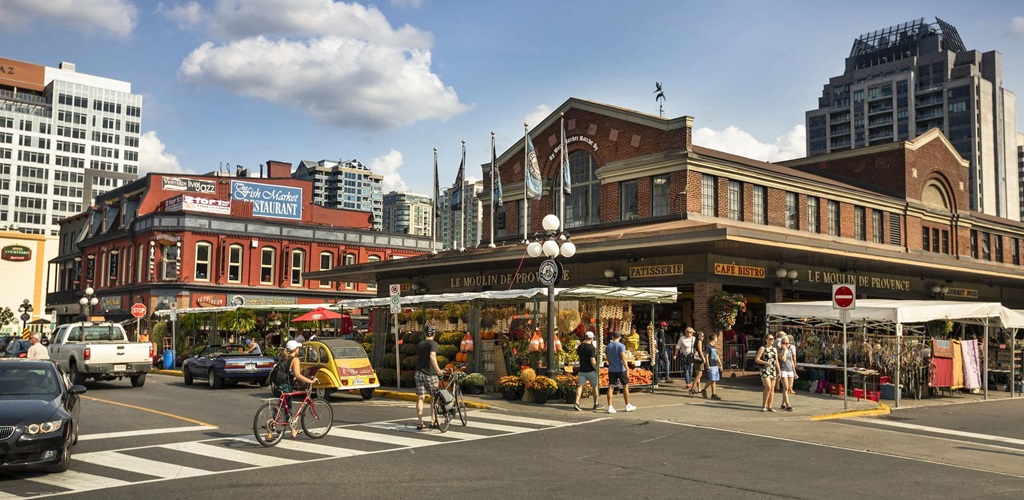
The ByWard Market was established by Lieutenant-Colonel John By, the founder of Ottawa (then Bytown), as part of his plan to support the growing settlement along the Rideau Canal. Farmers from surrounding townships were encouraged to bring their goods into the market, ensuring fresh food supplies and a strong local economy.
For generations, the market has served as a vital link between Ontario farms and Ottawa residents, helping shape the city’s food culture and social life.
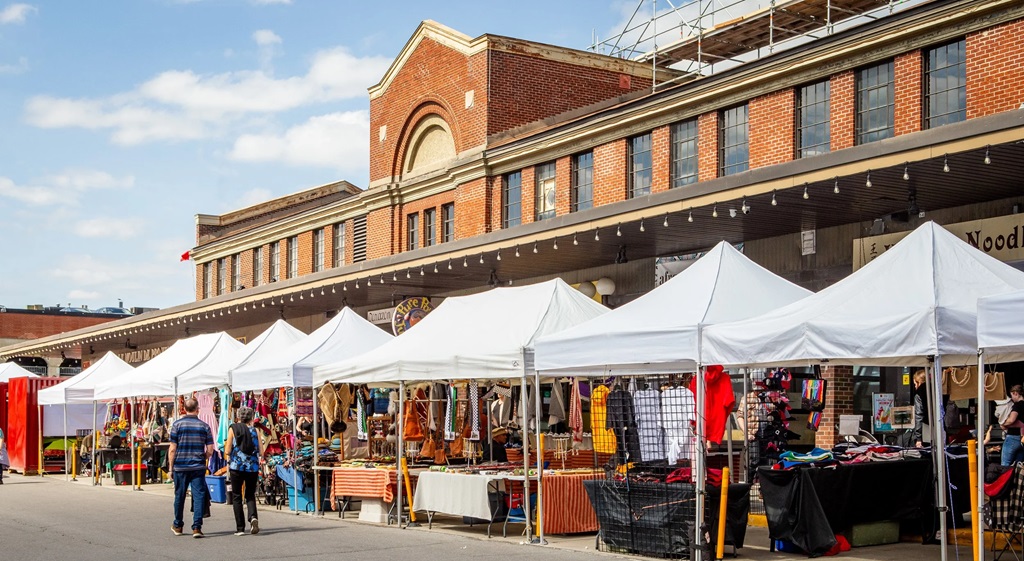
At its core, the ByWard Market remains rooted in agriculture. Vendors have long offered:
This mix reflects the agricultural diversity of eastern Ontario while also showcasing how food traditions evolve alongside growing communities.
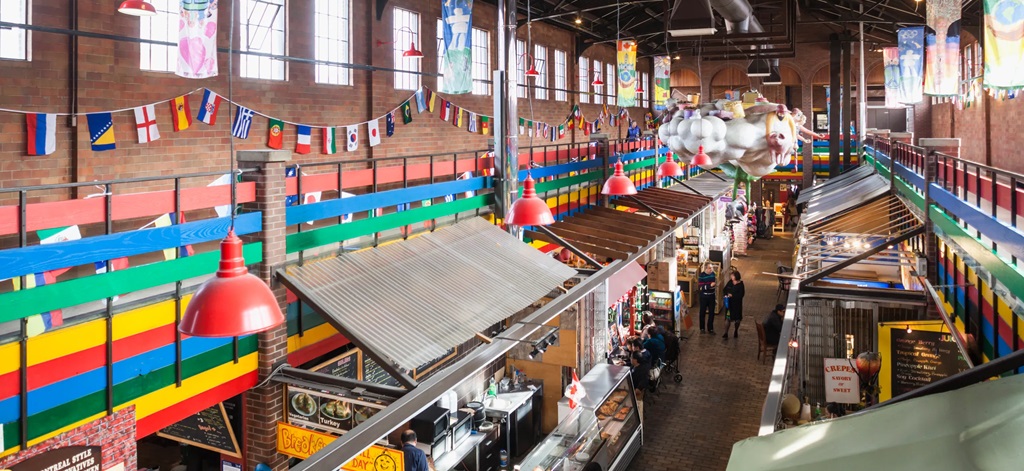
Unlike many historic markets that exist only on specific days, the ByWard Market functions as a year-round district. While vendor offerings shift with the seasons, the area remains active daily, blending:
This constant activity gives the market its unique energy — part working market, part neighbourhood, part national landmark.
Beyond food, the ByWard Market has always been a place where people gather. Over the decades, it has hosted everyday conversations, celebrations, protests, festivals, and moments of national significance.
Locals, visitors, diplomats, students, and families all pass through the market, making it one of the most socially diverse spaces in the country.
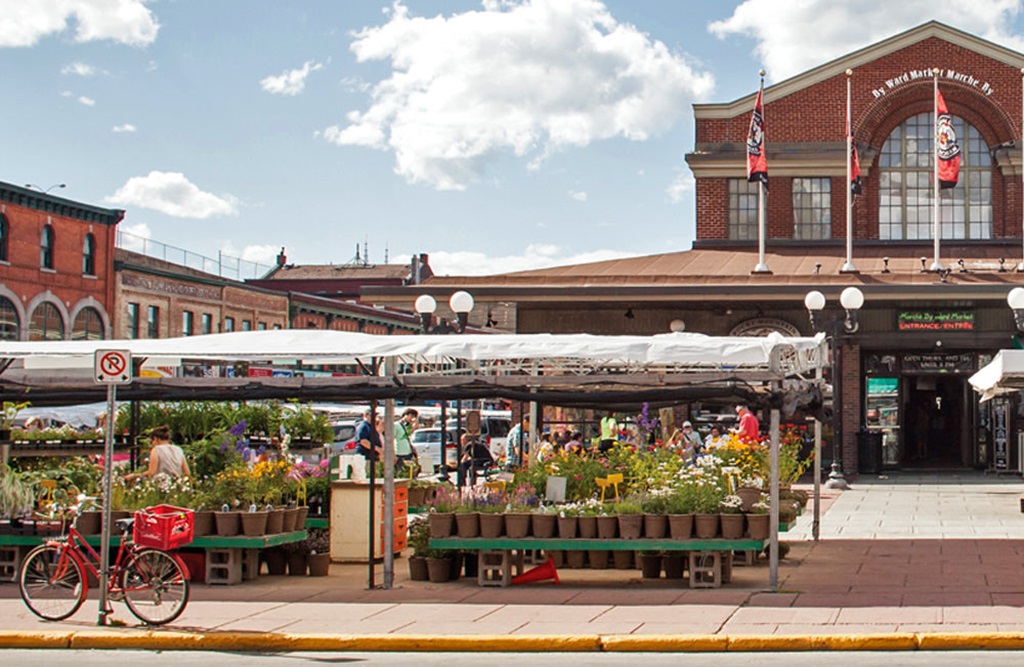
Nearly 200 years after its founding, the ByWard Market remains a powerful symbol of:
It continues to adapt while staying true to its original purpose — feeding people, supporting producers, and bringing communities together.



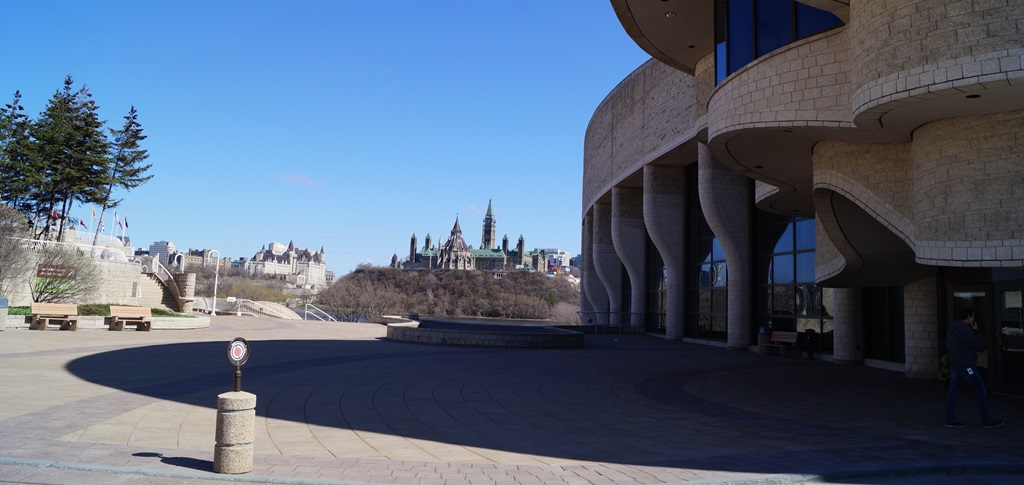
Ottawa is a city defined by layers — national institutions alongside local neighbourhoods, historic streets next to modern communities, and natural landscapes woven through urban life. While known globally as Canada’s capital, Ottawa remains deeply connected to everyday community experiences, local food traditions, and regional agriculture.
Ottawa’s development was shaped by the Rideau River, Ottawa River, and Rideau Canal, which made the area a natural meeting place for Indigenous peoples long before European settlement. These waterways later supported trade, lumber transport, and agricultural exchange, laying the foundation for the city’s growth.
Markets, mills, and farms in surrounding rural townships played a critical role in sustaining early Ottawa — relationships that still influence the city today.
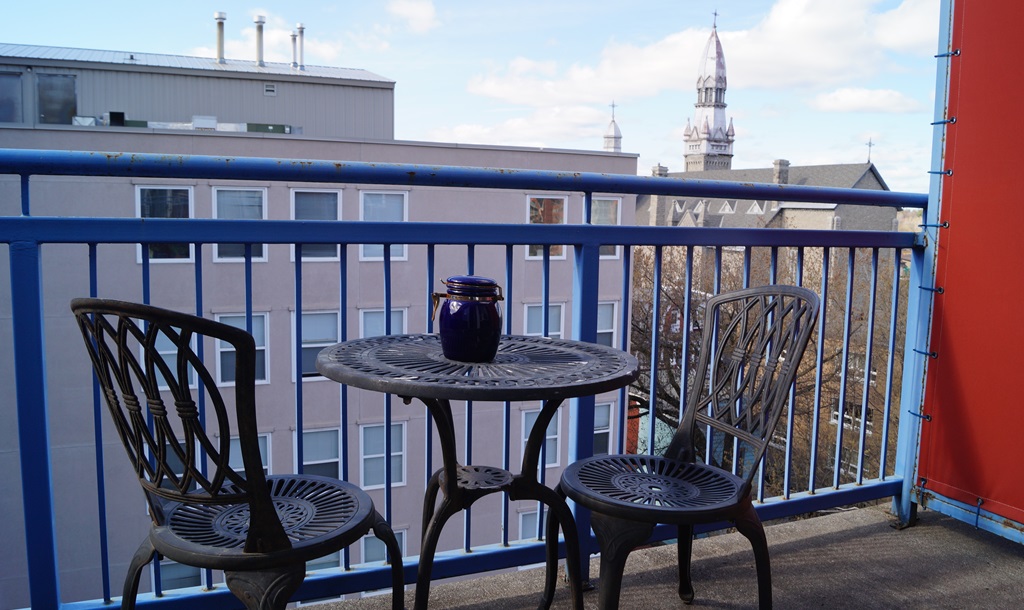
Ottawa is made up of diverse neighbourhoods, each with its own identity, pace, and traditions. From historic districts and urban villages to suburban communities and rural areas, the city functions as a collection of interconnected places rather than a single centre.
This neighbourhood-based character helps maintain strong local ties, community events, and everyday gathering spaces — including markets.
One of Ottawa’s defining features is its access to nature. Residents and visitors enjoy:
This balance between urban living and natural space contributes to Ottawa’s high quality of life.
Public spaces play an important role in Ottawa’s community life. Parks, plazas, neighbourhood streets, and markets all serve as places where people meet, connect, and share experiences.
The ByWard Market stands out as one of the city’s most enduring public spaces — not just as a tourist destination, but as a living part of daily life.
Despite its size, Ottawa remains one of Ontario’s most agriculturally active municipalities. Rural wards, working farms, and local producers continue to supply food to the city, reinforcing the historic relationship between Ottawa and its surrounding countryside.
Markets, farm gates, and food-focused community spaces help maintain this connection.

Ottawa’s strength lies in its balance — a capital city that also feels local, historic yet evolving, formal yet community-focused.
Whether through neighbourhood events, public markets, riverside paths, or long-standing traditions like the ByWard Market, Ottawa continues to show how cities can grow while staying connected to people, place, and food.