
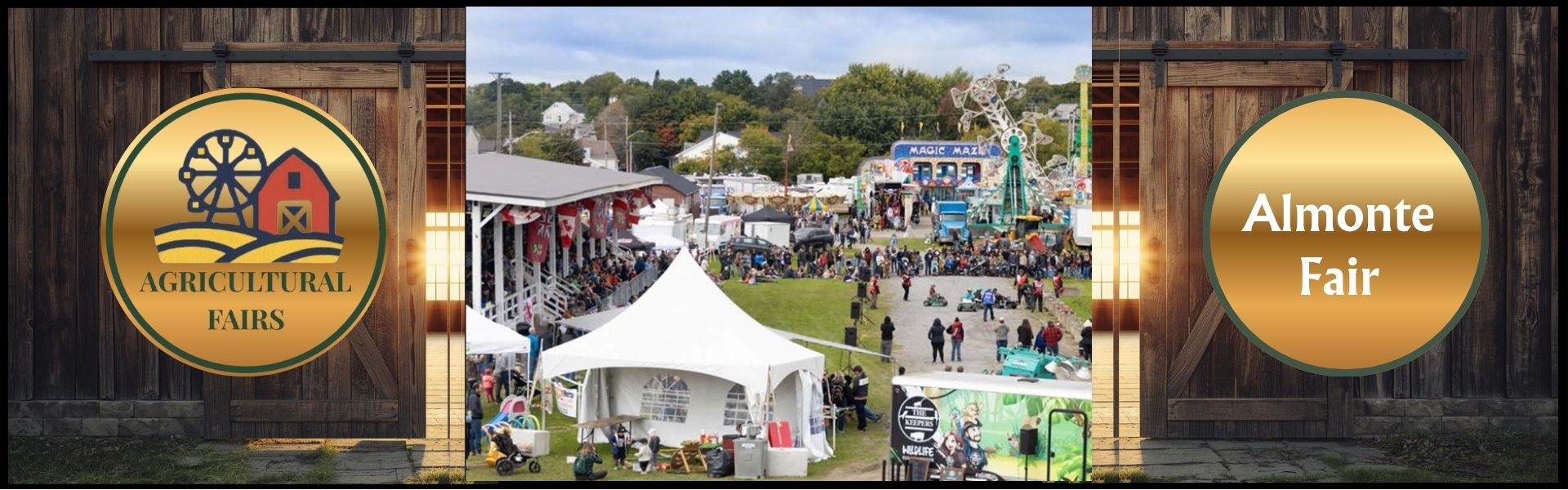



The Almonte Fair, presented by the North Lanark Agricultural Society, is one of Eastern Ontario’s oldest and most respected rural traditions. First held in 1858, the fair has long celebrated the agricultural heritage, craftsmanship, and strong community values that define Almonte and the wider Mississippi Mills region. For more than 165 years, farm families, neighbours, and visitors have gathered at the fairgrounds to honour the skills and spirit that shaped this corner of Lanark County.
The Almonte Fair emerged during a period of rapid settlement and agricultural expansion across the Ottawa Valley. Farmers were clearing land, building homesteads, and developing livestock and crop production that would sustain generations. Agricultural societies formed to support these efforts—encouraging experimentation, sharing knowledge, and fostering strong rural communities.
Early fairs in Almonte featured livestock competitions, grain and vegetable displays, domestic arts, and demonstrations of essential farming and homesteading skills. These gatherings helped unify the district, promote agricultural improvement, and strengthen local pride.
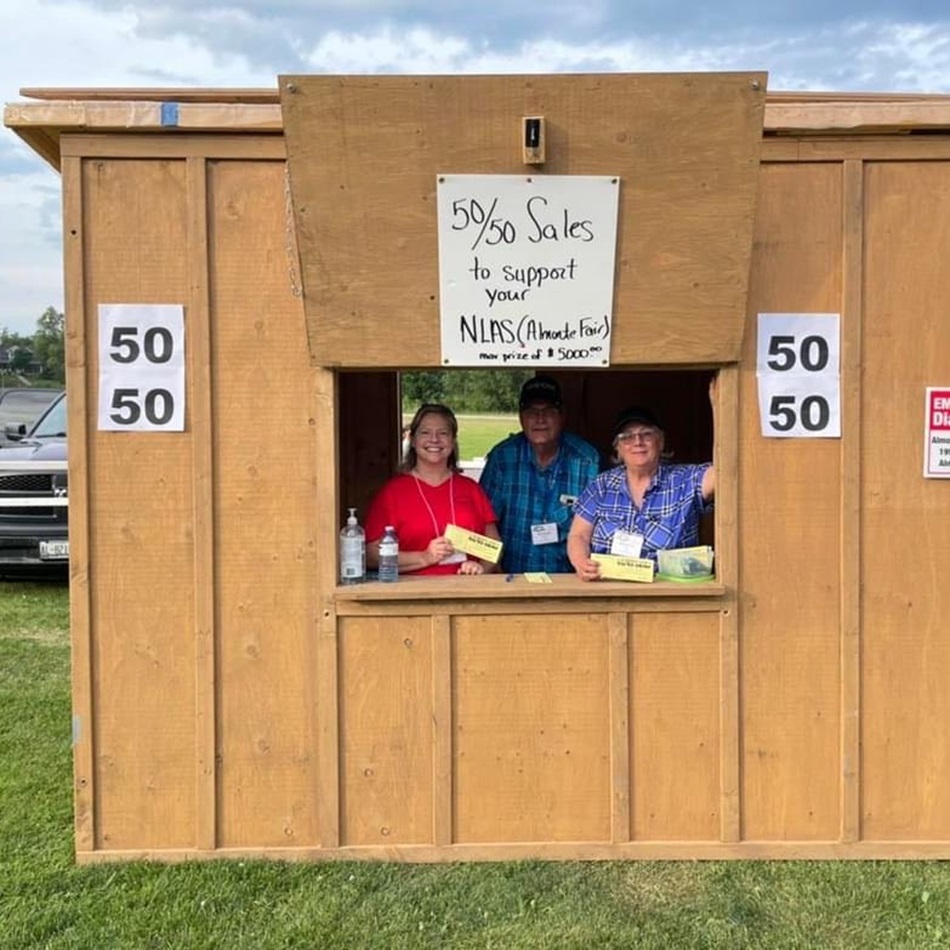
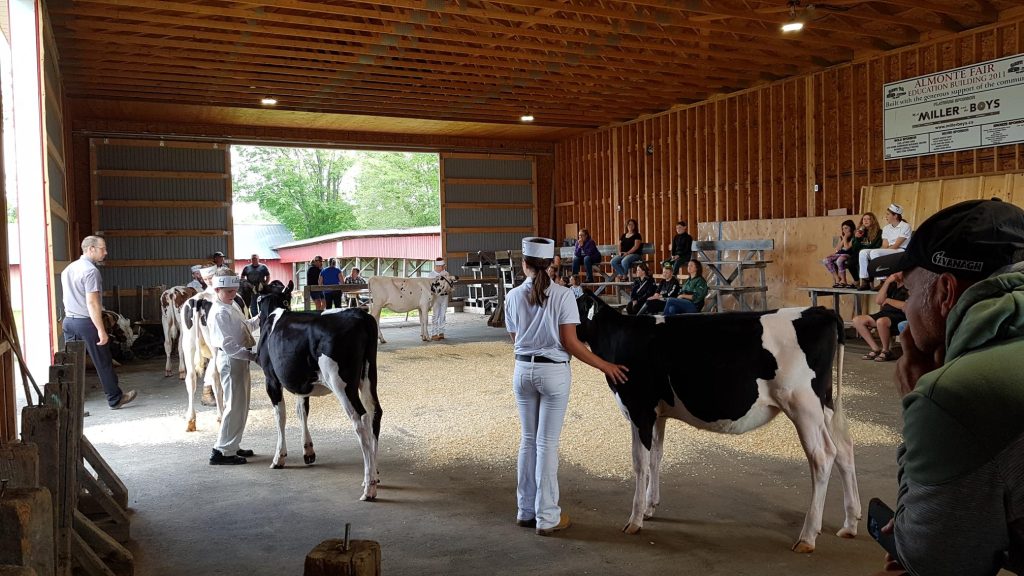
Agriculture has always been central to the fair. Today’s exhibits proudly continue that tradition, showcasing:
These displays reflect the dedication and expertise of generations of Lanark County farmers who have helped shape the region’s agricultural identity.
The homecraft divisions—including preserves, baking, sewing, quilting, knitting, floriculture, photography, and junior categories—celebrate the domestic artistry and creativity long associated with rural community life.
Young people play a central role in the Almonte Fair. Through school exhibits, 4-H programs, junior competitions, and agricultural learning opportunities, youth gain:
Generational involvement runs deep, with many families contributing to the fair for decades.

The North Lanark Agricultural Society and its volunteers work tirelessly year-round to preserve the fair’s traditions and ensure its ongoing success. Their commitment—organizing classes, maintaining facilities, supporting exhibitors, and honouring the fair’s heritage—reflects the community’s spirit of cooperation and shared pride.
The Almonte Fair highlights the qualities that make this region special:
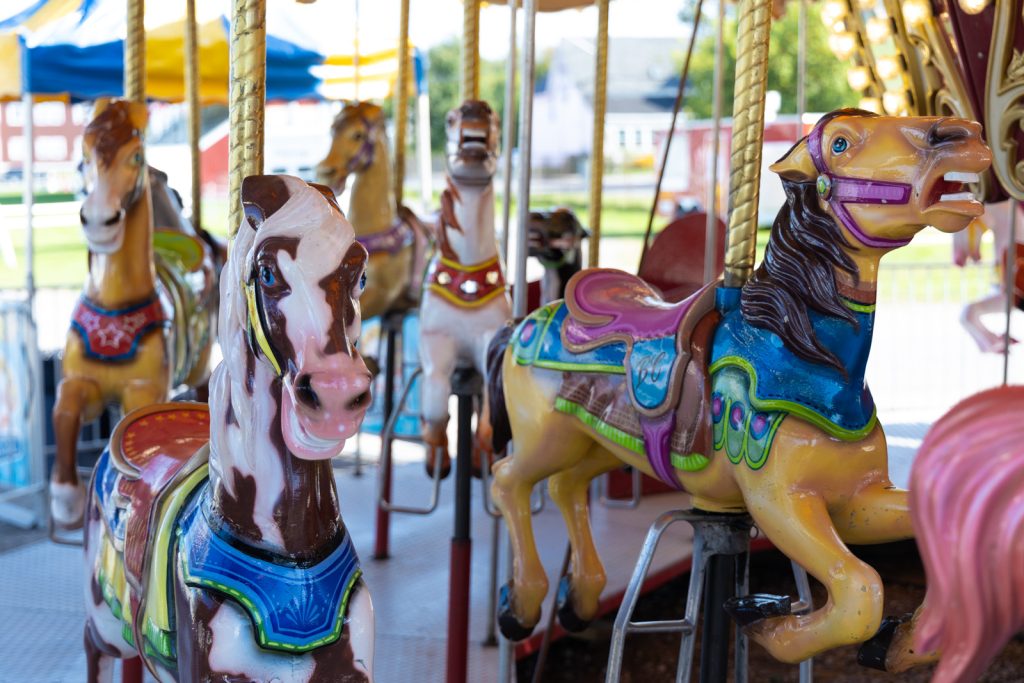
Through decades of change, the Almonte Fair remains a beloved celebration of rural heritage, craftsmanship, and community connection—linking the region’s agricultural past with the vibrant community life of today.
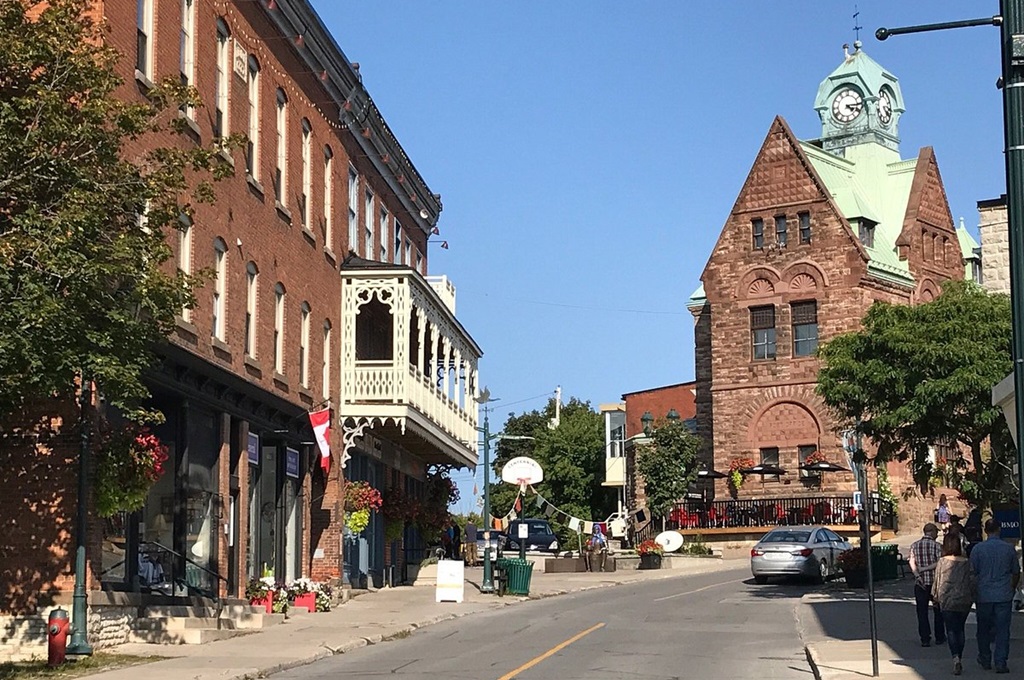
Nestled among the forests, lakes, and limestone landscapes of Halton Hills, Acton is a warm and welcoming community known for its historic downtown, scenic surroundings, and strong local pride. Long rooted in both agriculture and small-town industry, Acton blends heritage charm with outdoor beauty and a relaxed pace of life.
Founded in the early 1800s, Acton grew around mills powered by the local waterways. It soon became famous for its leather goods industry, earning the nickname “Leathertown.” Tanneries, shops, farms, and early rail connections all shaped the town’s growing economy.
Historic storefronts, century homes, and long-standing businesses still reflect Acton’s industrious past.
Acton is surrounded by a diverse natural landscape, including:
This harmony of natural beauty and rural charm enriches daily life for residents and visitors alike.
Acton is known for its strong sense of community. Residents come together to support:
This involvement helps maintain Acton’s friendly, neighbourly character.
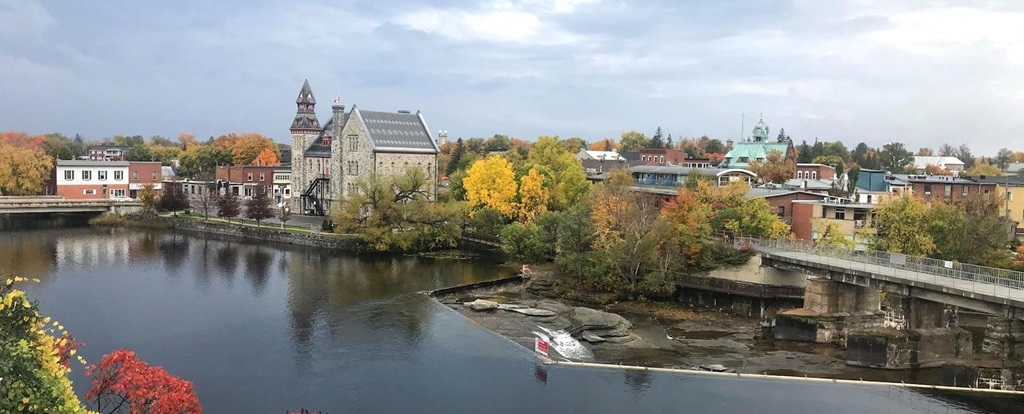
Acton honours its long history through:
These elements contribute to the town’s strong sense of identity.
The surrounding region continues to support a diverse agricultural community, with:
This agricultural heritage is proudly celebrated each year at the Acton Fall Fair, one of the community’s most beloved traditions.
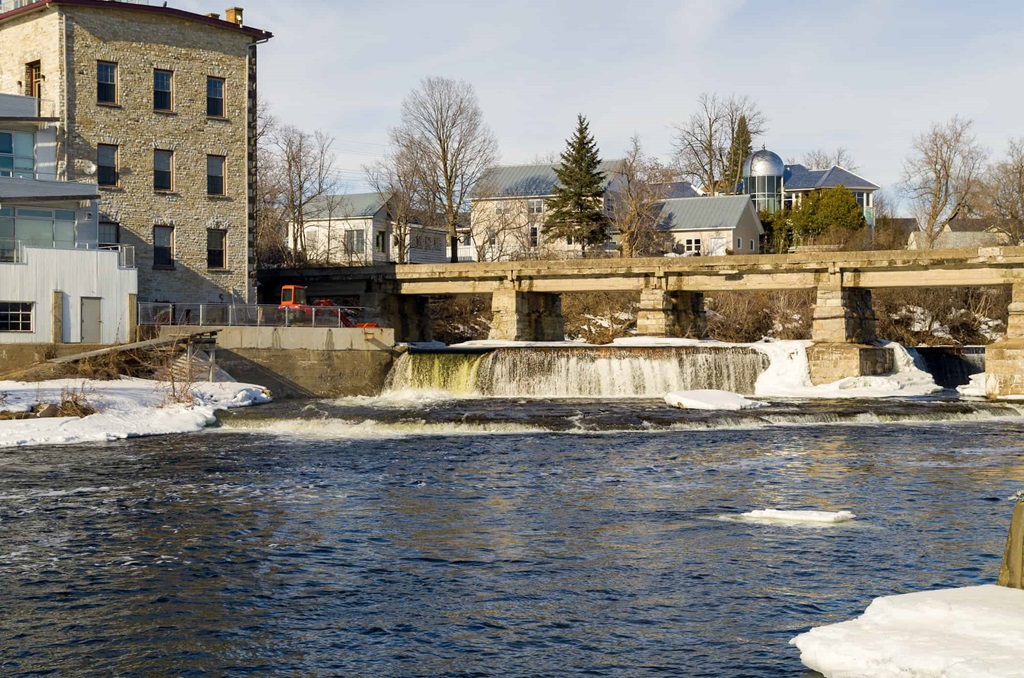
Together, Acton and its fair showcase:
Whether enjoying lakeside trails, exploring historic downtown shops, visiting local farms, or celebrating long-standing traditions like the Acton Fall Fair, Acton offers a memorable Halton Hills experience—where heritage, countryside charm, and community spirit come together naturally.