



Agritourism Links – One Country Story
How Ontario’s Farms, Fairs, Markets, and Farm Stores Fit Together
Agritourism in Ontario isn’t one attraction; it’s a living loop. Fields grow food; fairs celebrate it; markets move it; farm stores anchor it year-round. Together they form a friendly circuit where visitors meet growers, taste the seasons, and learn how food is raised. The magic is that each stop strengthens the others. Visit one, and you’re halfway to discovering them all.
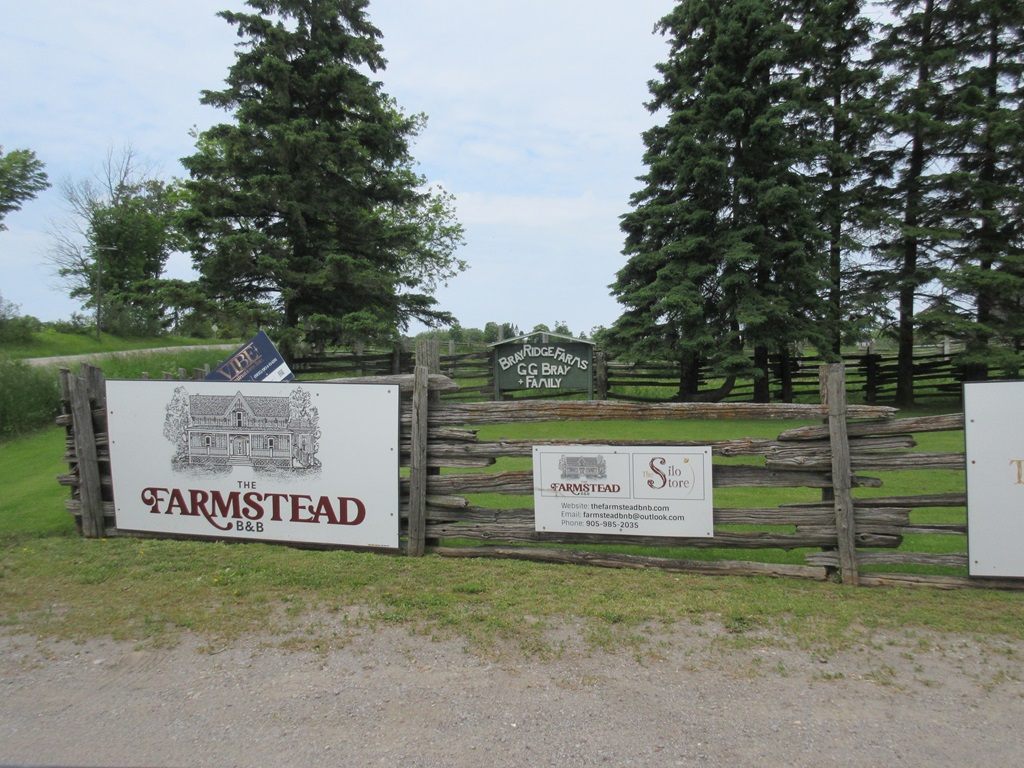
Farmstead B&B
Farms are the source—and the setting
It starts on the farm. Ontario’s patchwork of soils and microclimates means asparagus and strawberries arrive early along lake-moderated belts; sweet corn and tomatoes swell in the southwest; apples and tender fruit shine along the Niagara Escarpment; pumpkins and grain fields glow across the heartland. Agritourism turns this seasonal rhythm into experiences: pick-your-own days, sunflower walks, maple weekends, sheep-shearing demos, farm stays, and tasting flights of cider or cheese. When visitors stand in the rows, talk to a grower, and see the equipment up close, farming shifts from abstraction to relationship. You don’t just buy a basket, you meet the family who bet their spring on weather, pollination, and timing.
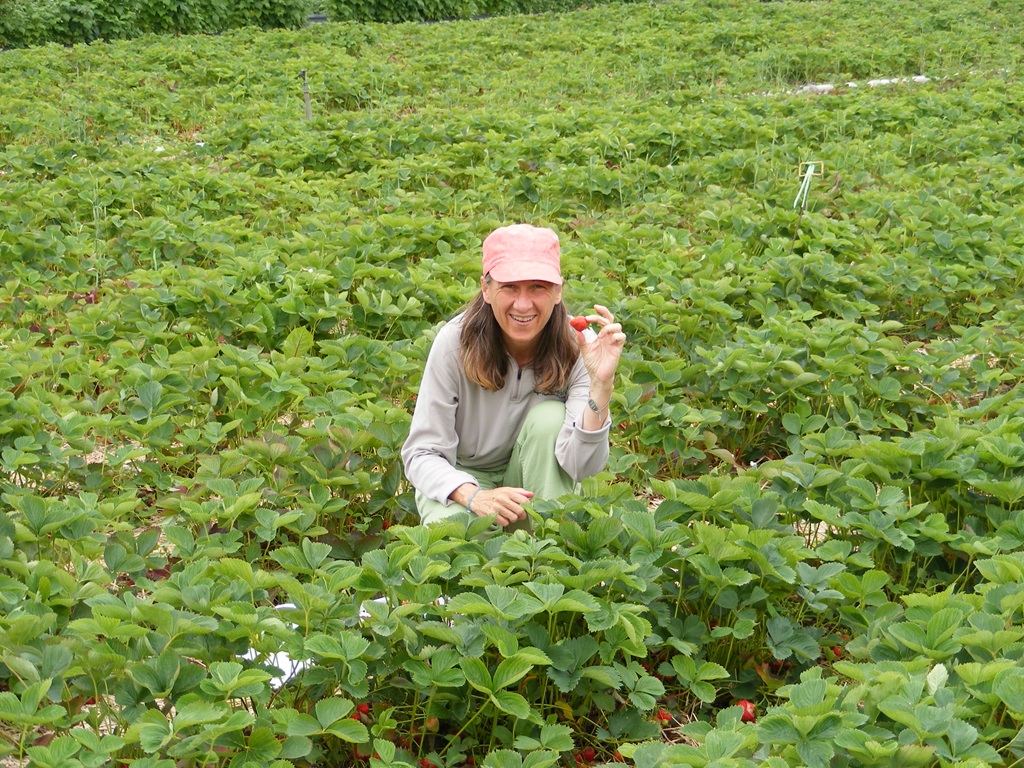
Berry Picking
That encounter changes how people shop and travel. Someone who visited a strawberry patch in June is already primed to return in August for sweet corn or September for apples. They’ll watch for that farm’s booth at the market and recognize the label at the grocery store. In other words, a day on the farm builds brand loyalty that ripples through the whole local food system.
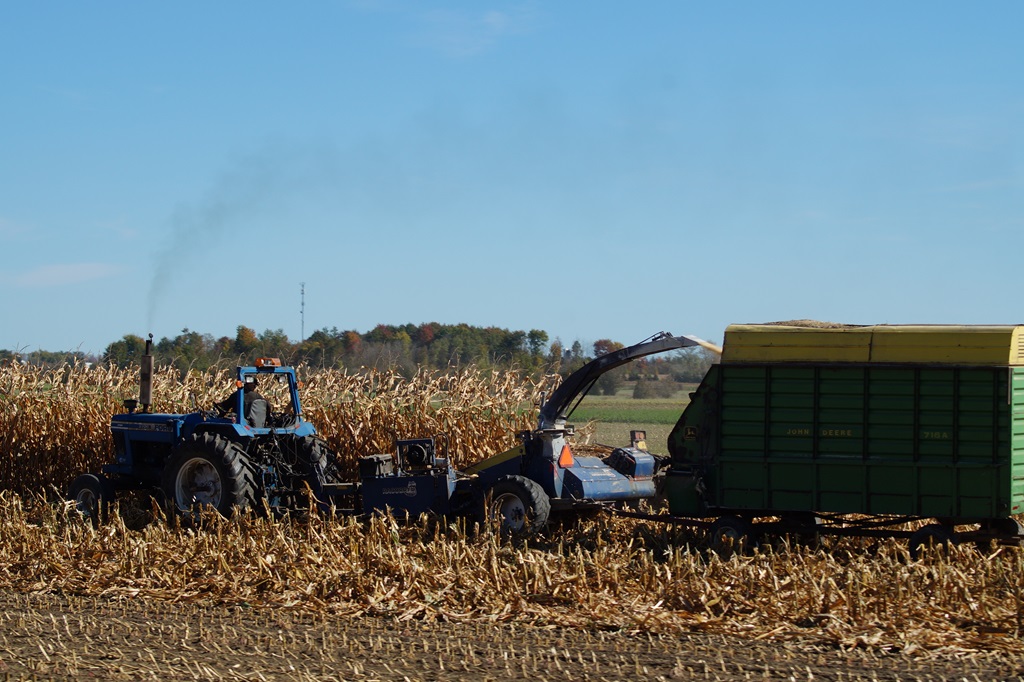
Corn Harvesting
Agricultural fairs are the province’s living classroom
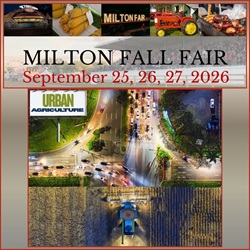
Agricultural fairs connect farm knowledge to the broader public with flair, part celebration, part science fair, part reunion. The livestock rings teach conformation and husbandry; homecraft exhibits show the value of grains, dairy, fruit, and fibre in everyday life; the midway draws crowds, then the barns hold them long enough to learn. Demonstrations, sheepdog trials, draft horse pulls, shearing, threshing, beekeeping, translate complex farm work into memorable moments.
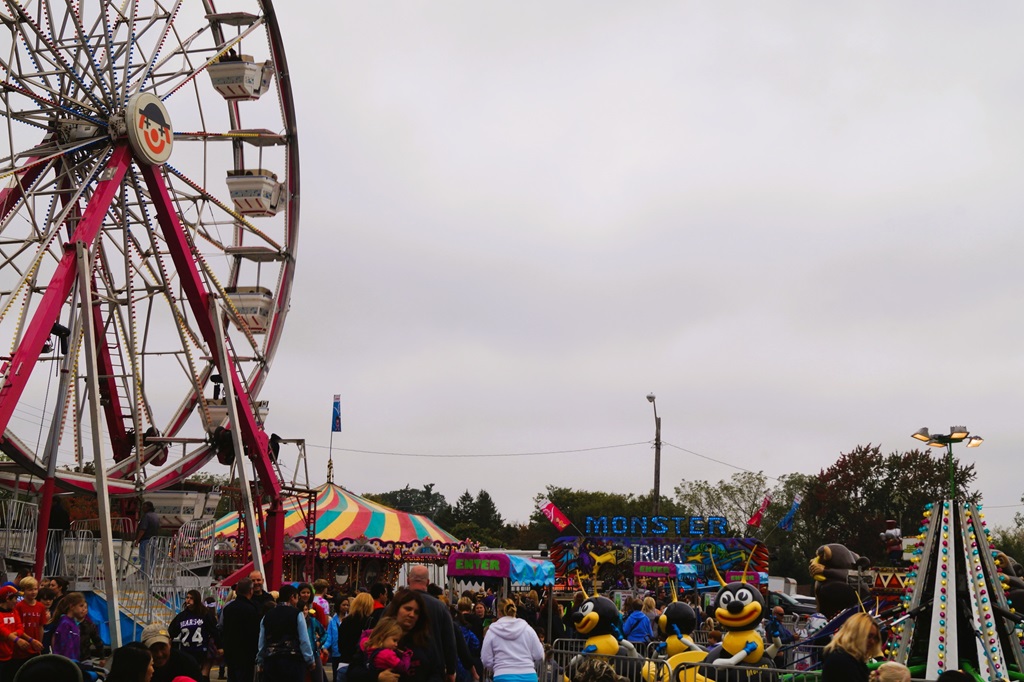
Midway
For farmers, fairs are networking and pride. For visitors, they’re a rare chance to ask candid questions: How much does a dairy cow eat? Why rotate crops? What’s the difference between a tractor and a combine? Where else can you see soil pits, seed varieties, antique equipment, robotics, and 4-H speeches in one walkable loop? Crucially, fairs celebrate youth, in show rings, public speaking contests, and ag education tents, seeding the next generation of producers, veterinarians, mechanics, chefs, and agri-marketers.
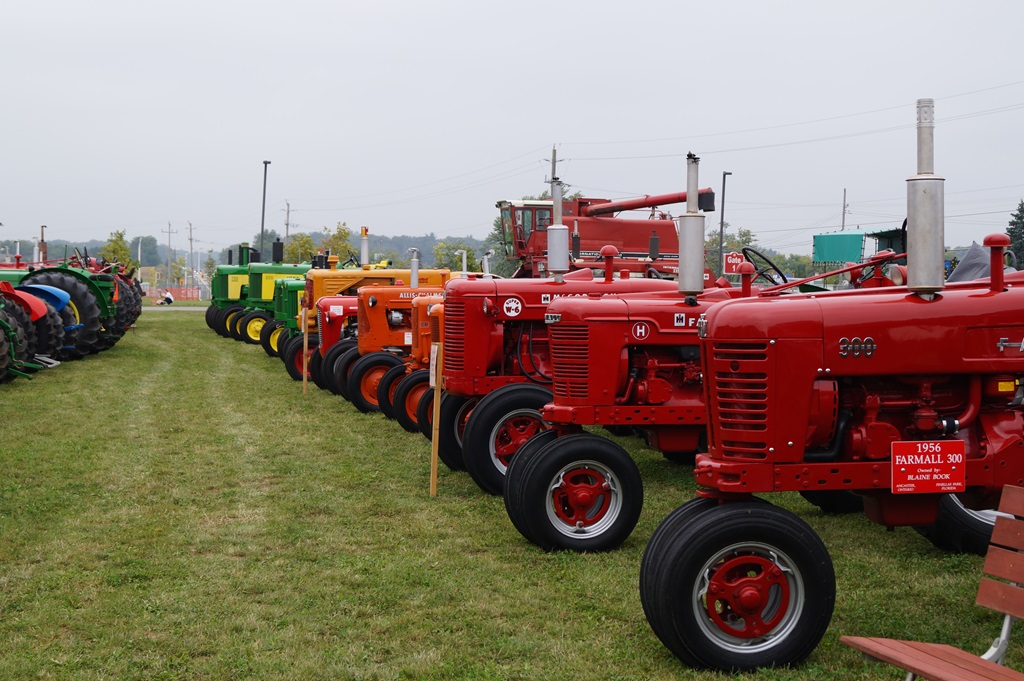
Tractors
And that loop tightens: farms supply animals and crops for exhibits; markets and farm stores sponsor prizes; volunteers come from the same rural communities that pick, pack, and ship Ontario food. When fair season peaks, agritourism interest spikes, visitors leave with a pocketful of vendor cards and a plan to visit a farm or market next weekend.
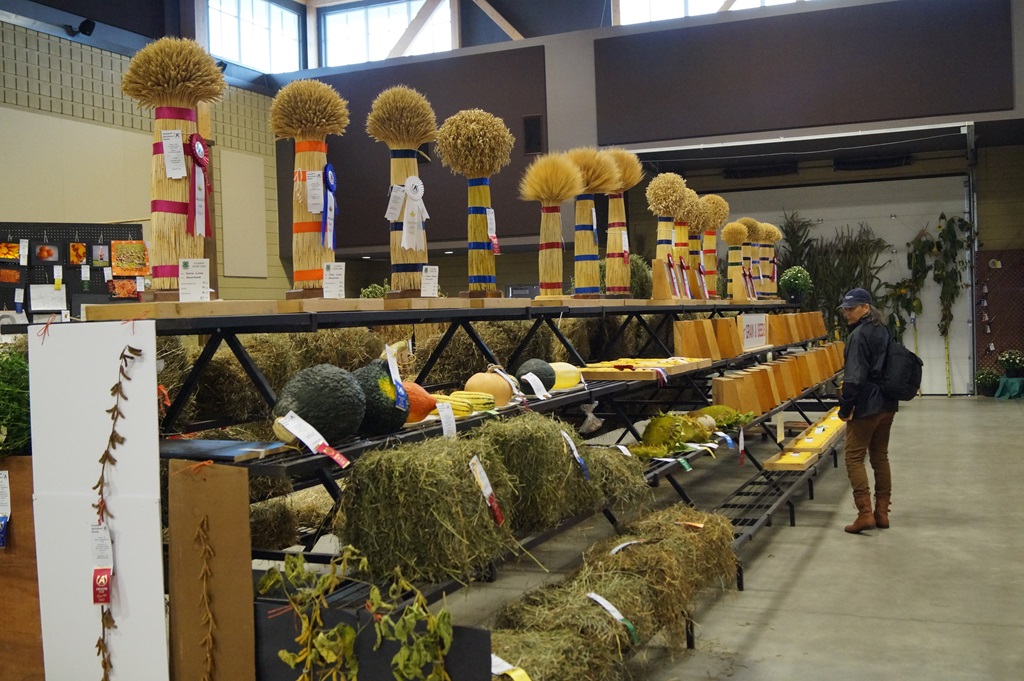
Agri Display
Farmers’ markets: the weekly handshake
Farmers’ markets are where the field meets the fork every Saturday morning. They’re light on packaging and heavy on conversation: What variety is this? How do I cook kohlrabi? Did the rain help? Markets let small and mid-sized farms sell at retail prices, test new products, and tell their story to urban and rural neighbours alike. For shoppers, markets offer freshness, transparency, and the thrill of the seasonal hunt, ramps and rhubarb, then cherries, then beans, then peaches, then squash and storage crops.
Markets also perform quiet logistics magic. They even out farm cash flow, reduce waste by moving cosmetically imperfect produce, and create cross-sales for jam makers, bakers, cheesemakers, and flower growers. Many vendors are the same farms that run pick-your-own or farm stores; others are stepping-stone enterprises that will one day invite customers out to the farm. If the farm is the source and the fair is the classroom, the market is the weekly town square.
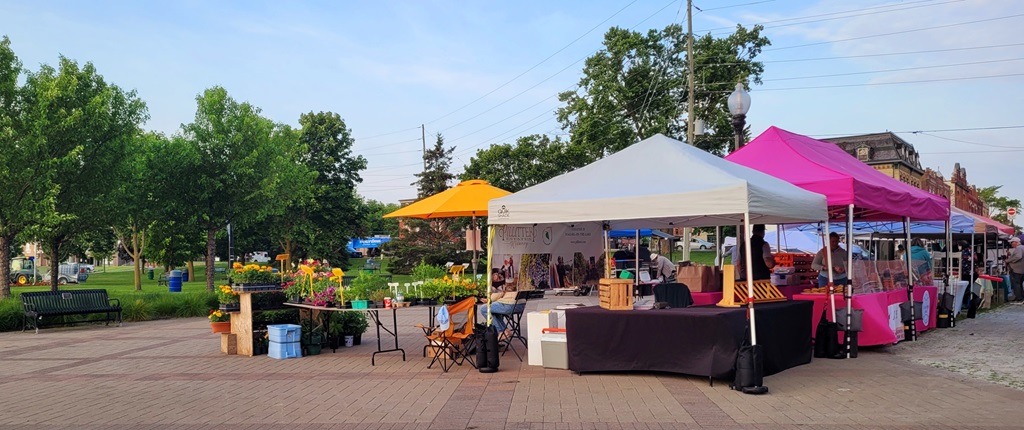
Port Perry Farmers’ Market
Farm stores: the year-round hub
Farm stores and on-farm stands pick up where markets leave off. They extend the season with freezers, coolers, and shelves: eggs and milk in spring, berries and greens in early summer, corn and tomatoes in late summer, apples and squash in fall, freezer beef and preserves through winter. Some add bakeries, coffee counters, or simple lunch menus; others host workshops, tastings, and holiday markets. Because the store sits on the farm, visitors see the fields and barns that produced what’s on the shelf, closing the transparency loop that modern shoppers value.
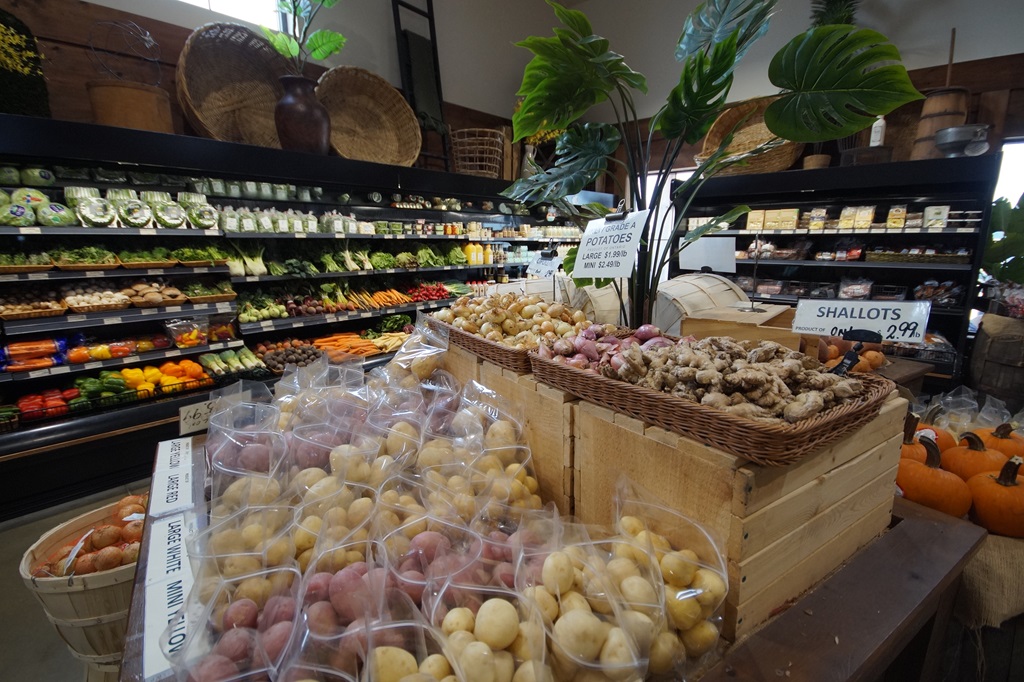
Farm Market Store
These stores also stabilize rural economies. They create steady jobs, encourage value-added processing (think cider, yogurt, sausages, maple butter), and give farms a direct channel to tell their story without intermediaries. Many partner with neighbouring growers to offer broader selection, turning a single driveway into a regional pantry.
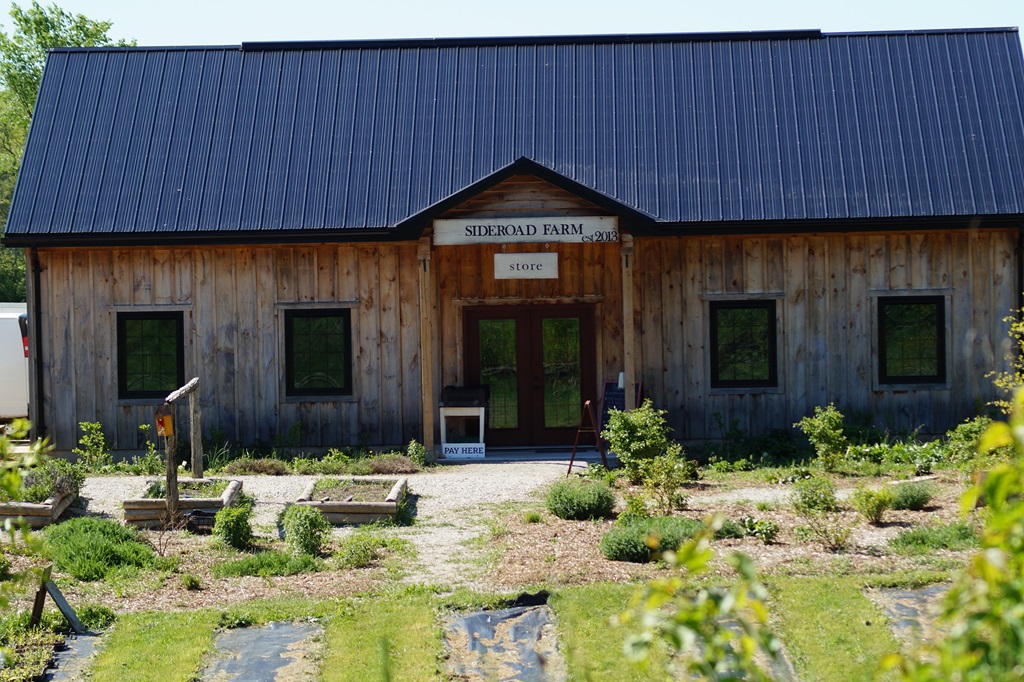
Photo 10 – Farm Store
One ecosystem, many doors
What makes this web resilient is that visitors can enter anywhere:
- A family hears the band at a fall fair, wanders into the cattle barn, tries local fries, and leaves with a flyer for a corn maze.
- A couple on a road trip stops at a farm store for snacks, sees a poster for Wednesday’s market, and plans dinner around it.
- A market regular finally visits the orchard they’ve known by name for years, and books a blossom picnic next spring.
Each node amplifies the others: farms supply content for fairs; fairs spark curiosity that markets and stores satisfy; markets and stores recruit visitors back to the farm. Tourism operators, inns, museums, trails, slot in naturally, bundling “stay, taste, learn” itineraries that move visitors through a whole region rather than a single site.
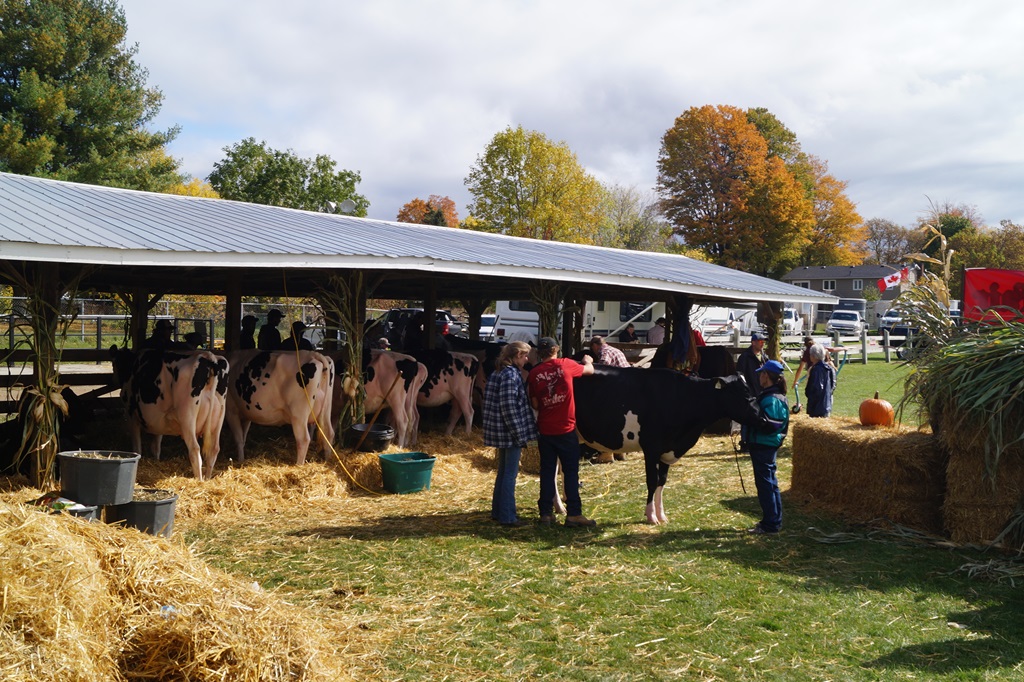
Fair Cattle Barn
How organizers can tighten the links
A few low-lift ideas multiply impact:
- Shared calendars and maps: A regional “fairs + markets + farms” printable and digital map makes trip-planning easy.
- Passport trails: Stamp cards that reward visiting one of each, farm, market, and fair, within a season.
- Cross-promotions: Let market and farm-store vendors display fair ribbons and schedules; invite fair ambassadors to do meet-and-greets at markets and stores.
- Storytelling swaps: Farms host “Meet the Market” days; markets host “Meet the Farmer” talks; fairs program “Taste of the Market” demos on their education stages.
- Seasonal themes: Spring planting, summer harvest, fall preserving, winter comfort foods, use common themes across all venues to make the experience feel connected.
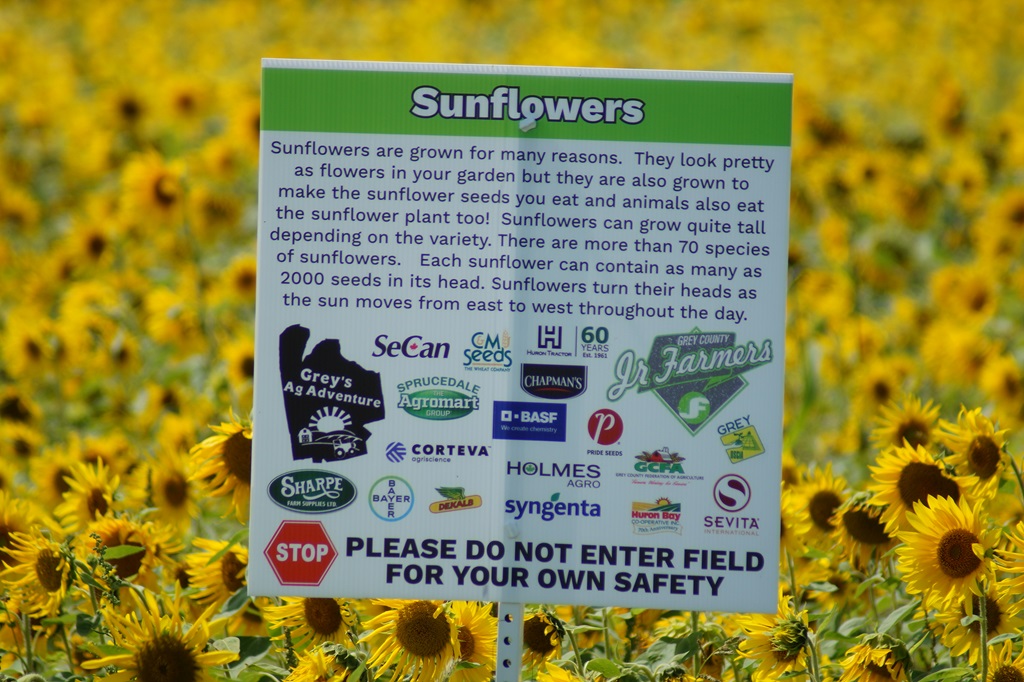
Farm Signage
Why it matters—for visitors and for rural Ontario
Linking farms, fairs, markets, and farm stores gives visitors more to do, but it also strengthens food security and rural culture. Direct sales improve farm margins and keep dollars local. Education reduces misinformation about agriculture and encourages respectful, safe behaviour on rural roads and properties. Youth engagement at fairs and on farms cultivates skills and pride. And the environmental story is tangible: people see cover crops, pollinator strips, drip irrigation, compost, and rotational grazing, not as buzzwords, but as practices in the landscape.
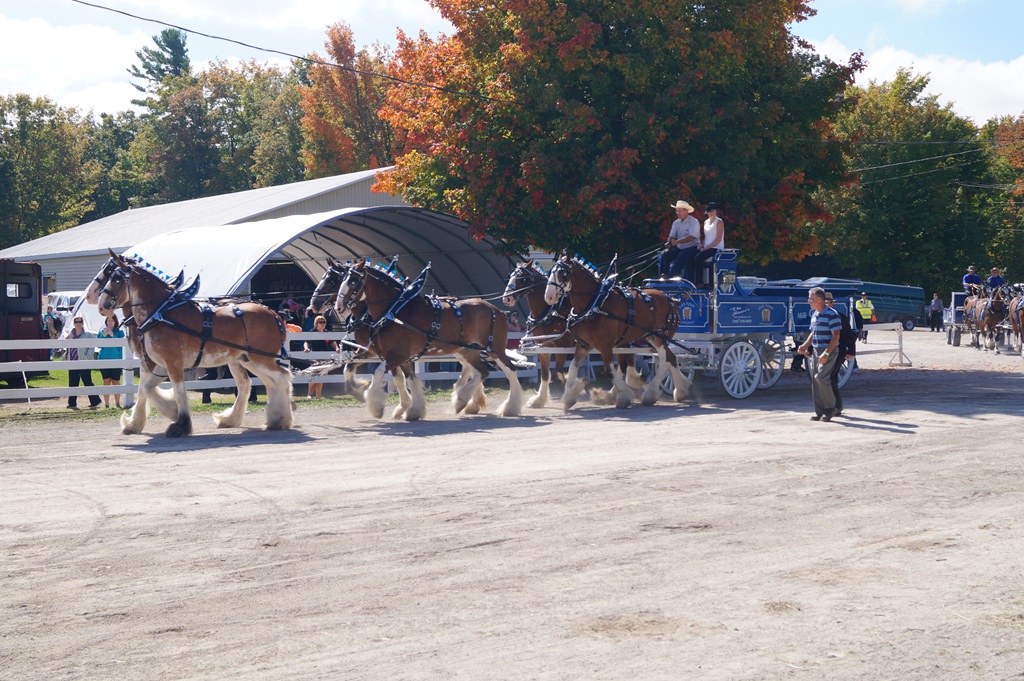
Agricultural Fair
Most of all, agritourism makes “local” mean someone you know. The apple you buy at the market remembers the slope you walked at the orchard. The cheese in your picnic basket wears a fair ribbon. The jar of honey on your shelf came from hives you watched humming behind the farm store. That’s not just supply chain, it’s community.
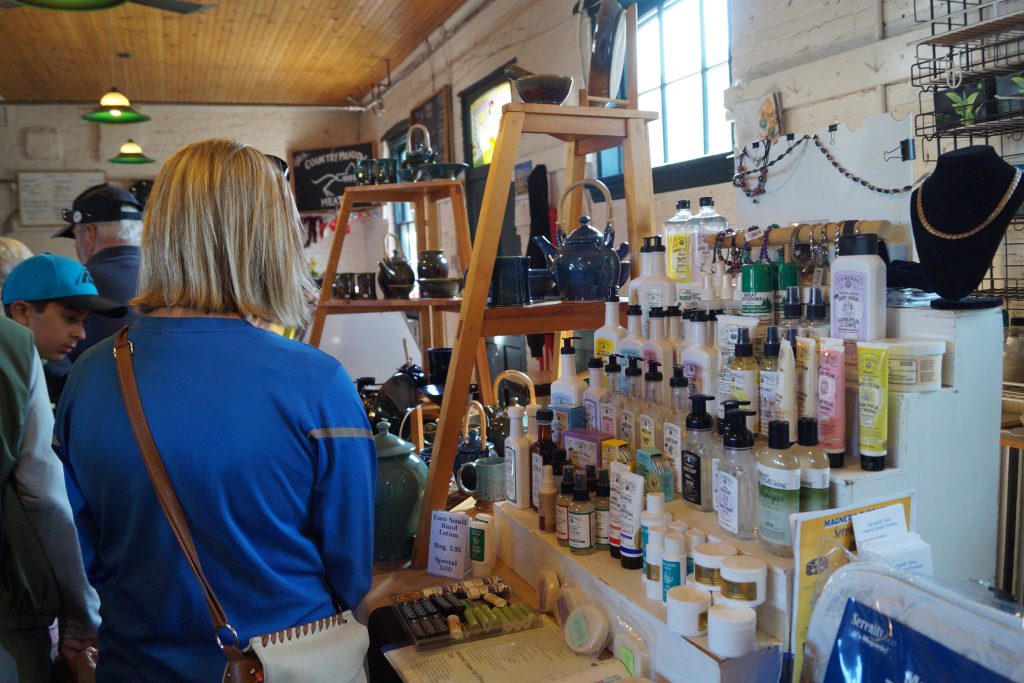
Farmers’ Market
Ontario is rich with these connections. If you’re planning a day trip or building a regional campaign, think in loops, not dots. Start anywhere, farm gate, fair gate, market tent, or store door, and invite people to keep going. The more they circle, the stronger the web becomes, for families, for farmers, and for the places we share.
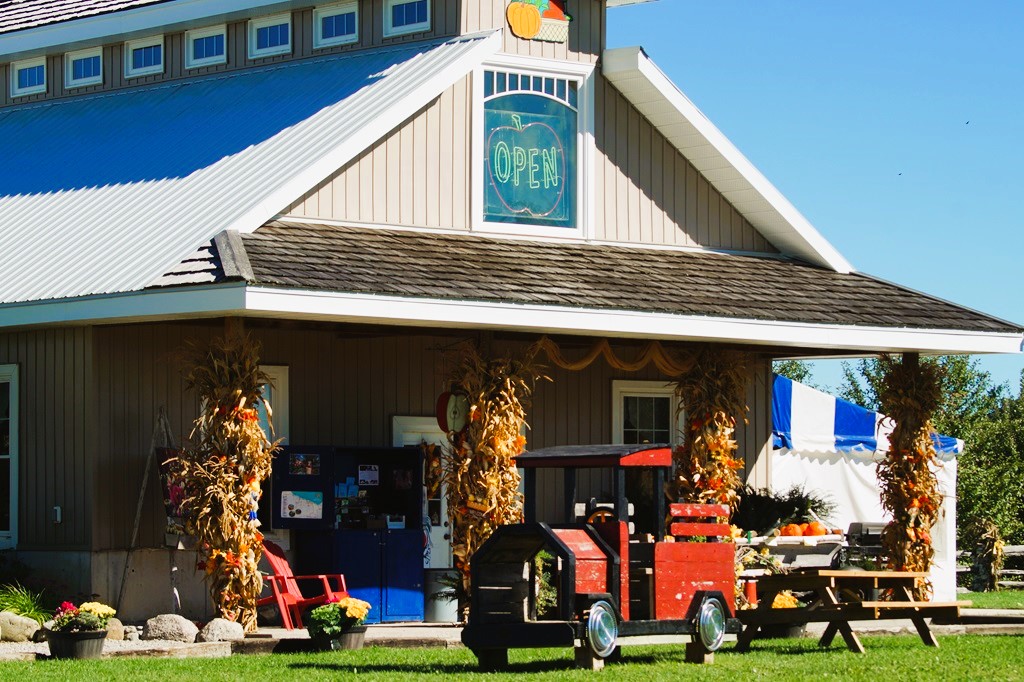
Farm Store