



Types of Farming Guide
Field Crop Farming Guide
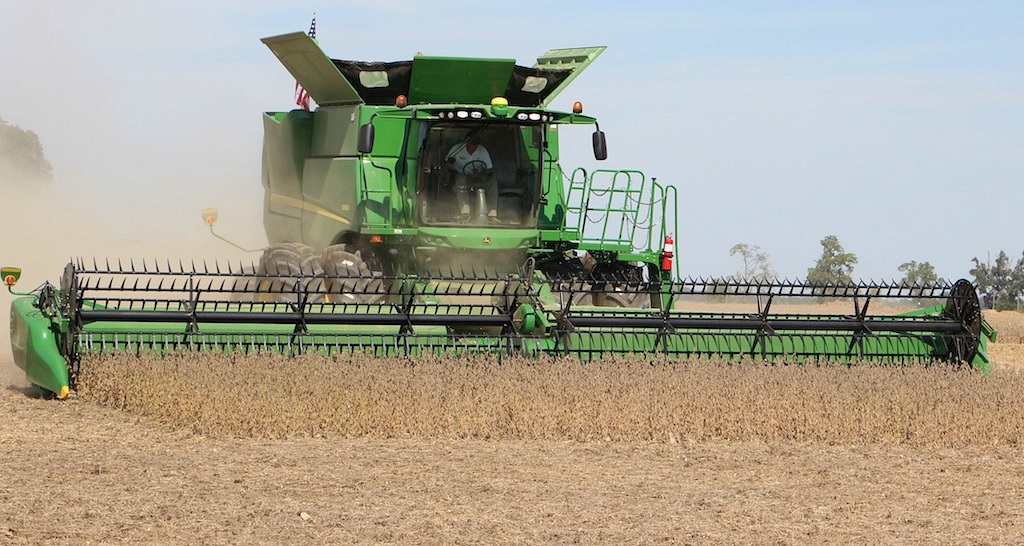
Field Crop Farming (Oilseed Farming – Soybeans, Canola)
Grain Farming (Corn, Wheat, Oats, Barley)
Grain farming is a cornerstone of Ontario agriculture, producing staple crops for food, livestock feed, and industrial use. Corn and wheat are the most widely grown, while oats and barley serve both human and animal markets.
Oilseed Farming (Soybeans, Canola)
Oilseed crops are valued for their oil and protein content. Soybeans dominate Ontario’s oilseed production, used in food, feed, and bio-products, while canola is grown in cooler regions for its light cooking oil and meal.
Forage and Hay Production (Alfalfa, Clover, Timothy)
Forage crops provide essential feed for livestock. Alfalfa, clover, and timothy are harvested as hay or silage, supporting Ontario’s dairy and beef industries with high-quality, nutrient-rich roughage.
Tobacco Farming (Southern Ontario)
Once a major crop in southern Ontario, tobacco farming still plays a role in the region’s agricultural identity. It requires sandy soils, skilled labour, and careful curing, primarily producing flue-cured tobacco for export markets.
Fruit Farming Guide
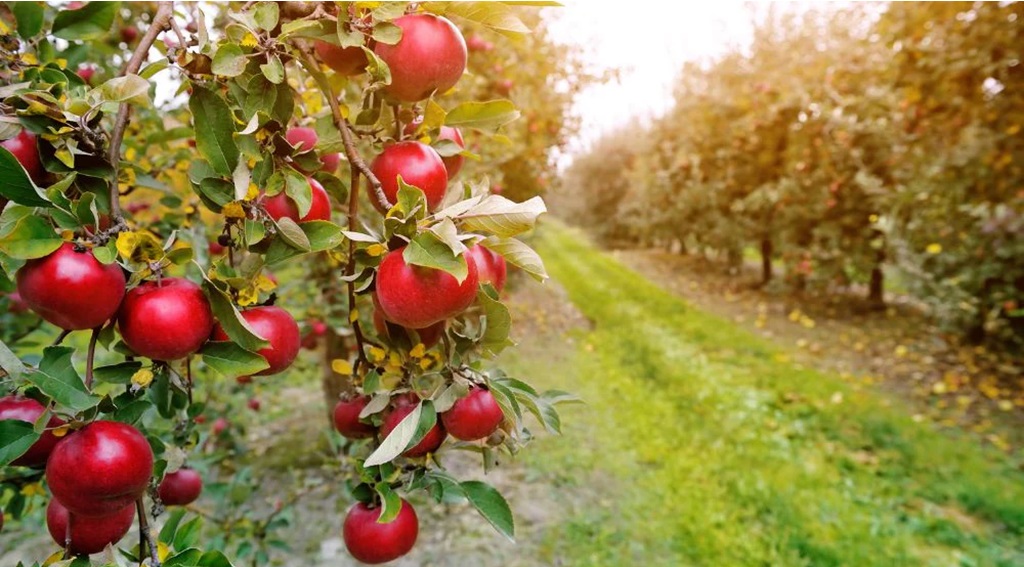
Fruit Farming (Apple Orchards)
Apple Orchards
Apple farming is a major part of Ontario’s fruit industry, with orchards producing popular varieties like McIntosh, Honeycrisp, and Empire. Apples are grown for fresh markets, baking, cider, and export.
Tender Fruit Farming (Peaches, Pears, Cherries, Nectarines, Plums, Apricots)
Tender fruits are grown in Ontario’s warm southern regions and require careful handling and harvesting. These juicy, flavourful fruits are enjoyed fresh or used in preserves, desserts, and canning.
Grape Vineyards (for Wine and Table Grapes)
Ontario’s vineyards, especially in the Niagara and Lake Erie North Shore regions, grow grapes for wine production and fresh eating. Wine grapes support a thriving local wine industry, while table grapes are sold at markets.
Berry Farming (Strawberries, Raspberries, Blueberries, Blackberries)
Berries are high-value, seasonal crops harvested at peak ripeness. They are grown for fresh markets, baking, preserves, and popular pick-your-own experiences across the province.
Melon Farming (Cantaloupe, Watermelon)
Melons are heat-loving crops grown in well-drained soils during the summer months. Known for their sweet, juicy flesh, cantaloupe and watermelon are summer staples at farm markets and roadside stands.
Livestock Farming Guide
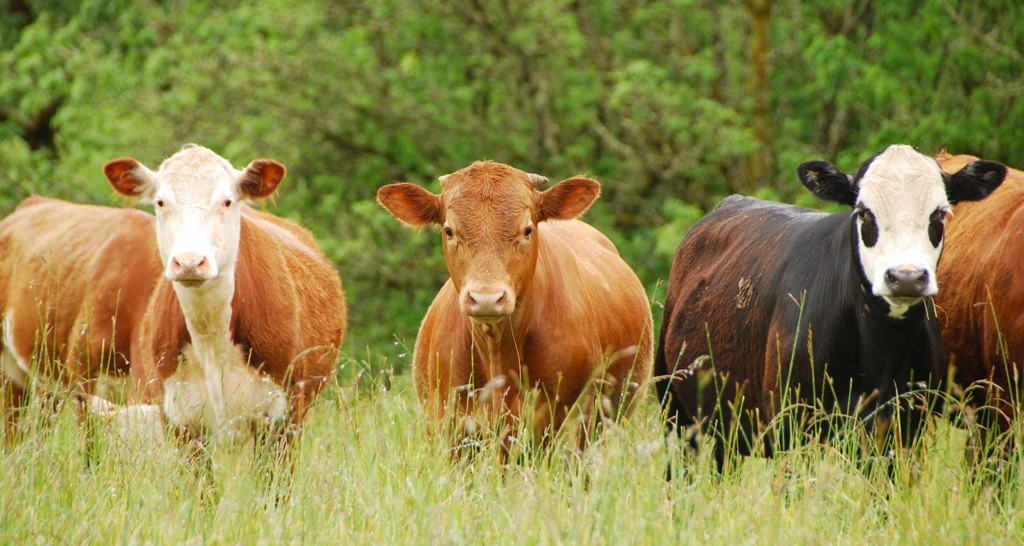
Livestock Farming (Beef Cattle Farming)
Dairy Farming
Dairy farms raise cows for milk, which is processed into a wide range of products like cheese, yogurt, cream, and butter. Ontario dairy farms focus on herd health, nutrition, and milking efficiency—often using robotic systems.
Beef Cattle Farming
Beef farmers raise cattle for meat, either through cow-calf operations, feedlots, or pasture-based systems. Ontario beef is sold locally and internationally as high-quality, grain- or grass-finished product.
Veal Production
Veal comes from young dairy-breed calves raised on milk or grain-based diets. Ontario veal producers follow strict care and nutrition standards to produce tender, mild-flavoured meat.
Hog Farming (Pork)
Ontario hog farms raise pigs for pork, using indoor housing systems that promote animal welfare and biosecurity. Pork is one of Ontario’s top livestock exports, sold fresh or processed.
Sheep Farming (for Meat and Wool)
Sheep are raised for lamb meat, wool, and sometimes milk. Flocks are typically pasture-based, with lambs marketed locally and wool used in textiles and crafts.
Goat Farming (Milk, Meat, Cheese)
Goats are versatile livestock raised for milk (used in cheese and soap), meat (chevon), and specialty products. Goat milk farming is growing in Ontario due to demand for artisanal cheeses.
Poultry Farming (Chicken, Turkey, Egg Production)
Poultry farms raise chickens and turkeys for meat and eggs. Egg farms use layer hens, while broiler and turkey farms focus on efficient meat production under regulated health and safety standards.
Game and Specialty Livestock (Bison, Deer, Rabbits)
These alternative livestock operations raise non-traditional animals for niche markets. Bison and deer are prized for lean, flavorful meat, while rabbits are raised for meat, pets, or specialty breeding.
Vegetable Farming Guide
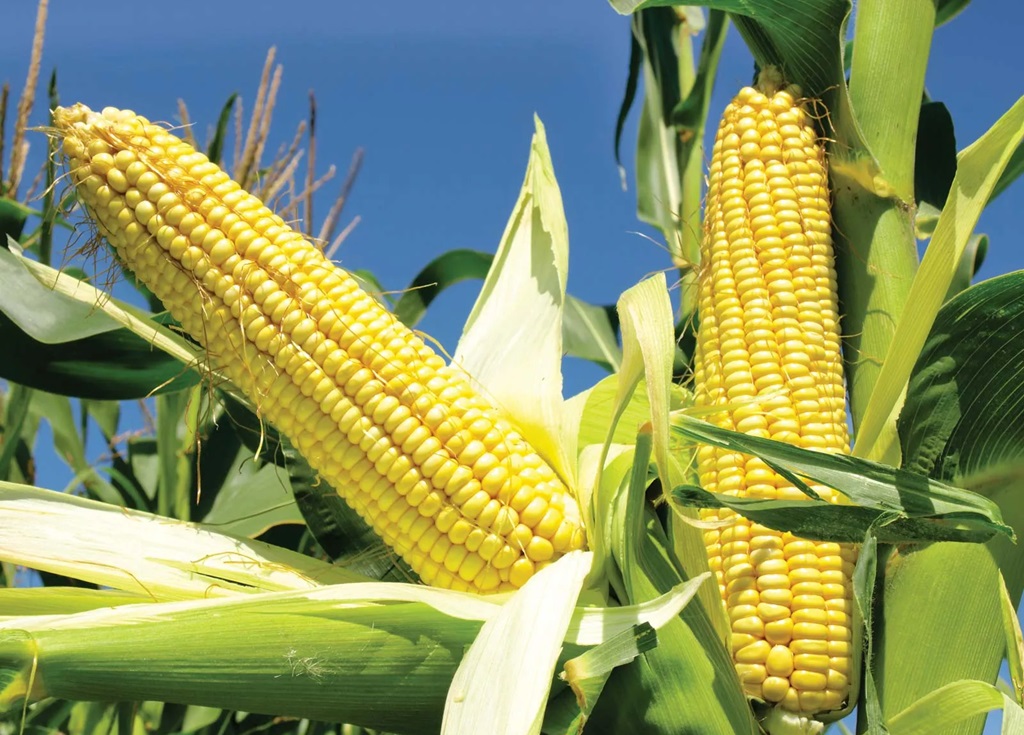
Vegetable Farming (Sweet Corn Farming)
Root Vegetable Farming (Carrots, Beets, Turnips, Radishes)
Root crops are grown underground and harvested for their edible roots. They thrive in well-drained soils and are staples in both fresh markets and processing due to their storage ability and nutritional value.
Leafy Greens Farming (Lettuce, Spinach, Kale)
Leafy greens are fast-growing, cool-season crops harvested for their tender leaves. Popular in salads and fresh meals, they are cultivated in fields and greenhouses for local and year-round markets.
Cruciferous Vegetable Farming (Cabbage, Cauliflower, Broccoli)
Members of the brassica family, these hardy crops are grown in cooler climates and valued for their dense heads and high nutritional content. They are harvested for fresh consumption, freezing, and processing.
Sweet Corn Farming
A summertime favourite, sweet corn is planted in staggered successions to extend harvest season. Grown for fresh eating and roadside markets, it’s picked at peak sweetness and enjoyed across Ontario.
Asparagus, Celery, Leeks, and Onions Farming
These specialty vegetables require specific growing conditions and longer seasons.
- Asparagus is a perennial spring crop.
- Celery needs steady moisture.
- Leeks and onions are valued for their flavour and culinary versatility.
Pumpkin and Squash Farming
Grown for food, decoration, and agri-tourism, pumpkins and squash are warm-season crops that come in a wide range of shapes, sizes, and culinary uses—from pie pumpkins to butternut squash.
Greenhouse Vegetable Farming (Tomatoes, Cucumbers, Peppers, Lettuce)
Using controlled environments, Ontario’s greenhouse growers produce fresh vegetables year-round. These systems maximize efficiency and quality while reducing water and pesticide use.
Specialty Farming Guide
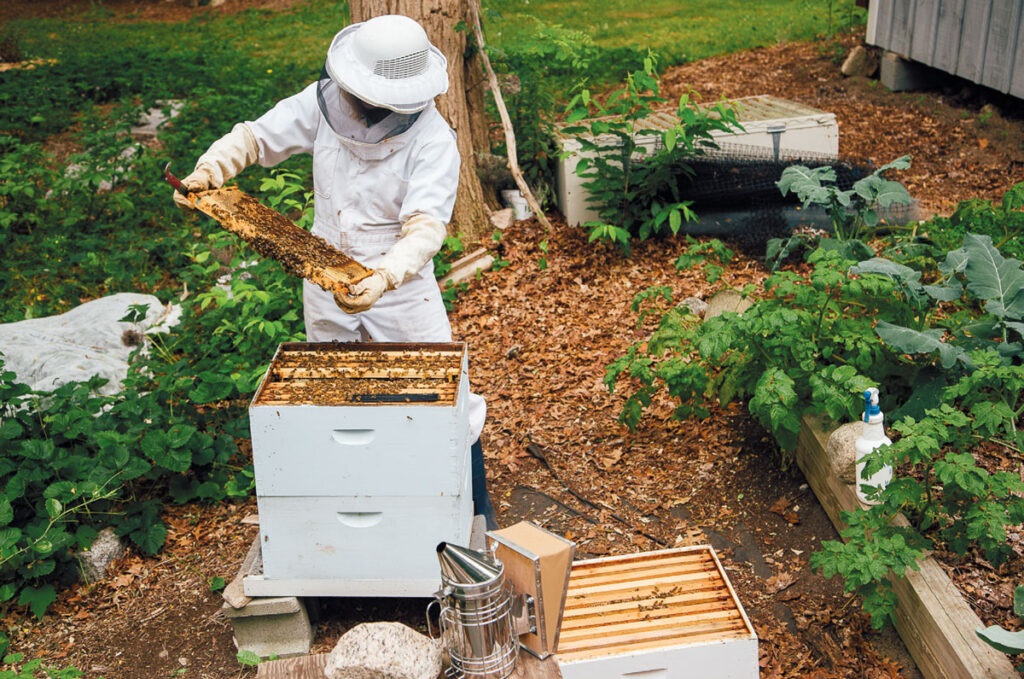
Specialty Farming (Beekeeping and Honey Production)
Beekeeping and Honey Production
Beekeeping involves managing hives of honeybees for honey, beeswax, and pollination services. Bees are essential to agriculture, helping pollinate crops while producing natural, locally sourced honey.
Aquaculture (e.g., Trout Farming)
Aquaculture is the farming of fish and other aquatic species in controlled environments. In Ontario, trout farming is common, supplying fresh fish to local markets and restaurants.
Horse Farms (for Breeding, Riding, Racing)
Horse farms focus on breeding, boarding, and training horses for recreation, sport, and racing. These farms also support riding schools, therapeutic programs, and equine events.
Llama and Alpaca Farms (Fiber Production)
These gentle animals are raised for their soft, luxurious fiber, which is sheared and spun into yarn for textiles. Llama and alpaca farms also attract visitors for agri-tourism and education.
Ostrich or Emu Farming
Specialty farms raise ostriches or emus for their lean meat, oils, leather, and eggs. These large flightless birds require secure fencing and specialized care but appeal to niche markets and exotic meat lovers.
Other Agricultural and Rural Activities Guide
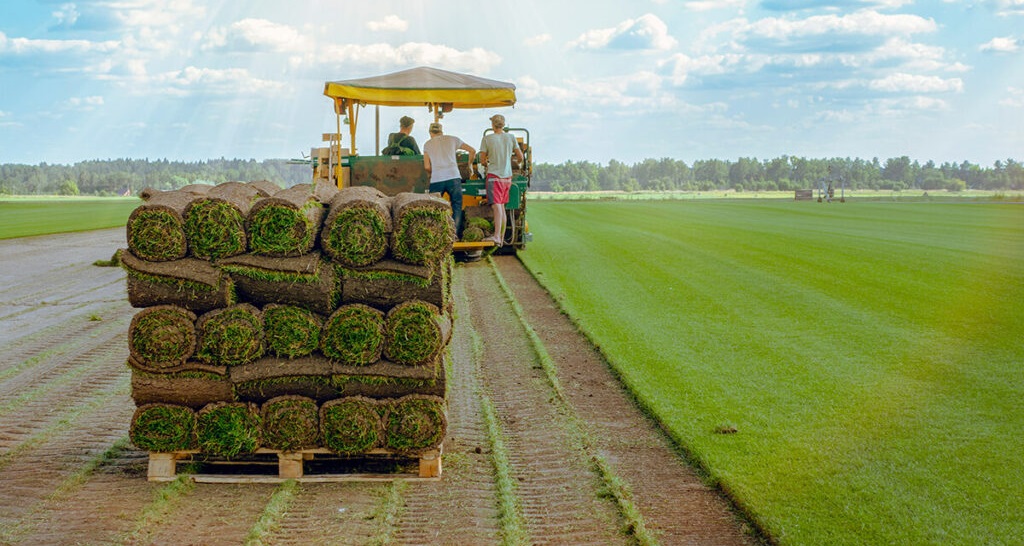
Other Agricultural and Rural Activities (Sod and Turfgrass Farms)
Maple Syrup Production (Sugar Bushes)
A proud Ontario tradition, maple syrup is produced by tapping sugar maple trees in early spring. The sap is collected and boiled down into syrup in “sugar shacks,” often located in scenic sugar bushes.
Greenhouse, Nursery, and Floriculture Production
This sector includes the controlled-environment cultivation of vegetables, herbs, flowers, and ornamental plants. It supports year-round growing and supplies local markets, landscapers, and garden centers.
Sod and Turfgrass Farms
These farms grow grass on large fields, which is harvested as sod and used for residential lawns, sports fields, and commercial landscaping. Quick-growing and well-maintained, sod helps prevent soil erosion.
Tree Farming (Christmas Trees, Hardwood, Ornamental)
Tree farms cultivate species for seasonal decoration, lumber, or landscaping. Christmas tree farms offer festive family experiences, while hardwood and ornamental trees are grown for long-term harvest or resale.
Mushroom Farming (Mostly Indoors)
Mushrooms are grown in climate-controlled indoor environments using organic substrates like straw or compost. Ontario farms produce white button, cremini, shiitake, and oyster mushrooms for fresh markets.