



Farm Buildings Guide
Crop Storage and Handling Building Guide
Crop Storage Building
Grain Bins / Silos (Metal or Concrete)
Tall, cylindrical structures used to store bulk grain like corn, wheat, or soybeans. Metal bins often include aeration systems to preserve grain quality, while concrete silos may store silage or feed.
Corn Cribs
Traditional slatted or ventilated structures used to dry and store ear corn. Corn cribs allow air circulation to reduce moisture and prevent spoilage.
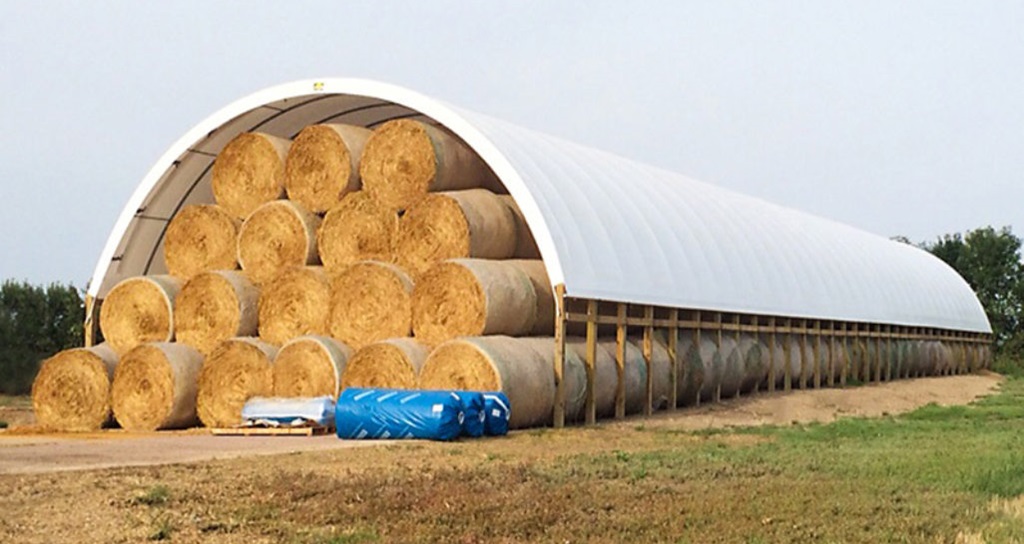
Hay Barn / Bale Storage Shed
Designed to store square or round hay bales, these barns protect forage from rain and sun, preserving quality for livestock feeding throughout the year.
Crop Storage Sheds
Versatile enclosed buildings used to store harvested crops, seed, or produce awaiting processing or transport. These sheds vary in size and insulation based on crop type.
Potato or Root Cellars
Underground or insulated structures that maintain cool, stable temperatures for storing potatoes, carrots, beets, and other root vegetables, reducing spoilage and extending shelf life.
Cold Storage Buildings / Refrigerated Units
Temperature-controlled facilities used to preserve perishable produce, dairy, meat, or flowers. Essential for market farms, greenhouse operations, and distribution centers.
Greenhouses (Heated and Unheated)
Structures made of glass or polyfilm used to grow vegetables, herbs, flowers, and seedlings.
- Heated greenhouses extend the growing season year-round.
- Unheated greenhouses provide protection in spring and fall.
Packing Sheds / Grading Stations
Facilities where harvested crops are cleaned, sorted, graded, and packed for market. Often equipped with wash lines, conveyors, tables, and cold storage for post-harvest handling.
General Purpose Farm Building Guide
General Purpose Farm Building
Machine Shed / Equipment Shed
A large structure used to store and protect major farm machinery such as combines, planters, and balers. These sheds help extend equipment life by shielding it from weather and sun.
Workshop / Repair Garage
A dedicated space equipped for machinery maintenance and repairs. Often includes tools, welders, workbenches, and parts storage—essential for keeping farm operations running smoothly.
Utility Shed or Tool Storage
A small, organized building for storing hand tools, hardware, and small equipment. Located near gardens, barns, or work areas for quick and convenient access.
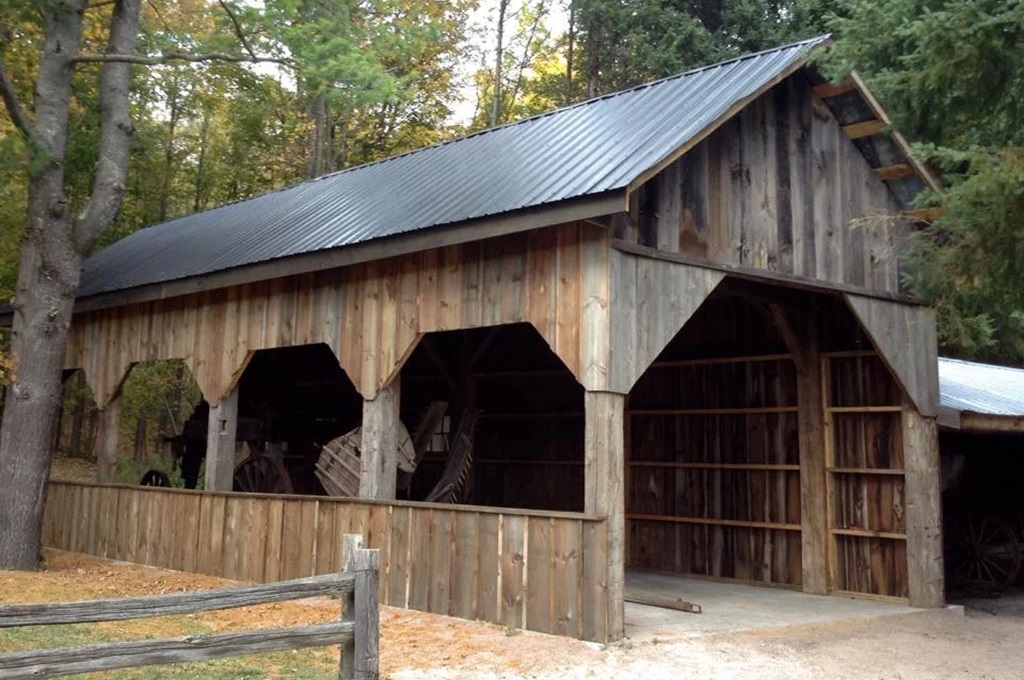
Drive Shed (for Tractors, Wagons, etc.)
An open or partially enclosed shed designed for quick pull-in parking of tractors, wagons, trailers, and other frequently used vehicles. Great for daily access and weather protection.
Implement Shed (for Smaller Tools or Seasonal Equipment)
A mid-sized shed used to store smaller implements like cultivators, seeders, or mower attachments. Often used to keep seasonal or backup tools organized and out of the elements.
Fuel Shed or Tank Shelter
A secure, weather-protected structure housing fuel tanks, diesel pumps, or propane units. Designed for safety, access control, and environmental protection on the farm.
Covered Parking / Carport
An open-sided shelter for personal vehicles, ATVs, or service trucks. Covered parking keeps vehicles protected from rain, snow, and sun without requiring full enclosure.
Heritage and Historical Structure Guide
(found on older or preserved farms)
Historical Structure
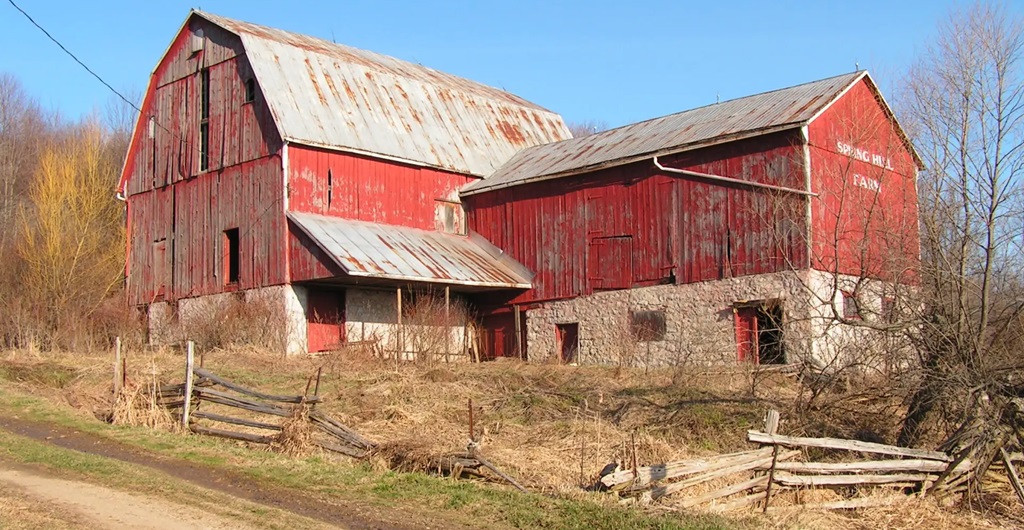
Stone Barns / Timber Frame Barns
Built with local stone or heavy timber beams, these barns reflect early craftsmanship and durable design. Often centuries old, they were used for livestock, hay, and grain, and remain iconic symbols of rural heritage.
Log Cabins or Settler’s Cottages
Early farm dwellings made from hand-hewn logs, these structures housed pioneer families and sometimes served as tool sheds or storage in later years. They represent the resilience and ingenuity of early settlers.
Ice Houses
Insulated buildings once used to store blocks of ice cut from frozen lakes and rivers. Before refrigeration, ice houses kept food cool year-round and were vital for preserving meat, dairy, and produce.
Smokehouses
Small, enclosed structures used to cure meat and fish through smoke and low heat. A traditional method of preservation, smokehouses were essential on self-sufficient farms before modern refrigeration.
Windmills / Water Towers
Historic windmills were used to pump water for livestock and irrigation, while water towers stored elevated water to maintain pressure for household and farm use. Both structures highlight early innovation in rural utility systems.
Livestock and Animal Housing Guide
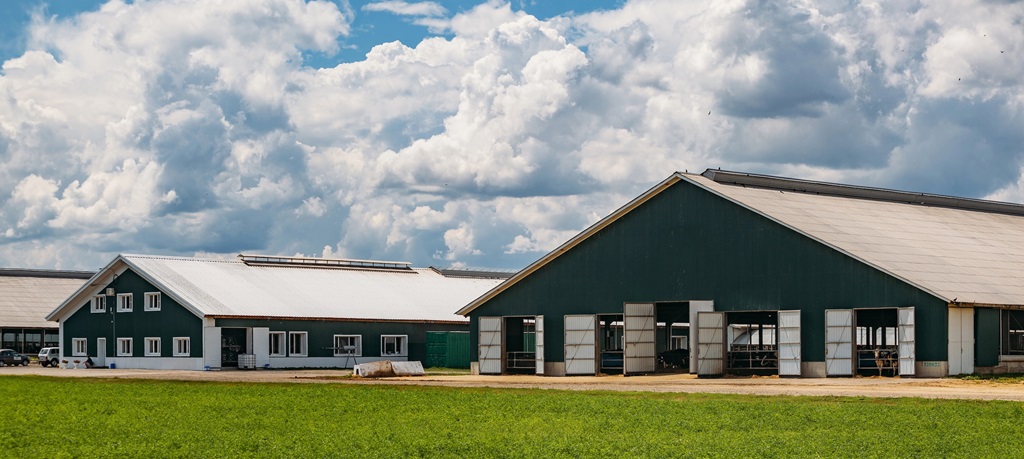
Livestock Housing
Dairy Barns (With or Without Milking Parlors)
Purpose-built for housing dairy cattle, these barns may include tie-stalls or free-stall systems and often feature automated milking parlors for efficient milk collection and herd health monitoring.
Beef Barns or Feedlots
Used to house and feed beef cattle, these facilities vary from open-sided barns to outdoor feedlots with covered shelters. They provide space for growth, finishing, and feeding operations.
Horse Stables / Riding Arenas
Stables house horses in individual stalls, often with attached tack rooms and grooming areas. Riding arenas, indoor or outdoor, provide training, exercise, and competition space.
Pig Barns (Farrowing, Finishing, or Nursery Barns)
Specialized barns for different stages of hog production:
- Farrowing barns for sows giving birth.
- Nursery barns for young piglets.
- Finishing barns for raising pigs to market weight.
Poultry Barns (Broiler, Layer, or Turkey Barns)
Climate-controlled barns designed for raising poultry.
- Broiler barns house meat chickens.
- Layer barns produce table eggs.
- Turkey barns accommodate larger birds for meat production.
Sheep or Goat Barns
Flexible structures that provide shelter, feeding, and lambing/kidding areas. These barns support small ruminants for meat, milk, or wool production, with access to pens and pasture.
Animal Shelter / Lean-To
Simple, three-sided structures that provide shade and weather protection for livestock in pastures. Commonly used for cattle, horses, and sheep.
Small Animal Housing (for Rabbits, Ducks, etc.)
Custom-sized coops, hutches, or pens for small livestock or poultry. These shelters offer protection from predators and weather while allowing for proper feeding and care.
Birthing Barns / Maternity Pens
Designed for safe animal births, these barns include individual pens for monitoring and assisting mothers and newborns, ensuring a clean, stress-free environment.
Free-Run or Free-Range Coops
Poultry coops that allow birds to roam within a barn (free-run) or outdoors (free-range). These systems promote natural behaviours and animal welfare in egg or meat production.
Poultry and Egg Production Building Guide
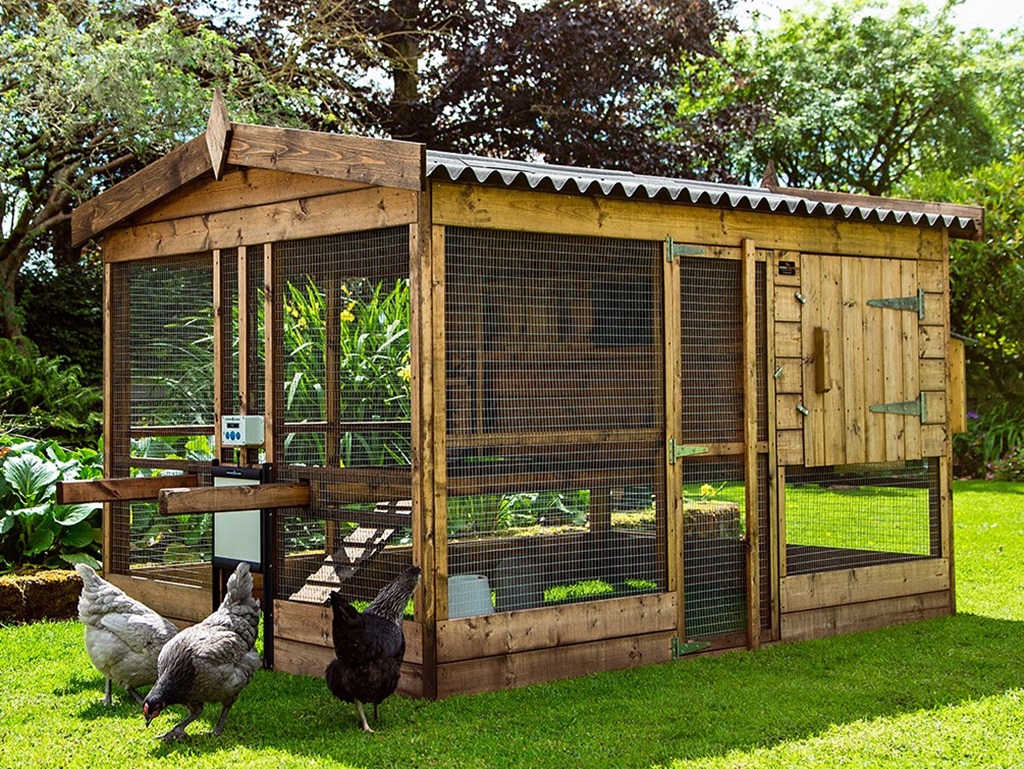
Poultry Production Building
Broiler Chicken Barns
Designed for raising meat chickens, broiler barns are climate-controlled environments that support fast, healthy growth. They feature automated feeding, ventilation, and lighting systems to ensure bird welfare and efficient production.
Layer Hen Barns
These barns house laying hens that produce table eggs. Systems range from conventional cages to enriched or cage-free setups, with careful management of lighting, feed, and nesting to optimize egg production.
Pullet Rearing Barns
Used to raise young hens (pullets) from chicks until they are ready to enter layer barns. These barns focus on proper growth, nutrition, and conditioning to prepare birds for healthy egg-laying cycles.
Egg Grading and Packing Rooms
Specialized facilities where eggs are cleaned, graded by size and quality, and packed for market. These rooms follow strict food safety standards and are often attached to layer barns for efficiency.
Free-Range Chicken Coops
Housing for hens that have access to outdoor areas for natural foraging and roaming. Coops provide shelter, nesting boxes, and nighttime protection while supporting animal welfare and consumer demand for free-range eggs.
Recreational and Education Structure Guide
(Common on Agri-tourism and Family Farms)
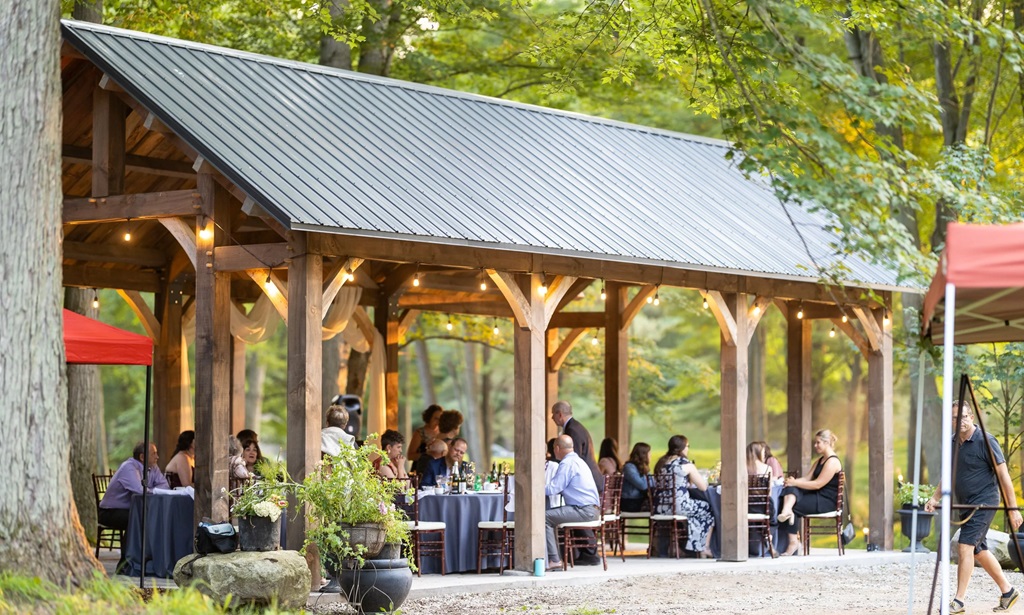
Recreational Structure
Children’s Play Barns
Safe, enclosed spaces designed for kids to enjoy farm-themed play. These barns may feature climbing structures, slides, straw bale mazes, or imaginative play areas that make farm visits fun and interactive for young visitors.
Corn Maze Welcome Centers
The entry point to a corn maze experience, often equipped with ticketing, maps, snacks, and souvenirs. These centers help orient visitors and set the stage for agri-entertainment adventures.
Picnic Shelters
Open-sided structures with tables and seating, offering shaded areas for families and groups to relax and enjoy meals during farm visits, festivals, or school tours.
Farm Event Pavilions / Banquet Barns
Large, multipurpose spaces used for weddings, dinners, concerts, and community gatherings. These barns or pavilions blend rustic charm with modern amenities and often serve as the centerpiece of farm events.
Education Barns (for School Visits, Tours, or Workshops)
Designed for learning and hands-on discovery, education barns host school groups, farm tours, and workshops. These buildings may include displays, interactive exhibits, and seating areas for classes or demonstrations.
Residential and Living Structure Guide
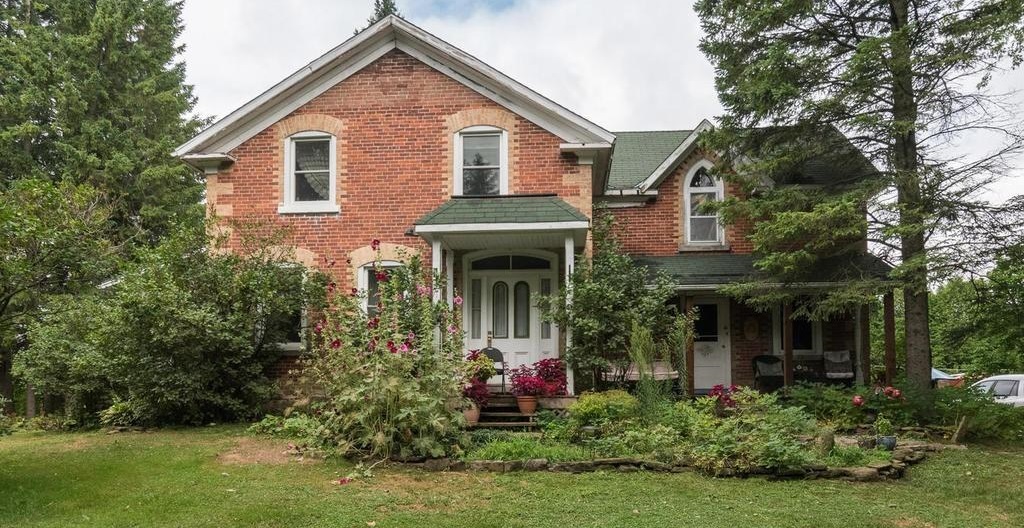
Residential Structure
Farmhouse / Main Residence
The central home on the farm, typically where the farm family lives. The farmhouse often serves as the administrative and social hub of the property and may reflect the farm’s history and heritage.
Farmhand or Worker Housing
Residences provided for full-time or seasonal farm workers. These buildings range from simple apartments to multi-room houses and are located conveniently near work areas for efficiency and comfort.
Guest Houses / Bunkhouses
Separate lodging units used to accommodate guests, visiting family, or extra workers. Bunkhouses are typically dormitory-style with shared facilities, while guest houses offer more privacy.
Recreational Cabins / Cottages
Rustic or modern cabins used for seasonal stays, retreats, or agri-tourism. Often located in scenic or wooded areas of the farm, they provide a quiet getaway or income-generating lodging option.
Storage Building Guide
Storage Building
General Storage Barns
Multi-purpose barns used to store equipment, supplies, harvested crops, or seasonal items. These flexible buildings help keep the farm organized and protected from the elements.
Chemical / Fertilizer Storage
Secure, well-ventilated buildings or cabinets specifically designed to store agricultural chemicals, pesticides, herbicides, and fertilizers. These areas are built to meet safety and environmental regulations.
Seed Storage Sheds
Dry, temperature-controlled spaces for storing seed stock before planting. Proper seed storage maintains viability and protects against moisture, pests, and spoilage.
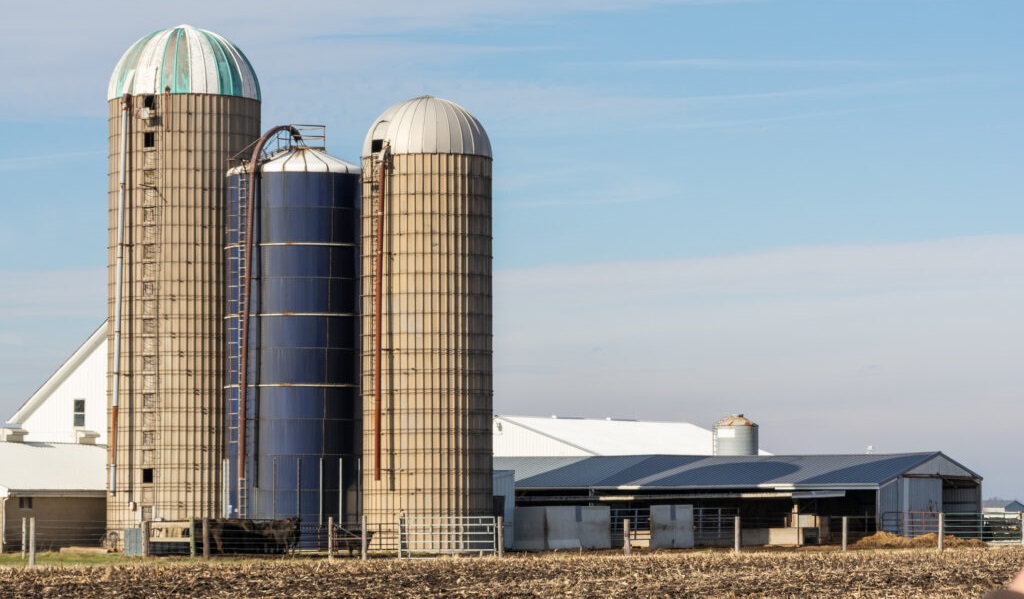
Feed Bins & Silos
Tall, enclosed containers used to store bulk feed for livestock. Feed bins often dispense grain or pellets directly into feeders, while silos store silage or high-moisture feed for longer-term use.
Tool Lockups
Small, secure buildings or rooms for storing valuable hand tools, power equipment, and repair supplies. Lockups help prevent loss and ensure tools are readily available when needed.
Storage Containers or Re-purposed Shipping Units
Steel containers or shipping crates converted for on-farm use, ideal for cost-effective, weatherproof storage of tools, equipment, or supplies. Easily moved and highly durable.
Value-Added and Processing Building Guide
Processing Building
Dairy Processing Facility (e.g., for Cheese, Yogurt)
A specialized building equipped to process raw milk into value-added dairy products like cheese, yogurt, butter, or ice cream. These facilities must meet strict health and safety standards and often include cold storage and packaging areas.
Butchering or Meat Processing Shed
A dedicated space for slaughtering, cutting, and packaging meat on-site. These sheds are used for livestock or poultry and may include refrigeration, smokehouses, and areas for making sausage, jerky, or specialty cuts.
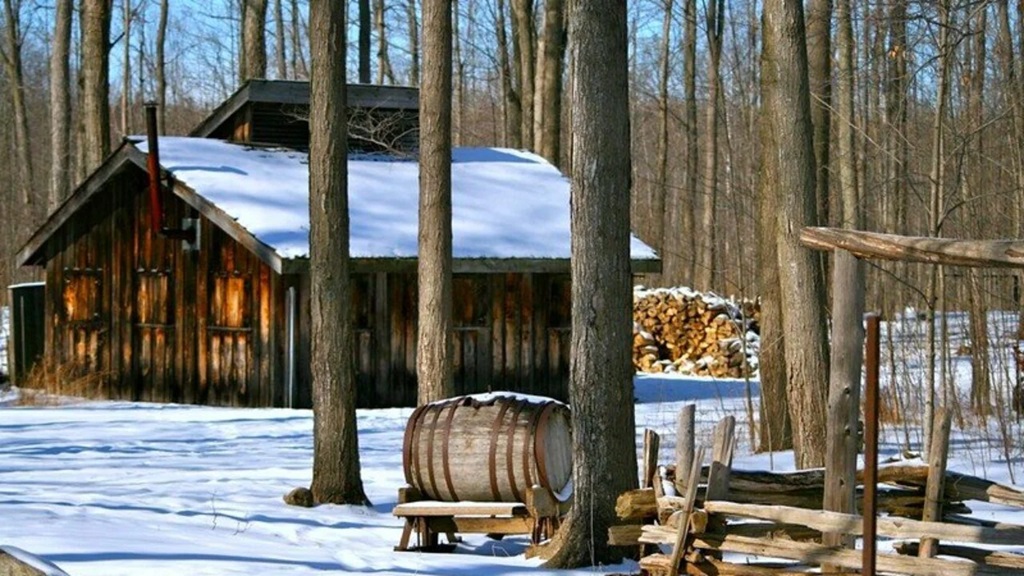
Maple Syrup Sugar Shack / Sugar House
A seasonal building used to boil sap into maple syrup. Sugar shacks house evaporators and wood-fired or modern heating systems and often serve as educational and agri-tourism hubs in spring.
Honey House / Extraction Room
A clean, controlled facility where honey is extracted from combs, filtered, and bottled. These spaces include uncapping stations, extractors, and storage for honey and beeswax products.
On-Farm Bakery or Kitchen
Certified kitchens where farmers create baked goods, preserves, sauces, or other value-added foods. These kitchens meet food safety standards and help farmers diversify income through direct-to-consumer products.
Winery / Cidery / Microbrewery Structures
Buildings where grapes, apples, or grains are processed and fermented into wine, cider, or beer. These structures often include tasting rooms, storage cellars, and retail areas, supporting both production and agri-tourism.
Farm Store or Market Stand Building
A retail space located on the farm where visitors can purchase fresh produce, meat, preserves, baked goods, and handmade products. These buildings range from small stands to full-service shops with coolers, displays, and customer amenities.
Waste and Utility Building Guide
Utility Building
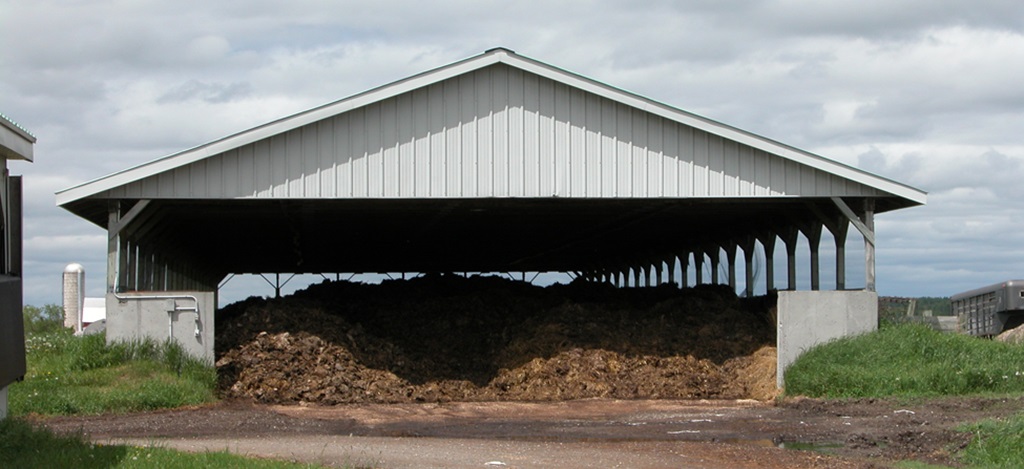
Manure Storage (Liquid Lagoon or Covered Structure)
Structures designed to store livestock manure until it can be applied to fields as fertilizer.
- Liquid lagoons are open-air ponds for slurry or liquid manure.
- Covered structures store solid or semi-solid manure, helping control runoff and odours.
Compost Facility
A designated area or building for turning organic waste, such as manure, crop residue, or food scraps, into nutrient-rich compost. These facilities support soil health and sustainable waste recycling.
Water Pump Houses / Irrigation Stations
Small buildings or enclosures that house water pumps, pressure tanks, and valves for irrigating fields or supplying water to livestock. They protect equipment from weather and ensure reliable water delivery.
Electrical Utility Sheds / Generator Huts
Compact shelters for housing electrical panels, backup generators, and power management systems. These structures safeguard essential infrastructure and provide consistent energy supply during outages or remote operations.