
Event Guides
Pumpkin Patches, Corn Mazes & Fall Festival Guide
Corn Maze
🎃 Pumpkin Patch Farm Markets
Pumpkin patch farm markets are typically located at or near the entrance to the pumpkin fields. They sell pumpkins of all sizes and varieties, along with gourds, squash, and fall décor. Many also offer baked goods, cider, and seasonal treats. These markets act as the primary retail space for visitors who want to browse and purchase without venturing into the fields.
🌽 Corn Maze Welcome & Ticket Booth Markets
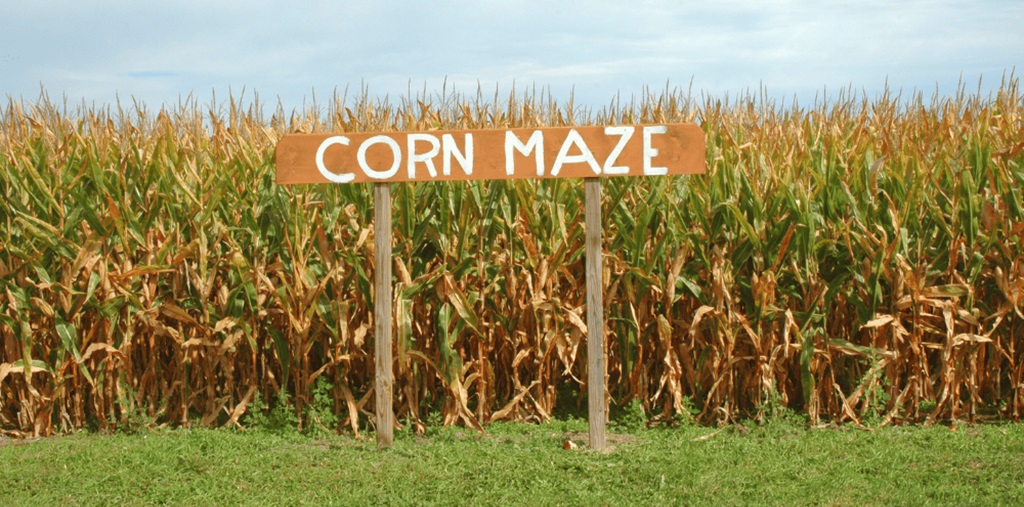
Corn maze markets often function as welcome centres and ticket booths combined with small retail areas. Visitors check in, purchase maze tickets, and receive directions or safety information. These markets may also sell snacks, drinks, souvenirs, and themed merchandise, supporting the overall maze experience.
🍎 Harvest Festival Farm Markets
Harvest festival markets are larger, more festive retail spaces that operate during peak fall weekends. They typically sell a wide variety of seasonal products including apples, pumpkins, baked goods, preserves, cider, maple products, and farm-made treats. These markets often become bustling hubs where visitors gather between activities.
🍁 Fall Décor & Country Goods Markets
These markets specialize in autumn décor such as hay bales, corn stalks, mums, wreaths, dried flowers, and rustic home accents. Often styled for visual appeal, they attract visitors looking to decorate homes or take seasonal photos. Many are closely tied to pumpkin patches and harvest events.
🍩 Bakery & Fall Treat Markets
Bakery-focused fall markets highlight seasonal baked goods such as pumpkin pies, apple fritters, donuts, butter tarts, breads, and cookies. Often paired with hot cider or coffee, these markets become comfort-food destinations and are a major draw during cooler fall weather.
🧃 Cider, Beverage & Tasting Markets
Some fall agritourism destinations include dedicated cider or beverage markets offering fresh apple cider, hot cider, mulled drinks, or tastings. These may be non-alcoholic or paired with cideries or wineries. Beverage markets often include take-home products and enhance the overall harvest experience.
🧺 Multi-Vendor Harvest Markets
Multi-vendor harvest markets bring together several local producers, artisans, and food vendors on a farm property during fall festivals. These markets create a community marketplace atmosphere while still being rooted in agriculture. They are especially popular during special event weekends and often feature live music or demonstrations nearby.
🛍️ Souvenir & Farm Gift Shops
Souvenir and gift shops at pumpkin patches and fall festivals sell branded merchandise, children’s items, seasonal gifts, and locally made crafts. These shops allow visitors to take home a tangible reminder of their visit and are especially popular with families and tourists.
🚜 Experience Support Markets
Experience support markets serve practical needs for visitors participating in multiple activities. They may sell tickets, wristbands, food vouchers, activity passes, rain gear, or farm-branded apparel. These markets support smooth visitor flow and help manage large crowds during busy fall weekends.
🎪 Pop-Up & Seasonal Festival Markets
Pop-up fall markets operate temporarily during peak harvest weekends or special events. Often housed in tents or temporary structures, they focus on limited seasonal products such as pumpkins, baked goods, or crafts. These markets add flexibility and capacity during busy periods without permanent infrastructure.
Maple Syrup Farms & Sugar Bush Guide
Maple Syrup Festival
🧺 Sugar Shack Farm Stores
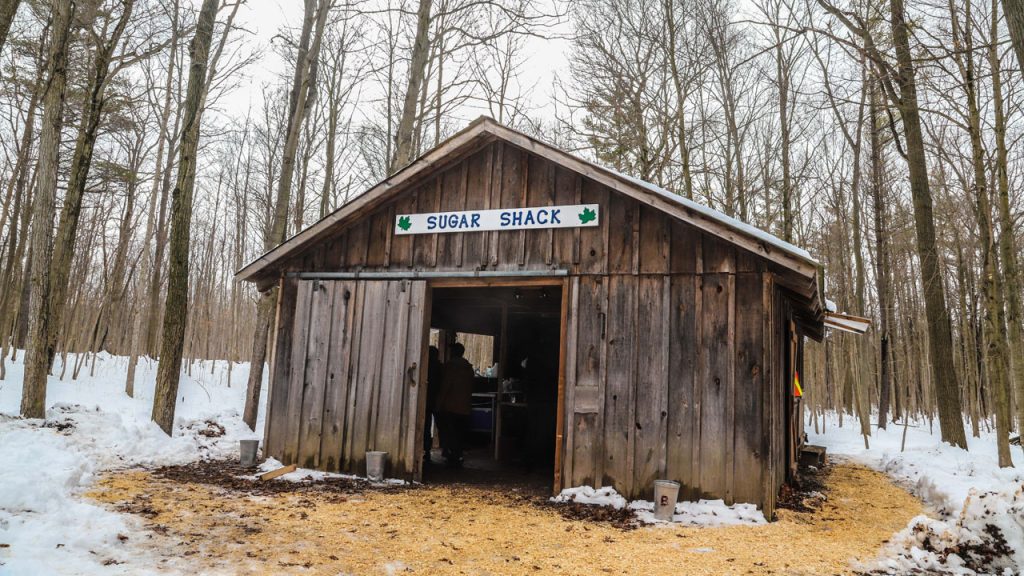
Sugar shack farm stores are the primary retail space at maple syrup farms. They sell syrup produced on-site in various grades and sizes, along with maple butter, maple sugar, candies, and gift packs. These stores are often housed in rustic buildings or sugar shacks, reinforcing the traditional atmosphere and heritage of maple production.
🍯 Maple Product Specialty Stores
These stores focus on value-added maple products such as cream, candies, taffy, cookies, sauces, and spreads. Many also carry maple-flavoured condiments and seasonal specialties. Specialty maple stores allow visitors to explore the versatility of maple syrup beyond pancakes.
🥞 Pancake House & Take-Home Food Counters
Many sugar bushes operate pancake houses or food counters during sap season. In addition to serving hot meals, these locations often sell take-home items such as pancake mix, sausages, baked goods, and syrup bundles. They support the full maple experience and encourage longer visits.
🧃 Tasting & Sampling Counters
Sampling counters offer visitors the chance to taste different grades of syrup and maple products. Staff often explain flavour profiles, grading, and production differences. These counters enhance education and help guests choose products they enjoy most.
🛍️ Maple Gift & Country Shops
Gift shops sell maple-themed merchandise, souvenirs, kitchen items, books, apparel, and decorative goods. These shops are popular with tourists and families seeking keepsakes that reflect Ontario’s maple heritage.
🌲 Maple Trail & Tour Check-In Markets
These markets function as welcome centres where visitors check in for sugar bush tours, trail walks, and demonstrations. They often sell tickets, maps, and small maple products and act as an orientation point before guests head into the forest.
🧺 Local Artisan & Regional Product Markets
Some maple farms partner with nearby producers to sell honey, preserves, cheese, baked goods, or crafts. These markets broaden the visitor experience and highlight the agricultural community surrounding the sugar bush.
🎪 Maple Season & Festival Pop-Up Markets
During peak sap season or special maple weekends, pop-up markets appear under tents or outdoor spaces. These markets sell seasonal maple treats, guest products, and limited-edition items, adding festive energy to busy weekends.
🪵 Self-Serve & Honour-System Maple Stands
Smaller or rural sugar bushes may operate honour-system sheds or roadside stands selling syrup and maple products year-round. These simple markets reflect traditional rural trust and provide convenient access to local maple products.
Farm Workshops & Hands-On Learning Guide
Farm Workshop Experience
🧑🌾 Workshop Welcome & Check-In Markets
These markets act as the arrival and orientation point for workshop participants. Visitors check in, confirm registrations, receive schedules, safety information, and materials lists. Many also sell refreshments, farm products, or small supplies related to the workshop topic.
🛠️ Workshop Supply & Materials Stores
Supply stores sell tools, kits, and materials needed for hands-on activities. Depending on the workshop, this may include gardening tools, seeds, baking kits, cheese-making supplies, craft materials, or protective gear. These stores allow participants to continue learning at home.
🌾 Farm Product & Ingredient Markets
Many workshop farms operate small markets selling the ingredients used during sessions, such as flour, grains, vegetables, herbs, dairy products, honey, or meat. Purchasing these items reinforces the connection between learning and real-world farm production.
🍞 Demonstration Kitchen & Tasting Markets
For food-based workshops, demonstration kitchens often include retail counters where participants can sample and purchase finished products. Items may include baked goods, preserves, cheese, or prepared foods tied directly to the workshop experience.
📚 Education & Learning Resource Stores
These stores focus on books, guides, recipe cards, manuals, and educational materials related to agriculture, food skills, sustainability, and rural crafts. They are especially valuable for visitors looking to deepen their knowledge after the workshop ends.
🌱 Seed, Plant & Growing Supply Stores
Growing-focused workshops often include stores selling seeds, seedlings, bulbs, soil amendments, compost, and growing guides. These markets support gardeners and growers who want to apply what they learned immediately at home.
🧺 Local Artisan & Partner Product Markets
Some workshop farms feature curated selections of products from neighbouring farms and artisans. These markets broaden the learning experience by showcasing how different producers apply similar skills and techniques within the local agricultural community.
🎟️ Experience Booking & Workshop Retail Desks
Retail-style desks manage registrations for upcoming workshops, farm tours, and learning experiences. They often sell related merchandise, toolkits, or gift certificates, encouraging repeat visits and ongoing engagement.
🛍️ Farm Craft & Handmade Goods Shops
Craft shops sell handmade items produced during or inspired by workshops, such as soaps, textiles, wood products, or preserved foods. These shops highlight craftsmanship and celebrate traditional skills passed down through hands-on learning.
🎪 Seasonal & Special Event Pop-Up Markets
During festivals, open houses, or multi-day learning events, pop-up markets may appear selling limited-edition kits, guest instructor products, or themed merchandise. These markets add variety and energy to larger learning gatherings.
🪵 Self-Serve & Honour-System Learning Stands
Smaller farms may operate simple self-serve stands offering seeds, produce, or workshop kits. These honour-system setups reflect rural trust and provide flexible access to learning materials without staffed retail spaces.
Farm-Based Outdoor & Nature Experiences
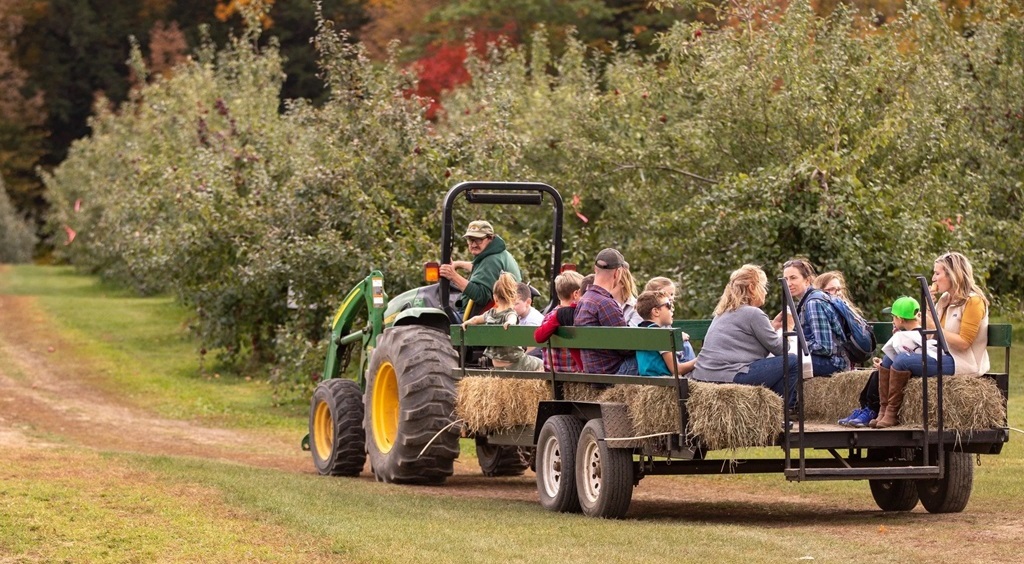
Farm Wagon Ride
🧺 Trailhead Welcome & Orientation Markets
These markets serve as the main arrival point for visitors exploring farm trails, woods, meadows, or conservation areas. Guests check in, receive maps, trail rules, and safety information, and may purchase trail passes or guided walk tickets. Many also sell bottled water, sunscreen, or weather-related items.
🥾 Outdoor Gear & Nature Supply Shops
Some farm-based nature destinations operate small gear shops offering essentials such as walking sticks, bug spray, ponchos, binoculars, or bird guides. These stores support comfort and preparedness for outdoor exploration, especially for first-time visitors.
🌿 Farm Product & Picnic Markets
These markets sell picnic-friendly farm products such as fresh produce, baked goods, cheese, meats, jams, and drinks. Visitors can create simple meals to enjoy on the property, encouraging longer stays and relaxed outdoor experiences.
🐦 Nature Education & Interpretation Stores
Education-focused stores sell field guides, nature journals, wildlife identification cards, children’s learning kits, and interpretive materials. These stores appeal to families, educators, and nature enthusiasts interested in learning more about local ecosystems and farmland stewardship.
🧺 Local Artisan & Regional Product Markets
Some farms partner with nearby producers to sell locally made goods such as honey, preserves, crafts, and handmade items. These markets highlight the surrounding rural community and complement the farm’s nature-based focus.
🚜 Experience Booking & Guided Activity Counters
Retail-style counters manage bookings for guided walks, birding tours, farm hikes, snowshoeing, sleigh rides, or seasonal nature programs. These counters may also sell related merchandise or maps tied to the experience.
🔥 Campfire, Picnic & Outdoor Comfort Stores
Larger farm properties may offer small stores selling firewood, marshmallows, picnic blankets, or simple outdoor comforts. These stores support longer visits and enhance the enjoyment of outdoor spaces.
🌸 Seasonal Nature & Plant Markets
During spring and summer, some farms host seasonal plant or nature markets selling native plants, wildflowers, saplings, or pollinator-friendly seeds. These markets reinforce conservation messaging and allow visitors to bring nature home.
🎪 Seasonal & Event Pop-Up Nature Markets
During festivals, guided nature weekends, or special outdoor events, pop-up markets may appear selling themed products, guest-artisan items, or seasonal food. These markets add flexibility and interest during peak visitation periods.
🪵 Self-Serve & Honour-System Nature Stands
Smaller or more remote farms may operate simple self-serve stands offering honey, eggs, produce, or trail snacks. These honour-system setups reflect rural trust and add charm to the visitor experience.
Agritourism Events & Seasonal Program Guide
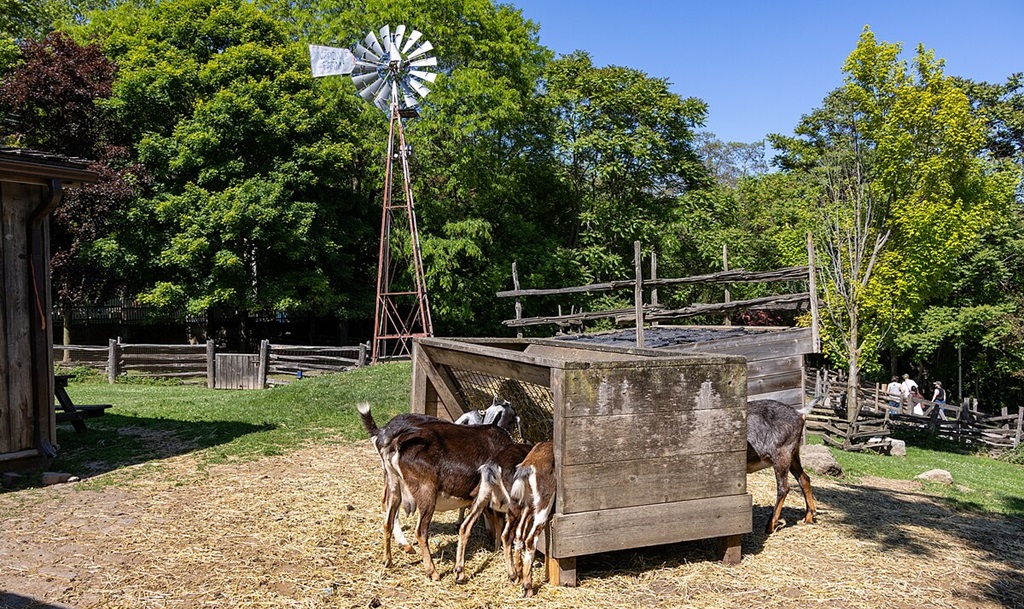
Farm Experience
🧺 Event Welcome & Information Markets
These markets act as the primary arrival and orientation point for agritourism events. Visitors pick up programs, maps, schedules, and wristbands or tickets. Many also sell refreshments, event merchandise, and basic farm products. This space helps manage visitor flow and sets expectations for the day.
🍎 Seasonal Farm Product Markets
Seasonal farm product markets highlight what is currently being harvested or produced. Offerings may include produce, fruit, flowers, maple products, baked goods, or preserves tied directly to the event theme. These markets reinforce seasonality and encourage visitors to connect the event with the farm’s agricultural focus.
🧺 Multi-Vendor Agritourism Event Markets
These markets bring together multiple farms, food producers, artisans, and crafters during special events or festivals. Often operating like a rural marketplace, they create a lively atmosphere while showcasing the diversity of the local agricultural community.
🍽️ Food & Culinary Event Markets
Food-focused event markets sell ready-to-eat meals, tasting portions, and take-home culinary products. These may include farm-to-table dishes, festival food, beverage tastings, or cooking demonstrations. They support longer visits and are often a central draw of agritourism events.
🍯 Specialty & Themed Product Markets
Some events feature markets centered on a specific product or theme, such as maple syrup weekends, apple festivals, honey days, or flower celebrations. These markets offer themed goods, gift packs, and limited-edition items that align closely with the event’s focus.
🛍️ Agritourism Gift & Souvenir Shops
Gift and souvenir shops sell event-branded merchandise, local crafts, children’s items, and farm-inspired gifts. These shops allow visitors to take home a tangible reminder of their experience and often contribute to the long-term visibility of the event.
🎟️ Ticketing, Booking & Experience Add-On Counters
Retail-style counters manage ticket sales, workshop registrations, tour bookings, and paid add-on experiences. They may also sell merchandise or farm products connected to premium experiences, such as guided tours or tasting sessions.
🌻 Seasonal Décor & Lifestyle Markets
These markets sell décor and lifestyle items tied to the season or event, such as fall décor, holiday greenery, spring planting items, or rustic home goods. They are especially popular during harvest festivals and holiday farm events.
🧃 Refreshment, Snack & Comfort Markets
Smaller food and refreshment markets sell drinks, snacks, and simple comfort foods. These markets support families and visitors spending extended time on site and are often strategically placed near activity areas.
🎪 Pop-Up & Temporary Event Markets
Pop-up markets operate only for the duration of the event or season. Often housed in tents or temporary structures, they allow farms to expand retail capacity during peak times without permanent infrastructure.
🪵 Self-Serve & Honour-System Event Stands
Some agritourism events include simple self-serve stands offering produce, baked goods, or souvenirs. These honour-system setups reflect rural trust and add charm, particularly at smaller or community-focused events.