









When Ontario Brings in the Harvest
“From hand sickles and threshing bees to combines, grape harvests and pick your own traditions”
ONTARIO AGRITOURISM | FIELD NOTES
Executive Summary
Harvest in Ontario is not a single autumn weekend. It is a moving season that begins with spring crops, gathers speed through summer berries and vegetables, and reaches its loudest, dustiest chapter when grain, apples, grapes, pumpkins, soybeans and field corn come in. The timing changes with the crop, the region and the weather, and every harvest is a race between ripeness and risk.
For generations, harvesting has also been a community story. Indigenous peoples cultivated and gathered food here long before European settlement, including crops such as corn, beans and squash. Later farm families cut grain by hand, built sheaves and relied on neighbours at threshing time. Horse-drawn reapers, binders, stationary threshing machines and tractors steadily reduced the labour. Today, one combine can cut, thresh and clean grain as it moves across a field, while highly specialized harvesters lift potatoes, shake grapes, pick processing tomatoes or chop corn for livestock feed.
Yet the old spirit has not disappeared. It lives in fall fairs, harvest suppers, roadside stands, apple picking, pumpkin patches, grape festivals and the familiar wave exchanged between a farmer in a cab and a family watching from a country road. Ontario harvest is where history, machinery, food and community all meet—and where a year of careful work finally leaves the field.
The Sound of a Season
You often hear harvest before you see it. A combine hums beyond a hedgerow. A grain buggy rattles over a laneway. A wagon door clanks shut. Somewhere, a farm dog is convinced that every tractor has been started entirely for its benefit.
Then come the sights: wheat fields turned the colour of toast, orchards bright with red and gold, grape bins stacked beside a vineyard, and pumpkins scattered across a field as if autumn had emptied its pockets. Harvest is practical, demanding work—but from the roadside it can look wonderfully theatrical.
There is one important correction to the familiar picture: Ontario harvest does not belong only to October. In a province this large and agriculturally varied, something is being picked, cut, dug, shaken, lifted or gathered through much of the growing season.
Harvesting Before Ontario Was Ontario
Long before the province had fence lines, concession roads or bank barns, First Nations grew, gathered, hunted and preserved food according to the seasons. Among the best-known Indigenous cropping systems is the Three Sisters: corn, beans and squash grown in a mutually supportive planting. Corn provides height for climbing beans, beans contribute nitrogen to the soil, and broad squash leaves help shade the ground and hold moisture.
Harvest was never simply the removal of food from the land. It depended on close knowledge of soil, water, weather, plants and animal life, and it carried social and cultural meaning. Foods were eaten fresh, dried, stored or prepared for the colder months. Any history of harvesting in Ontario begins with this long agricultural knowledge—and with the understanding that Indigenous food traditions remain living traditions, not merely a chapter from the past.
When Every Sheaf Passed Through Human Hands
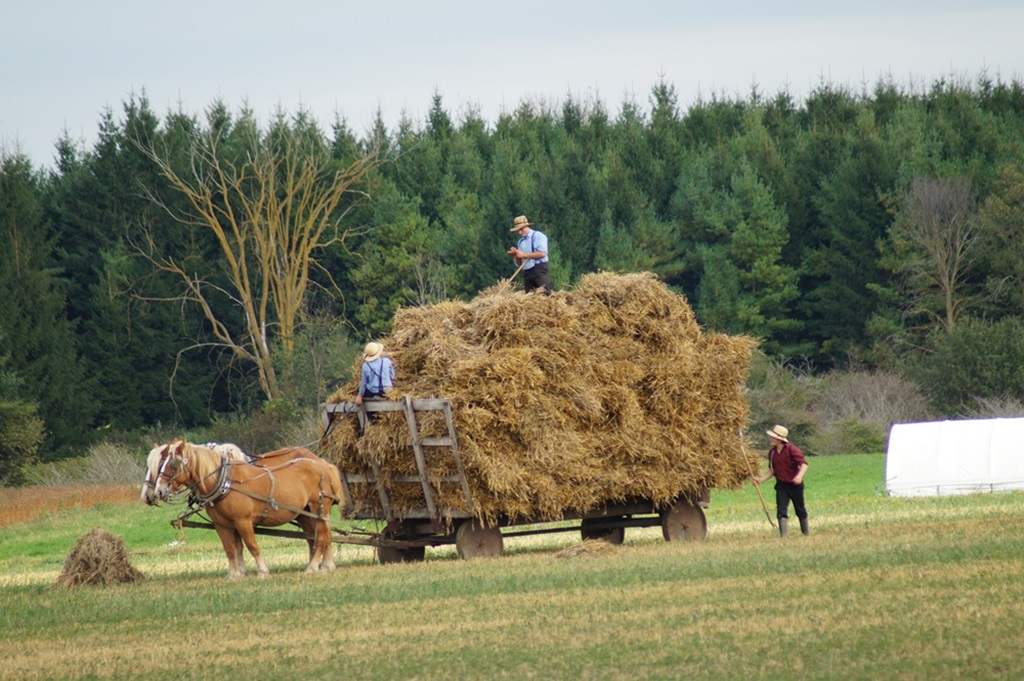
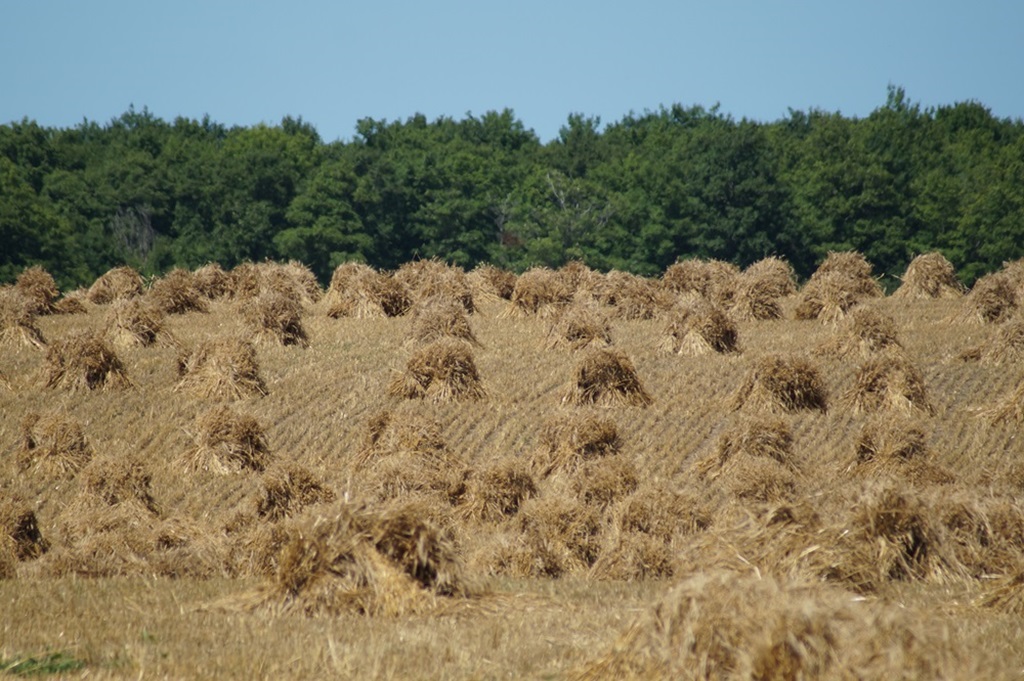
For early settler families, harvest could decide whether winter would be secure or hungry. Grain was first cut with sickles and scythes. The stalks were gathered and tied into sheaves, then stood in stooks so the grain could dry. Afterward came threshing: separating the kernels from the straw, originally with hand tools such as flails and later with machines.
The work was slow, physical and extremely sensitive to weather. A spell of rain could flatten ripe grain or encourage sprouting and mould. When conditions were right, everyone who could help was needed. That urgency encouraged one of rural Ontario’s most enduring customs—the work bee.
At a threshing bee, neighbours moved from farm to farm with a threshing machine and the labour required to feed it, handle straw and move grain. The host farm supplied a substantial meal. These were not dainty lunches. Harvest crews had earned plates piled high with meat, potatoes, vegetables, pies and preserves. The meal was fuel, hospitality and a quiet promise: we helped you today; you will help us tomorrow.
From Horse Power to Horsepower
Harvest machinery did not arrive all at once. It came as a series of inventions that removed separate jobs from an exhausting chain of work.
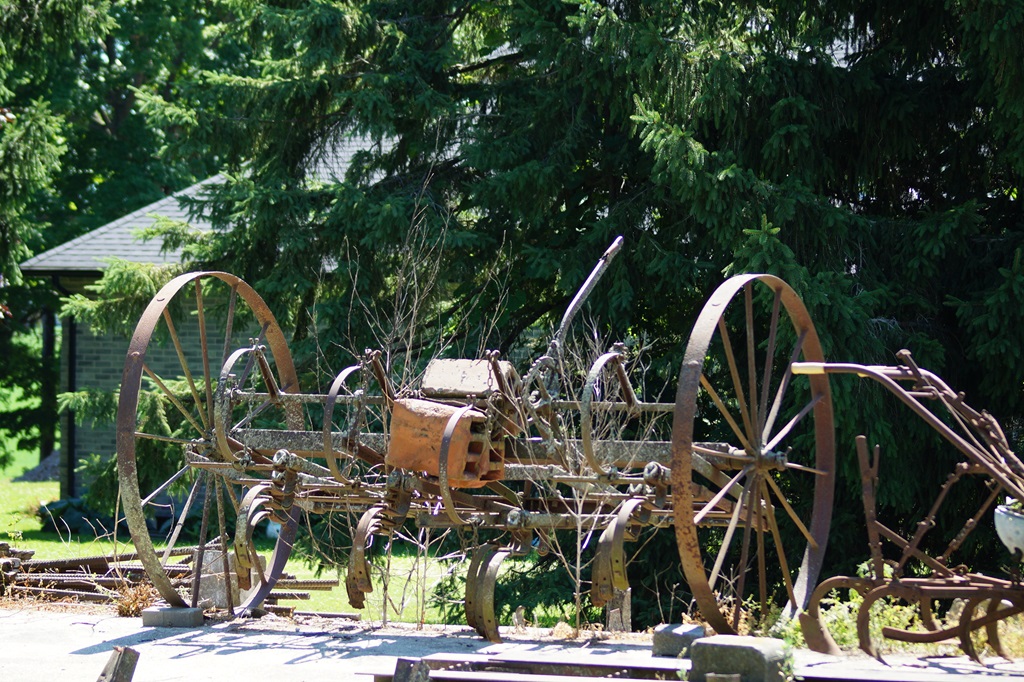
The mechanical reaper cut standing grain. The binder cut it and tied it into bundles. A stationary threshing machine separated grain from straw, powered at different times by horses, steam engines or tractors. Finally, the combine harvester brought several operations together—cutting, threshing and cleaning grain in one moving machine. Its name is wonderfully literal: it combines the jobs.
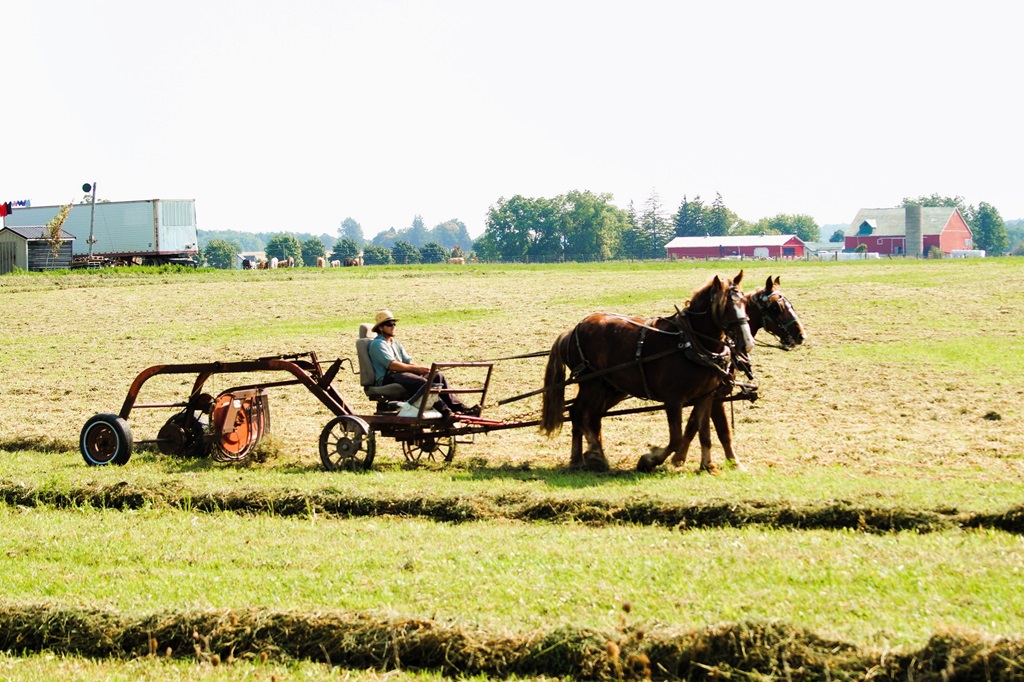
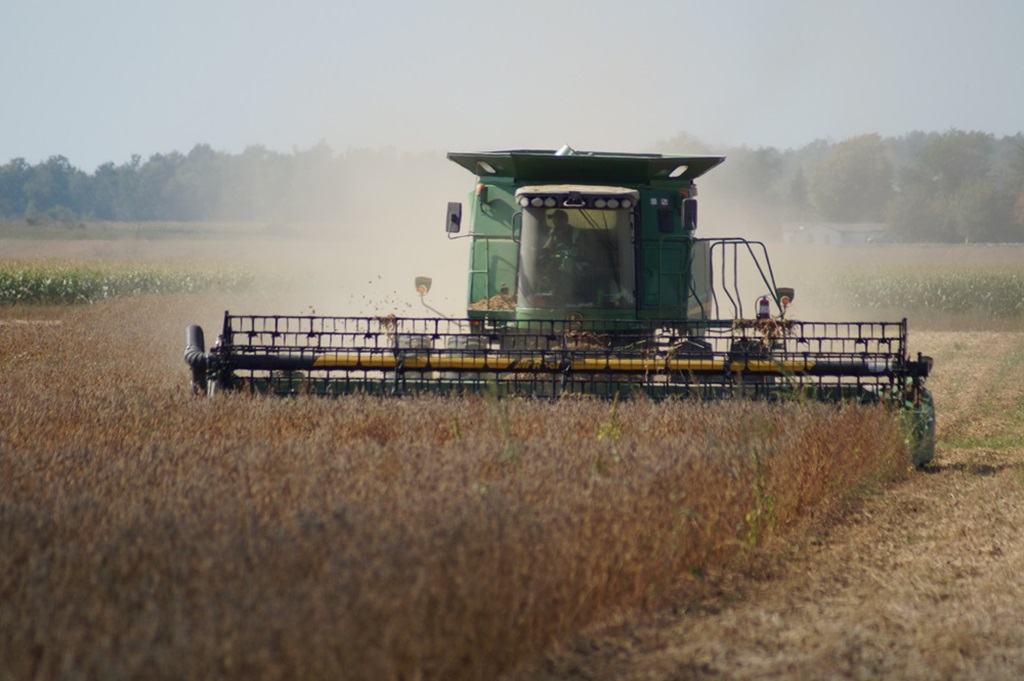
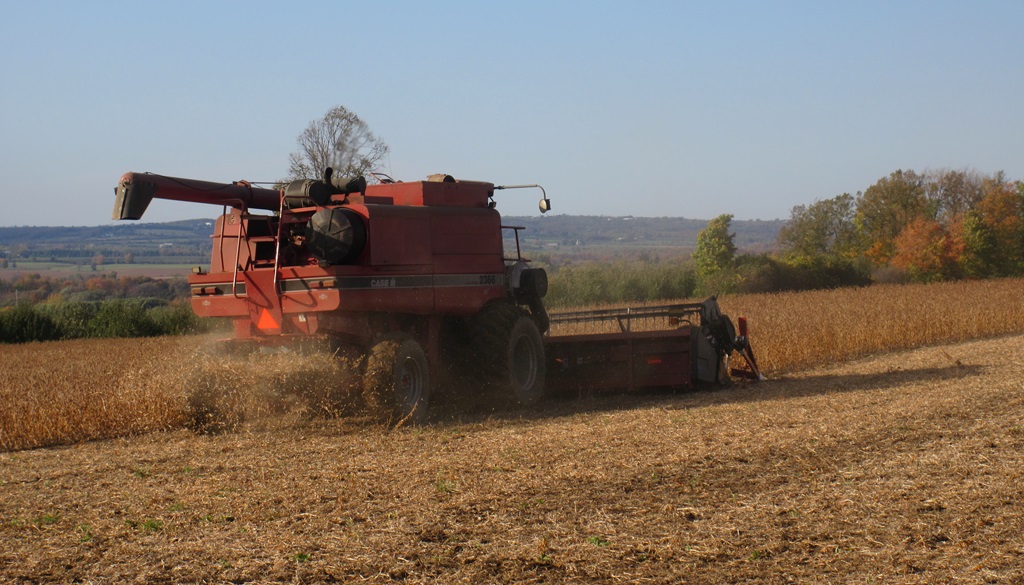
Modern combines are a world away from their early relatives. The wide attachment at the front is called a header. Different headers handle different crops: a grain platform cuts wheat and soybeans, while a corn head guides stalks into rows and strips ears from them. Inside, the crop is threshed and separated. Clean grain collects in a tank and is unloaded through an auger into a grain cart or truck, often without the combine stopping.
Today’s machines may use yield monitors, moisture sensors, satellite positioning, automatic steering and field maps. A farmer can see how a crop performed in different parts of the same field. But technology has not eliminated judgment. Someone still has to decide whether the crop is ready, whether the soil will carry heavy equipment, whether rain is close, and whether the grain is dry enough to store safely.
Ontario’s Harvest Calendar
Exact dates shift from year to year and from Essex County to Rainy River. Variety, planting date, heat, rainfall, frost and the intended market all matter. Still, the year has a recognizable rhythm.
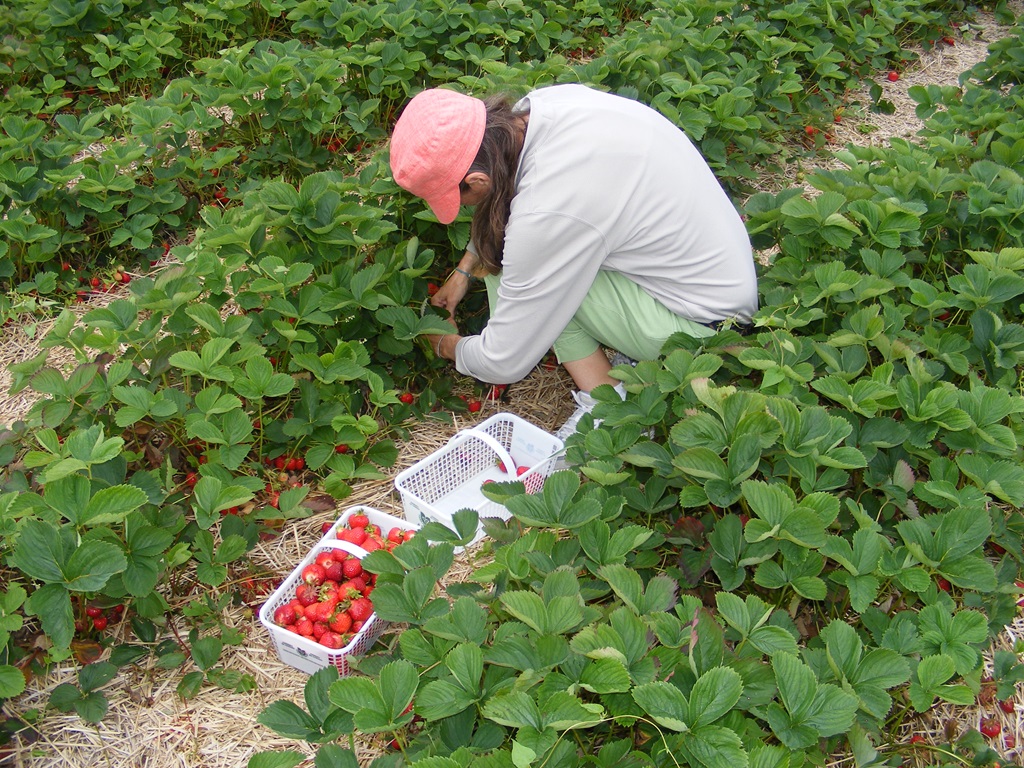
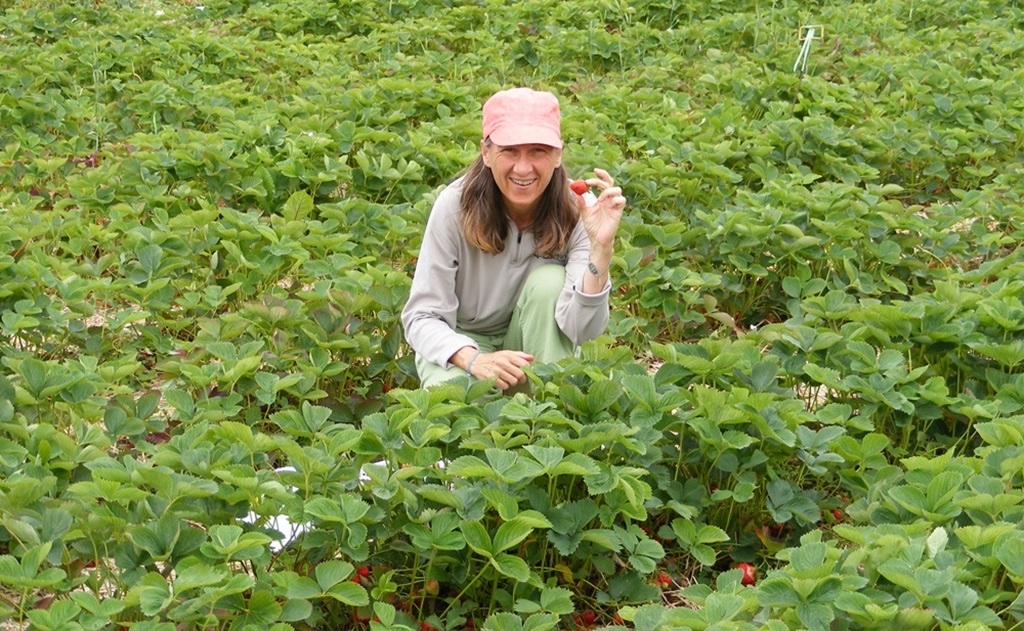
Spring and early summer. Asparagus and rhubarb are among the early arrivals, followed by greenhouse and field vegetables. Strawberries announce that pick-your-own season has begun.
High summer. Cherries, raspberries, blueberries, peaches and other tender fruit come into season. Sweet corn, beans, cucumbers, tomatoes and a widening range of market-garden vegetables fill roadside stands.
Late summer. Winter wheat is commonly harvested in midsummer once the crop has ripened and dried. Processing vegetables move quickly from field to plant. Pears and early apples begin, and potato and onion harvests gather pace.
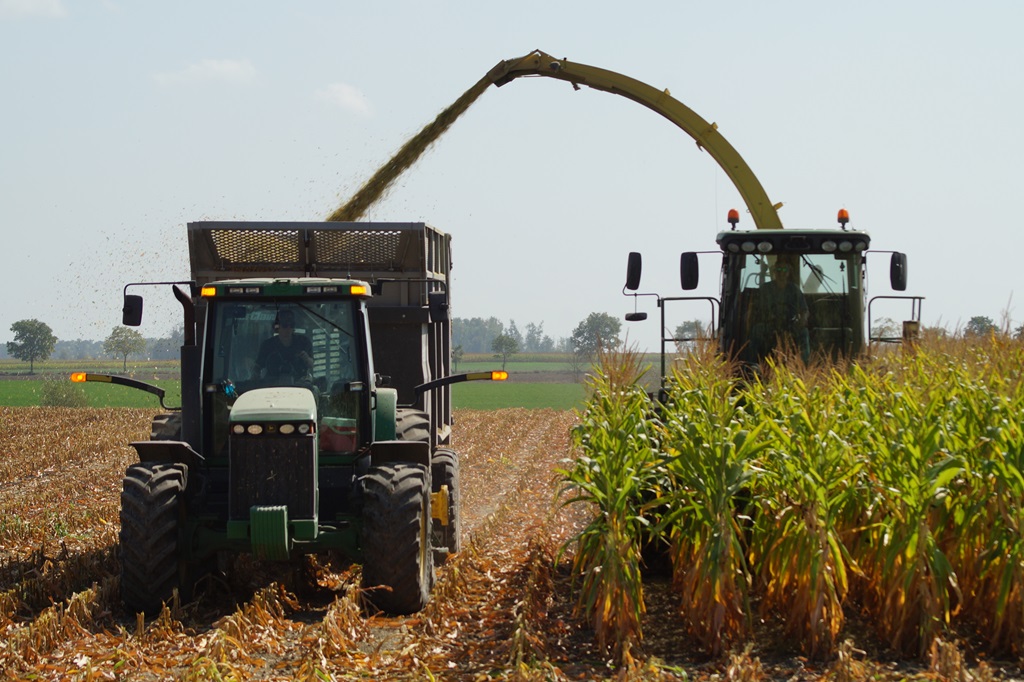
Early autumn. Apple orchards, vineyards and pumpkin fields become visitor favourites. Silage corn may be chopped while the whole plant still has the moisture and food value needed for livestock feed.
Late autumn. Soybeans and grain corn dominate many fields. Some root crops and storage vegetables continue to come in. The final acres can stretch toward winter if weather or crop moisture causes delays.
Winter, in a different sense. The field work may quiet down, but stored apples, potatoes, carrots, onions, cabbage and other crops continue their journey through washing, grading, packing, storage and sale.
Not Every Crop Is Harvested the Same Way
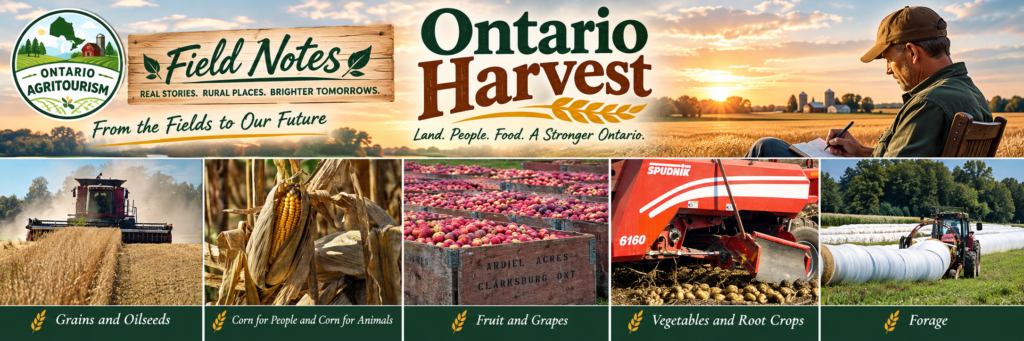
Grains and oilseeds
Wheat, soybeans, oats and barley are generally harvested with a combine. The goal is clean, sound grain at a safe moisture level. Too wet, and it may spoil in storage; too dry, and pods or heads can shatter before the machine captures the seed. Field corn is also combined, but a corn head is used and the grain may need drying before storage.
Corn for people and corn for animals
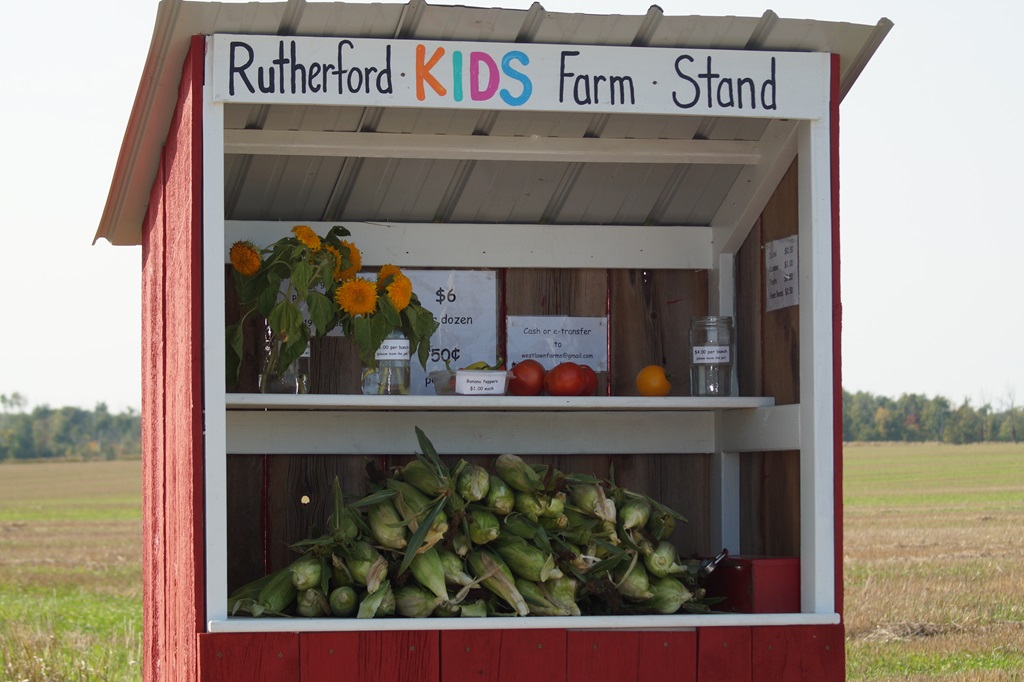
Sweet corn is harvested while the kernels are tender and sugary. Field corn is allowed to mature and dry much longer for livestock feed, industrial uses and food ingredients. Silage corn follows another path: the entire plant is chopped into small pieces and packed to ferment as feed. Three cornfields can look similar from a passing car while being headed for entirely different destinations.
Fruit and grapes
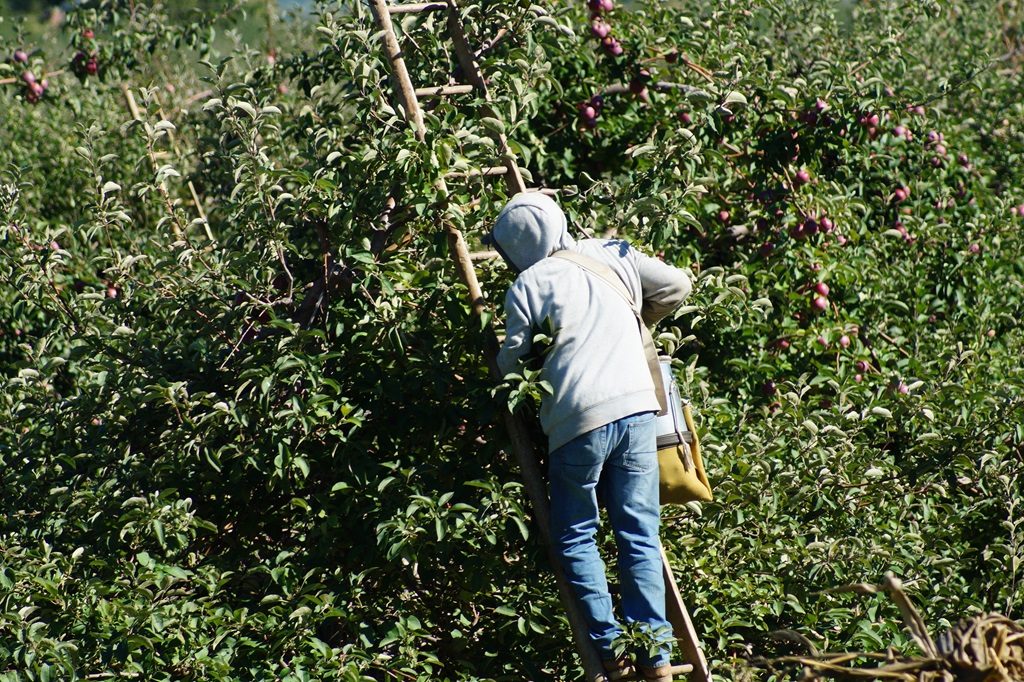
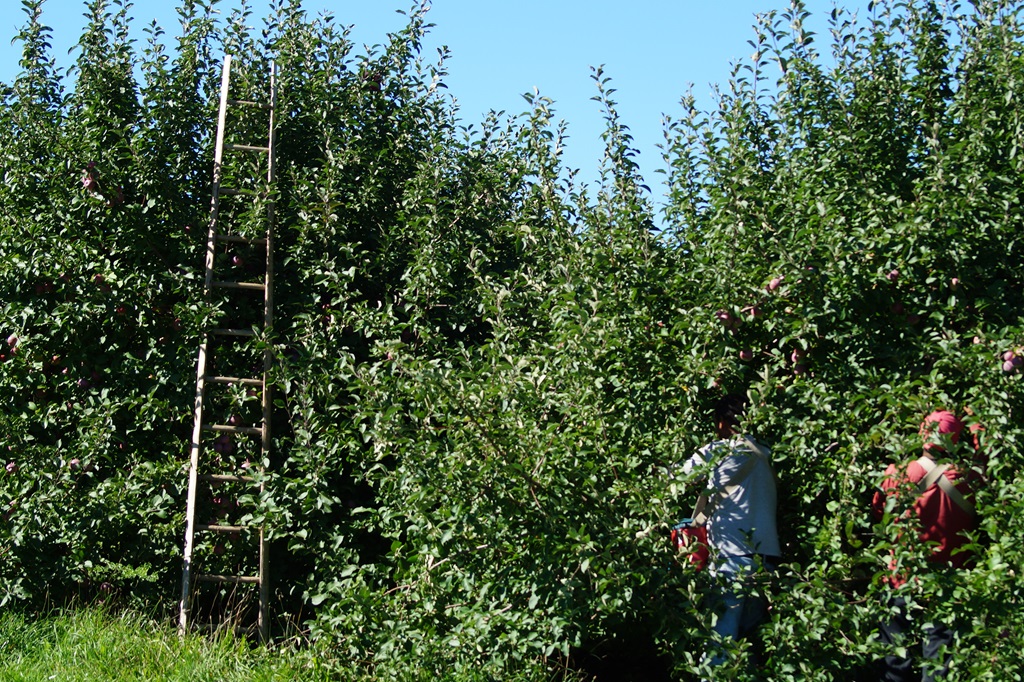
Many Ontario apples, peaches, pears and tender fruits are still hand-picked because bruising matters. Pickers use bags or buckets designed to release fruit gently into bins. Apples intended for fresh eating are handled with particular care; an apple tossed into a bin may remember the experience as a bruise later.
Wine grapes may be hand-harvested into small containers or collected by a mechanical grape harvester that shakes berries from the vines. The choice depends on vineyard design, grape variety, wine style, cost, timing and the winemaker’s plans. Icewine adds a famous Ontario twist: suitable grapes remain on the vine until they freeze naturally and are picked and pressed while frozen under regulated conditions.
Vegetables and root crops
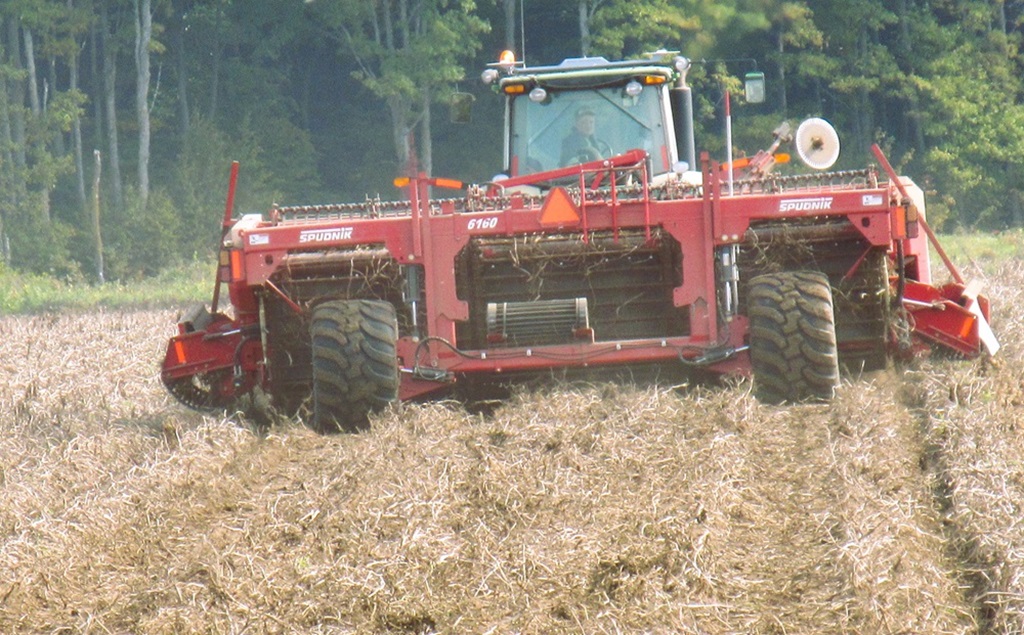
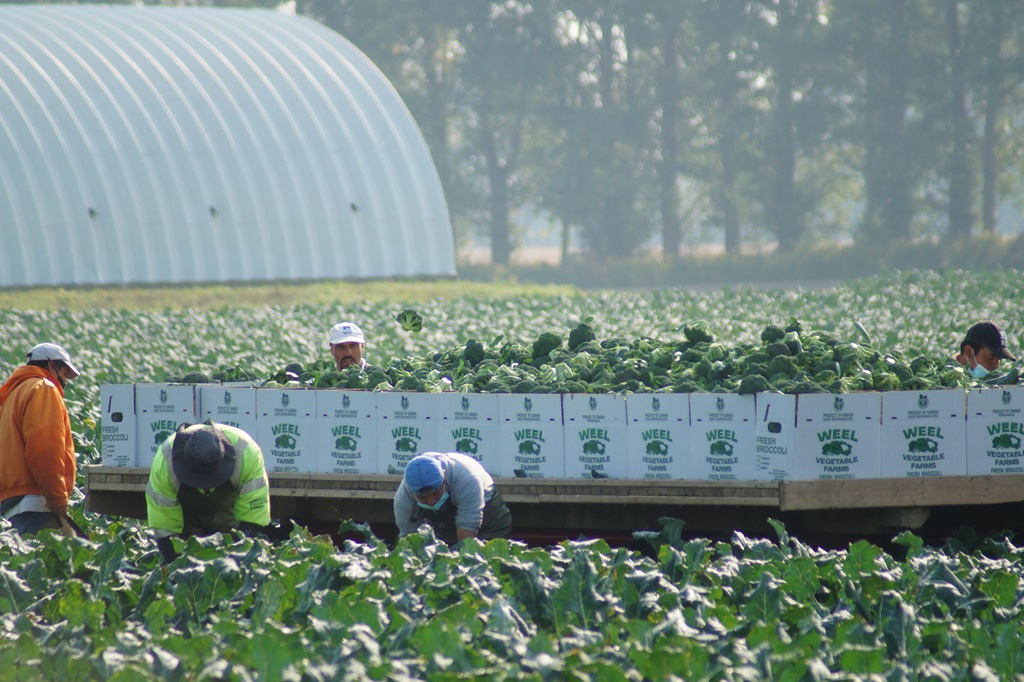
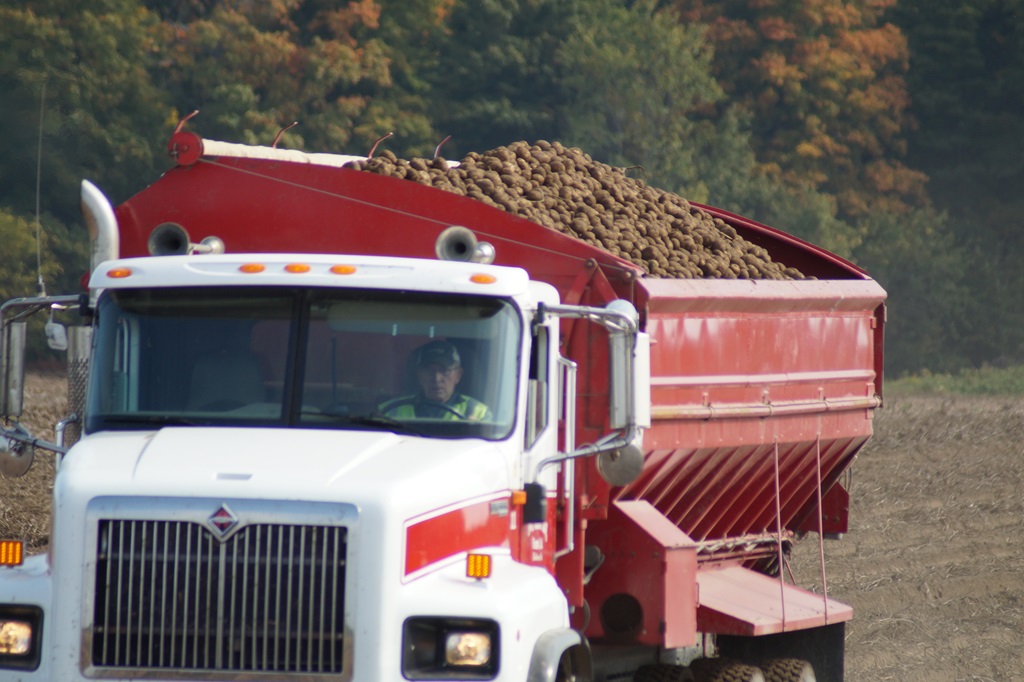
Vegetable harvest ranges from careful hand-cutting to impressive specialized machinery. Potato harvesters lift soil and tubers, then separate the crop as gently as possible. Onion crops may be undercut, cured in windrows and lifted later. Processing tomatoes can be harvested mechanically, with machines that separate fruit from vines and use sorting systems before the tomatoes leave the field. Carrots, cucumbers, peas and beans each have their own equipment and handling demands.
Forage
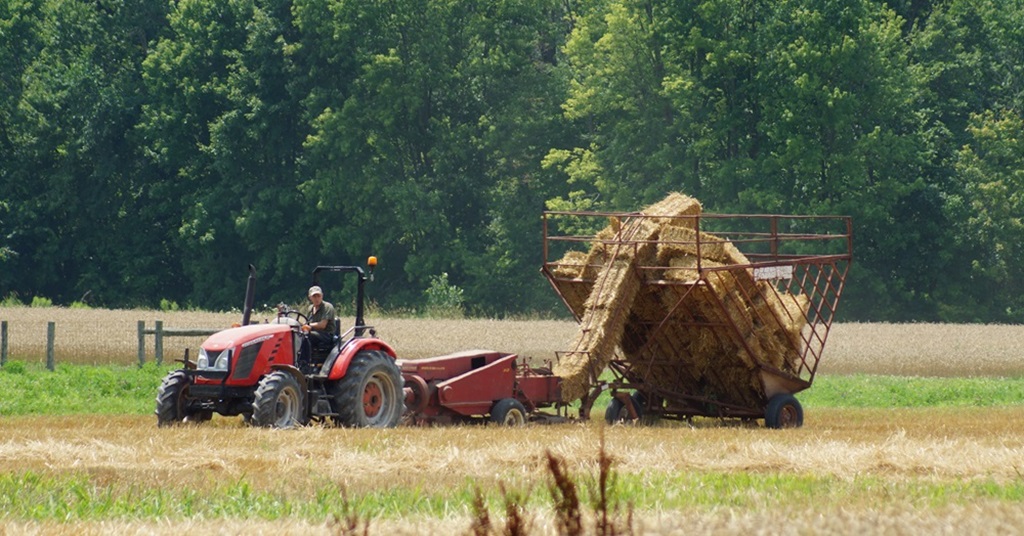
Hay is cut, allowed to dry and then formed into small square, large square or round bales. Timing is a balancing act between plant maturity, feed quality and a stretch of dry weather. Haylage and silage are stored with more moisture and preserved through fermentation. The smell of fresh-cut hay may feel leisurely to a visitor; for the farmer watching the forecast, it can be anything but.
The Weather Has the Final Vote
Harvest plans are written in pencil because weather keeps the eraser. Rain can stop combines, delay baling, soften fields and affect crop quality. Heat can push fruit to ripen rapidly. An early frost may end one crop and improve the conditions needed for another. Wind can knock fruit down or flatten grain. Even a heavy dew can postpone the morning start.
This is why harvest days often run late. When crop, machine, crew and weather are all ready at the same time, farmers use the window. Lights moving across a field after dark do not necessarily mean poor planning; they often mean the conditions are finally right.
Moisture continues to matter after the crop leaves the field. Grain may be dried and aerated. Apples require controlled cold storage. Potatoes and onions need carefully managed temperature, humidity and airflow. Harvest does not end at the farm gate. It continues through grading, storage, processing, transportation and food-safety checks.
Traditions That Grew Around the Work
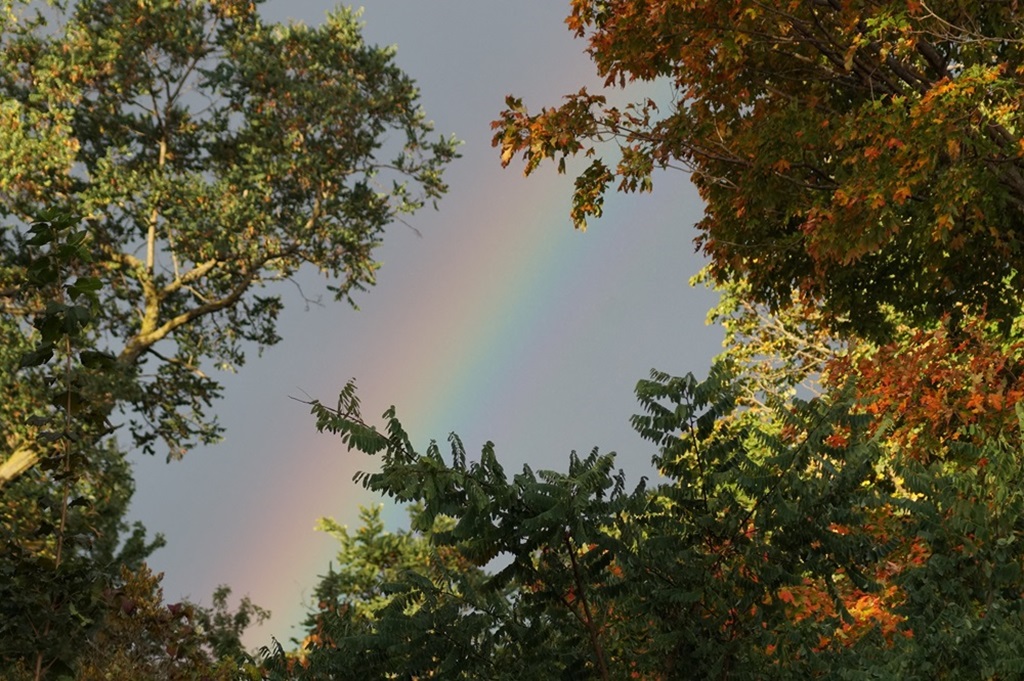
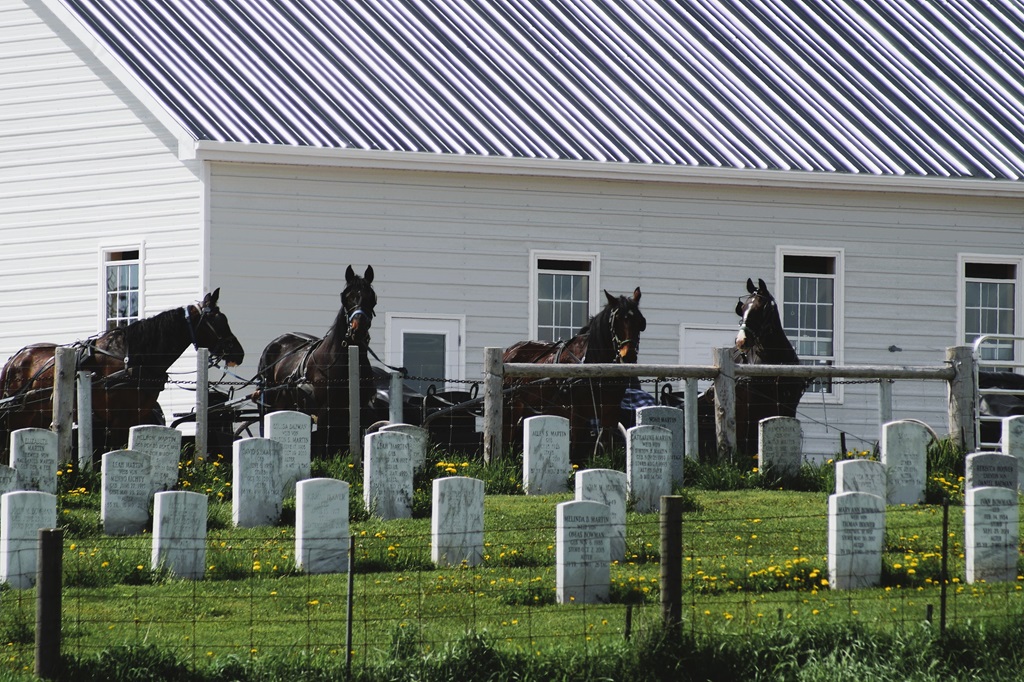
Ontario’s harvest traditions turn agricultural work into shared memory. Agricultural societies display crops, preserves, baking and livestock at fall fairs. Communities gather for harvest suppers. Churches, service clubs and farm organizations serve meals that still echo the generous tables once laid for threshing crews. Plowing matches celebrate skill at the other end of the cycle, preparing land for what will eventually be harvested.
Then there are newer traditions with old roots: choosing apples from the tree, finding a pumpkin that is somehow both perfect and too heavy, navigating a corn maze, tasting cider, watching a wagon ride disappear behind the rows, or buying squash from the person who grew it. Agritourism makes harvest visible. It gives visitors a chance to connect food with a place, a season and a working farm.
The best visits also respect that farms are workplaces. Visitors should follow signs, stay within public areas, supervise children, keep clear of machinery and ask before photographing workers. A combine may be fascinating, but its operator has limited visibility and a serious job to do.
Small Harvest Facts Worth Gathering
- A combine’s front attachment is a header, and it is changed or adapted for different crops.
- The dusty cloud behind a combine is often chaff and finely broken plant material, not smoke.
- Straw is the dry stalk left after grain is removed; hay is a crop cut and preserved mainly for animal feed.
- A stook is a group of tied grain sheaves stood upright to dry before threshing.
- Fresh-market fruit is generally handled more gently than fruit destined immediately for processing.
- Harvest loss is a real concern. Farmers adjust machines to capture the crop while minimizing cracked grain, dropped ears, shattered pods and damaged produce.
- The harvest date can depend on the crop’s destination. Corn for sweet corn, silage and dry grain is taken at very different stages.
- Some Ontario produce remains available well beyond its field season because modern storage slows ripening and spoilage.
A Harvest Seen from the Road
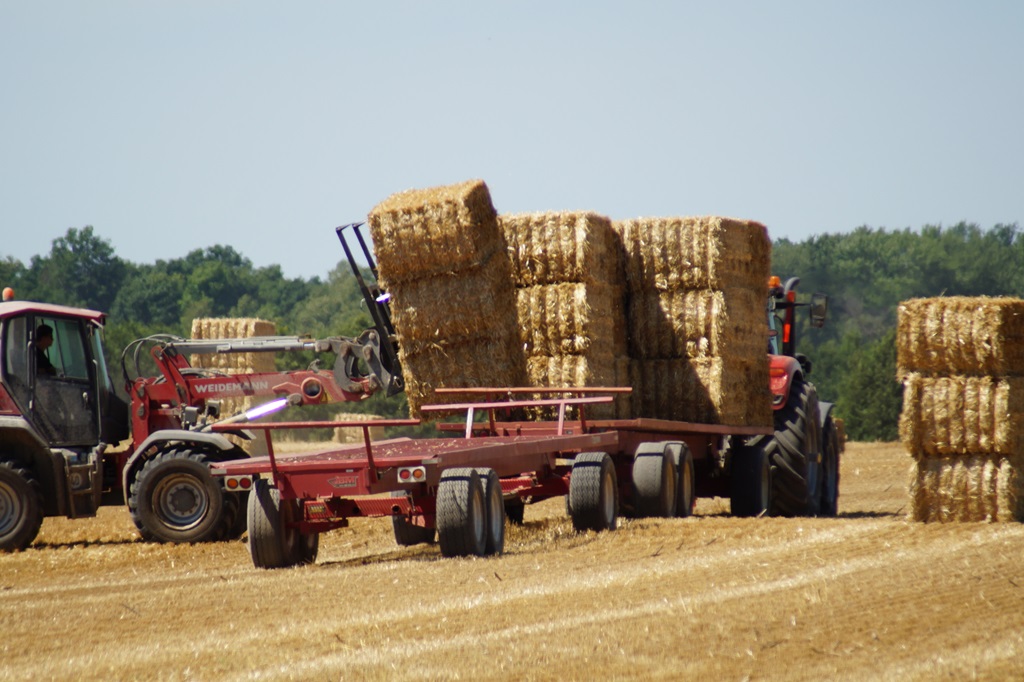
For travellers, Ontario’s harvest is one of the best reasons to choose the roads less traveled. One route may pass a vineyard, a market garden, a dairy farm storing corn silage, a combine in soybeans and an orchard welcoming families—all within an afternoon. Each scene is part of the same story, but each crop has its own clock.
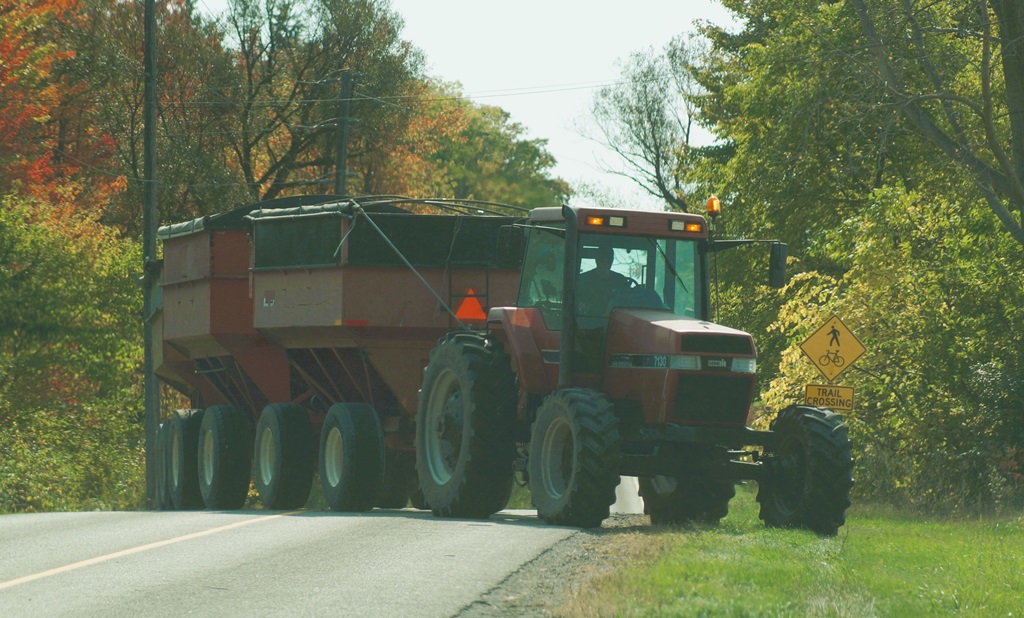
Slow down where it is safe. Watch for tractors and slow-moving farm vehicles. Give large equipment room to turn, and never pass unless the way ahead is completely clear and legal. Farm machinery may travel only a short distance, but the person behind it is helping move Ontario’s food from field to table.
If you stop at a farm market, ask what was harvested that morning. Ask how the season has been. Ask which apple is best for pie, which squash keeps longest or why one field was harvested before the next. Most good harvest stories begin with a simple question—and there is usually a farmer, grower or market vendor who knows the answer.
The Last Load
There is no parade when the last wagon rolls into the yard. Often there is only a quieter machine, a closing bin door and a tired crew looking at a field that is suddenly empty. Yet that moment holds an entire year: seed choices, planting, repairs, rain that came, rain that did not, weeds, insects, forecasts, long days and cautious hope.
The tools have changed dramatically—from sickles and flails to machines guided by satellites—but harvest still asks the oldest farming question: can we bring the crop in at the right moment?
When the answer is yes, Ontario has something worth celebrating: food stored for winter, grain ready for market, fruit headed to tables and kitchens, and another season’s work safely home.
Sources and Further Reading
- Ontario Ministry of Agriculture Food and Agribusiness– website
- Statistics Canada Census of Agriculture– website
- Destination Ontario Fall Fairs and Festivals– website
- Ingenium Canada Agriculture and Food Museum– website
- Ontario Federation of Agriculture– website
- Foodland Ontario– website