










A Road Less Traveled: Ontario’s Backroad Field Guide – Scene Two
Ontario’s rural roads are stitched together by quiet design choices, some practical, some poetic, that tell you how the land is worked and lived on. Here’s a friendly field guide to five classics you’ll spot in almost every county.
1) Fences: Reading the Lines
Fences are a living index of purpose and era.
- Cedar split-rail (zig-zag “snake” fences): Pioneer-era DNA. Built without posts where bedrock or stumps made digging tough. You’ll see them framing old farmsteads, heritage sites, and along stony fields.
- Page-wire / woven wire with posts: The workhorse for mixed farms. Keeps sheep, calves, and dogs honest; often topped with a smooth or barbed strand.
- High-tensile electric: Minimal look, maximal function. Slim white insulators and taut wire, great for rotational grazing.
- Board or post-and-rail: Sturdy, tidy, common around horse farms and road-front pastures where appearance matters.
- Deer/orchard fence: Tall, tightly meshed barriers protecting fruit blocks and market gardens.
- Stone fencerows: The farmer’s “harvest” of rocks, stacked at the field edge over decades, common in Escarpment and shield-edge country.
- Seasonal snow fence: Orange slatted screens along open fields, set back from the roadway to catch drifting snow.
Why they matter: Fences sketch property lines inherited from Ontario’s concession-and-lot survey, manage animals and crops, and double as wind and snow control. Material choices reflect what was at hand, cedar swamps, glacial stones, modern steel, and what needed managing, from lambs to lake winds.
Roadside clue: Fresh staples and bright insulators equal active pasture. Weather-silvered cedar and mossy stones whisper “heritage.”
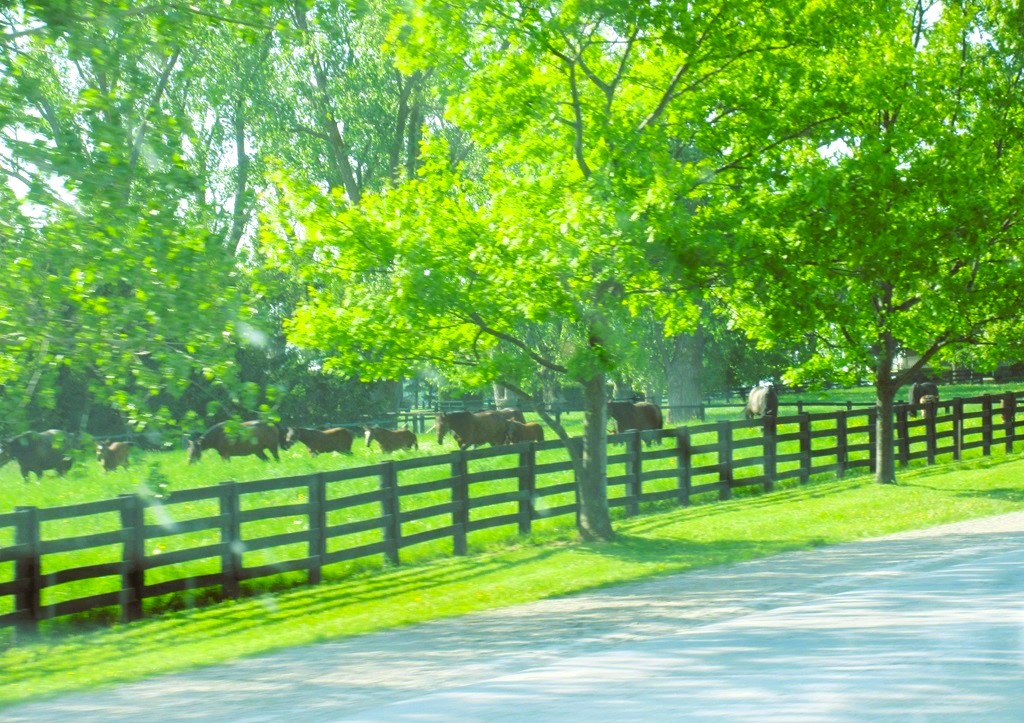
Fence Line
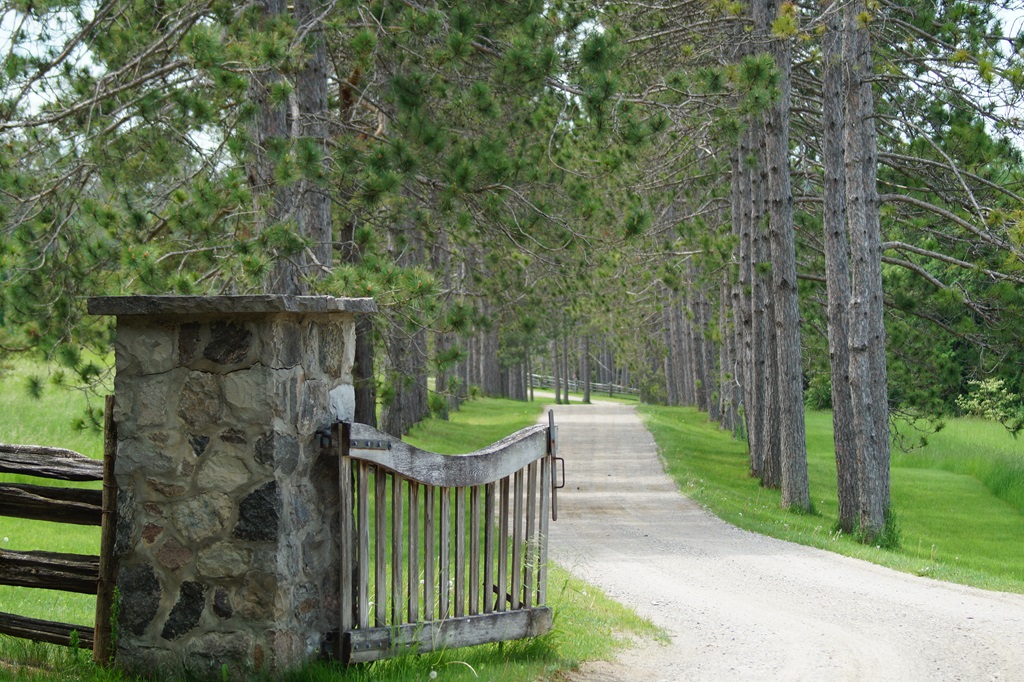
2) Long Laneways: Distance with a Purpose
That elegant ribbon from road to farmhouse isn’t just about privacy.
- Snow & wind: Setbacks and slight curves help reduce drifting; tree rows tame crosswinds.
- Noise & dust: A little distance spares porches from gravel rattle and spring dust.
- Big-rig geometry: Milk trucks, feed semis, and equipment need turning room; you’ll spot widened aprons and gentle radii.
- Drainage: Crowns, ditches, and culverts keep spring melt from chewing out the base.
- Wayfinding & safety: In Ontario, blue 911 civic address signs mark the start; reflective posts and a gate set back from the shoulder give drivers a safe pull-in.
Why they matter: Laneways are the farm’s handshake, first impression, logistics corridor, and winter battleground all in one.
Roadside clue: A laneway crowned with fresh gravel and trimmed ditches signals active hauling; turf down the centre hints at light seasonal use.
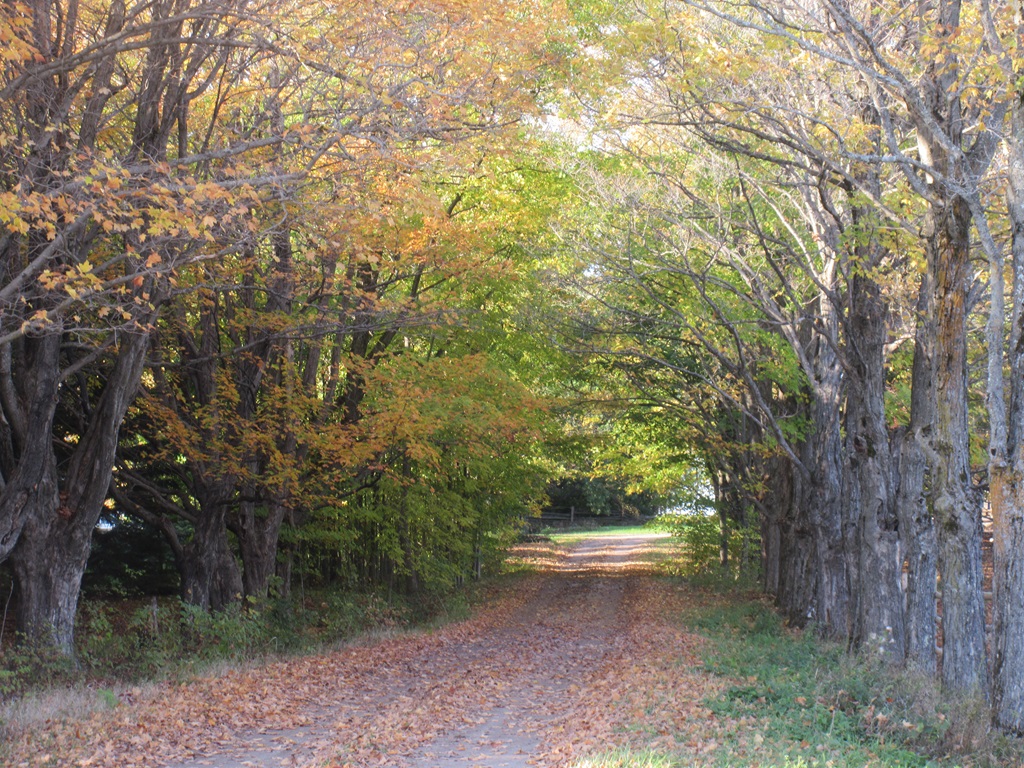
Long Laneways
3) Scenic Tree Lines: Beauty with a Job
Those postcard-perfect rows of maples or spruce are working hard.
- Shelterbelts/windbreaks: Spruce, cedar, or poplar rows slow winds, protect soil, and reduce snow drifts across yards and roads.
- Laneway allees: Sugar maples are traditional, shade for people and livestock, with autumn colour that sells calendars.
- Hedgerows: Mixed native strips between fields act as wildlife corridors, host pollinators, and keep birds hunting pests.
- Legacy plantings: Old lilac clusters near a field edge often mark a former house site long gone.
Why they matter: Tree lines cut erosion, buffer noise, funnel snow where it’s wanted, and store carbon—while making every drive feel cinematic.
Roadside clue: Even spacing and single species = purposeful windbreak. Mixed species and meanders = hedgerow heritage.
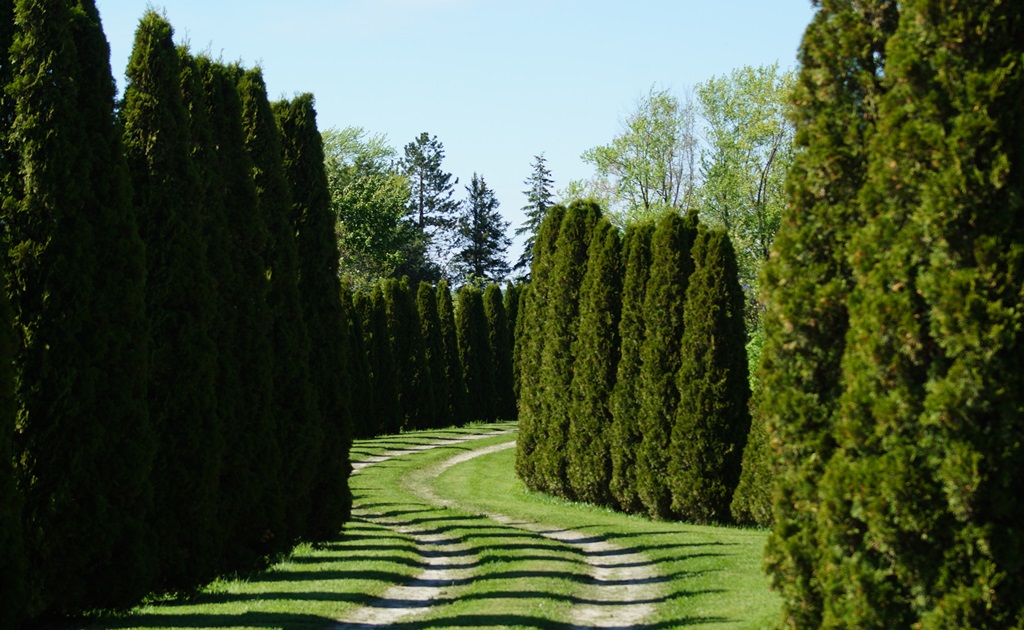
Tree Lines
4) Unique Gates: Form Meets Farm
A gate is both sculpture and tool.
- Tube gates with H-brace: The classic. Look for stout corner posts and diagonal brace wire, signs of a fence built to last.
- Double swing gates: Width for machinery, with a centre drop-pin. Often set back from the shoulder so a truck can pull off safely.
- Cattle guards (grids): Steel bars over a shallow pit, vehicles roll through, hooves say “no thanks.” Common on pasture lanes.
- Decorative entries: Timber arches, stone piers, plasma-cut farm names, stylized animals or tractor silhouettes, identity and pride on display.
- Chain & hoop field gates: Minimal, functional closures on side fields; watch for reflective tags at night.
Why they matter: Gates control movement of stock and machinery, signal land use (horses? beef? hay?), and double as a brand sign for the farm.
Roadside clue: Fresh pads, keypad boxes, or high-mounted hinges suggest frequent equipment traffic; carved names and crest logos hint at multigenerational roots.
5) Old Country Churches & One-Room Schools
Small buildings with big stories.
- Architectural tells: Brick Gothic Revival with pointed windows, white-clapboard meeting houses, simple steeples, and cemetery plots tucked behind windbreaks. Schools often wore a plaque like “S.S. No. 4”, the “School Section” number from the concession grid.
- Why so many, so small? Sparse populations and horse travel meant close-to-home congregations and school catchments. As roads improved and buses arrived, the 1950s–60s wave of consolidation closed many.
- New lives: You’ll see conversions into homes, artists’ studios, community halls, or museums. Watch for sensitive add-ons, discreet porches, basement walkouts, new septic mounds set back from foundations.
- Abandoned grace: Boarded windows and sagging porches are common where congregations dwindled. Cemeteries usually remain active or maintained even if the building doesn’t.
Why they matter: These landmarks map former social hubs, weddings, harvest suppers, political meetings, box-socials, and anchor rural identity long after the bell goes quiet.
Roadside clue: Heritage plaques, tidy graveyards, and fresh metal roofs signal ongoing care; missing steps and buckled brick point to buildings at rest.
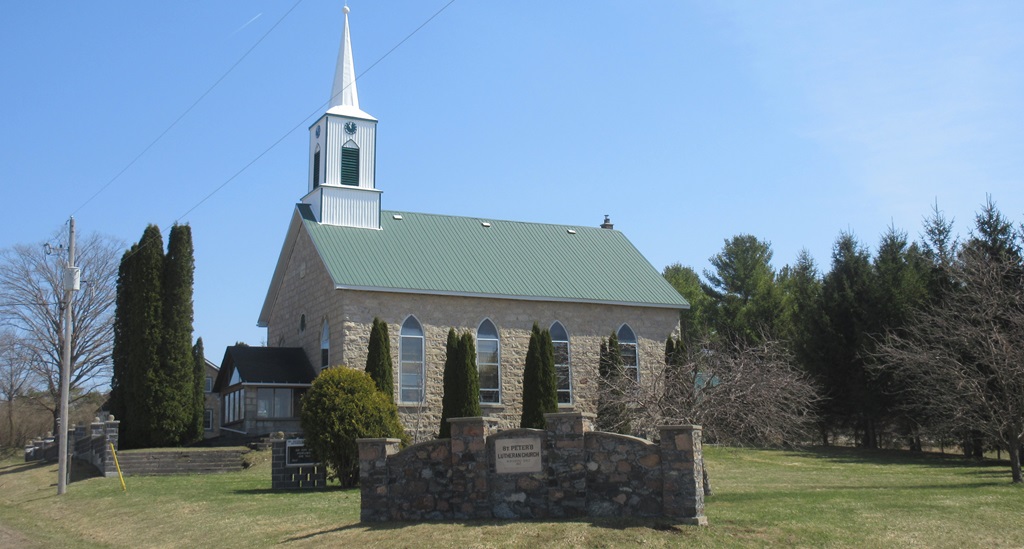
Old Country Church
Roadside Etiquette (for every stop)
- Admire from the shoulder; don’t enter fields or laneways without permission.
- Don’t block farm gates or postal boxes.
- If you photograph, avoid faces, plates, and addresses.
- Leave gates, fences, and stones exactly as you found them.
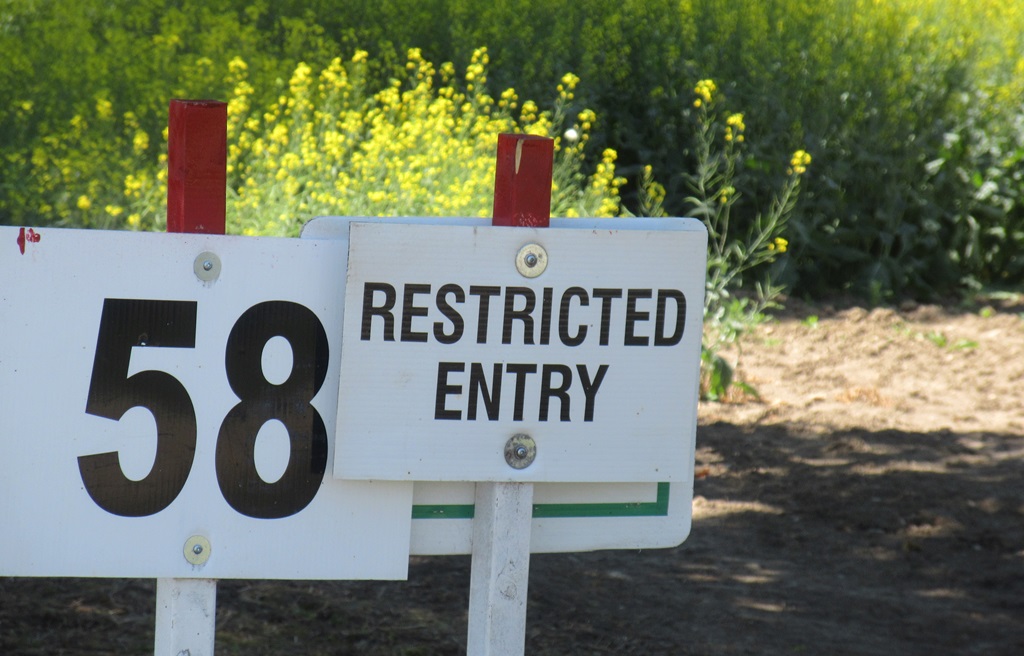
Roadside Etiquette