









Beyond the Barn Door: Partners That Keep Farms Running
Behind every thriving farm is a constellation of partners who keep the operation moving. Farmers are the face we see at the field edge or barn door, but their success hinges on a web of suppliers, machinery and vehicle dealers, seed and feed companies, fertilizer and crop protection experts, veterinarians, fuel and energy providers, builders, lenders, software firms, and more. The relationship isn’t a simple buyer-seller transaction; it’s a year-round collaboration built on timing, trust, and shared risk.
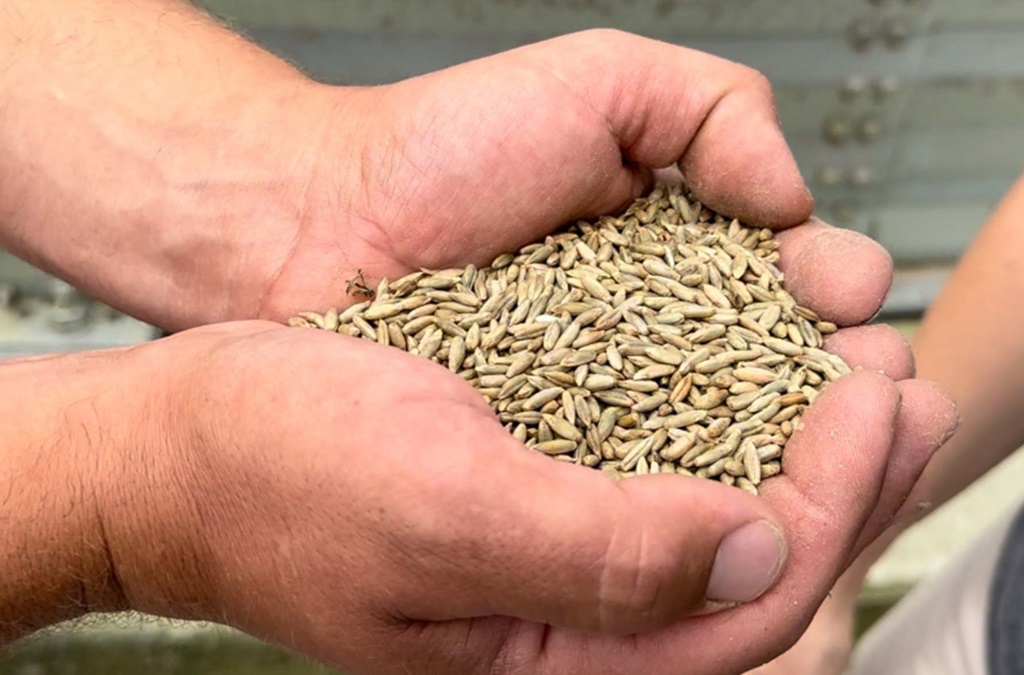
Cereal Crop Seeds
Iron, uptime, and the people behind the parts
Modern farms run on iron, tractors, combines, skid steers, loaders, trucks, and the “iron” runs on relationships. Dealers don’t just sell equipment; they coach purchasing decisions around horsepower, implement compatibility, telemetry, and warranty coverage. During harvest or planting, an hour of downtime can mean thousands lost, so parts counters, service vans, and after-hours techs become essential teammates. Many dealerships now monitor machines remotely, flagging fault codes and scheduling preventive maintenance before something breaks. Rental and short-term lease options add flexibility when weather compresses fieldwork. Even the long, sometimes heated debates about repair rights boil down to the same shared goal: getting metal back in motion. Good dealers understand that the best advertisement isn’t a shiny unit on the lot, it’s a farmer rolling again before the next weather window closes.
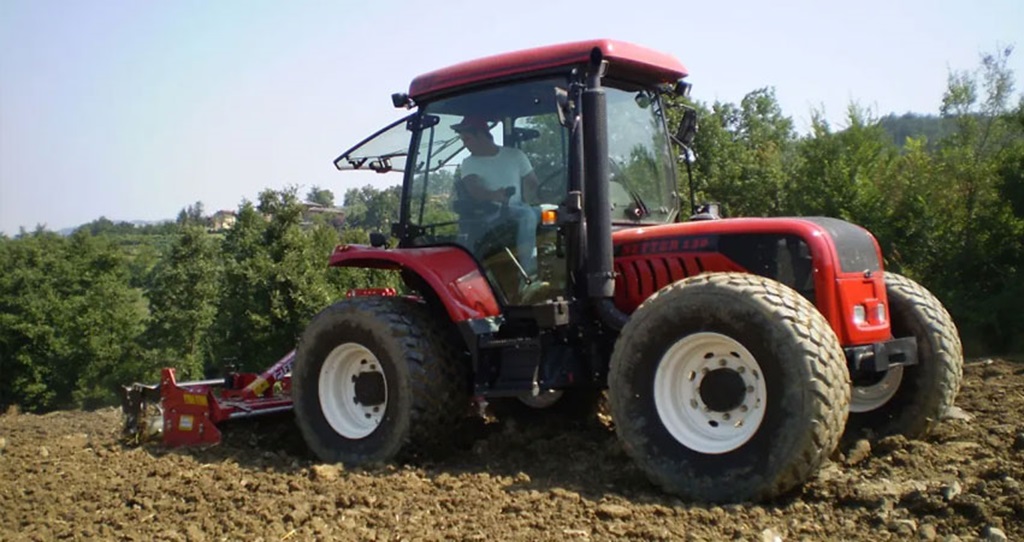
Utility Tractor
Seeds, feed, and the science of nutrition
At the heart of production are biological inputs. Seed suppliers bring genetics, trait packages, and agronomic advice tailored to soil types, rotation plans, and local pest pressure. They often partner with agronomists for field scouting, variable-rate prescriptions, and soil tests, turning data into seed placement, population, and fertility decisions. On the crop protection side, retailers help farmers balance efficacy with stewardship, integrating herbicides, fungicides, and biologicals into integrated pest management plans that protect both yields and beneficial insects.
Livestock farms rely just as heavily on specialists. Feed mills and nutritionists formulate rations to meet the precise needs of a dairy cow freshening this week or layers peaking in production, while balancing cost and forage quality. Veterinarians are more than emergency responders; they’re herd-health strategists who design vaccination schedules, biosecurity protocols, and reproductive plans. Genetics suppliers and AI technicians help steer long-term herd improvement, while hatcheries, breeders, and replacement heifer growers tie into predictable supply of quality animals. These partnerships show up in quieter barns, steadier gains, and healthier bottom lines.
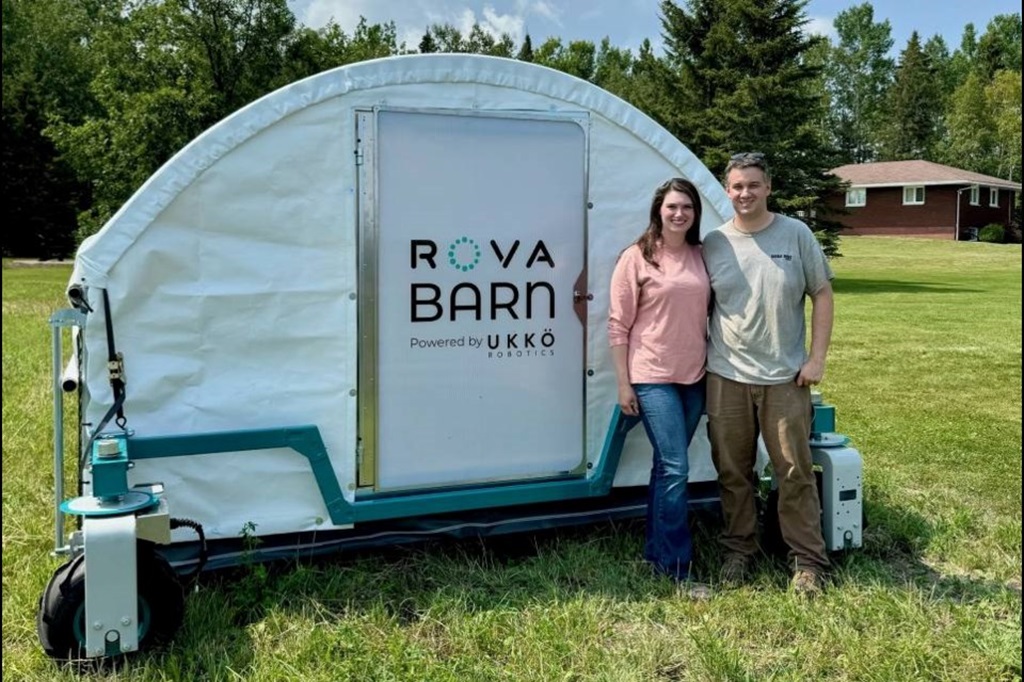
Robotic Coop Keeps Chicken on the Move
Fertility, soil health, and the loop between inputs and outcomes
Fertilizer suppliers sit at the crossroads of chemistry, logistics, and agronomy. They coordinate deliveries around weather and field conditions, calibrate spreaders, and, crucially, help farmers apply the right source at the right rate, time, and place. Increasingly, that conversation includes cover crop seed dealers, compost providers, and soil biology products. Labs translate soil samples into nutrient maps; retailers convert maps into variable-rate files; applicators put nutrients precisely where they’re needed. When the crop comes off, grain elevators and feed buyers close the loop, offering marketing advice, forward contracts, and quality testing that feeds back into next year’s fertility plan. The real product here is confidence: that a dollar spent on nutrients will return in yield, quality, and soil resilience.
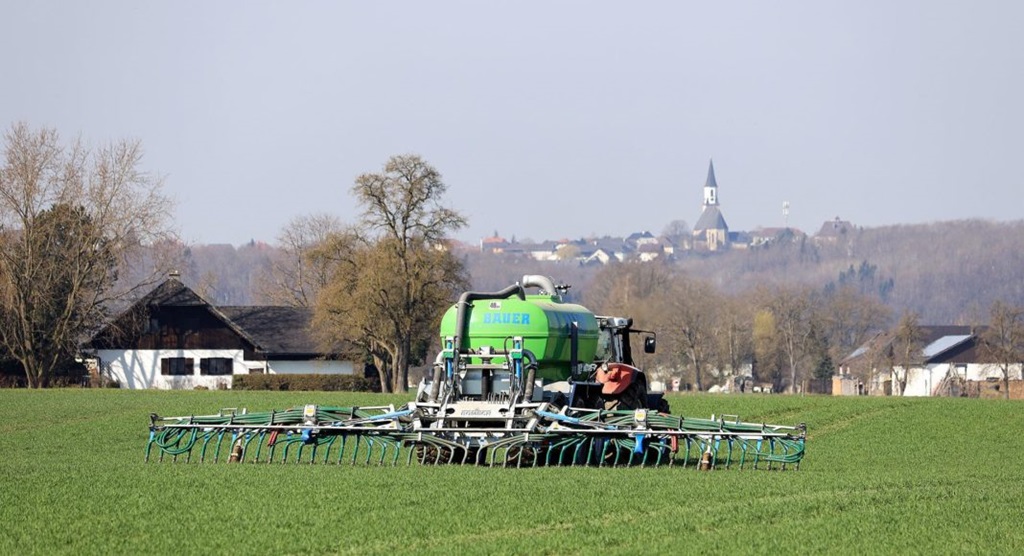
Fertilized Equipment
Energy, water, and the built environment
Farms are energy-intensive businesses, and fuel suppliers are lifelines. Diesel for tractors, propane for grain dryers and brooder barns, gasoline for service trucks, deliveries must sync with weather and workload. Many suppliers now offer tank monitoring to prevent runouts during peak windows. Electricians and generator technicians keep critical systems powered, while solar installers and energy auditors help farms reduce costs and harden resilience.
Water infrastructure is another quiet cornerstone. Irrigation dealers, well drillers, pump specialists, and pipeline suppliers ensure that animals drink reliably and crops get moisture when it counts. Plumbers, HVAC pros, and refrigeration techs keep milking parlours, produce coolers, and on-farm processing rooms compliant and efficient. Builders, concrete crews, and fencing contractors translate plans into barns, bunks, lanes, and biosecure entrances. Even simple things, gate hinges, stall mats, frost-free hydrants, come from suppliers who understand the demands of mud, manure, and winter.
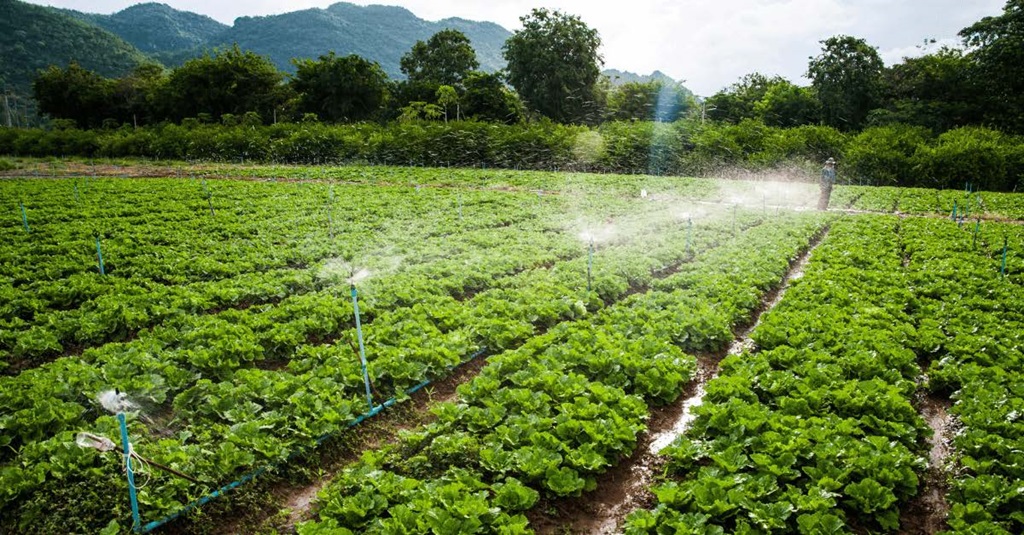
Automated Watering Systems
Finance, risk, and the paperwork nobody likes (but everyone needs)
Agricultural lenders and credit unions finance land, equipment, and seasonal inputs, tailoring repayment schedules to the reality that income is lumpy and weather-dependent. Insurers cover buildings, vehicles, liability, and livestock, while specialized crop insurance helps manage drought, disease, and storm risks. Accountants and bookkeepers turn receipts into decisions, benchmarking costs and flagging cash-flow pinch points before they become problems.
Compliance adds another layer. Seed tags, veterinary prescriptions, nutrient management plans, transport regulations, and food safety certifications all require documentation. Here, farm software vendors, sensor manufacturers, and drone service providers become unlikely heroes. Telematics track fuel use and maintenance intervals; barn monitors log temperature and humidity; milk meters capture yield; drones map stand counts and disease; recordkeeping apps package everything for audits and buyers. The best tools are the ones that disappear into routines, reducing stress while raising accuracy.
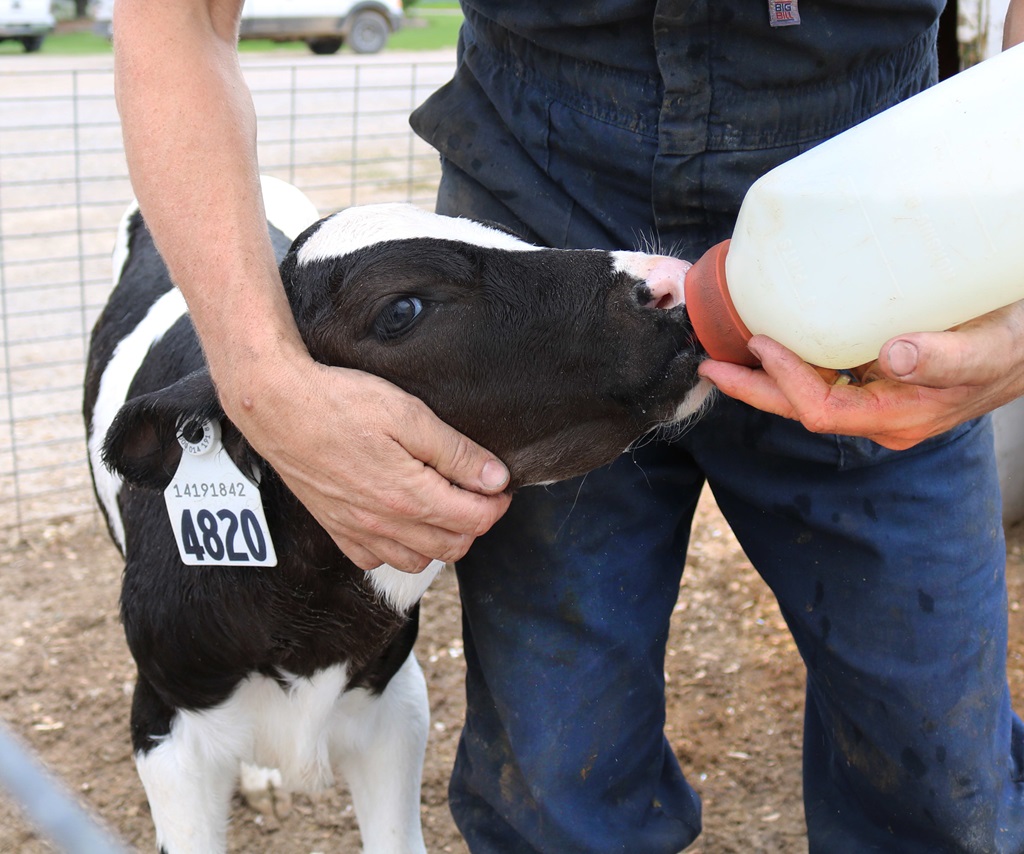
Dairy Farm Insurance
Logistics, marketing, and the last mile to the customer
Once harvested or produced, goods must move. Truckers, custom haulers, and rail links connect farms to elevators, processors, abattoirs, or retail customers. Packaging suppliers provide food-grade containers, labels, and tamper-evident seals. Farmers’ market managers, abattoirs, and processors become partners in quality and scheduling. For direct-to-consumer farms, point-of-sale systems, website providers, and delivery platforms bridge the gap between rural lanes and urban doorsteps. Good relationships here mean fewer last-minute scrambles and more repeat customers.
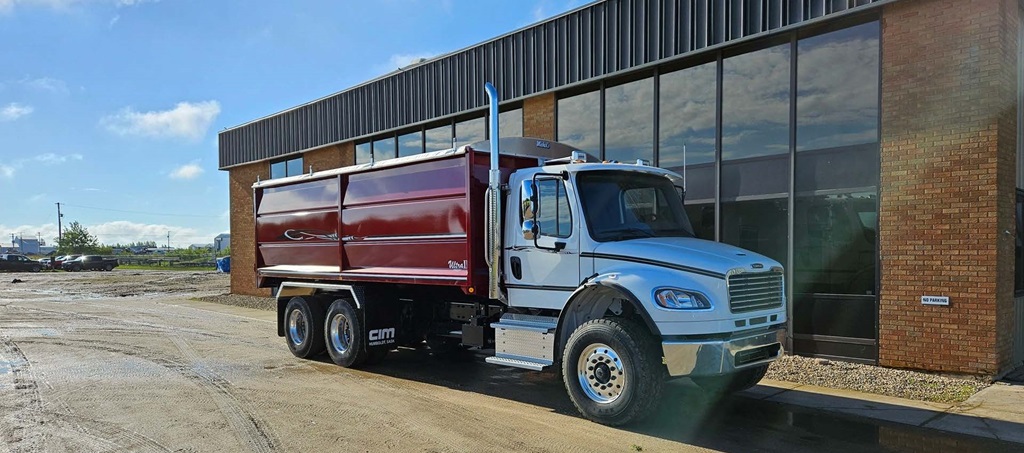
Grain Truck
Community, resilience, and why “local” matters to more than food
If the past few years taught anything, it’s that supply chains are only as strong as their people. When parts were scarce, local machinists fabricated bushings and brackets. When drivers were short, neighbours hauled grain for each other. Many farm suppliers sponsor 4-H clubs, agricultural fairs, and school tours, investments that build the next generation of skilled workers and customers. This local fabric matters: it compresses response time, preserves institutional knowledge, and keeps dollars circulating in rural communities. At its best, the farmer–supplier network looks less like a chain and more like a braid, interwoven, resilient, and flexible under strain.
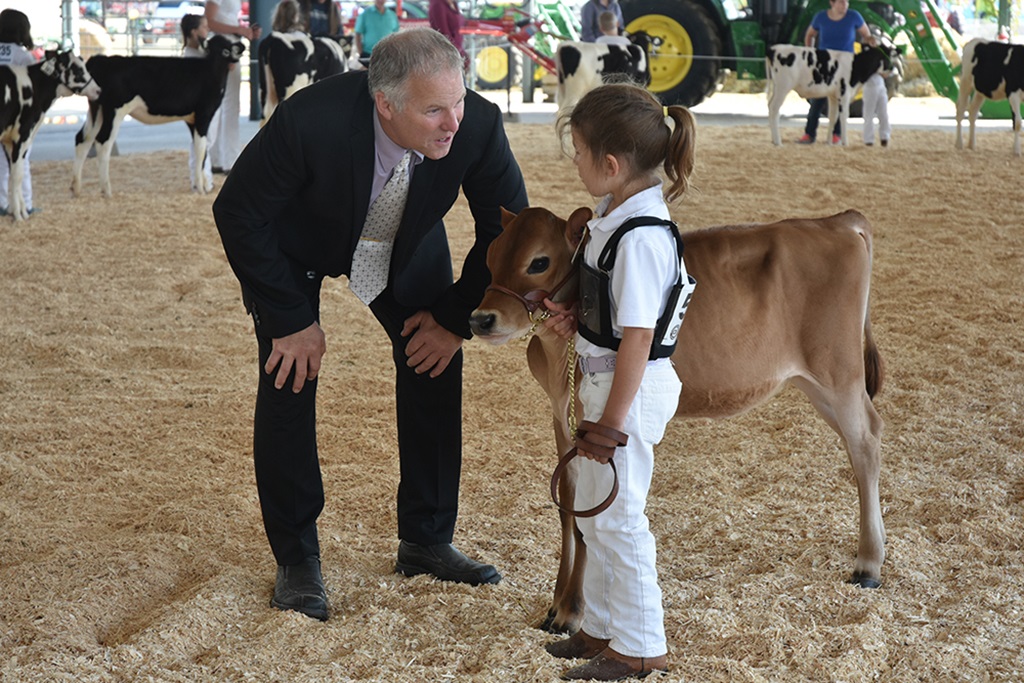
Agricultural Fairs – 4-H Clubs
Trust as the quiet competitive edge
Farmers evaluate suppliers on price, but they stay for reliability, expertise, and respect. A salesperson who answers the phone at 10 p.m., a nutritionist who explains trade-offs plainly, a service tech who trains operators instead of guarding secret, these are competitive edges no brochure can capture. Likewise, farmers who pay promptly, communicate clearly, and treat service teams with professionalism become priority calls when everyone is busy. The relationship is reciprocal, and the best ones span generations.
In the end, a farm is a hub where biology, mechanics, finance, and logistics intersect. The “crop” might be milk, grain, eggs, meat, vegetables, or flowers. But the lifeblood is partnership, suppliers who show up with knowledge, parts, and encouragement when it matters most. That’s the real story behind a bin filled, a tank cooled, or a calf born strong: a network of people who take pride in seeing a farm succeed, season after season.
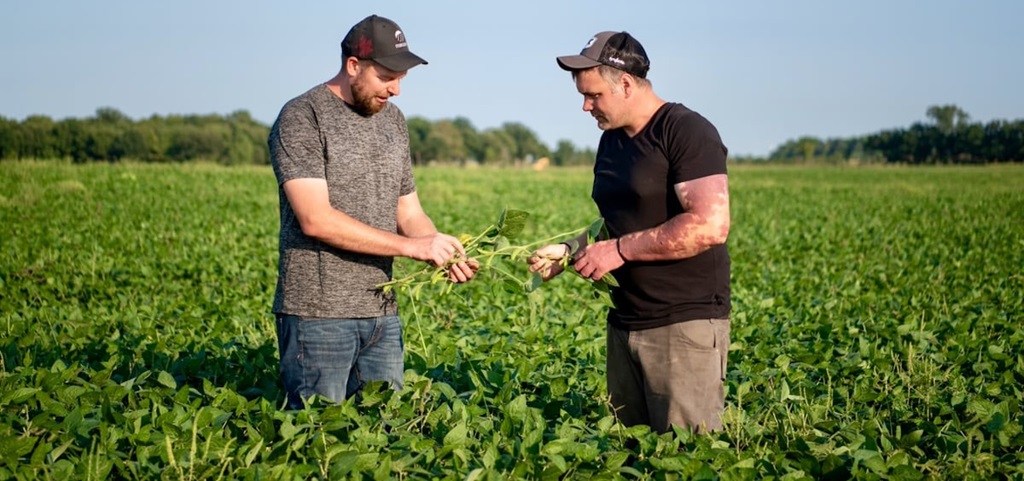
Suppliers and Farmers