










Shannonville • Hastings County • Bay of Quinte
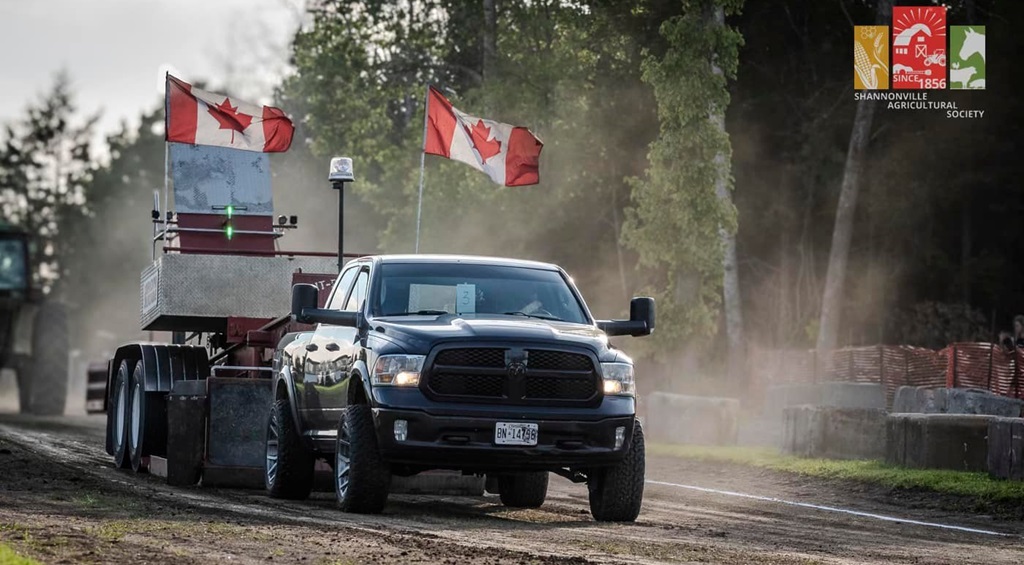
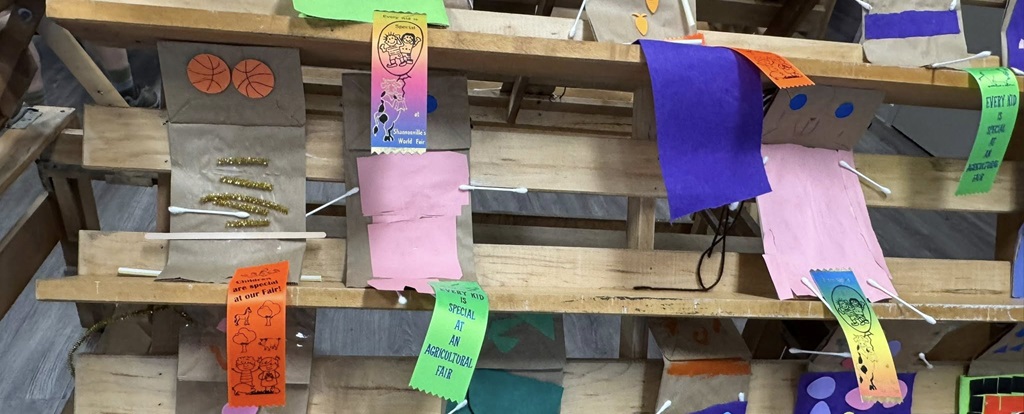
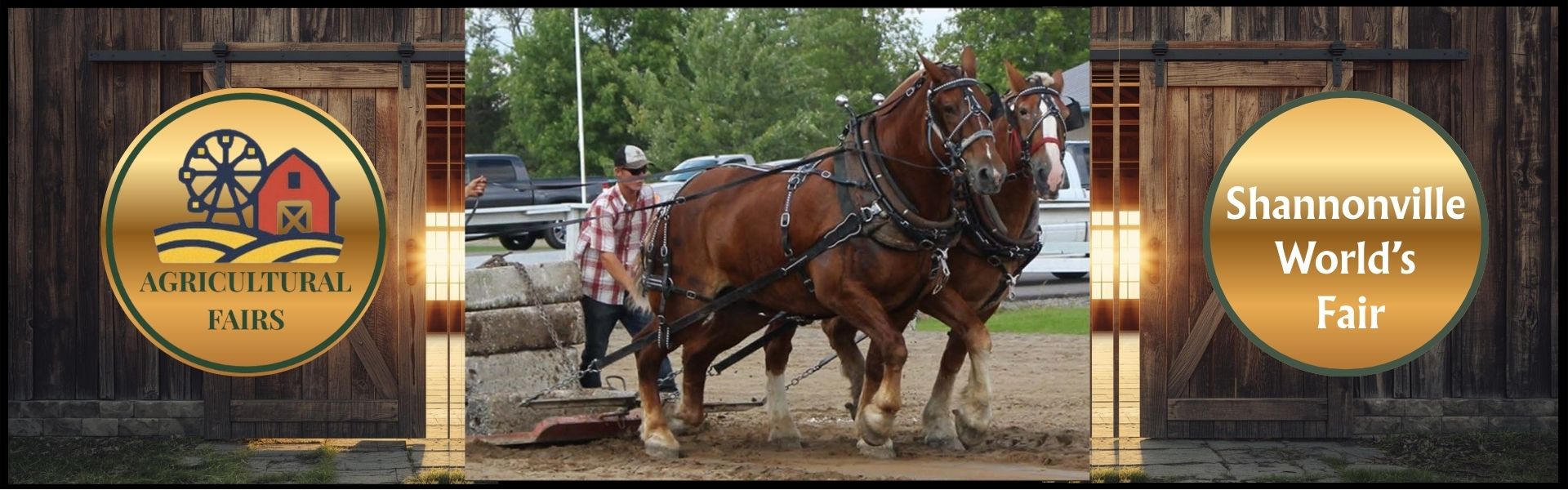
The Shannonville World’s Fair is a long-standing agricultural fair celebrating livestock exhibitions, homecraft competitions, agricultural displays, and family-friendly entertainment in the community of Shannonville in Hastings County.
Visitor Information
📍 Location: Shannonville Fairgrounds, Shannonville, Ontario
🎪 Event Type: Agricultural Fair
👨👩👧👦 Best For: Families, livestock exhibits, agricultural displays, homecraft competitions, and community entertainment
🗓 2026 Dates: August 28–29, 2026
Plan Your Visit
⏱ Time Needed: Plan several hours to explore livestock exhibits, agricultural displays, competitions, and family activities throughout the fairgrounds.
🎡 Fair Highlights: Livestock shows, agricultural exhibits, homecraft displays, and community entertainment.
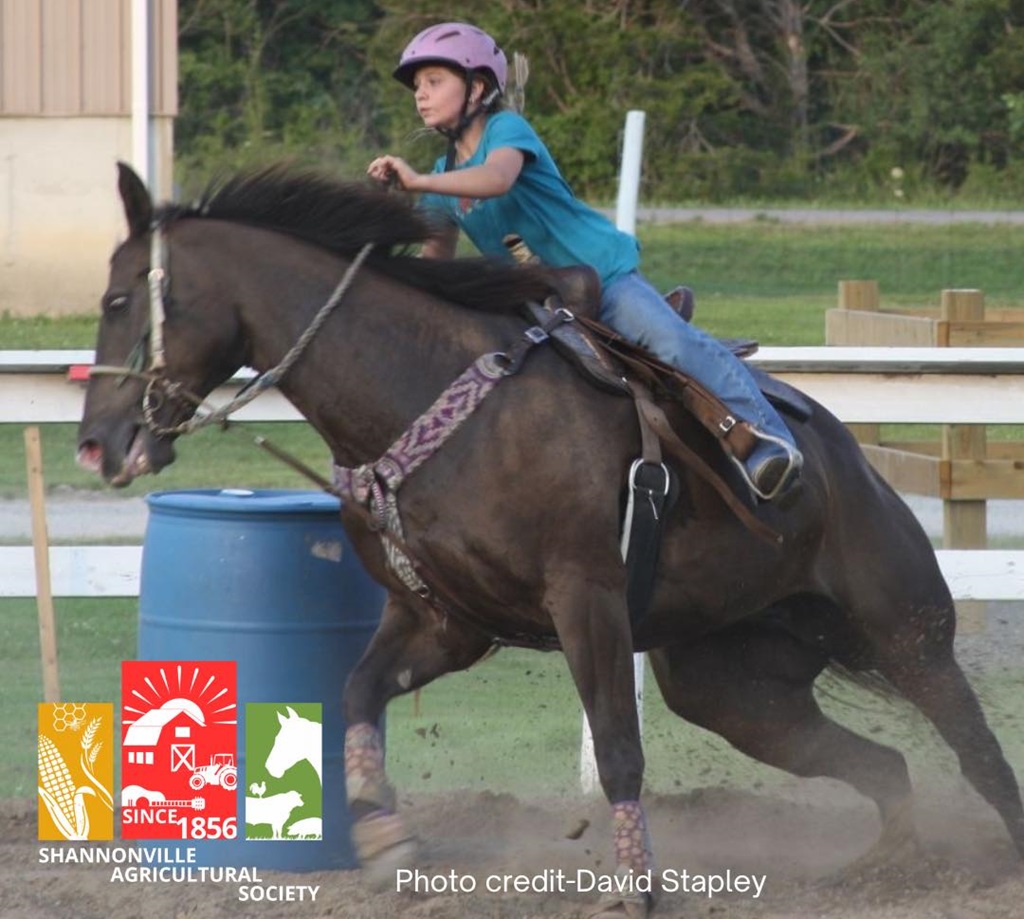
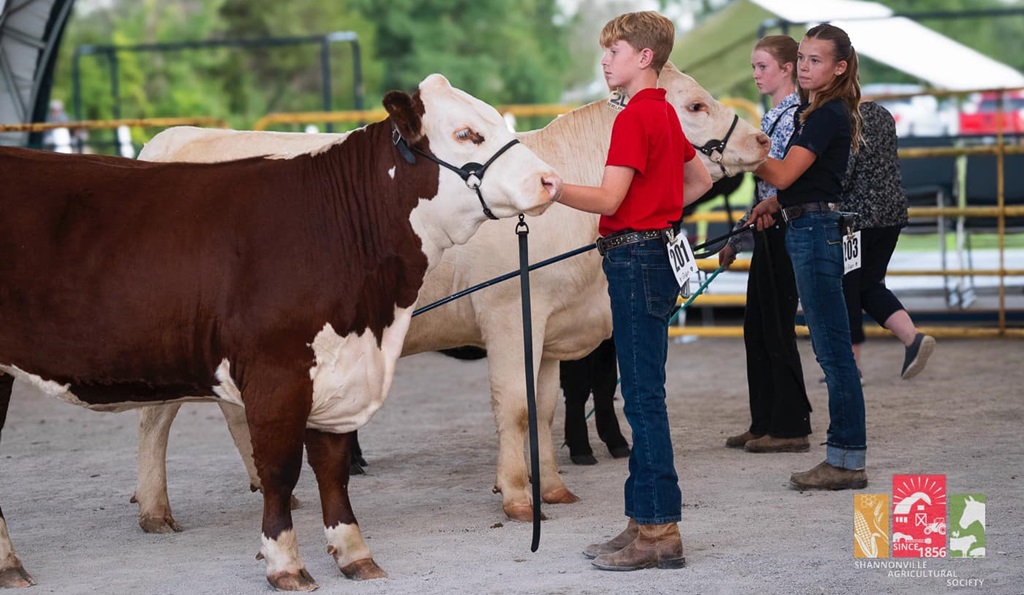
🐄 Agricultural Experiences: Cattle, horse, and small animal exhibits reflecting the farming traditions of Hastings County.
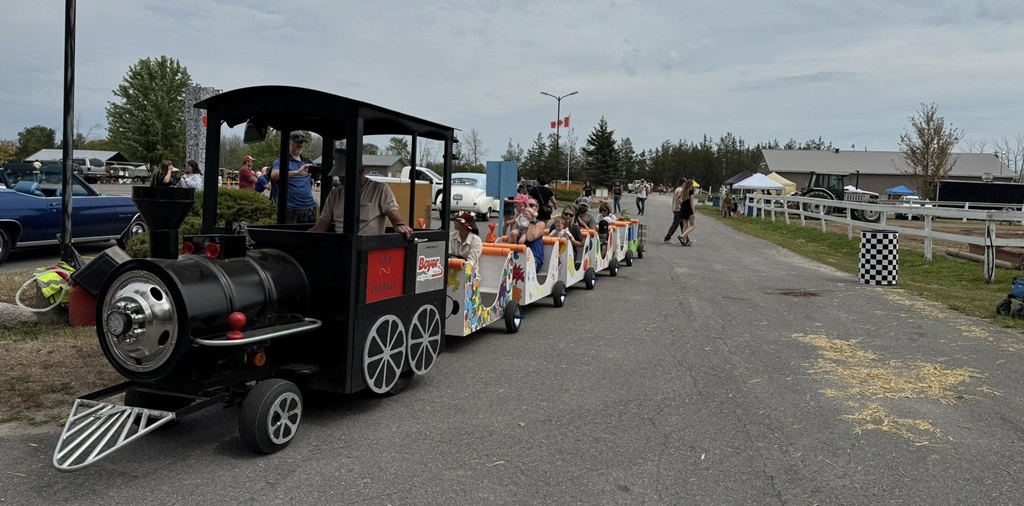
🎠 Family Activities: Children’s activities, games, food vendors, and family-friendly entertainment.
📅 Annual Timing: Late August
🌐 Official Website: Shannonville Agricultural Society
Celebrating Agriculture in the Bay of Quinte Region
The Shannonville World’s Fair has been an important community tradition in Hastings County for generations. Agricultural fairs like the Shannonville World’s Fair provide an opportunity for farmers and residents to showcase livestock, produce, crafts, and traditional rural skills.
Visitors can explore agricultural exhibits, livestock competitions, and homecraft displays while enjoying entertainment and family activities. These fairs highlight the strong agricultural heritage of the Bay of Quinte region while bringing communities together to celebrate rural traditions.
Events such as the Shannonville World’s Fair continue to strengthen connections between agriculture and the community while preserving the traditions that have shaped rural life in Eastern Ontario.
Did You Know?
Many Ontario agricultural fairs adopted the term “World’s Fair” in the late 1800s as a way of promoting their exhibitions and attracting visitors from across the region. Despite the grand name, these fairs remained community celebrations of agriculture and rural life.