


















About the Exhibition
A Regional Celebration Rooted in Agriculture, Heritage & Community Pride
The Niagara Region Exhibition has long stood as one of the most significant agricultural gatherings in the Niagara Peninsula. Organized by the Niagara Regional Agricultural Society, the fair represents a deep and enduring commitment to the region’s farming heritage. While Niagara is celebrated internationally for its wineries, waterfalls, and tourism, the exhibition serves as a powerful reminder that the region’s identity is equally rooted in orchards, fields, barns, and generations of rural families.
A Fair Shaped by Niagara’s Agricultural Legacy
The origins of the Niagara Region Exhibition trace back to the 19th century, when fairs across Ontario played an essential role in strengthening farming communities. Niagara’s mild climate and fertile soil made it one of Canada’s most productive agricultural regions, and early fairs helped showcase the fruits, quite literally, of the region’s hard work.
Farmers gathered to compare livestock, exchange knowledge, and display their best produce. These early exhibitions reinforced excellence, supported innovation, and helped define Niagara as a powerhouse of Canadian agriculture.
Honouring the Skills & Traditions of Rural Niagara
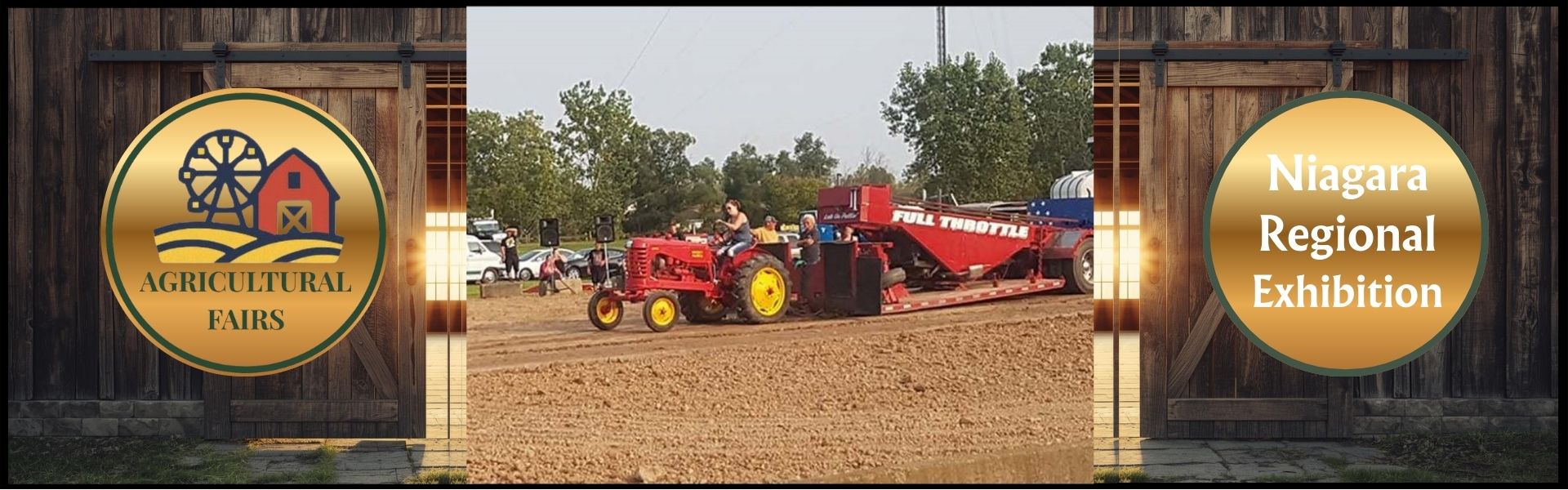
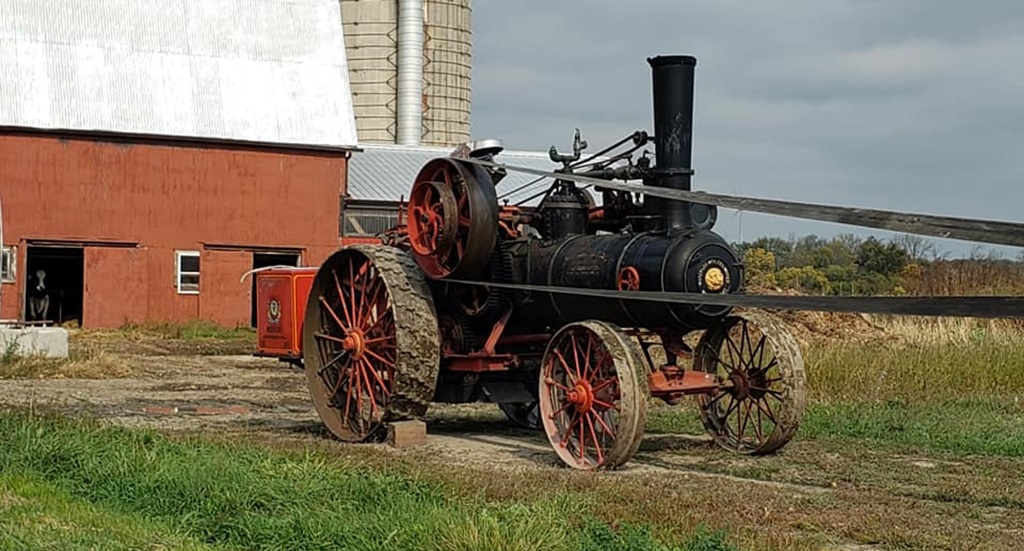
Over the decades, the fair has continued to celebrate the talents and traditions that give the region its character. Livestock competitions, horse events, and agricultural displays reflect the knowledge and dedication of Niagara’s farming families. These exhibitions are more than competitions, they are living demonstrations of the community’s heritage and values.
The fair’s homecraft and domestic arts categories also contribute to this rich tradition. Quilts, preserves, photography, woodworking, floral arrangements, and youth entries highlight the skills passed down through generations. Many exhibitors have grown up participating in the fair, preserving family traditions while inspiring new participants each year.
4-H programming has long been central to the exhibition’s identity. Through clubs and youth initiatives, children and teens develop hands-on agricultural skills, leadership qualities, and an appreciation for the rural lifestyle that shaped Niagara’s earliest communities.
Powered by Regional Cooperation & Volunteer Spirit
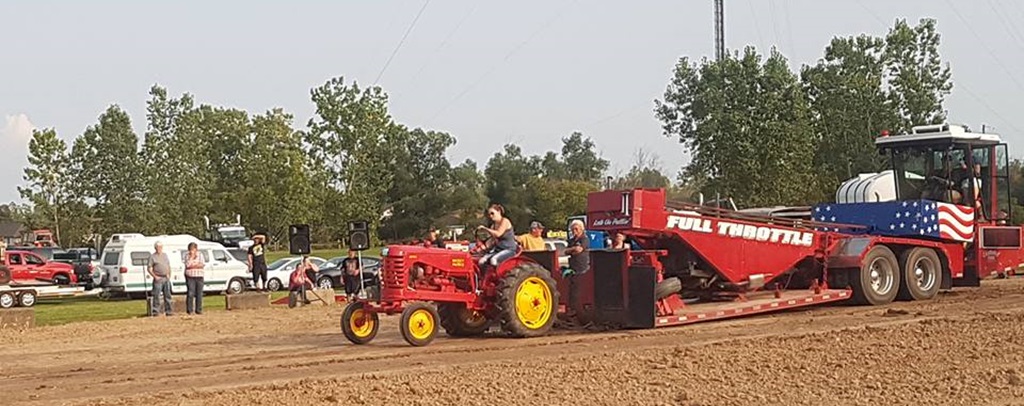
Because the Niagara Region Exhibition represents multiple communities, St. Catharines, Niagara Falls, Welland, Thorold, Pelham, Niagara-on-the-Lake, Fort Erie, Grimsby, Lincoln, West Lincoln, and Wainfleet, it stands apart as a truly regional fair. Its success depends on the dedication of volunteers and board members drawn from across the peninsula.
Behind the scenes, volunteers prepare exhibits, coordinate competitions, preserve traditions, and ensure the fair remains an inclusive gathering place. Many have decades of involvement, representing families who have supported the exhibition for generations. Their commitment keeps the fair strong and deeply connected to the region’s heritage.
A Bridge Between Rural Past & Modern Niagara
Though Niagara has evolved into one of Ontario’s most diverse and visited regions, agriculture remains central to its identity. The fair plays a vital role in educating new residents about the area’s farming roots and showcasing the ongoing importance of agriculture in the region’s economy and way of life.
The exhibition reflects:
- Niagara’s long-standing fruit-growing heritage
- The significance of livestock farming and rural craftsmanship
- The pride and resilience of multi-generational farm families
- The region’s commitment to youth education and agricultural literacy
- A strong tradition of volunteer leadership and community support
These elements maintain the fair’s relevance, even as Niagara’s population and landscape continue to change.
A Legacy That Continues to Grow
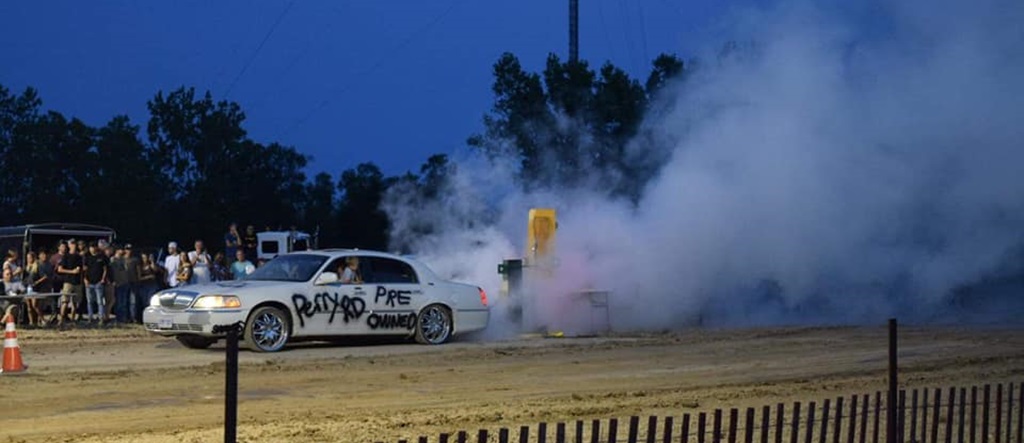
The Niagara Region Exhibition stands as one of the most enduring symbols of the region’s agricultural heritage. It honours the traditions that shaped Niagara long before wineries and tourism defined its modern image. It also celebrates the families, volunteers, and exhibitors who continue to keep rural life strong across the peninsula.
As the fair moves forward, it remains grounded in its original purpose:
to celebrate agriculture, to strengthen community ties, and to preserve the values that have defined Niagara for more than a century.


About the Region
The Niagara Region: A Landscape of Beauty, History, Agriculture & Endless Discovery
Few places in Canada blend natural beauty, agricultural richness, historic significance, and vibrant communities quite like the Niagara Region. Situated between Lake Ontario and Lake Erie and framed by the Niagara Escarpment, this remarkable area is a tapestry of small towns, rural landscapes, lively cities, and world-renowned attractions.
Travel through Niagara and you’ll encounter orchards heavy with peaches and cherries, award-winning vineyards, historic villages, bustling downtowns, sandy beaches, and sweeping views you won’t find anywhere else. It’s a region that feels both familiar and extraordinary, deeply rooted in heritage yet alive with modern energy.
A Region Built on Farms, Water, and Settlement
Niagara’s story stretches back centuries. Its fertile soils and temperate climate made the region ideal for farming, and early settlers quickly planted orchards, vineyards, and field crops. The escarpment provided natural protection and water flow, while the proximity to the Great Lakes shaped trade and settlement patterns.
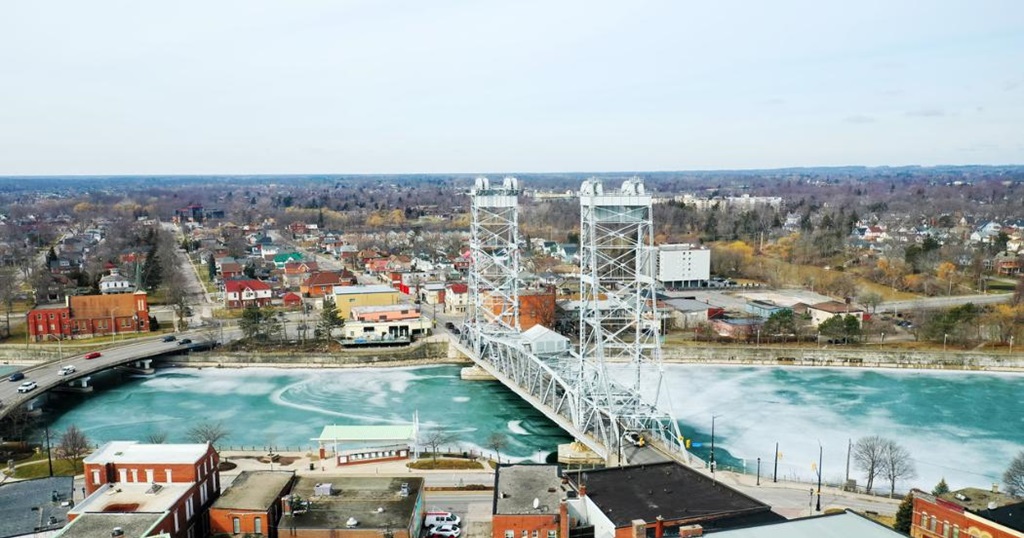
Communities such as Niagara-on-the-Lake, St. Catharines, Thorold, Welland, Grimsby, and Fort Erie grew from small milling and farming towns into important commercial centres. Today, many heritage buildings, mills, and historic main streets still remain, offering glimpses into Niagara’s past.
Agriculture: The Heart of Niagara
Niagara is one of Canada’s agricultural jewels, producing:
- Grapes for world-class wines
- Peaches, cherries, apricots, nectarines, plums
- Apples and pears
- Vegetables of all kinds
- Honey, maple syrup, and specialty crops
The region’s tender-fruit belt is unlike anywhere else in the country, making Niagara’s farms essential to both its economy and its identity.
Farm markets, orchards, roadside stands, and vineyard tours are part of everyday life in Niagara. The agricultural story is alive and thriving.
A Destination for Nature Lovers and Explorers
The Niagara Region offers endless opportunities for outdoor fun. Whether you love hiking, cycling, paddling, or simply soaking in spectacular scenery, Niagara has it all.
Popular activities include:
- Hiking the Bruce Trail along the escarpment
- Exploring Niagara Glen and Balls Falls
- Walking the Niagara River Parkway
- Cycling the region’s scenic wine routes
- Visiting conservation areas, beaches, and lakeshore parks
Each season brings new beauty, spring blossoms, summer harvests, fall colours, and winter landscapes dusted with snow.
Big Attractions and Small-Town Charm
Of course, Niagara is also home to world-famous destinations:
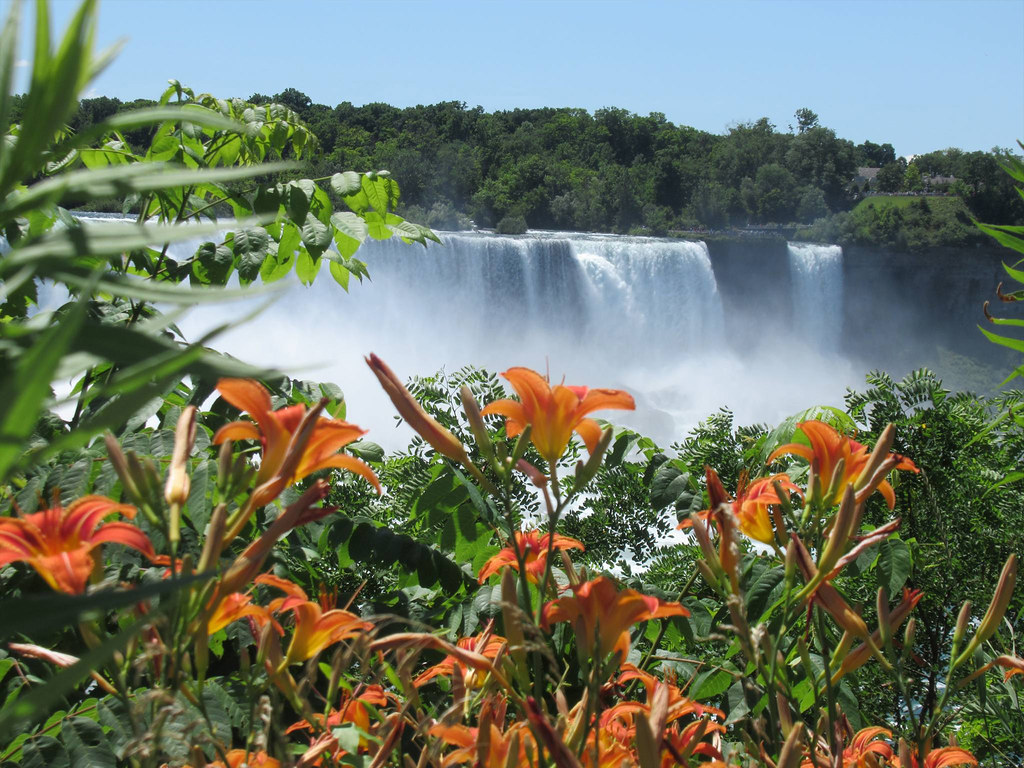
- Niagara Falls
- Clifton Hill
- The Welland Canal and Museum
- Niagara-on-the-Lake’s historic district
- The Shaw Festival
- Fort George and historic sites
But just beyond the iconic landmarks lie peaceful farms, friendly communities, wineries, cideries, breweries, artist studios, and rural roads perfect for a leisurely drive.
A Strong Partner to the Niagara Region Exhibition
The regional fair is a natural extension of Niagara’s identity. It brings together the area’s agricultural heritage, creative talent, and community pride—uniting urban and rural residents under one celebration.
Visitors who attend the Niagara Region Exhibition get a window into the region’s heart: its farms, its families, its traditions, and its warm, welcoming spirit.
A Region That Always Invites You Back
Whether you’re here for a day trip, a weekend, or a lifetime, the Niagara Region is a place that stays with you, rich in history, shaped by agriculture, and filled with communities that embrace both tradition and innovation.
It’s a region where every town has a story, every road leads to something beautiful, and every season offers a reason to return.