Markham • York Region • York Durham Headwaters
The Markham Fair is one of Canada’s oldest and largest country fairs, celebrating agriculture, livestock exhibitions, homecraft competitions, midway attractions, live entertainment, and family-friendly experiences. Hosted by the Markham and East York Agricultural Society, the fair has been a community tradition since 1844 and proudly showcases Ontario’s agricultural heritage while welcoming more than 80,000 visitors each year.
Visitor Information
📍 Location: Markham Fairgrounds, 10801 McCowan Road, Markham, Ontario
🎪 Event Type: Agricultural Fair
👨👩👧👦 Best For: Families, livestock enthusiasts, agricultural exhibits, midway rides, shopping, and live entertainment
🗓 2026 Dates: October 1–4, 2026
🌐 Official Website: Markham Fair
Plan Your Visit
⏱ Time Needed: Plan a full day or spend the weekend exploring agricultural exhibits, competitions, entertainment, shopping, and family activities.
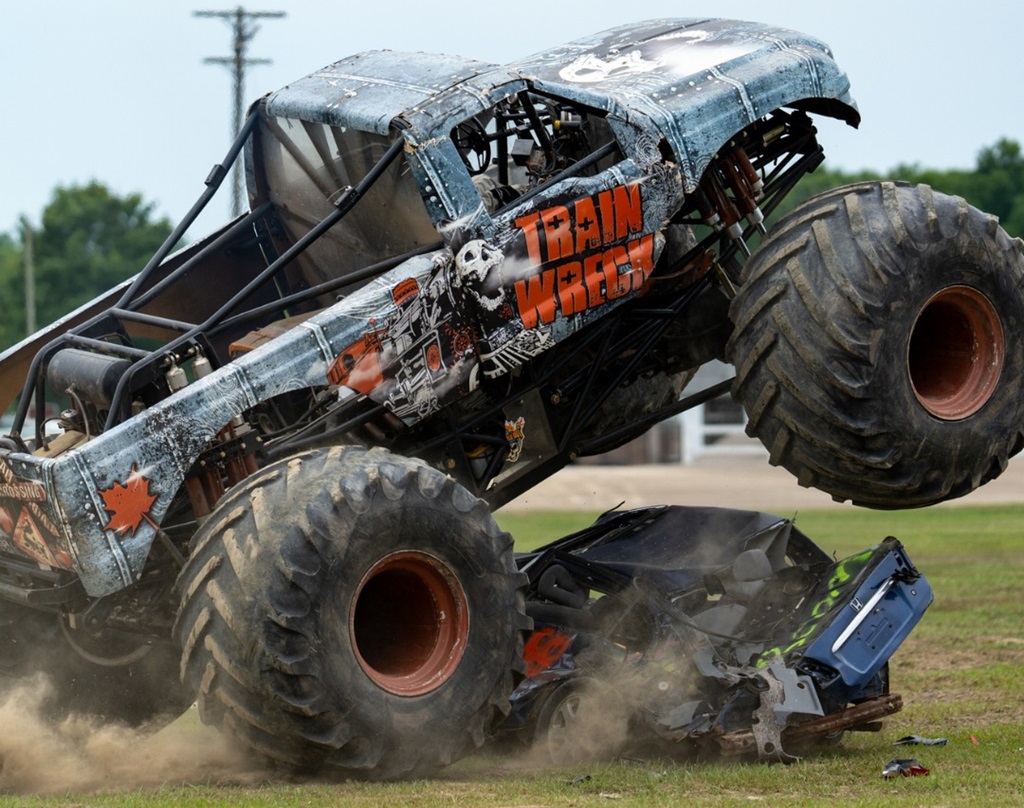
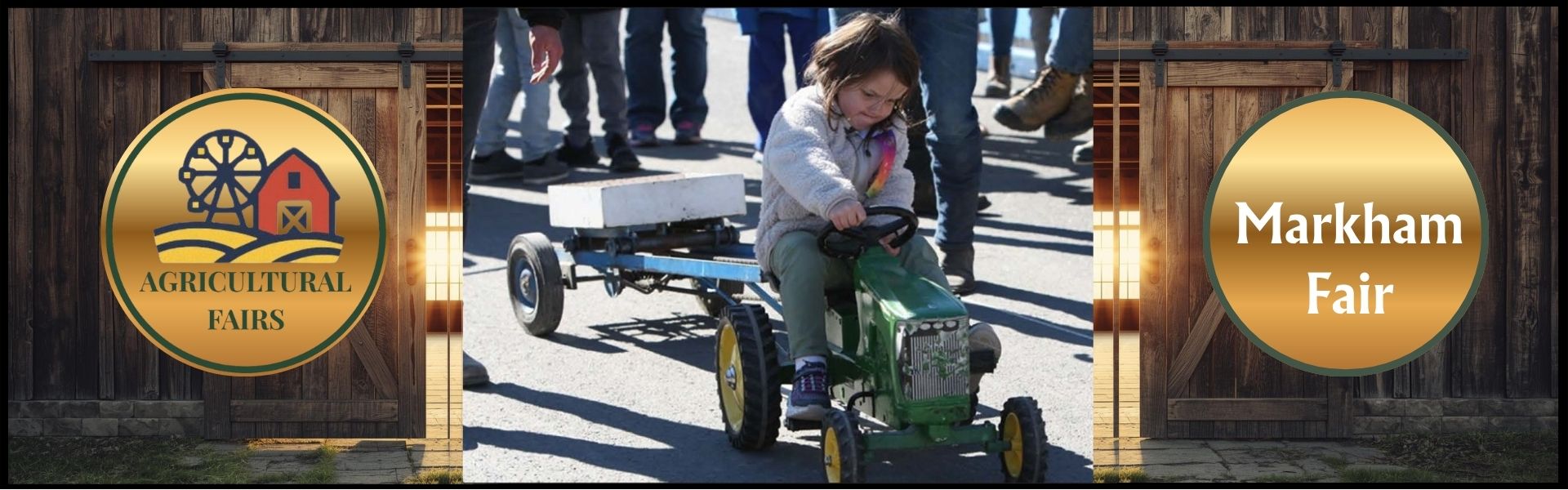
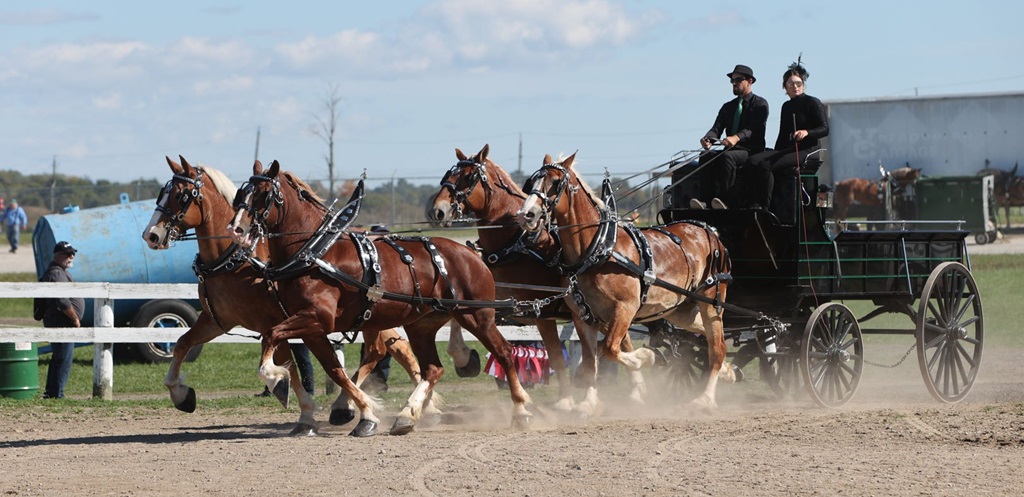
🎡 Fair Highlights: Midway rides, livestock competitions, horse shows, tractor pulls, demolition derby, live entertainment, commercial exhibits, food vendors, and thousands of competitive exhibits.
🐄 Agricultural Experiences: Dairy and beef cattle, sheep, goats, horses, poultry, rabbits, horticulture, field crops, photography, baking, quilting, crafts, and one of Ontario’s largest homecraft competitions.
🎠 Family Activities: Midway rides, farm animal exhibits, children’s entertainment, educational displays, shopping, games, food vendors, and live performances throughout the fairgrounds.
📅 Annual Timing: Early October (Weekend before Thanksgiving)
Celebrating Agriculture in York Region
The Markham Fair has been bringing together farmers, families, exhibitors, and visitors for more than 180 years. Organized by the Markham and East York Agricultural Society, the fair continues its mission of promoting agriculture, education, friendly competition, and community involvement while preserving the rural traditions that helped shape York Region.
Recognized as Canada’s largest four-day country fair, the Markham Fair features more than 12,000 competitive entries across dozens of agricultural and homecraft categories. Visitors can explore livestock barns, agricultural demonstrations, homecraft displays, commercial exhibits, midway attractions, and live entertainment while learning about both traditional and modern farming.
The fair successfully blends historic agricultural competitions with contemporary attractions, making it one of Ontario’s premier fall events. Supported by hundreds of dedicated volunteers, it continues to celebrate agriculture while connecting urban and rural communities through education, entertainment, and shared traditions.
Did You Know?
The Markham Fair was established in 1844, making it one of Canada’s oldest country fairs. Today, more than 750 volunteers help organize the annual event, making the Markham and East York Agricultural Society one of Canada’s largest community-based volunteer organizations.
About the Fair
One of Canada’s Oldest Agricultural Fairs — Celebrating Community, Agriculture & Tradition Since 1844
The Markham Fair, presented by the Markham and East York Agricultural Society, is one of Canada’s oldest and largest agricultural fairs, proudly serving York Region since 1844. For nearly two centuries, the fair has united rural families, urban neighbours, and visitors from across the province in a dynamic celebration of agriculture, homecraft, heritage, and community pride.
A Fair Rooted in Settlement, Farming & Early Community Life
When the Markham Fair began in the mid-19th century, the region was a growing agricultural township filled with farms, mills, and small settlement clusters. Agricultural societies played a vital role in supporting farmers, improving livestock, showcasing innovations, and strengthening community bonds.
Early Markham fairs featured livestock judging, grain and produce exhibitions, preserves, sewing, needlework, and demonstrations of the essential skills that sustained rural life. These core traditions remain central to the fair today.
Agriculture at the Heart of the Markham Fair
Despite Markham’s evolution into a modern, culturally diverse city, agriculture remains the foundation of the fair. Exhibits proudly showcase:
- Dairy and beef cattle
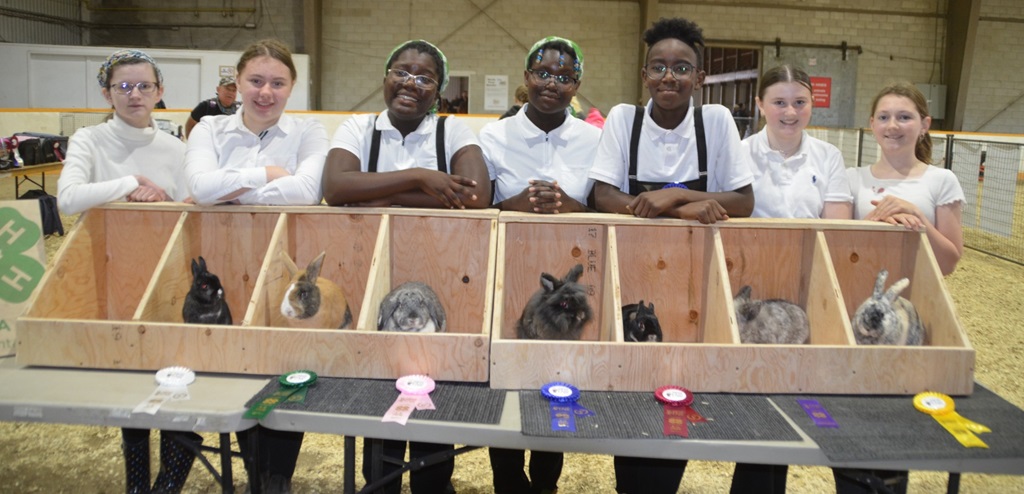
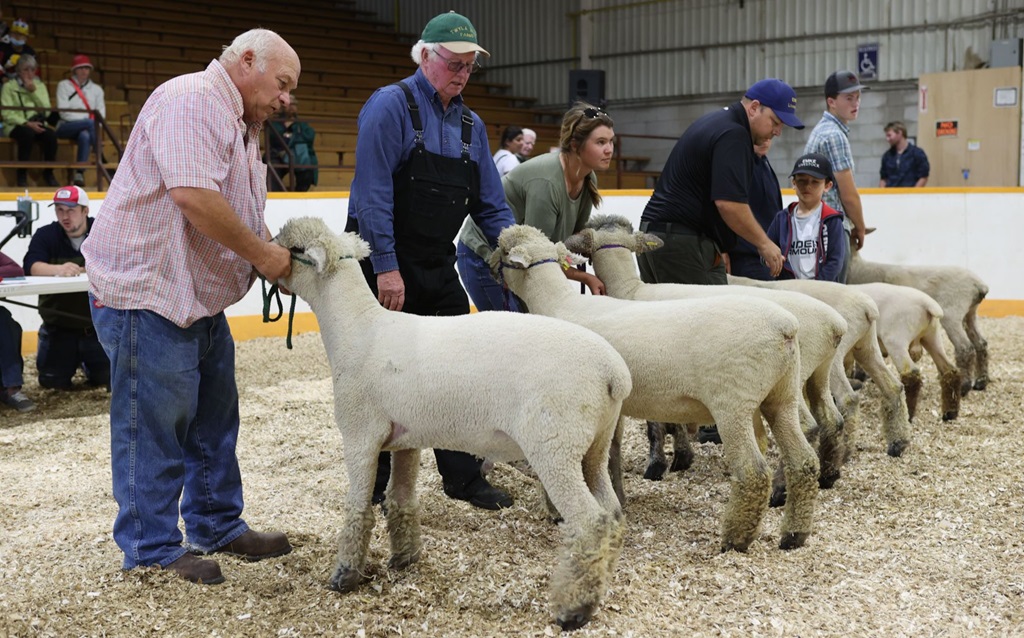
- Sheep, goats, poultry, and small livestock
- Field crops, grain, hay, vegetables, and garden produce
- Woodworking, rural crafts, and practical homesteading skills
These traditional displays honour the farm families and rural heritage that shaped the region’s early identity.
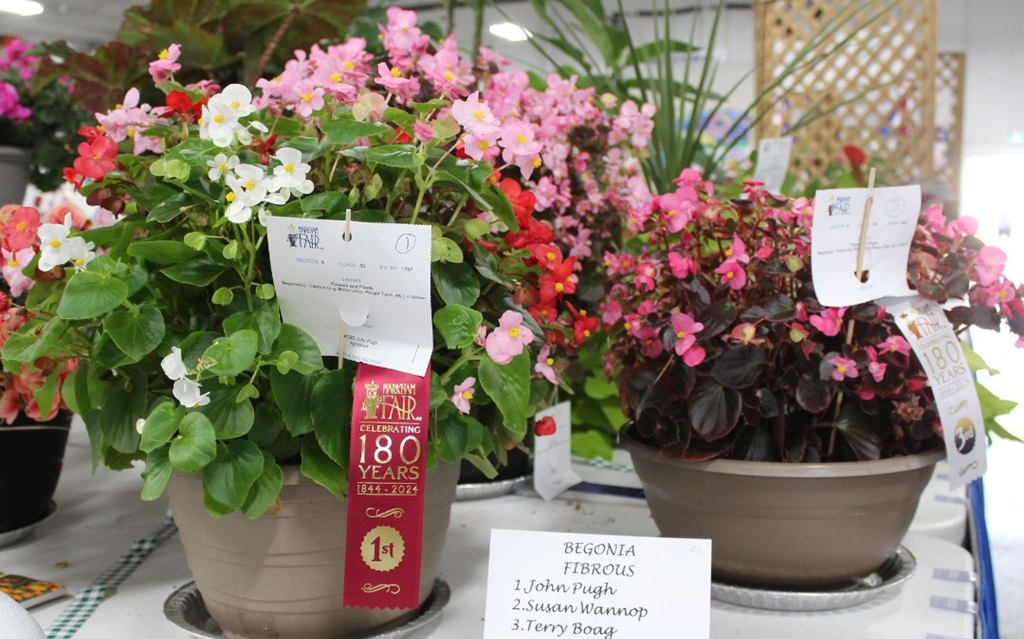
The fair’s extensive homecraft divisions, including preserves, baking, quilting, sewing, knitting, photography, floriculture, arts, and junior categories, highlight the creativity and craftsmanship that remain woven into community life.
Youth Engagement & Generational Pride
Youth participation has always been a cornerstone of the Markham Fair. Through 4-H clubs, junior homecraft, school exhibits, and agricultural education activities, young people develop:
- Leadership skills
- Agricultural literacy
- Creativity & problem-solving
- Confidence & community engagement
- A connection to rural heritage
Many families have participated for generations, keeping long-standing traditions vibrant and meaningful.
Driven by Volunteers & Community Leadership
The Markham and East York Agricultural Society, supported by hundreds of volunteers, works tirelessly to organize the fair each year. Their dedication, maintaining fairgrounds, coordinating exhibits, supporting exhibitors, and celebrating community heritage, reflects Markham’s strong civic pride and regional spirit.
A Celebration of York Region’s Rural Roots
The Markham Fair proudly reflects the region’s most enduring values:
- Agricultural excellence
- Heritage preservation
- Creative homecraft traditions
- Youth leadership
- Volunteer commitment
- Community unity
A Tradition That Endures
More than an annual event, the Markdale Fall Fair remains a cherished celebration, honouring the agricultural heritage, creativity, and community spirit that continue to shape Markdale and the Grey Highlands region.