About the Community
Gloucester, Ontario: A Community Where Rural Roots Meet Urban Growth
Once a vibrant rural township and now an integral part of the City of Ottawa, Gloucester, Ontario is a community shaped by farmland, early settlement, cultural diversity, and the steady growth of Canada’s capital region. Though modern Gloucester features suburbs, businesses, and civic amenities, its identity remains grounded in the agricultural history that defined the area for more than a century.
A Township Built on Early Settlement & Farmland
Gloucester’s origins reach back to the early 1800s, when settlers were drawn to the fertile lands east and south of the Ottawa River. Early farms, sawmills, schools, and churches formed the backbone of the township. Much of the land was cleared, cultivated, and developed by families whose names still appear on local roads, barns, and heritage sites.
Farmers supplied food, livestock, lumber, and grain to Ottawa as it grew from a rough lumber town into the nation’s capital. Gloucester’s early prosperity was therefore closely tied to agriculture, transportation routes, and the region’s expanding markets.
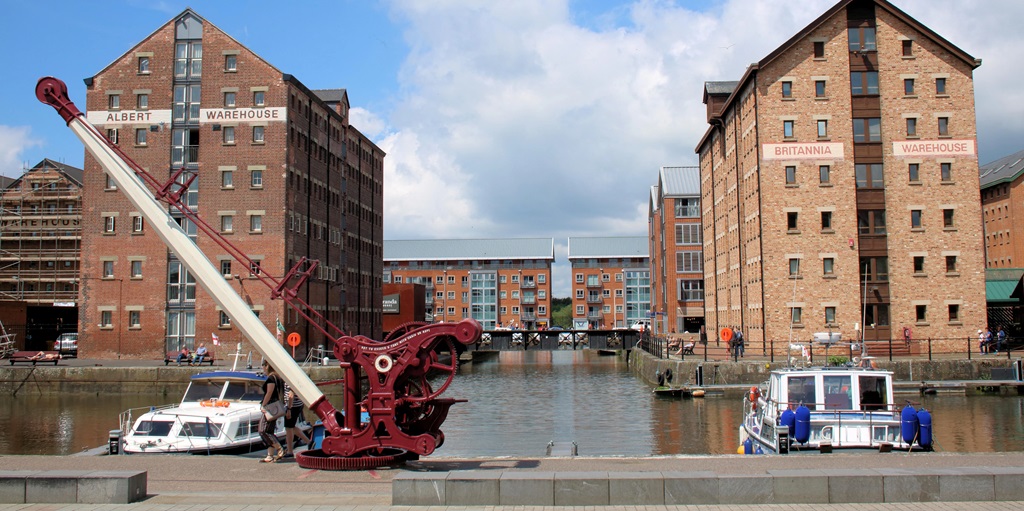
A Landscape of Fields, Forests & Changing Neighbourhoods
Today, Gloucester blends its rural past with a dynamic urban presence. Though the landscape now includes residential neighbourhoods, commercial districts, and transit routes, pockets of farmland, open spaces, and natural areas still reflect its agricultural roots.
The local geography includes:
- Rolling farmland and former homesteads
- Green belts and conservation areas
- Woodlots and wetlands
- Parks and recreational paths
- Established suburban communities
This balance between natural space and suburban development gives Gloucester a unique character within the Ottawa region.
A Diverse & Welcoming Population
Gloucester has grown into one of Ottawa’s most culturally diverse areas. Families from across Canada and around the world have made their homes here, contributing to a vibrant and inclusive community. Schools, places of worship, and cultural organizations help foster a strong sense of belonging among residents.
Despite its growth, Gloucester maintains a welcoming, neighbourly atmosphere where community connections remain a central part of everyday life.
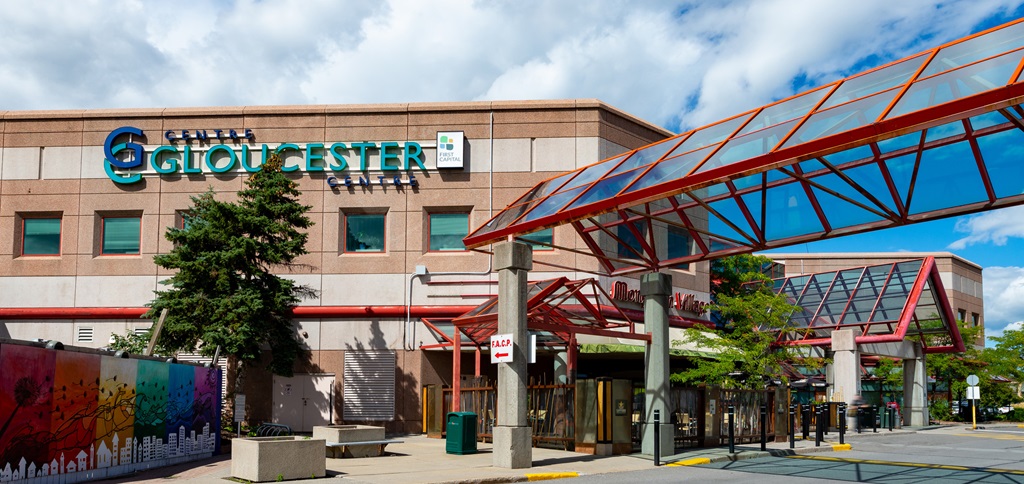
A Centre for Community Activity
Gloucester’s many neighbourhoods, such as Beacon Hill, Pineview, Blossom Park, Hunt Club, Greenboro, and Riverside South, feature parks, community centres, local shops, and gathering places. These hubs support sports programs, cultural activities, local events, and recreational opportunities for families.
Community involvement is strong, and volunteers play an important role in bringing people together across generations.
Agricultural Heritage Remains Part of Its Identity
Though urban development has transformed much of the landscape, agriculture remains an important part of Gloucester’s story. Former farm clusters, heritage buildings, local producers, and multi-generation farming families continue to shape the area’s history and character.
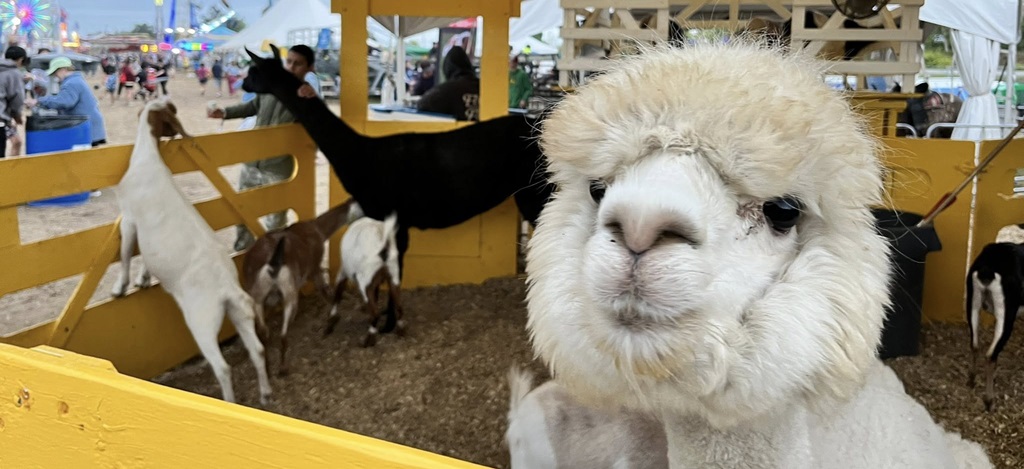
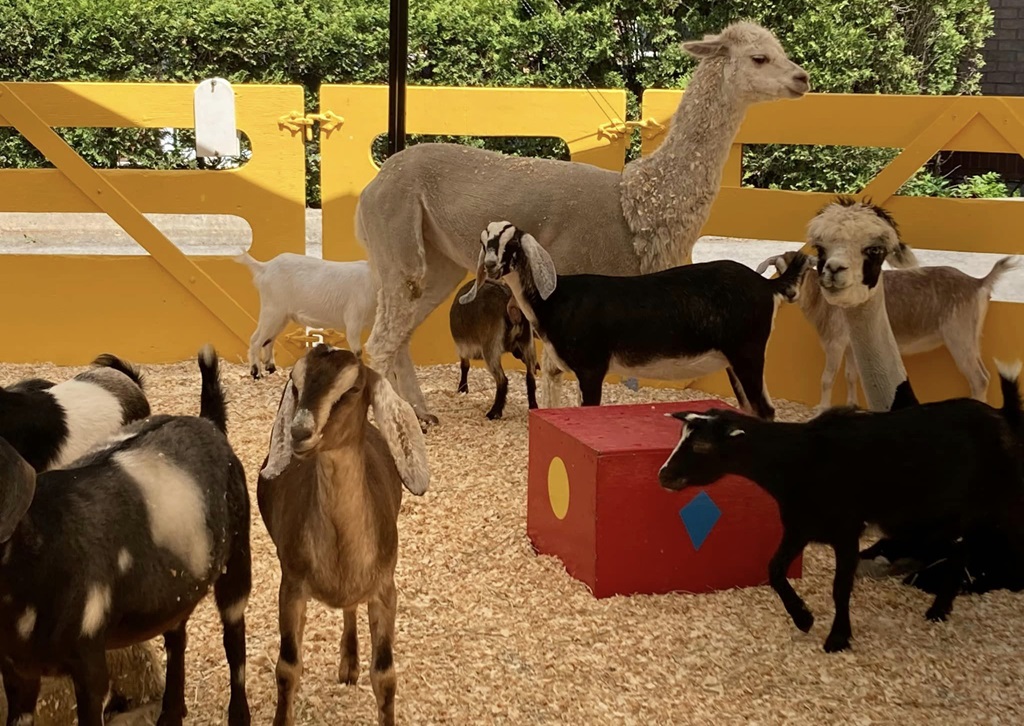
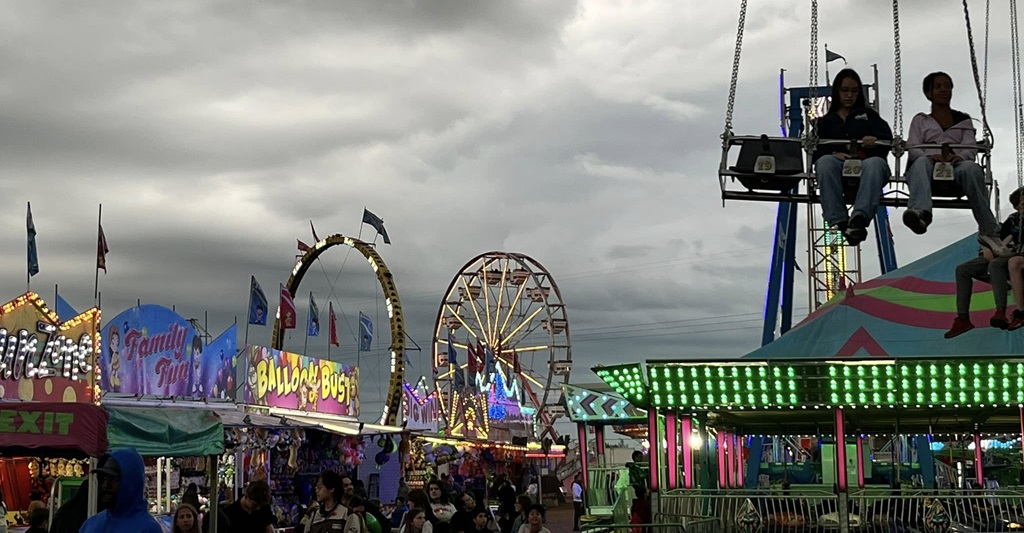
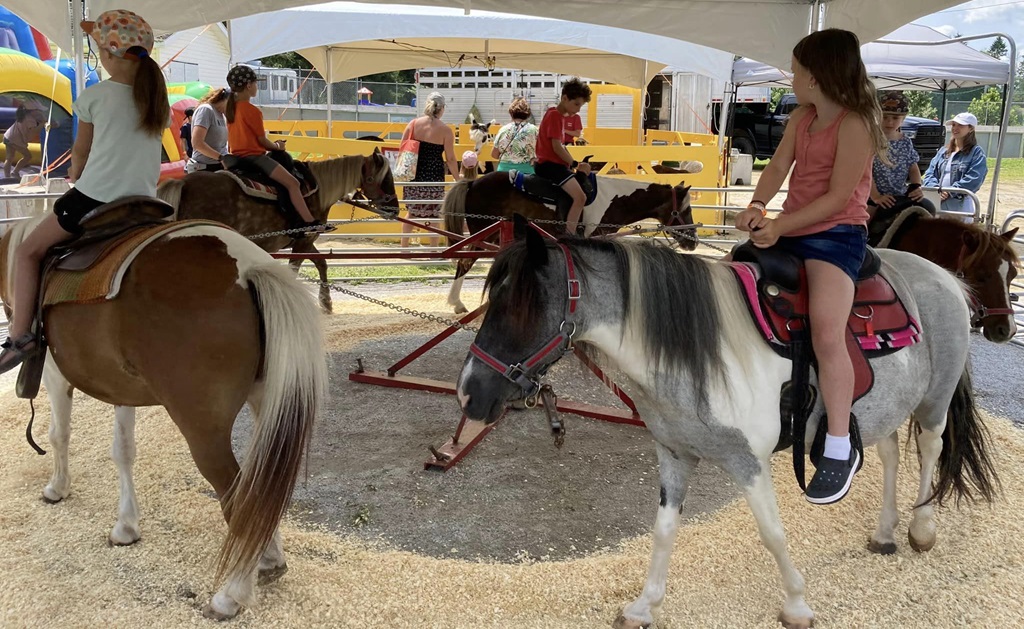
This heritage is celebrated each year through the Capital Fair, one of the region’s most significant reminders of Gloucester’s rural past.
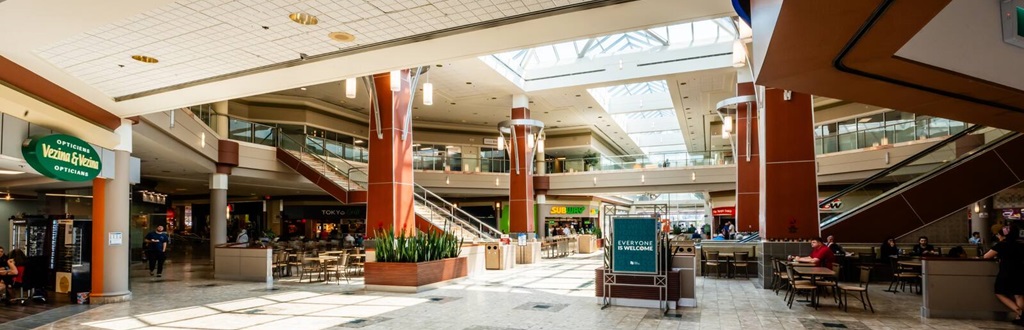
The Perfect Complement to the Capital Fair
The Capital Fair reflects the strongest aspects of Gloucester’s identity:
- A respect for agricultural roots
- Strong community involvement
- Youth participation and learning
- Multi-generation traditions
- A blend of rural heritage and modern life
Together, Gloucester and its fair tell a complete story, one that honours the past while embracing the present and future of a growing community.
A Community That Continues to Evolve
Whether you explore its suburban neighbourhoods, visit its parks, learn about its rural history, or experience long-standing traditions like the Capital Fair, Gloucester offers a memorable blend of heritage and modern living.
It is a community where rural roots meet urban opportunity, where diversity strengthens identity, and where tradition continues to play a meaningful role in community life.
🌾 Explore Nearby Agritourism Experiences
Visitors attending the Capital Fair may also enjoy discovering nearby markets, farms, and rural attractions in Ottawa and the Ottawa Valley region.
• ByWard Market – Ottawa – one of Canada’s oldest public markets featuring fresh produce, local foods, shops, and restaurants in the heart of the capital
• Richmond Fair – Richmond – a long-running agricultural fair celebrating farming traditions in the Ottawa region
• Carp Farmers’ Market – Carp – a community market offering fresh produce and artisan foods
• Saunders Farm – Ottawa – a well-known agritourism attraction featuring seasonal farm experiences and events
Some nearby experiences include links to additional Ontario Agritourism Showcase pages with more visitor information.