About the Community.
Thunder Bay, Ontario: A Northern City of Heritage, Wilderness & Strong Community Spirit
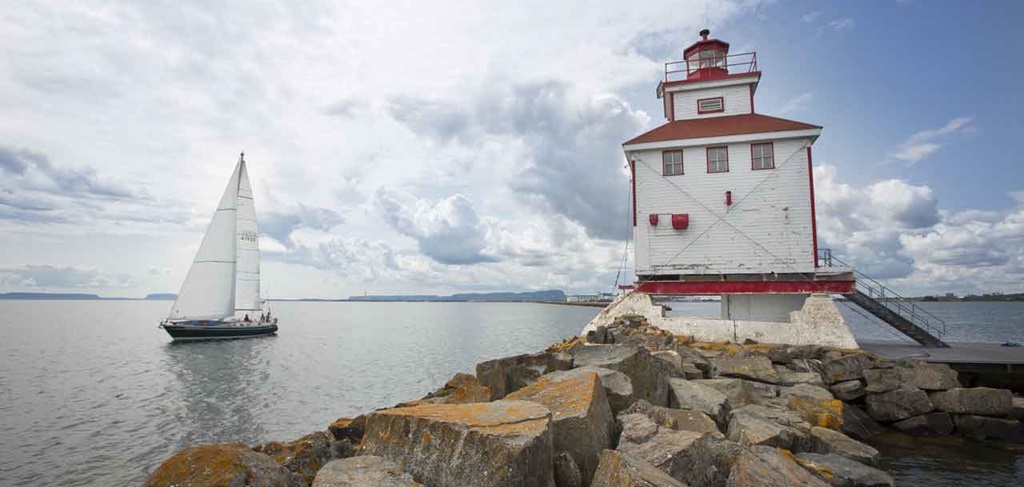
Situated on the shores of majestic Lake Superior, Thunder Bay, Ontario is a city where natural beauty, deep history, and resilient community spirit come together. As the largest urban centre in Northwestern Ontario, Thunder Bay blends Indigenous heritage, European settlement history, outdoor adventure, and a thriving modern culture into a uniquely Northern identity.
A City Built on Ancient Footsteps & Early Trade Routes
Thunder Bay’s story begins long before European settlement. The region is part of the traditional territory of the Anishinaabe people, who have lived along the lake’s shores for thousands of years. Their knowledge, culture, and traditions continue to play a vital role in shaping the city’s identity.
With the arrival of French voyageurs and later the Hudson’s Bay Company, the region developed into a major fur-trade hub. Fort William became one of the most significant trading posts in North America—its legacy preserved today in the region’s cultural memory.
A Historic Port City Shaped by Industry
In the 19th and early 20th centuries, the twin cities of Port Arthur and Fort William grew rapidly thanks to:
- Shipping and rail transport
- Forestry and lumber industries
- Mining and resource development
- Milling and agriculture
- Lake Superior port activity
In 1970, the two cities amalgamated to form Thunder Bay, creating a unified regional centre that remains the economic and cultural hub of Northwestern Ontario.
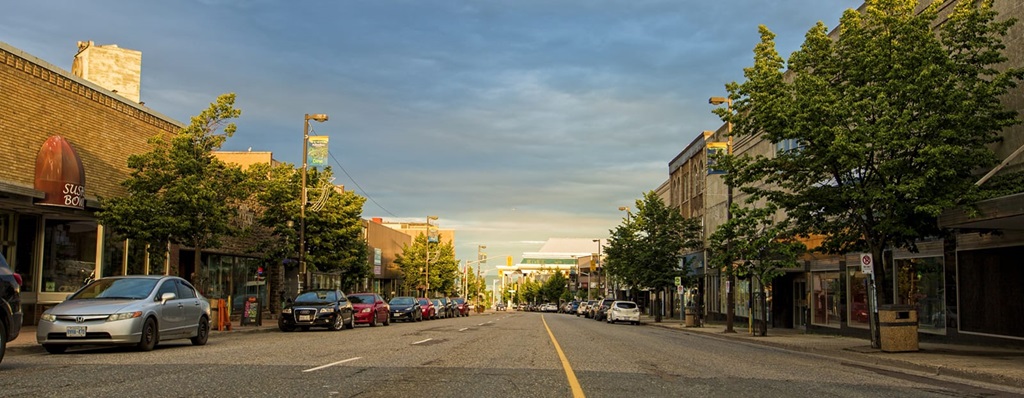
Historic buildings, grain elevators, lakeside rail lines, and early neighbourhoods still reflect the community’s industrial and transportation heritage.
A Landscape of Remarkable Natural Beauty
Thunder Bay is surrounded by dramatic and iconic natural features, including:
- The rugged cliffs of the Sleeping Giant
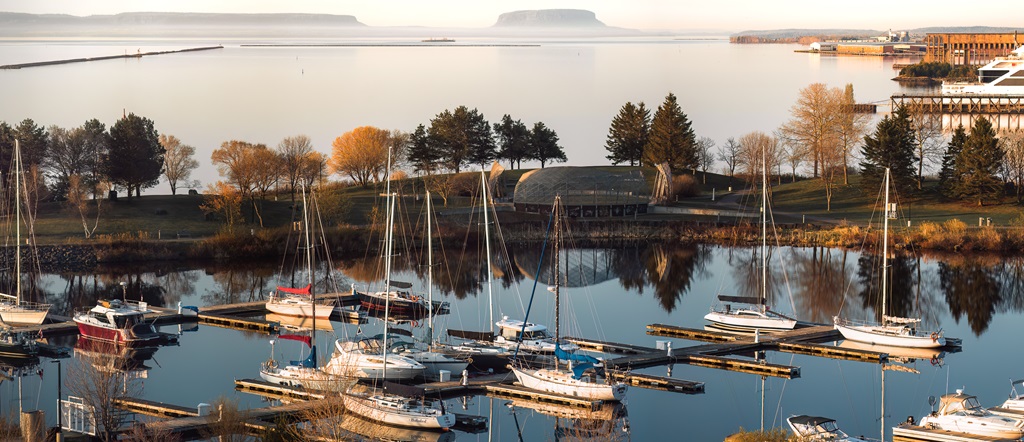
- Lake Superior’s sweeping shoreline
- Boreal forests and wildlife-rich trails
- Rivers, waterfalls, and conservation areas
- Nearby mountains and scenic lookouts
With its mix of wilderness and waterfront, the city offers an environment that feels both expansive and serene.
A Diverse & Welcoming Community
Thunder Bay is known for its friendly residents, strong volunteer culture, and deep sense of community pride. The city embraces a multicultural identity shaped by:
- Indigenous heritage
- Finnish, Italian, and Eastern European traditions
- Settlers from across Canada
- Newcomers from around the world
Cultural festivals, community groups, and arts organizations keep the city vibrant and engaged.
A City with a Thriving Arts & Cultural Scene
Local culture thrives in:
- Art galleries
- Live theatre and music venues
- Historic sites
- Artisan markets
- Community celebrations
Thunder Bay’s creative spirit reflects both its northern environment and its multicultural influences.
Deep Rural Roots Beyond the City
Although Thunder Bay is an urban centre, its surrounding landscapes are shaped by farms, rural communities, and northern agricultural traditions. Local food producers, small farms, and multi-generation rural families contribute to the region’s character.
This agricultural heritage is proudly recognized each year at the Canadian Lakehead Exhibition, one of the area’s most enduring and important community traditions.
A Natural Partner to the Canadian Lakehead Exhibition
The CLE reflects Thunder Bay’s strongest qualities:
- Heritage and history
- Cultural diversity
- Community involvement
- Youth participation
- Northern resilience
- Pride in local achievement
Together, the city and its exhibition tell a complete story—one of cooperation, tradition, identity, and regional pride.
A City That Captures the Northern Spirit
Whether exploring the dramatic landscapes, connecting with local culture, enjoying a strong community atmosphere, or celebrating longstanding traditions like the CLE, Thunder Bay offers a warm, memorable, and distinctly Northern experience.
It is a city where history meets wilderness, where community meets resilience, and where Northern Ontario’s spirit shines year-round.
🌾 Explore Nearby Agritourism Experiences
Visitors attending the Canadian Lakehead Exhibition may also enjoy discovering nearby markets, farms, and rural attractions in Thunder Bay and Northwestern Ontario.
• Thunder Bay Country Market – Thunder Bay – a year-round farmers’ market featuring local food, produce, and artisan products
• Murillo Fair – Murillo – a long-running agricultural fair celebrating farming traditions in the Thunder Bay area
• Slate River Dairy – Thunder Bay District – providing region’s milk since 2015
• Kakabeka Falls Provincial Park – Kakabeka Falls – a scenic natural attraction often called the “Niagara of the North”
Some nearby experiences include links to additional Ontario Agritourism Showcase pages with more visitor information.