









Attraction Guides
Farm Markets & Farm Stores Guide
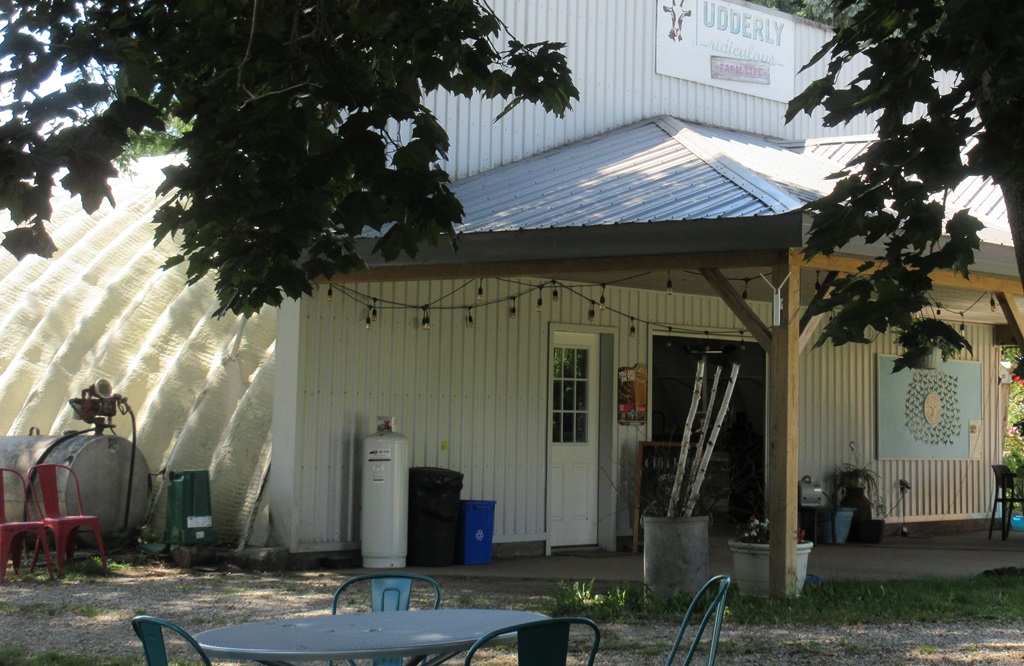
Farm Store
🏡 On-Farm Farm Markets
On-farm markets are located directly on working farms and sell products grown or produced on site. These markets often feature seasonal produce, baked goods, preserves, meats, and farm-made specialties. Visiting an on-farm market gives guests a direct connection to the land, the farmer, and the growing season, often accompanied by rural scenery, friendly conversations, and a sense of authenticity that reflects true farm life.
🥕 Produce Farm Stands
Produce farm stands are typically small, seasonal roadside or on-farm setups focused primarily on fresh fruits and vegetables. Operated by farmers or family members, these stands highlight what is currently being harvested and are valued for their simplicity, freshness, and affordability. Many operate on an honour-system model and are a familiar sight along Ontario’s rural roads.
🍞 Bakery & Farm Kitchen Markets
These markets specialize in baked goods and ready-to-eat items made using farm or locally sourced ingredients. Offerings often include pies, breads, cookies, tarts, butter tarts, and savoury items. Bakery and kitchen-focused farm markets are popular stop-in destinations and frequently become well-known regional favourites, especially during weekends and holiday seasons.
🍓 Pick-Your-Own Market Stores
Pick-your-own market stores are farm retail spaces that complement nearby PYO fields or orchards. In addition to fresh-picked produce, they often sell pre-picked items, jams, cider, baked goods, and souvenirs. These markets act as a gathering point for visitors before and after their field experience and are central to the overall farm visit.
🧀 Specialty Food Farm Stores
Specialty food farm stores focus on one or more signature products such as cheese, maple syrup, honey, cider, meat, or preserves. These stores highlight craftsmanship, tradition, and local flavours, often offering tastings and detailed product information. Many are year-round destinations and form part of regional food trails or culinary tourism routes.
🌻 Flower & Plant Farm Markets
These markets sell cut flowers, potted plants, hanging baskets, perennials, herbs, and seasonal décor items. Some also offer cut-your-own flower experiences or workshops. Flower and plant markets attract gardeners, decorators, and photographers and often operate intensively in spring and summer with seasonal peaks.
🥩 Meat & Farm Protein Stores
Meat-focused farm stores sell farm-raised beef, pork, lamb, poultry, or specialty meats, often frozen or custom-cut. These stores emphasize transparency, animal care, and local sourcing, allowing customers to buy directly from the producer. Many offer bulk buying options, freezer packs, and seasonal specials.
🍯 Honey, Maple & Apiary Stores
These stores specialize in honey, maple syrup, beeswax products, and related items. Often located near sugar bushes or apiaries, they provide education about production methods and the role of pollinators. These markets are popular seasonal destinations, particularly during maple syrup season and fall harvest time.
🧺 Multi-Vendor Farm Markets
Multi-vendor farm markets operate on a farm property but host multiple local producers, artisans, and food vendors. These markets create a community marketplace atmosphere while still being rooted in agriculture. They are especially popular on weekends and during special events and festivals.
🛍️ Country Gift & Farm Lifestyle Shops
These shops blend farm products with rural-inspired gifts, décor, clothing, and specialty items. While food remains central, the shopping experience often extends into lifestyle and home goods. These stores appeal to visitors seeking unique souvenirs or countryside-inspired products.
🎄 Seasonal & Holiday Farm Markets
Seasonal farm markets operate during key times such as fall harvest, Christmas, or spring planting season. Products may include pumpkins, holiday décor, wreaths, Christmas trees, preserves, and gift baskets. These markets often become part of annual family traditions and draw repeat visitors year after year.
Pick-Your-Own (PYO) Farms Guide
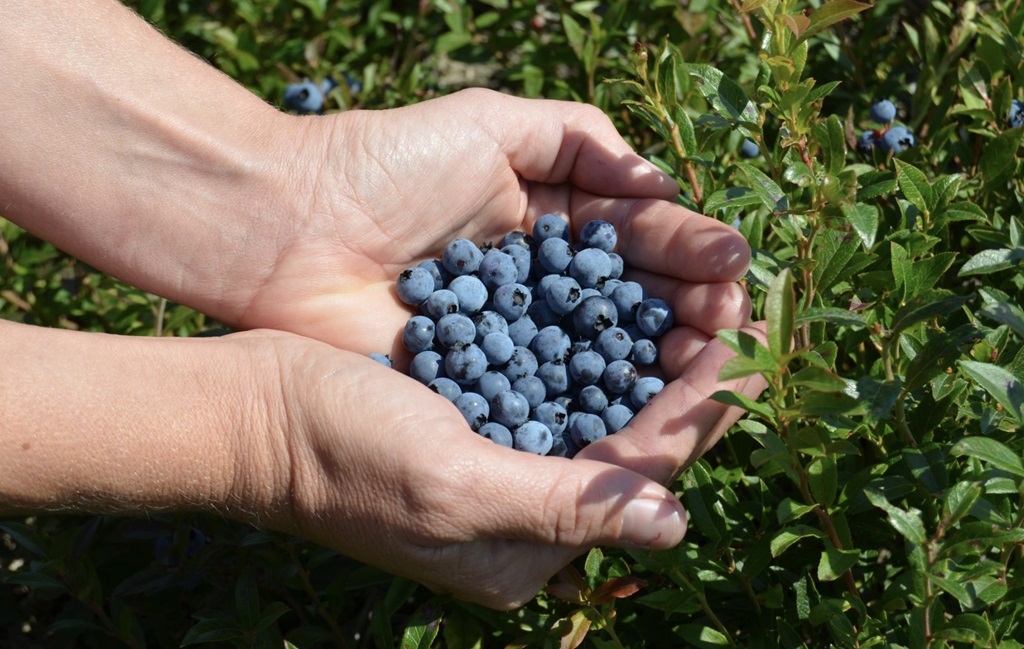
Pick-Your-Own Farm
🍓 Berry Pick-Your-Own Farms
Berry PYO farms offer hands-on harvesting of strawberries, raspberries, blueberries, currants, and other small fruits. These farms are typically highly seasonal and weather-dependent, making visits feel timely and special. Most include a small farm market selling pre-picked berries, jams, baked goods, and refreshments. Berry picking is especially popular with families and first-time agritourism visitors.
🍎 Orchard Pick-Your-Own Farms
Orchard PYO farms focus on tree fruit such as apples, pears, plums, cherries, or peaches. Visitors stroll orchard rows selecting ripe fruit while enjoying scenic rural landscapes. Orchard markets often feature cider, donuts, pies, honey, and gift items, making them destination stops—particularly in late summer and fall. Many orchards operate year-round markets even outside PYO season.
🎃 Pumpkin & Squash Pick-Your-Own Farms
These farms specialize in pumpkins, gourds, and winter squash and are central to Ontario’s fall agritourism season. Visitors typically pick pumpkins directly from the field and enjoy wagon rides, photo spots, and fall-themed activities. On-site markets often sell seasonal décor, baked goods, cider, and preserves, creating a festive harvest atmosphere.
🌽 Vegetable Pick-Your-Own Farms
Vegetable PYO farms allow visitors to harvest crops such as peas, beans, tomatoes, peppers, sweet corn, and more. These farms appeal to home cooks and local-food enthusiasts who enjoy selecting fresh ingredients straight from the field. Farm stores often sell complementary produce, herbs, and preserves, encouraging repeat visits throughout the growing season.
🌻 Flower Pick-Your-Own Farms
Flower PYO farms invite visitors to cut their own bouquets from fields of sunflowers, zinnias, dahlias, and mixed blooms. These farms blend agriculture with creativity and are popular with photographers, gardeners, and gift-seekers. Farm markets often sell pre-made bouquets, seeds, vases, and floral gifts, and may host workshops or seasonal events.
🍒 Mixed Crop Pick-Your-Own Farms
Mixed-crop PYO farms offer multiple picking experiences throughout the season, such as strawberries in June, blueberries in July, apples in September, and pumpkins in October. Their farm markets evolve with the harvest, featuring whatever is currently in season. These farms encourage repeat visits and often become family traditions across the year.
🧺 Pick-Your-Own Farm Markets (Retail Hub)
PYO farm markets act as the central retail and information hub for the farm. Visitors check in, receive picking instructions, purchase containers, and browse products before or after heading to the fields. These markets typically sell pre-picked produce, baked goods, preserves, cider, souvenirs, and seasonal items, enhancing the overall visitor experience.
🚜 Pick-Your-Own + Experience Farms
Some PYO farms expand beyond harvesting to include play areas, corn mazes, animal encounters, wagon rides, or festivals. The farm market supports these experiences by offering food, drinks, merchandise, and ticketing. These farms operate as full agritourism destinations rather than simple pick-and-go stops.
🛍️ Seasonal & Pop-Up Pick-Your-Own Markets
Seasonal or pop-up PYO markets operate only during peak harvest windows. These may be temporary farm shops, tents, or trailers offering freshly picked produce and limited products. While simple, they provide an accessible entry point into agritourism for both farmers and visitors and are common along Ontario’s rural roads.
Farm Stays, Ranch Stays & Countryside Accommodations Guide
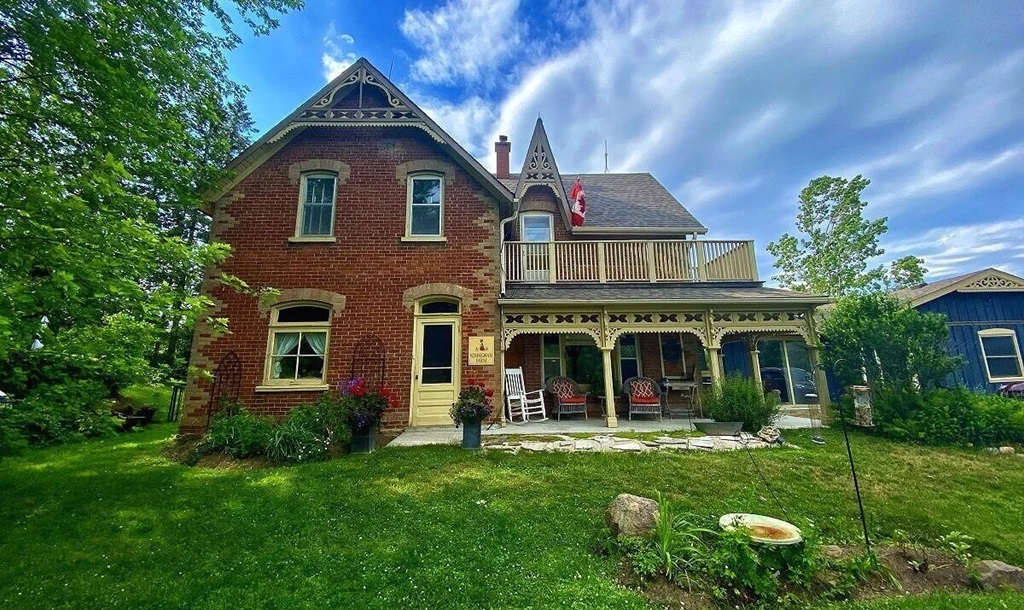
Farm Bed and Breakfast
🧺 On-Farm Pantry & Farm Shop
Many farm stays offer a small on-site pantry or farm shop stocked with products made or grown on the property. These may include eggs, vegetables, preserves, honey, maple syrup, baked goods, or meats. Guests appreciate the convenience of sourcing food directly from the farm, often for breakfasts, picnics, or take-home gifts.
🥖 Breakfast & Provisions Market
Some accommodations provide a provisions market or self-serve area where guests can purchase breakfast items such as bread, pastries, jams, dairy products, and coffee. These markets support self-catered stays while reinforcing the farm-to-table experience and showcasing local ingredients.
🍷 Farm-to-Table Product Stores
Farm stays associated with wineries, cideries, dairies, or specialty food producers often include a dedicated retail store. Guests can browse wines, cider, cheese, oils, or preserves and enjoy tastings before purchasing products to take home. These stores extend the guest experience beyond the overnight stay.
🌾 Country Gift & Farm Lifestyle Shops
Some rural accommodations feature small gift shops offering farm-inspired décor, local crafts, books, clothing, and souvenirs. These shops appeal to guests looking for meaningful keepsakes and help support local artisans while reinforcing the countryside aesthetic.
🧀 Local Artisan & Regional Product Markets
Certain farm stays partner with neighbouring farms and producers to stock a curated selection of regional goods. These markets may include cheese, baked goods, meats, beverages, and handmade items, giving guests a broader taste of the surrounding agricultural community without leaving the property.
🔥 Campfire, Picnic & Experience Supply Stores
Larger ranch stays and countryside retreats sometimes include small stores selling practical items such as firewood, marshmallows, picnic supplies, farm snacks, rain ponchos, or branded merchandise. These stores enhance comfort and convenience for guests enjoying outdoor activities.
🌻 Seasonal Pop-Up Farm Markets
During peak seasons, holidays, or special events, some farm stays host temporary pop-up markets. These may feature harvest produce, holiday gifts, maple products, or flowers and create a festive atmosphere for guests while encouraging repeat visits during different times of the year.
🚜 Experience & Activity Booking Desks (Retail-Style)
While not traditional markets, some accommodations operate booking desks that function like retail hubs. Guests can purchase tickets for farm tours, workshops, animal experiences, sleigh rides, or nearby attractions. These desks often also sell related merchandise or locally made products.
🛍️ Self-Serve Honour System Stores
Smaller or more remote farm stays may offer honour-system fridges, sheds, or kiosks stocked with farm products. Guests select items and leave payment independently, reinforcing trust, simplicity, and rural tradition while providing convenient access to local food.
Petting Farms & Animal Encounter Guide
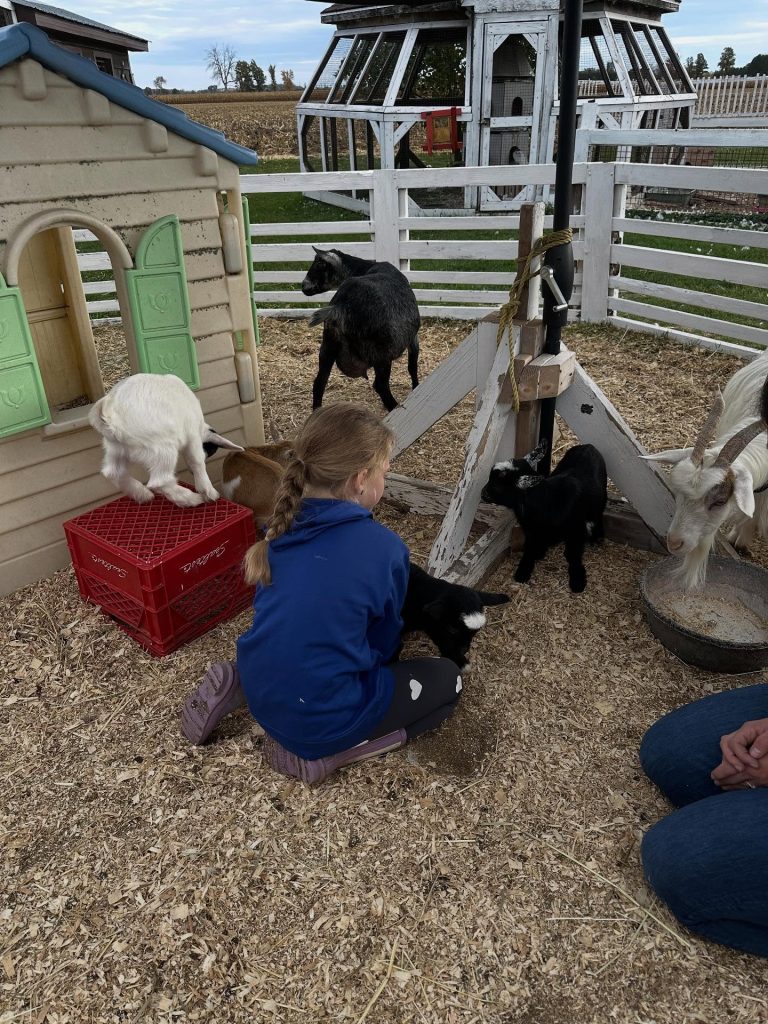
Petting Zoo
🧺 Farm Welcome & Admission Markets
These markets act as the main check-in point for visitors. Guests purchase admission tickets, wristbands, or passes and receive maps, safety guidelines, and schedules. Many also sell snacks, drinks, and small souvenirs. This space helps manage visitor flow and sets expectations for animal interaction.
🥕 Feed & Animal Treat Stores
Feed stores sell approved animal feed, grain cups, or treat bags for use during supervised animal interactions. These stores play an important role in animal health by controlling what visitors feed the animals while enhancing hands-on engagement for children and families.
🧸 Farm Gift & Souvenir Shops
Gift shops at petting farms offer plush animals, toys, books, apparel, and farm-themed souvenirs. These items allow children to take home a reminder of their visit and often reinforce educational themes about animals and farming.
🥛 Farm Product & Snack Markets
Many petting farms sell farm-produced or locally sourced food items such as milk, ice cream, eggs, baked goods, honey, or seasonal treats. These markets provide refreshments while subtly reinforcing the connection between animals, farming, and food production.
🧀 Local Artisan & Partner Product Stores
Some animal encounter farms collaborate with nearby producers to sell cheese, preserves, meats, or crafts. These curated selections expand the visitor experience beyond the farm itself and highlight the broader rural and agricultural community.
🎒 Education & Learning Resource Stores
Education-focused stores sell books, activity kits, puzzles, and learning materials related to animals, farming, and nature. These stores support school groups and families interested in extending learning beyond the visit.
🐴 Experience Add-On & Booking Counters
Certain animal farms offer paid add-on experiences such as pony rides, animal meet-and-greets, behind-the-scenes tours, or caretaker experiences. These booking counters often function like retail hubs, selling tickets and related merchandise.
🍦 Seasonal Treat & Concession Stands
During busy seasons, petting farms often operate concession stands offering ice cream, cold drinks, popcorn, or simple meals. These stands support longer visits and make the attraction more comfortable for families spending several hours on site.
🌾 Self-Serve & Honour-System Farm Stands
Smaller or rural animal farms may offer simple self-serve stands selling eggs, honey, or small farm products. These reinforce trust-based rural traditions and add charm to the visitor experience.
🎪 Event & Festival Pop-Up Markets
During special weekends, birthdays, or themed animal events, pop-up markets may appear selling crafts, food, or animal-themed merchandise. These temporary markets add excitement and seasonal variety to repeat visits.
Farm Tours & Agricultural Demonstration Guide

Farm Tour
🧺 Farm Welcome Centre & Check-In Markets
These markets function as the main arrival point for visitors. Guests check in for scheduled tours, purchase tickets, receive maps and safety instructions, and learn about the day’s activities. Many also sell snacks, drinks, brochures, and small farm products, helping orient visitors before their guided experience begins.
🧀 Farm Product Retail Stores
Many tour-based farms operate a dedicated retail store showcasing products produced on-site, such as cheese, milk, meat, eggs, maple syrup, honey, grains, or preserves. These stores allow visitors to connect what they have learned on the tour with tangible take-home items, reinforcing the “see it made, then taste it” experience.
🌾 Demonstration & Learning Markets
Some farms offer small markets focused on educational products tied directly to the demonstration experience. Items may include seed packets, animal feed samples, grain products, wool, or specialty ingredients. These markets help visitors better understand agricultural processes and encourage hands-on learning.
📚 Education & Interpretation Stores
Education-focused stores sell books, guides, activity kits, posters, and learning materials related to farming, food production, sustainability, and rural life. These stores are especially popular with school groups, educators, and families looking to extend the learning experience beyond the visit.
🍞 Farm Kitchen & Tasting Markets
Farms that include food demonstrations often operate kitchen or tasting markets where visitors can sample products made on-site. These may include cheese tastings, bread samples, maple syrup tastings, or prepared foods using farm ingredients. Products are often available for purchase immediately after tasting.
🛠️ Agricultural Tools & Heritage Shops
Some farms, particularly those highlighting traditional or heritage farming methods, sell small tools, handcrafted items, or replicas of historical equipment. These shops help tell the story of how agriculture has evolved and appeal to visitors interested in farming history and craftsmanship.
🧺 Local Producer & Regional Product Markets
Certain tour farms partner with nearby farms and artisans to stock a curated selection of regional goods. These markets broaden the visitor’s understanding of local agriculture and showcase the diversity of producers within the surrounding community.
🎟️ Experience Add-On & Booking Counters
Experience counters operate as retail-style hubs where visitors can book additional tours, workshops, tastings, or seasonal demonstrations. These counters may also sell related merchandise or educational materials tied to the booked experience.
🌿 Sustainability & Farm Practice Stores
Farms that focus on sustainable or regenerative agriculture sometimes offer stores selling eco-friendly products such as compost, soil amendments, reusable farm goods, or sustainability guides. These stores align closely with the farm’s educational mission and values.
🎪 Seasonal & Event Pop-Up Markets
During special demonstrations, open-house days, or agricultural events, farms may host pop-up markets featuring limited-time products, guest vendors, or themed merchandise. These markets add flexibility and excitement while supporting increased visitor traffic during peak periods.
Farm-to-Table Dining & Culinary Experience Guide
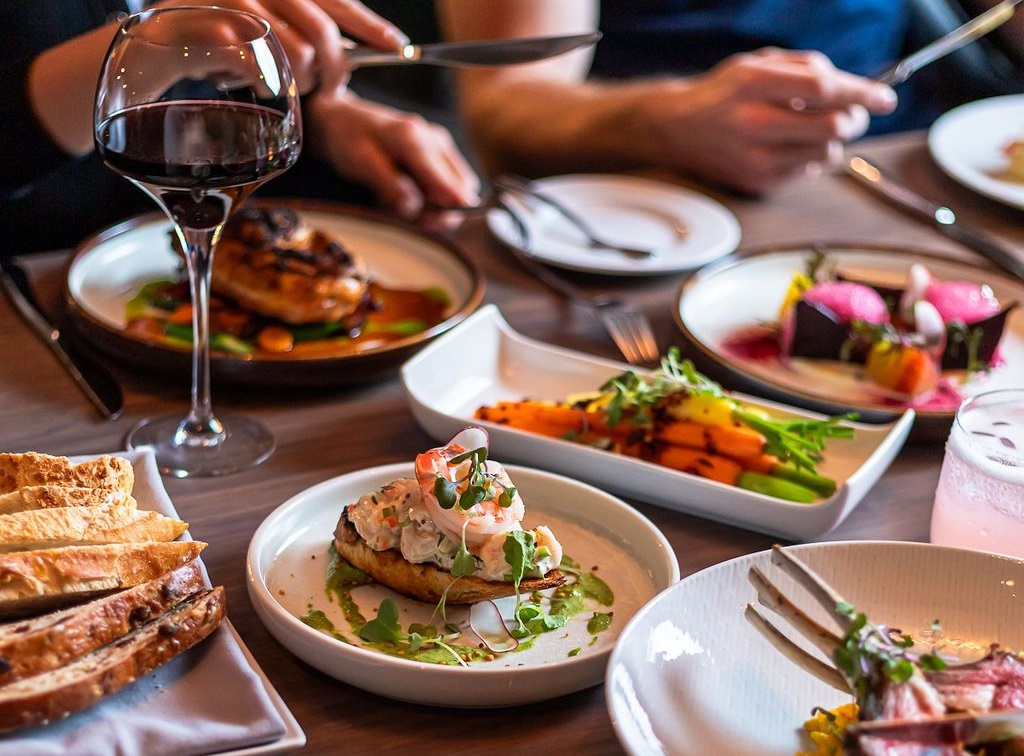
Farm-to-Table Dining Experience
🧺 Farm Kitchen & Culinary Retail Stores
These stores are often attached to on-farm kitchens or dining spaces and sell products made or featured in farm-to-table meals. Items may include preserves, sauces, oils, spice blends, baked goods, frozen meals, or farm-branded products. Visitors appreciate being able to purchase ingredients or signature items they enjoyed during their meal.
🍷 Tasting Rooms & Beverage Markets
Tasting rooms function as retail spaces where visitors can sample and purchase beverages such as wine, cider, beer, spirits, non-alcoholic juices, or specialty drinks made with local ingredients. These markets often include knowledgeable staff who explain pairings, production methods, and flavour profiles, enhancing the culinary storytelling aspect of the visit.
🧀 Specialty Food & Artisan Product Stores
These stores focus on high-quality, small-batch food products such as cheese, charcuterie, chocolate, oils, honey, maple syrup, and preserves. Often featuring both on-farm and nearby artisan products, they reflect the regional food landscape and allow visitors to bring home a curated taste of the area.
🍞 Bakery & Prepared Food Markets
Bakery and prepared food markets highlight ready-to-eat items made using farm-grown or locally sourced ingredients. Offerings may include breads, pastries, pies, tarts, salads, soups, or picnic-ready meals. These markets support casual dining, takeaway options, and self-guided food experiences.
🧑🍳 Culinary Experience Booking & Retail Desks
These retail-style desks handle reservations and ticket sales for farm dinners, chef’s tables, tastings, workshops, and cooking classes. They often also sell related merchandise such as cookbooks, aprons, utensils, or branded kitchen items tied to the culinary experience.
🌾 Ingredient & Farm Pantry Markets
Ingredient-focused markets sell fresh, seasonal farm products that appear on the dining menu, such as vegetables, herbs, eggs, dairy, meat, or grains. Visitors enjoy the transparency of seeing where their meal ingredients originate and often purchase items to recreate dishes at home.
📚 Food Education & Culinary Learning Stores
Some culinary destinations include small shops offering cookbooks, recipe cards, food education materials, and tasting guides. These stores support the educational side of farm-to-table dining by helping visitors understand seasonal cooking, local food systems, and sustainable sourcing.
🧺 Multi-Producer Culinary Markets
Multi-producer markets bring together several local farms and food artisans in one retail space. Often found at larger farm-to-table destinations or special events, these markets create a vibrant food hub while showcasing the diversity of regional producers.
🌻 Seasonal Pop-Up Culinary Markets
Seasonal or event-based pop-up markets operate during special dinners, harvest celebrations, or food festivals. These temporary markets may feature limited-edition products, guest chefs, or seasonal ingredients and add excitement and exclusivity to the culinary experience.
🛍️ Farm-Branded Merchandise & Gift Shops
Gift shops connected to culinary experiences sell branded merchandise such as tote bags, glassware, linens, and gift baskets. These items allow visitors to take home a lasting reminder of their dining experience and help reinforce the farm’s brand and story
Orchards, Cideries & Apple Country Experience Guide
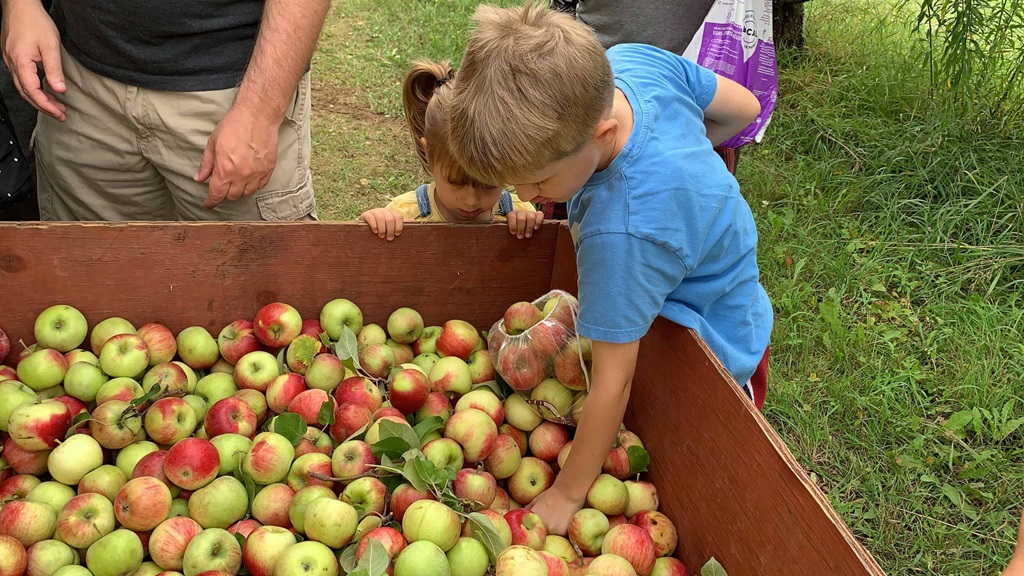
Apple Orchard Experience
🧺 Orchard Farm Markets
Orchard farm markets are the central retail space at many apple-growing operations. They sell freshly picked apples and other orchard fruit, often in multiple varieties, along with seasonal produce. These markets frequently become the hub of the visit, offering a welcoming atmosphere where visitors can browse, sample, and learn about different apple types and harvest timing.
🍏 Pick-Your-Own Check-In & Orchard Markets
These markets serve as the starting point for PYO orchard experiences. Visitors purchase picking containers, receive instructions, and learn about orchard rules before heading into the fields. After picking, guests often return to the market to weigh fruit and browse additional products such as cider, baked goods, or souvenirs.
🍎 Cider & Beverage Retail Stores
Cider-focused retail stores sell fresh apple cider, sparkling cider, hard cider, and related beverages. Many include tasting counters where visitors can sample different styles and learn about fermentation, apple blends, and production methods. These stores are a key draw during apple season and often operate year-round.
🍩 Bakery & Apple Treat Markets
Bakery markets at orchards highlight apple-based baked goods such as pies, crisps, fritters, donuts, turnovers, and breads. Often paired with fresh or hot cider, these markets become comfort-food destinations during fall weekends and contribute strongly to the overall apple-country experience.
🍯 Specialty Food & Apple Product Stores
These stores focus on value-added apple products including apple butter, sauces, jams, vinegar, dried apples, and gift packs. Many also carry complementary farm products such as honey, maple syrup, cheese, or preserves, offering visitors a wide selection of locally made foods.
🌾 Fall Décor & Country Goods Markets
Fall décor markets sell items such as mums, corn stalks, hay bales, wreaths, baskets, and rustic home décor. Often designed with visual appeal in mind, these markets are popular with visitors decorating for autumn and those seeking seasonal photo opportunities.
🛍️ Orchard Gift & Souvenir Shops
Gift shops offer orchard-branded merchandise, children’s items, apparel, mugs, tote bags, and locally made crafts. These stores allow visitors to take home a keepsake that reflects their orchard visit and apple-country memories.
🧃 Tasting Bars & Sampling Counters
Sampling counters provide opportunities to taste apple varieties, fresh cider, baked goods, or specialty products before purchase. These counters encourage discovery and education, helping visitors understand flavour differences and seasonal offerings.
🧺 Multi-Vendor Apple Country Markets
Some orchards host multi-vendor markets that include nearby farms, food artisans, and crafters. These markets create a community marketplace atmosphere and often operate during busy harvest weekends or special events, adding variety to the orchard visit.
🎪 Seasonal & Festival Pop-Up Markets
During peak apple season or special events, temporary pop-up markets may appear under tents or in outdoor spaces. These markets often focus on limited-edition products, seasonal treats, or themed merchandise and help manage high visitor volumes during busy weekends.
Vineyards & Vineyard-Based Experience Guide
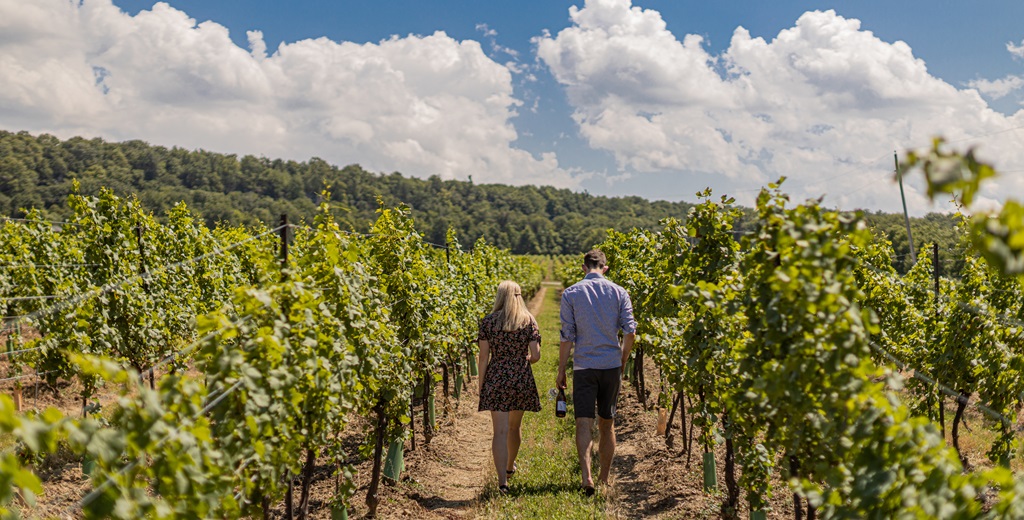
Vineyard Experience
🧺 Winery Retail Stores
Winery retail stores are the primary shopping space at vineyard properties. They sell estate wines and often include knowledgeable staff who guide visitors through varieties, vintages, and terroir. Many stores offer exclusive on-site bottles or limited releases, making them a must-visit stop for wine travellers.
🍷 Tasting Rooms & Sampling Bars
Tasting rooms provide structured wine tastings and informal sampling experiences. Visitors can learn about grape varieties, production methods, and flavour profiles while sampling multiple wines. These spaces often double as retail areas where guests can immediately purchase their favourites.
🧀 Culinary Pairing & Food Markets
Some vineyards include small food markets offering cheese, charcuterie, olives, oils, breads, and specialty foods designed to pair with wine. These markets enhance the tasting experience and encourage longer stays, picnics, or take-home pairings.
🍇 Vineyard Tour & Experience Check-In Markets
These markets serve as welcome centres for vineyard tours, tastings, and special experiences. Visitors purchase tickets, receive schedules, and browse merchandise or wine before heading out for guided vineyard walks or cellar tours.
🛍️ Winery Gift & Lifestyle Shops
Gift shops at vineyards sell wine-related merchandise such as glassware, corkscrews, apparel, books, and branded gifts. Many also feature locally made crafts or gourmet items, making them popular for souvenirs and special-occasion shopping.
🌾 Estate Farm Product Stores
Some vineyard estates produce or partner on additional farm products such as olive oil, honey, preserves, or estate-grown produce. These products are often sold alongside wine and reflect the broader agricultural character of the property.
🍽️ Bistro, Café & Take-Home Food Counters
Vineyards with on-site dining may include retail counters offering prepared foods, picnic boxes, or bakery items for take-away. These counters support casual dining and outdoor experiences such as vineyard picnics or concerts.
📚 Wine Education & Learning Stores
Education-focused stores sell books, tasting guides, maps, and educational materials about wine, grape growing, and regional viticulture. These shops appeal to visitors interested in deepening their knowledge beyond the tasting experience.
🧺 Multi-Producer Wine Country Markets
Some vineyard destinations host multi-producer markets featuring wines from nearby vineyards, along with regional food artisans. These markets showcase the diversity of the wine region and foster collaboration among local producers.
🎪 Seasonal & Event Pop-Up Markets
During harvest celebrations, concerts, weddings, or festivals, temporary pop-up markets may appear selling wine, food, and themed merchandise. These markets add energy and flexibility during high-traffic events and special weekends.
U-Pick Flower Farms & Sunflower Field Guide
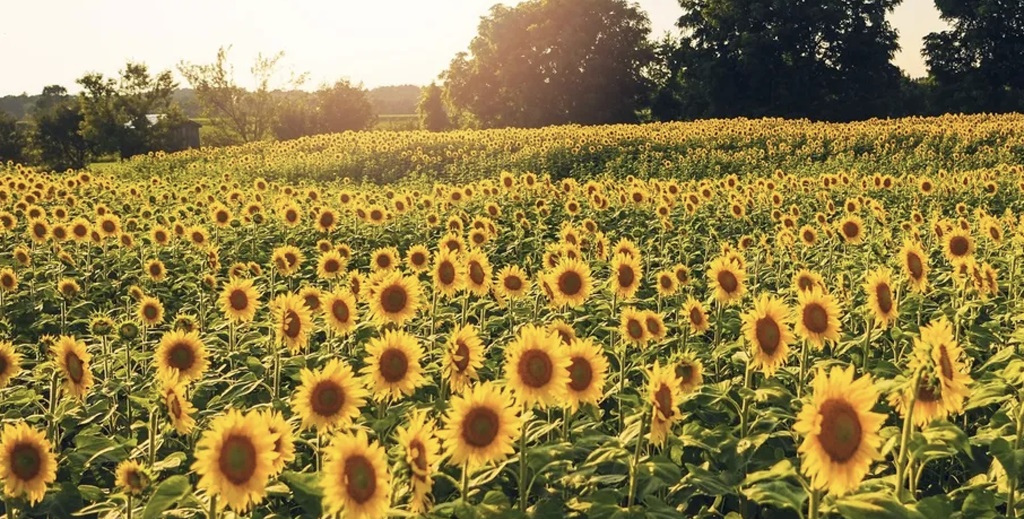
Sunflower Field
🧺 Flower Farm Welcome & Check-In Markets
These markets serve as the arrival point for visitors. Guests check in, purchase entry or picking passes, receive scissors or buckets, and learn farm rules and safety guidelines. Many also sell bottled water, sun hats, and basic supplies to prepare visitors for time in the fields.
💐 Cut-Your-Own Flower Market Stands
These stands focus on the sale of freshly cut flowers picked by visitors. Pricing may be by stem, bunch, or container. These markets often include simple wrapping stations and encourage guests to create personalized bouquets directly from the field.
🌻 Sunflower Field Market Booths
Sunflower field markets are typically seasonal booths operating during peak bloom. They may sell single stems, small bouquets, or sunflower-themed products. These booths often serve as both a retail space and a visual focal point for photo-friendly visits.
🧺 Pre-Picked Bouquet & Floral Gift Shops
Some flower farms offer pre-arranged bouquets and floral gifts for visitors who prefer not to pick their own. These shops may also sell dried flowers, wreaths, and seasonal floral décor, extending the experience beyond the field.
🌱 Plant, Seed & Bulb Stores
Plant and seed stores sell flower seeds, seedlings, bulbs, and gardening supplies tied to what is grown on the farm. These stores appeal to home gardeners and allow visitors to continue the flower-growing experience at home.
🎨 Floral Workshop & Experience Booking Counters
Many flower farms host workshops such as bouquet arranging, wreath making, or floral design. Booking counters act as retail hubs where visitors sign up for classes and purchase related materials, tools, or take-home kits.
🛍️ Flower Farm Gift & Lifestyle Shops
Gift shops sell flower-themed merchandise such as tote bags, vases, candles, stationery, and apparel. These shops often reflect the aesthetic of the farm and provide memorable keepsakes for visitors.
🍯 Local Artisan & Farm Product Markets
Some flower farms partner with nearby producers to sell honey, preserves, baked goods, or handmade crafts. These markets add depth to the visit and highlight the broader agricultural community surrounding the farm.
🧃 Refreshment & Picnic Stands
Refreshment stands offer cold drinks, lemonade, snacks, or picnic items for visitors spending extended time in the fields. These stands support comfort during hot summer months and encourage longer, more relaxed visits.
🎪 Seasonal & Event Pop-Up Flower Markets
During peak bloom weekends, special events, or photography sessions, temporary pop-up markets may appear selling limited-edition bouquets, seasonal products, or guest artisan items. These markets add excitement and variety throughout the season.
🪴 Self-Serve & Honour-System Flower Stands
Smaller or rural flower farms may operate simple self-serve stands offering bouquets or stems. These honour-system setups reflect traditional countryside trust and provide a charming, low-key retail experience.