










St. Lawrence Farmers' Market - Vegetables

Farmers’ Market Showcase

Old Town Toronto • St. Lawrence Market District • Toronto Region

St. Lawrence
Farmers’ Market

Saturday traditions. Ontario harvests. A city connection.

Plan your market visit ↓

Saturday Farmers’ Market: use the North Market information.

The market’s official hours page lists the North Market farmers’ market on Saturdays, 5 a.m.–3 p.m., and specifically lists a closure on December 26, 2026. South Market has a different weekly schedule. Confirm holiday notices before your visit.

Know before you go

Visitor Information

📍 Location
St. Lawrence Market North, 92 Front Street East, Toronto. The South Market is a separate building across Front Street.
🗓 Market schedule
Saturdays, 5 a.m.–3 p.m., year-round, subject to holiday notices. The official site lists December 26, 2026 as closed. Do not substitute South Market’s daily hours.
🥕 What to expect
Seasonal food, market products and handmade finds. Selection varies with harvests, weather and vendor attendance.
🌐 Official information
St. Lawrence Farmers’ Market

Make the most of the day

Plan Your Visit

⏱ Choose your timing. Check the current date, hours and venue before setting out. Allow time to browse and speak with vendors.

🌾 Shop with the season. Bring reusable bags and ask vendors about their products and growing area.

👨‍👩‍👧 For families: Browse together and confirm any special activities in advance. Photographs show past visits.

♿ Parking and accessibility: Ask the organizer about current parking, entrances, washrooms, surfaces and individual access needs before travelling.

Visit the official market website ↗

The experience

A Saturday link between Ontario farms and the city.

The Saturday farmers’ market brings seasonal foods and producer conversations into Toronto’s St. Lawrence Market district. Browse what has arrived from Ontario farms and food makers, then explore the neighbourhood’s wider food and heritage setting.

Did You Know?

The official market history traces the Saturday market tradition on this site to 1803. The new North Market welcomed the farmers’ market in 2025; older photographs may show other halls or earlier arrangements.

Discover more Ontario food and farming traditions in our Agritourism Guides.

St. Lawrence Farmers' Market

Original Showcase photographs reflect past visits. Vendor attendance, activities and visitor arrangements can change; confirm current details directly.

Current venue: The Saturday farmers’ market is in the North Market at 92 Front Street East. The original photographs below document past visits and may show South Market or earlier arrangements; they do not establish today’s North Market layout.

About the Farmers’ Market

A Historic Toronto Market Connecting Farmers, Food & Community Since 1803

The St. Lawrence Farmers’ Market is one of Canada’s oldest and most iconic farmers’ markets, and a cornerstone of downtown Toronto’s food culture. With roots dating back to 1803, the market has served generations of residents, chefs, farmers, and visitors—connecting urban life with Ontario’s agricultural regions for more than two centuries.

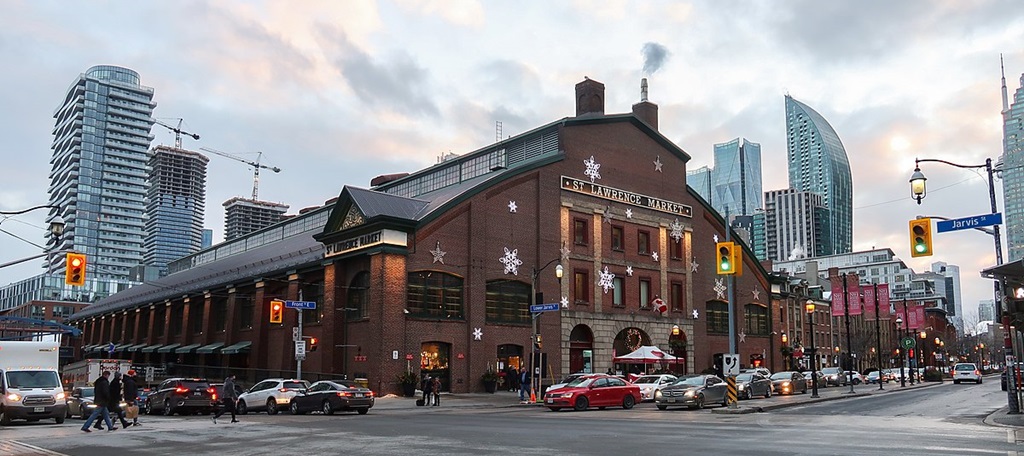
Located within the historic St. Lawrence Market complex, the farmers’ market continues a long tradition of bringing fresh, locally produced food directly to the people.

St. Lawrence Farmers' Market Building

A Market Born with the City

The origins of the St. Lawrence Farmers’ Market are inseparable from the early history of York (now Toronto). In the early 19th century, the town established a designated public market where farmers from surrounding townships could sell produce, meat, dairy, and baked goods. This market system helped ensure food access, supported rural economies, and created a civic gathering place at the heart of the growing settlement.

Over time, as Toronto expanded, the market evolved—but its mission remained the same: supporting farmers and feeding the city.

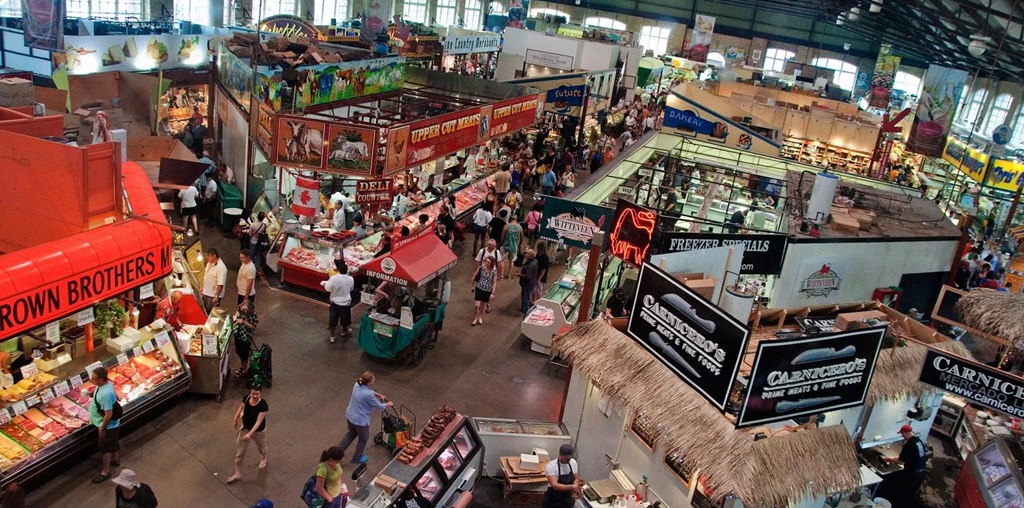
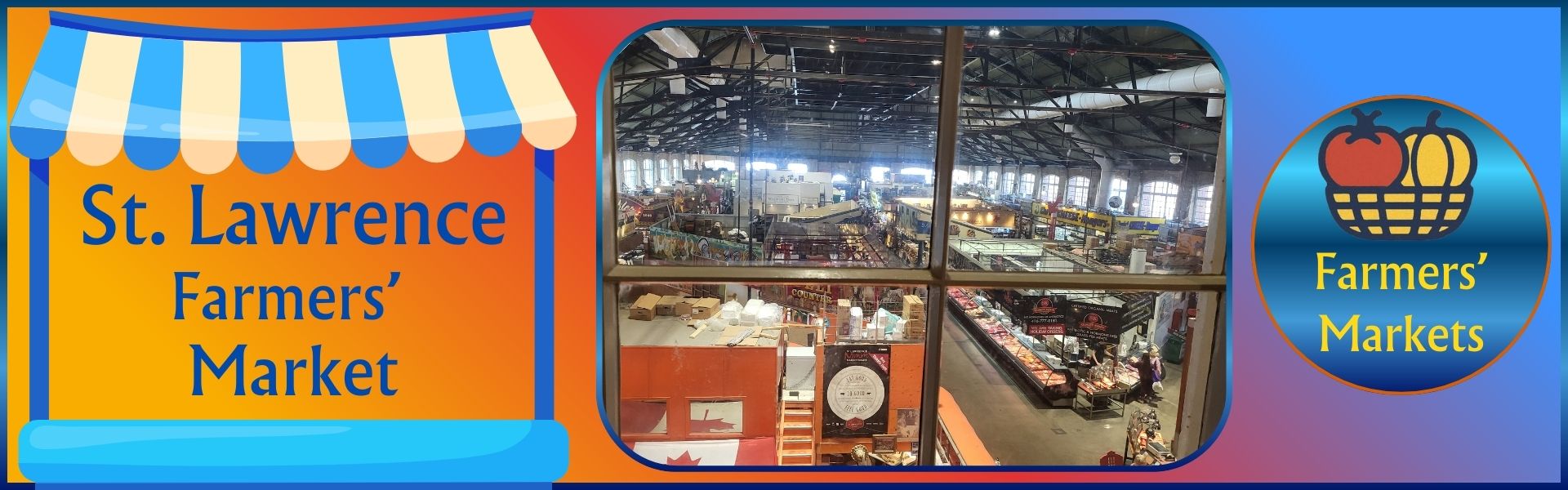
St. Lawrence Farmers' Market - Overlooking the Market

A Dedicated Farmers’ Market Tradition

Today, the St. Lawrence Farmers’ Market operates primarily on Saturdays, when Ontario farmers and rural producers sell their goods directly to customers. This distinct farmers’ market operates alongside—but separately from—the daily indoor market vendors, preserving the traditional farmer-to-consumer experience.

The focus remains on Ontario-grown and Ontario-made products, reflecting the market’s long-standing commitment to authenticity, quality, and regional agriculture.

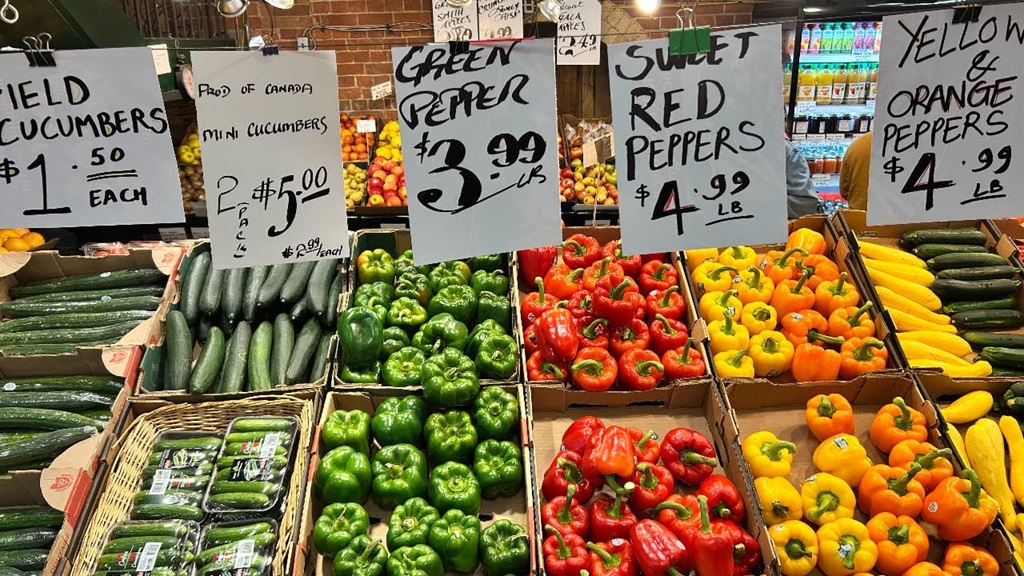
St. Lawrence Farmers' Market - Vegetables

Celebrating Ontario Agriculture & Local Food

The farmers’ market highlights the diversity and strength of Ontario’s agricultural sector. Shoppers can expect to find:

  • Seasonal fruits and vegetables grown by Ontario farmers
  • Meat, poultry, eggs, and dairy products
  • Baked goods, preserves, honey, and maple syrup
  • Specialty items that reflect Ontario’s regional food traditions

This direct connection between producers and consumers builds trust, transparency, and appreciation for where food comes from.

A Cultural & Culinary Landmark

Beyond commerce, the St. Lawrence Farmers’ Market is a cultural institution. It has long served as a meeting place where stories are exchanged, traditions are shared, and Toronto’s diverse population connects over food. Farmers return week after week, building relationships with customers who value knowing the people behind their food.

The market’s influence reaches far beyond its stalls, shaping Toronto’s reputation as a city that values food, history, and community connection.

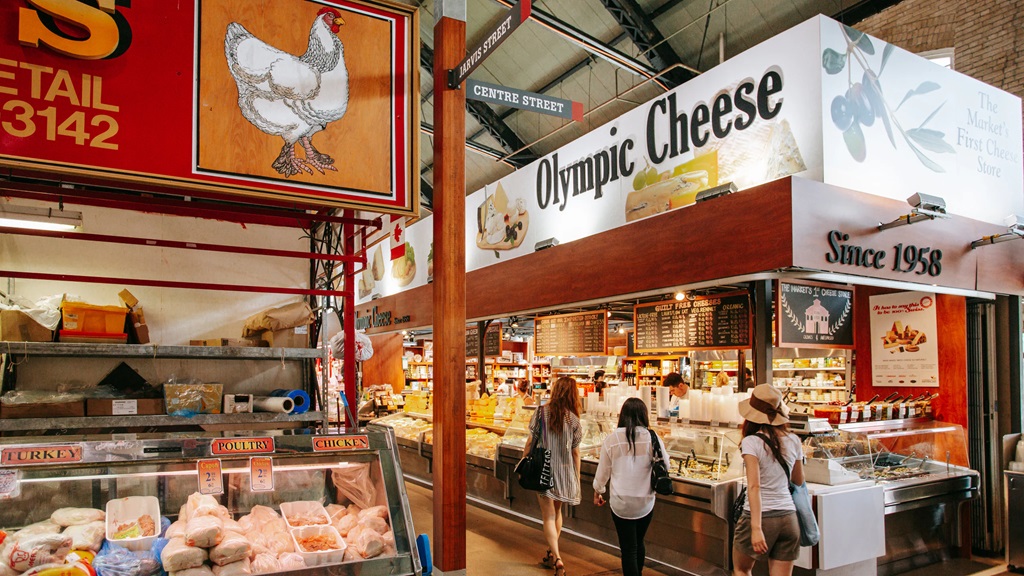
St. Lawrence Farmers' Market Vendor Booths

A Living Tradition That Endures

More than 220 years after its beginnings, the St. Lawrence Farmers’ Market remains a vital link between urban Toronto and rural Ontario. It continues to support local agriculture, preserve historic market traditions, and offer an authentic farmers’ market experience in the heart of Canada’s largest city.

About the Community

Toronto, Ontario: A Global City Built on Neighbourhoods, History & Community Connection

As Canada’s largest city, Toronto is known worldwide for its skyline, diversity, and cultural influence. Yet beneath its modern towers and bustling streets lies a city deeply shaped by neighbourhoods, waterways, markets, and community gathering places that have anchored Toronto life for centuries.

From its earliest days as a small colonial settlement to its role as a global metropolis, Toronto has always been a city built around connection.

A City Shaped by Waterways, Trade & Settlement

Toronto’s story begins along the shores of Lake Ontario, where Indigenous peoples lived, traded, and travelled long before European settlement. The city later grew as a key port, transportation hub, and commercial centre—its development shaped by waterways, railways, and immigration.

Markets, including the St. Lawrence area, played a crucial role in this growth, ensuring food access and creating social spaces where communities could gather.

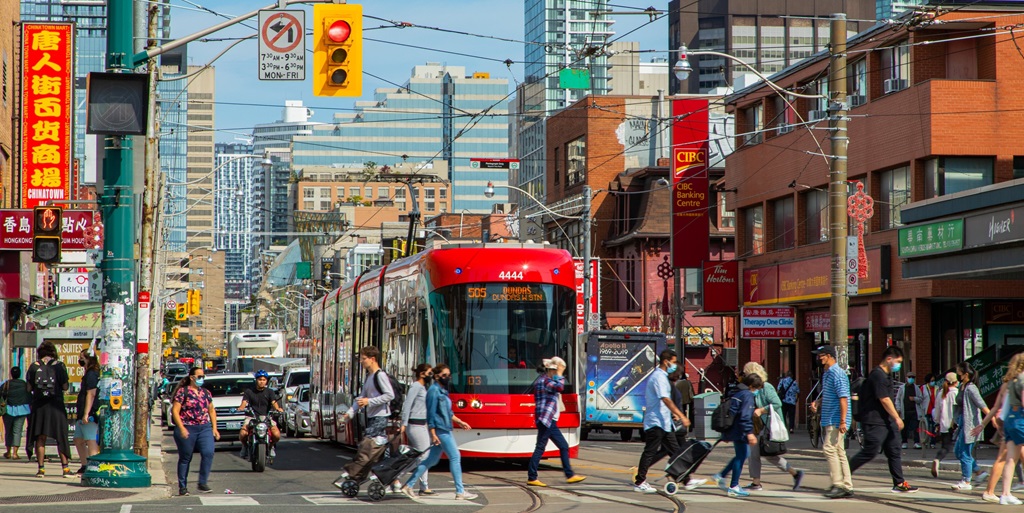
Busy Downtown

Neighbourhoods That Define City Life

Toronto is a city of neighbourhoods, each with its own character and rhythm. From historic districts to vibrant cultural enclaves, these neighbourhoods form the backbone of daily life—where people shop locally, meet neighbours, and participate in community traditions.

Public markets, local main streets, and gathering spaces remain central to how Torontonians experience their city.

A City with Deep Food & Market Traditions

Food has always been a defining element of Toronto’s identity. Generations of farmers, fishers, bakers, and merchants have supplied the city through public markets, independent shops, and neighbourhood businesses.

The St. Lawrence Farmers’ Market stands as one of the strongest examples of this tradition—linking modern Toronto with its agricultural and culinary roots.

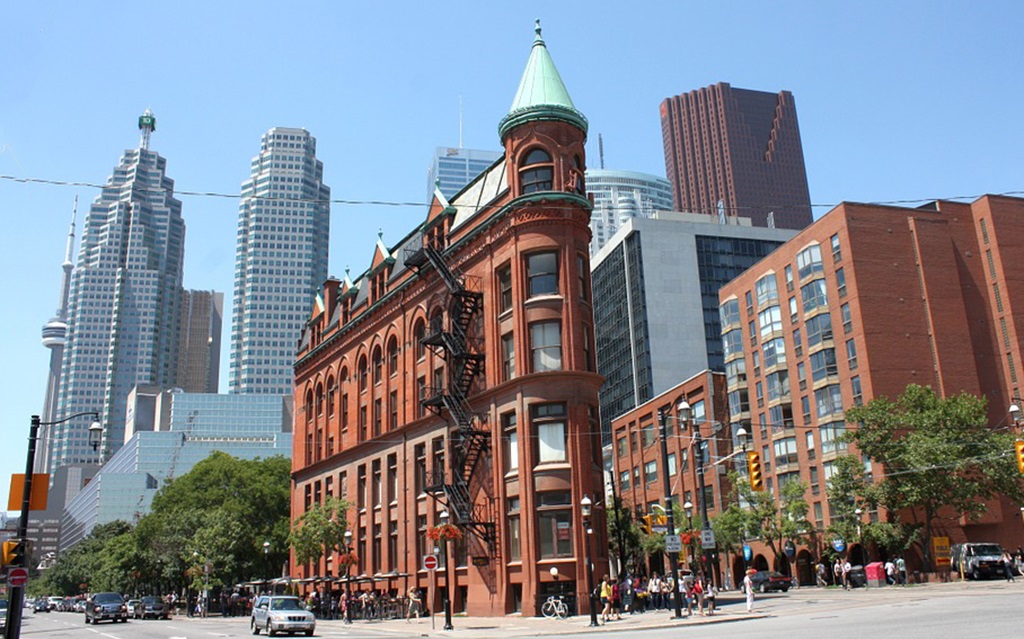
Historic Gooderham Building near the market

Culture, Diversity & Everyday Community Life

Toronto’s cultural richness comes from its people. With residents representing communities from around the world, the city thrives on diversity, creativity, and shared experiences. Festivals, neighbourhood events, markets, and public spaces bring people together across cultures and generations.

Despite its size, Toronto continues to value local connections—where small moments of community matter.

A City That Balances Growth with Heritage

As Toronto continues to grow, it also works to preserve the places that tell its story. Historic buildings, heritage districts, waterfront spaces, and long-standing institutions help maintain continuity between past and present.

Markets like St. Lawrence remain living reminders of how the city began—and why community gathering places still matter.

Toronto's Harbourfront

A Natural Companion to the St. Lawrence Farmers’ Market

Together, Toronto and the St. Lawrence Farmers’ Market reflect shared values:

  • Community connection
  • Support for local producers
  • Respect for history and tradition
  • Cultural exchange
  • Everyday civic life

A City Where History, Neighbourhoods & Community Thrive

Whether navigating busy downtown streets, exploring historic districts, or spending a Saturday morning at the St. Lawrence Farmers’ Market, Toronto offers an experience rooted not just in scale—but in connection. It is a city where global influence and local traditions continue to thrive side by side.


🌾 Explore Nearby Agritourism Experiences

Visitors exploring the St. Lawrence Farmers’ Market may also enjoy discovering these nearby markets and food destinations in Toronto and the surrounding region.

• Evergreen Brick Works Farmers’ Market – one of Toronto’s largest Saturday farmers’ markets
• Wychwood Barns Farmers’ Market – year-round community farmers’ market featuring Ontario producers
• Riverdale Farm – historic working farm located in downtown Toronto
• Black Creek Community Farm – urban farm promoting local agriculture and food education. Explore programs, workshops, activities, and events for all ages

Some nearby experiences include links to additional Ontario Agritourism Showcase pages with more visitor information.

Nearby suggestions are independent destinations. Check current availability, travel times and visitor arrangements directly; inclusion does not imply common ownership or operation.