
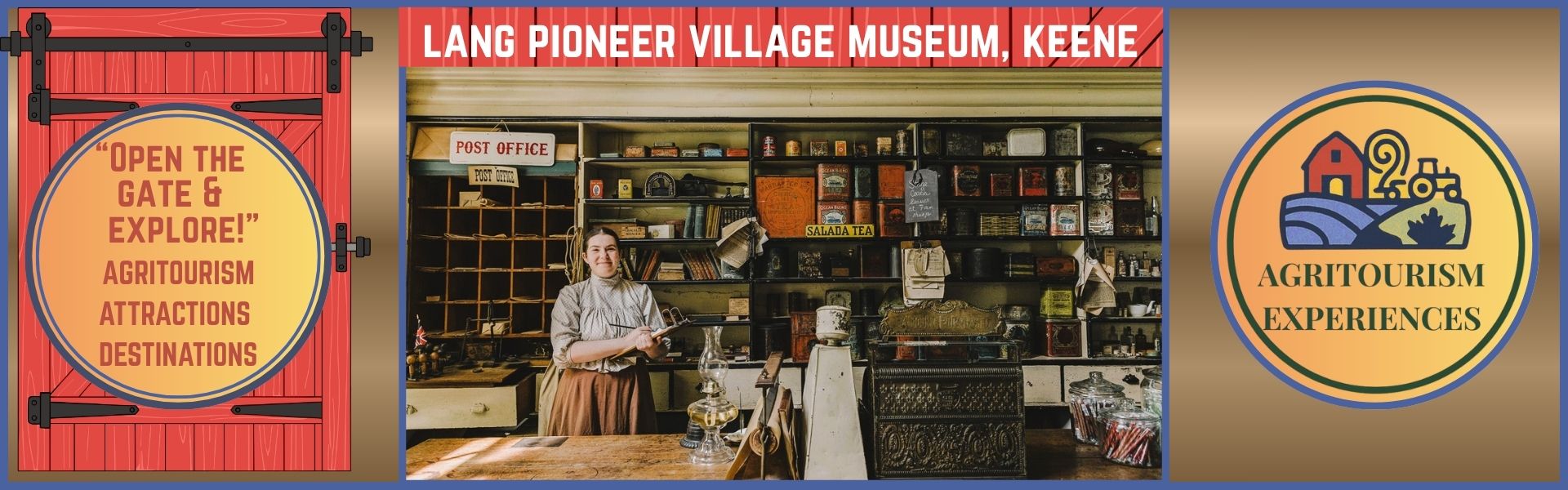




Lang Pioneer Village Museum - Lang


Coming Soon

About the Agritourism Attraction

A Living History Experience Preserving Rural Ontario Life in the 1800s

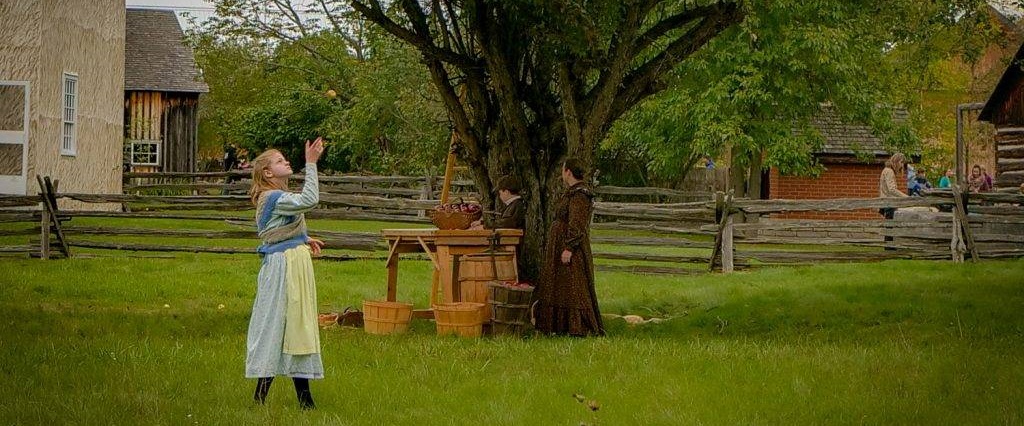
Lang Pioneer Village Museum is one of Ontario’s most respected living history museums, offering visitors an immersive look into rural life during the mid-19th century. Located in the historic hamlet of Lang, this open-air museum preserves, interprets, and celebrates the agricultural, social, and economic foundations that shaped early Ontario communities.

More than a collection of buildings, Lang Pioneer Village is a working heritage landscape—where farming, craftsmanship, and daily pioneer life are brought to life through hands-on demonstrations and knowledgeable historical interpreters.

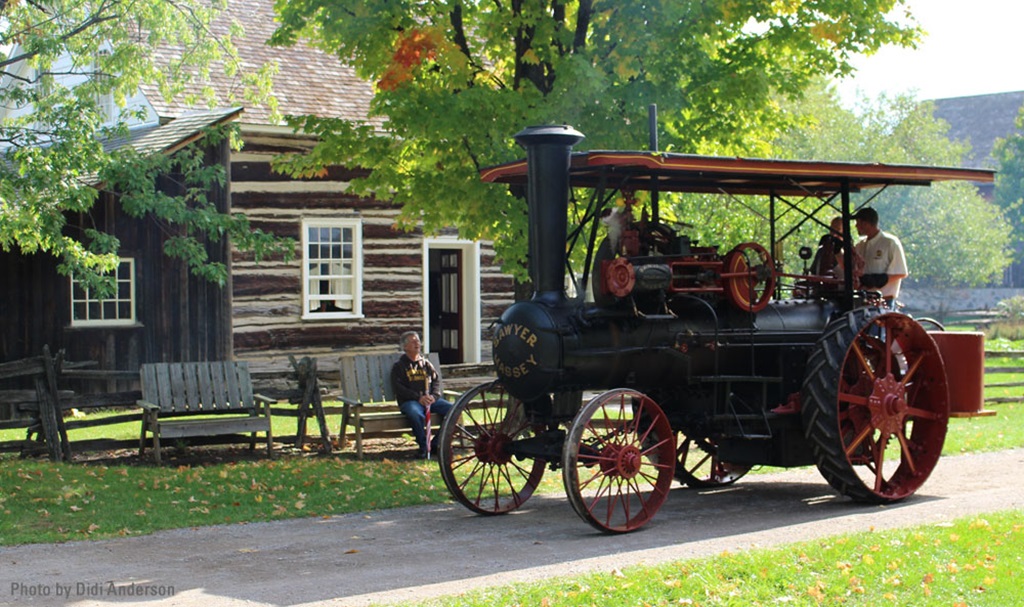
Lang Pioneer Village Museum - Steam Tractor

Rooted in Agricultural & Rural Heritage

Established in 1967, Lang Pioneer Village Museum was created to preserve the disappearing rural architecture and agricultural practices of Peterborough County and surrounding regions. Today, the village includes more than 30 restored and relocated buildings, many of which were originally farmhouses, barns, mills, and workshops.

Agriculture is central to the museum’s story. Historic fields, gardens, and livestock areas illustrate how early settlers relied on the land for survival—growing crops, raising animals, preserving food, and adapting to Ontario’s challenging climate.

A Working Village, Not a Static Museum

What sets Lang Pioneer Village apart as an agritourism attraction is its living history approach. Costumed interpreters demonstrate:

  • Traditional farming methods
  • Blacksmithing, woodworking, and milling
  • Food preparation and preservation
  • Domestic work such as sewing, laundering, and candle-making
  • Early rural trades and community roles

These demonstrations transform the village into a dynamic learning environment, making history accessible, engaging, and memorable for visitors of all ages.

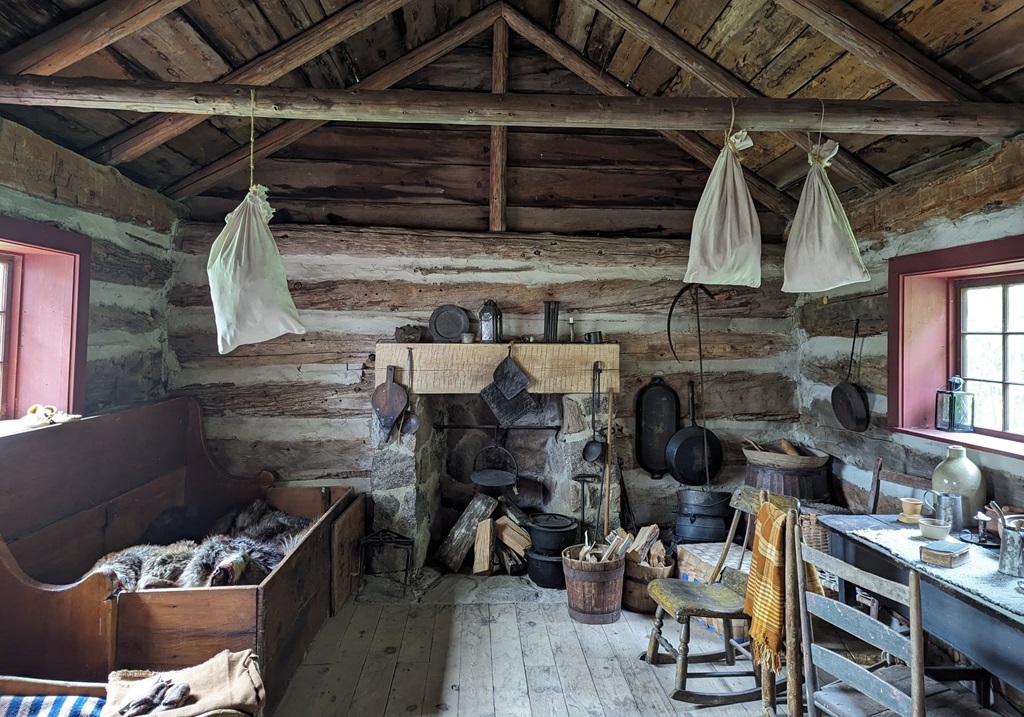
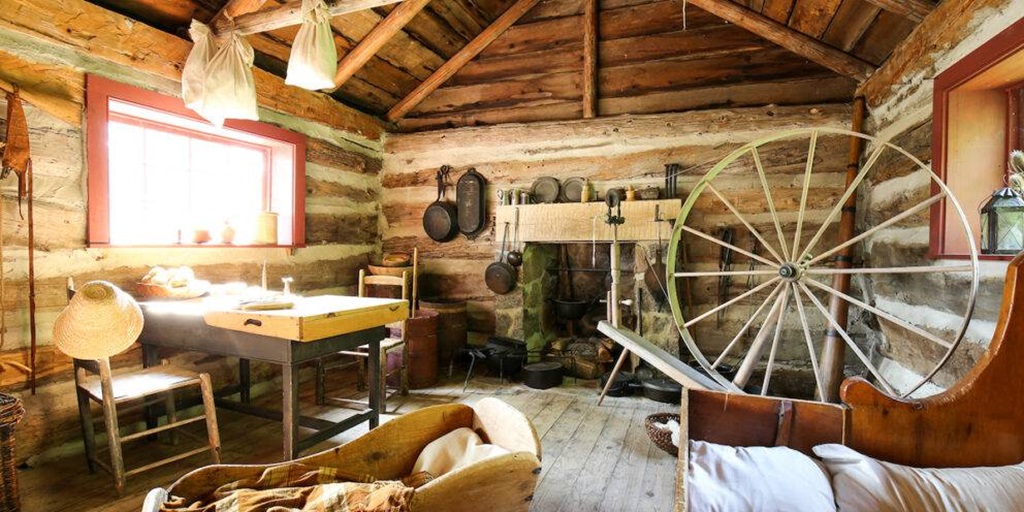
Lang Pioneer Village inside log cabin

Seasonal Programming & Agricultural Education

Lang Pioneer Village Museum operates seasonally and is known for its hands-on educational programming, including:

  • School visits and curriculum-based learning
  • Heritage festivals and agricultural demonstrations
  • Seasonal events tied to planting, harvesting, and rural traditions
  • Artisan showcases and heritage skill workshops

These programs help visitors understand how agriculture shaped settlement patterns, community cooperation, and everyday life in rural Ontario.

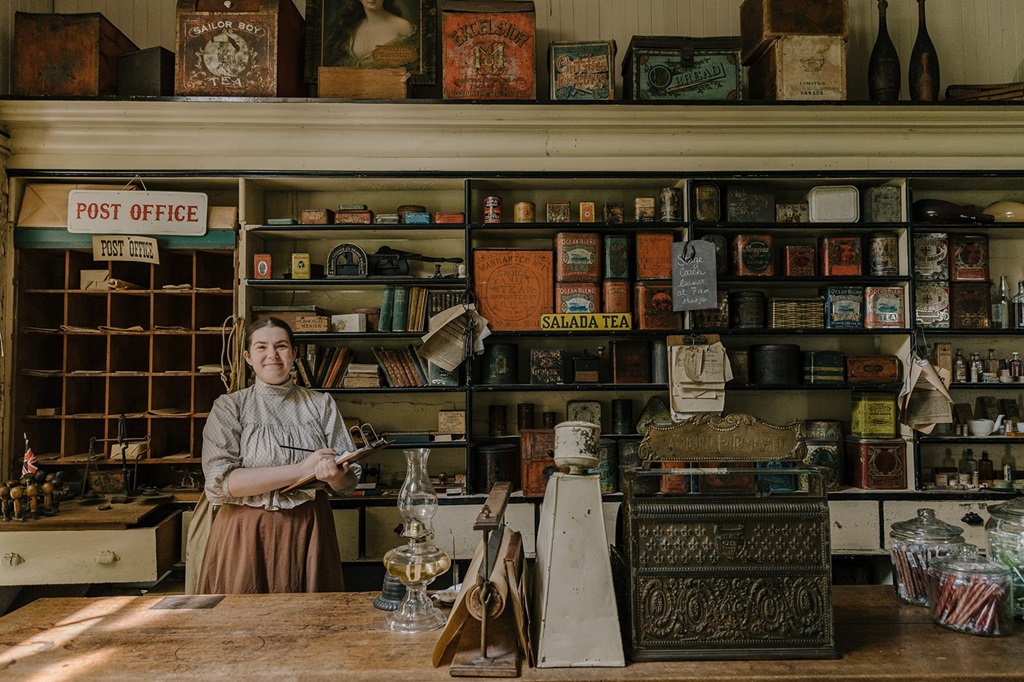
Lang Pioneer Village Museum Country Store

A Cornerstone of Ontario Agritourism

As an agritourism attraction, Lang Pioneer Village Museum bridges history, agriculture, education, and tourism. It supports:

  • Agricultural literacy
  • Heritage preservation
  • Rural storytelling
  • Community pride
  • Intergenerational learning

It also provides an important connection between modern visitors and the agricultural roots that continue to influence Ontario’s rural landscape today.

Lang Pioneer Village Museum Spinning Wheel

An Enduring Rural Legacy

Lang Pioneer Village Museum stands as a powerful reminder that Ontario’s agricultural story is not just about the past—it is the foundation of the province’s communities, economy, and culture.


About the Community

Lang, Ontario: A Historic Rural Hamlet Shaped by Agriculture, Waterways & Community Life

Lang is a small but historically significant rural hamlet in Peterborough County, best known as the home of Lang Pioneer Village Museum. Though modest in size, Lang represents the kind of agricultural settlement that once dotted Ontario’s countryside—communities built around farming, waterways, and shared labour.

A Community Born of Land & Opportunity

Lang developed during the 19th century as settlers arrived to farm the fertile land near the Otonabee River system. Like many rural hamlets of its era, Lang grew around agriculture, mills, and essential rural services, serving nearby farm families who depended on cooperation and shared resources.

The community’s layout and development reflect a time when proximity to arable land and water power determined where people lived and worked.

Agriculture as a Way of Life

Farming shaped every aspect of life in Lang. The surrounding countryside supported mixed agriculture, including:

  • Crop production
  • Livestock raising
  • Home gardens and orchards
  • Woodlots for fuel and building materials

This agricultural lifestyle required resilience, adaptability, and strong community bonds—values that still resonate in the region today.

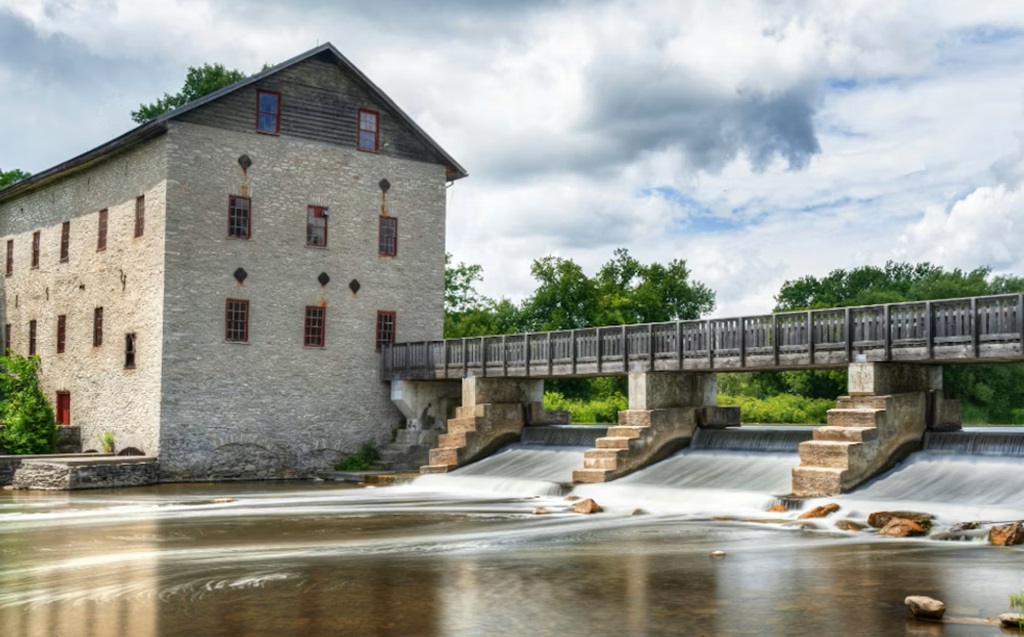
Lang Watermill

Preserving Rural Identity Through Heritage

While Lang never grew into a large town, its legacy has been carefully preserved through heritage conservation. The presence of Lang Pioneer Village Museum ensures that the stories of early farmers, craftspeople, and families remain visible and relevant.

The hamlet’s name and location continue to represent rural Ontario’s agricultural origins and community-first values.

A Quiet Rural Setting with Lasting Impact

Today, Lang is a peaceful rural area surrounded by farmland, forests, and river corridors. Its significance lies not in size, but in its role as a keeper of Ontario’s rural memory—a place where agricultural history is not only remembered but actively shared.

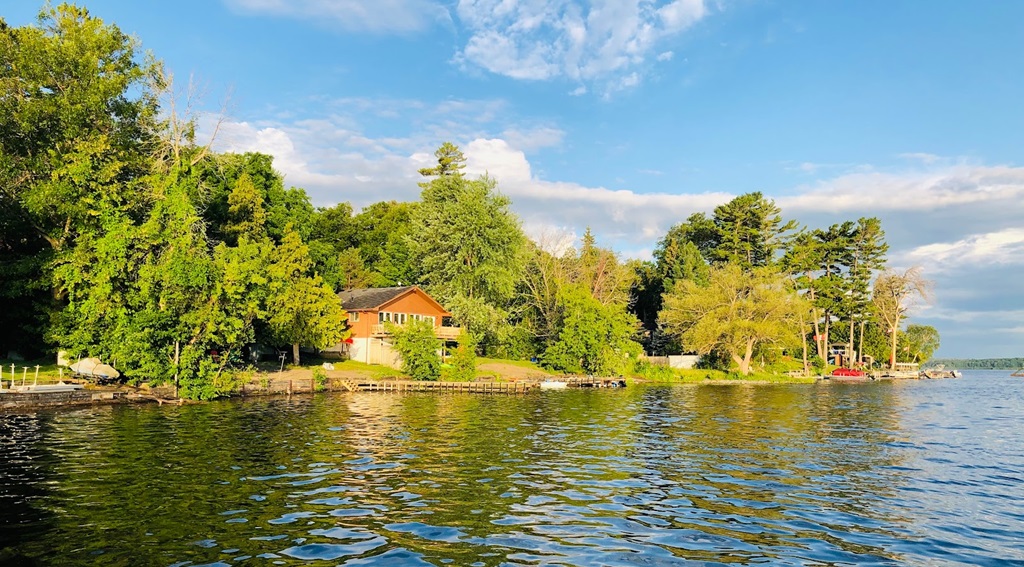
Beautiful Lake

A Natural Companion to Lang Pioneer Village Museum

Together, Lang and Lang Pioneer Village Museum highlight:

  • Agricultural heritage
  • Rural settlement patterns
  • Community cooperation
  • Hands-on learning
  • Preservation of Ontario’s agrarian past

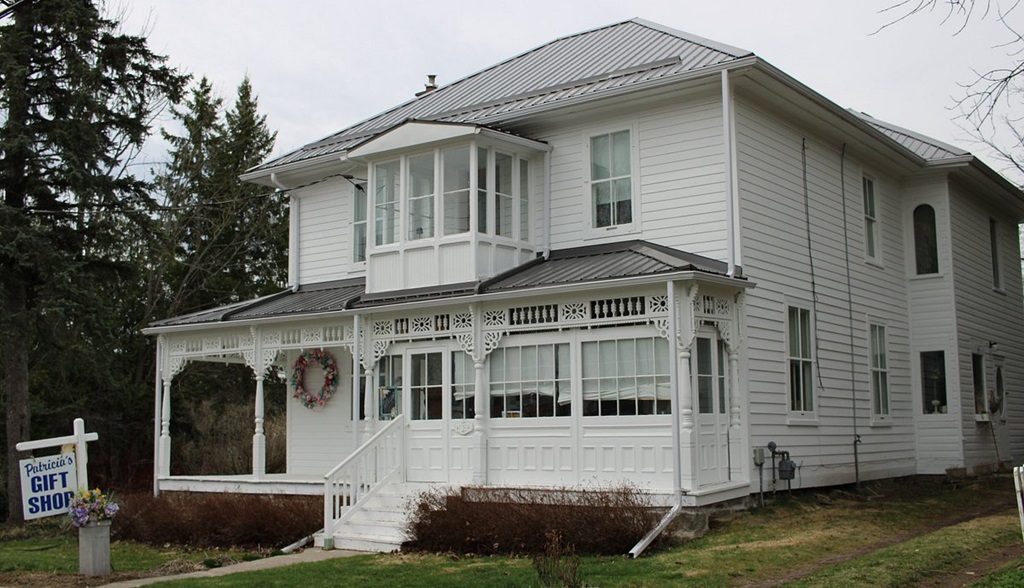
Keene Country Store

A Place Where Ontario’s Agricultural Story Lives On

Lang may be small, but its story is foundational. Through its connection to living history, agriculture, and education, Lang continues to contribute meaningfully to Ontario’s agritourism landscape—quietly reminding visitors where rural Ontario began.